

Liquid gall soap is a powerful, biologically active stain remover that utilises natural enzymes and bile acids to break down stubborn organic compounds and greasy lipids in textile fibres. Understanding the biochemical mechanisms of this traditional agent allows you to remove difficult spots without damaging delicate fabric structures.
The Chemistry of Gall Soap: Why It Works
At the core of liquid gall soap’s efficacy is bovine gall (ox bile), which contains natural surfactants, lecithin, and bile acids such as cholic acid. In nature, these substances emulsify dietary fats, and they behave exactly the same way on textiles. Bile acids act as highly efficient dispersing agents that lower the surface tension of water, allowing it to penetrate deep into the woven matrix of the fabric.
Furthermore, gall soap contains active enzymes, specifically lipases and proteases. Lipases target lipid molecules (grease, butter, sebum, and cosmetic oils), breaking them down into water-soluble fatty acids and glycerol. Proteases target protein-based stains like blood, milk, and sweat, cleaving the peptide bonds that bind these molecules to the fabric threads. Unlike synthetic detergents that rely solely on aggressive surfactant action, gall soap biochemically dismantles the soil, making it exceptionally effective even on aged or dried-in stains.
Precision Application: The Correct Protocol
To maximise the enzymatic potential of liquid gall soap, the application process must follow a precise sequence of physical and chemical steps. Improper application can lock stains into the fibres permanently, particularly if temperature parameters are ignored.
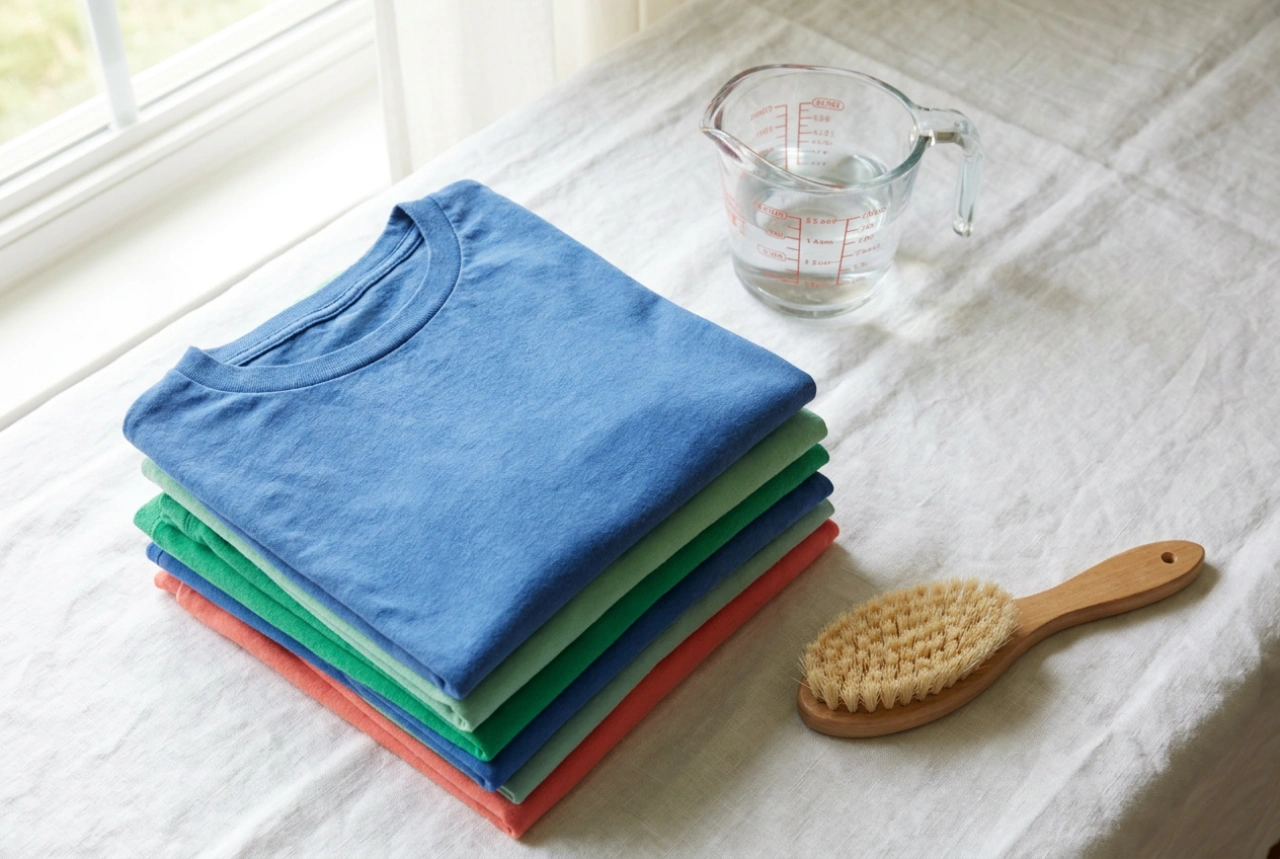
- Step 1: Fibre Preparation: Always moisten the stained area with cool or lukewarm water first. This swells the natural fibres (such as cotton or linen), opening up the molecular structure and allowing the liquid soap to migrate deep into the core of the yarn rather than sitting on the surface.
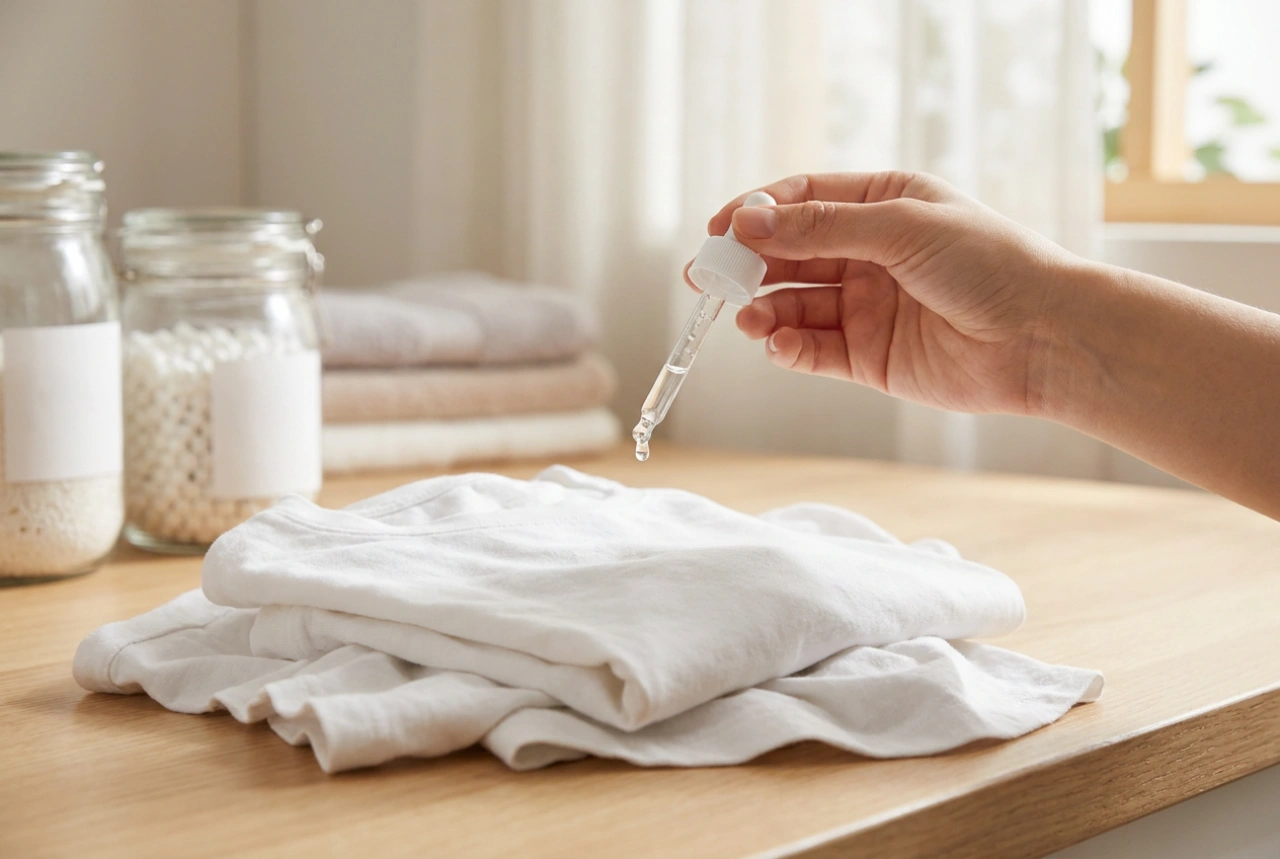
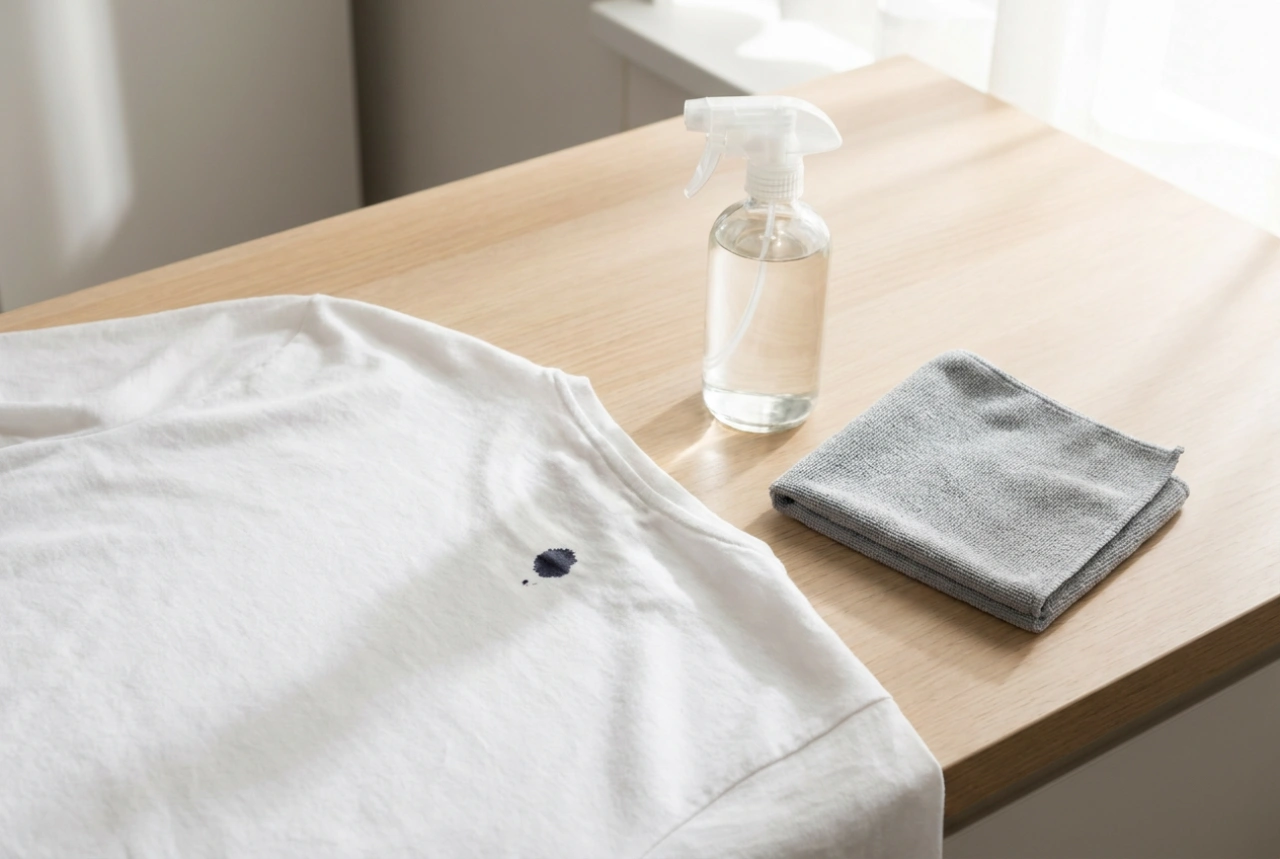
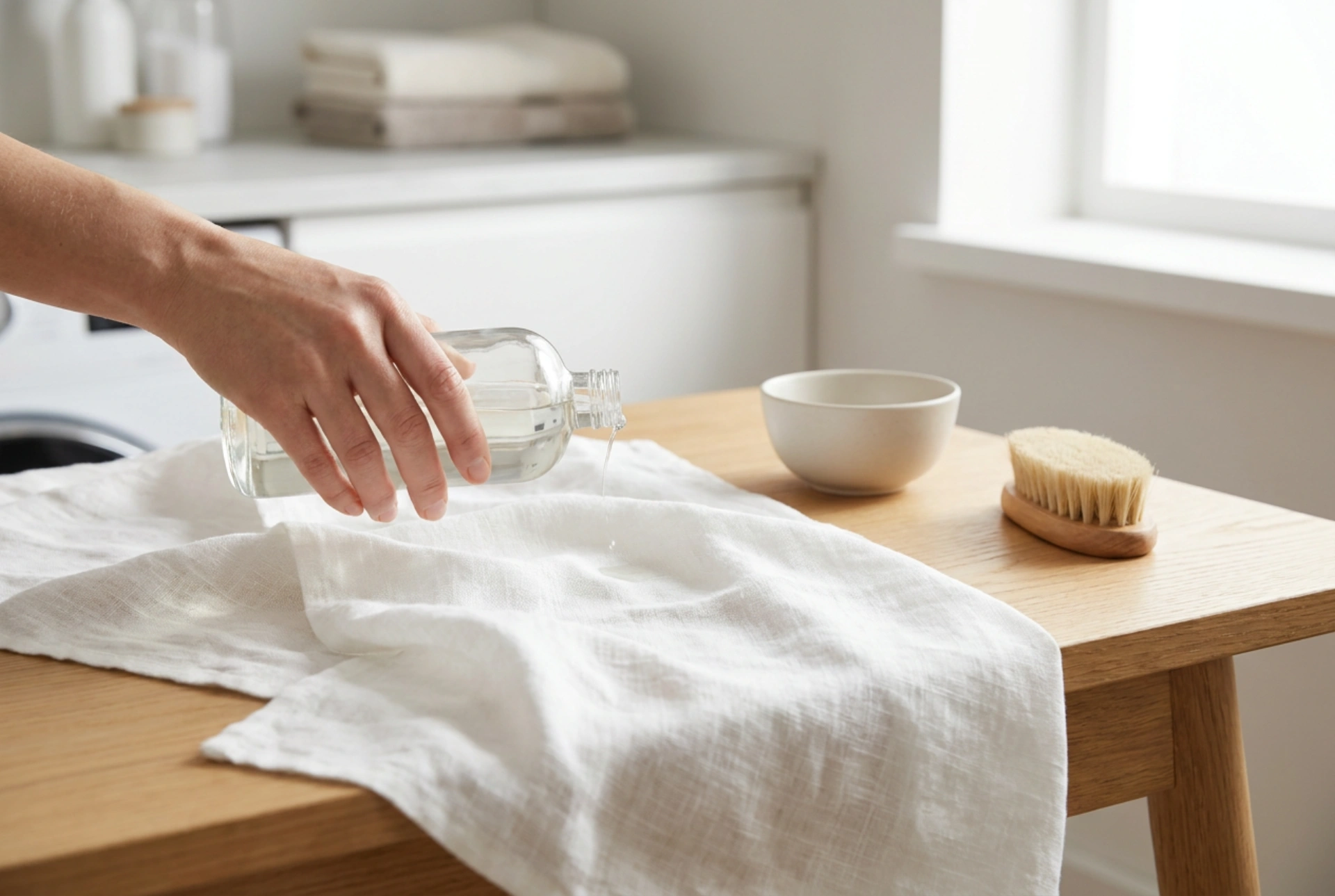
- Step 2: Targeted Application: Apply a small amount of liquid gall soap directly to the boundary of the stain, working your way inward. This prevents the stain from spreading outward into the dry, surrounding fabric.
- Step 3: Mechanical Agitation: Gently work the soap into the weave using a soft-bristled brush or by rubbing the fabric against itself. Avoid violent scrubbing, which can fray the fibres and cause pilling. The goal is to distribute the enzymes evenly and encourage physical emulsification.
- Step 4: The Reaction Phase: Allow the soap to sit on the fabric for 10 to 15 minutes. This dwell time is crucial for the enzymes to break down the macromolecular stains. However, do not let the soap dry completely, as dehydrated enzymes lose their catalytic activity and the loosened soil can re-settle into the fibres.
- Step 5: Rinsing: Rinse the treated area thoroughly with cold water to wash away the emulsified particles before putting the garment into the washing machine for a standard cycle.
Temperature and Material Compatibility
Because gall soap relies on active proteins (enzymes), temperature control is critical. Water that is too hot will denature these proteins, rendering them permanently inactive. Always keep the water temperature below 40°C during the pre-treatment phase. Cold water is particularly vital for blood and protein-based stains, as heat coagulates proteins, binding them irreversibly to the cellulose or synthetic fibres.
While gall soap is highly compatible with robust fabrics like cotton, linen, hemp, and synthetic polyesters, extra care must be taken with animal-derived fibres. Silk and wool are composed of proteins (fibroin and keratin, respectively). Because gall soap contains proteases designed to digest proteins, prolonged exposure can weaken these delicate natural fibres. If treating wool or silk, limit the exposure time to under five minutes, perform a colourfastness test on an inconspicuous seam first, and rinse thoroughly with cold water.