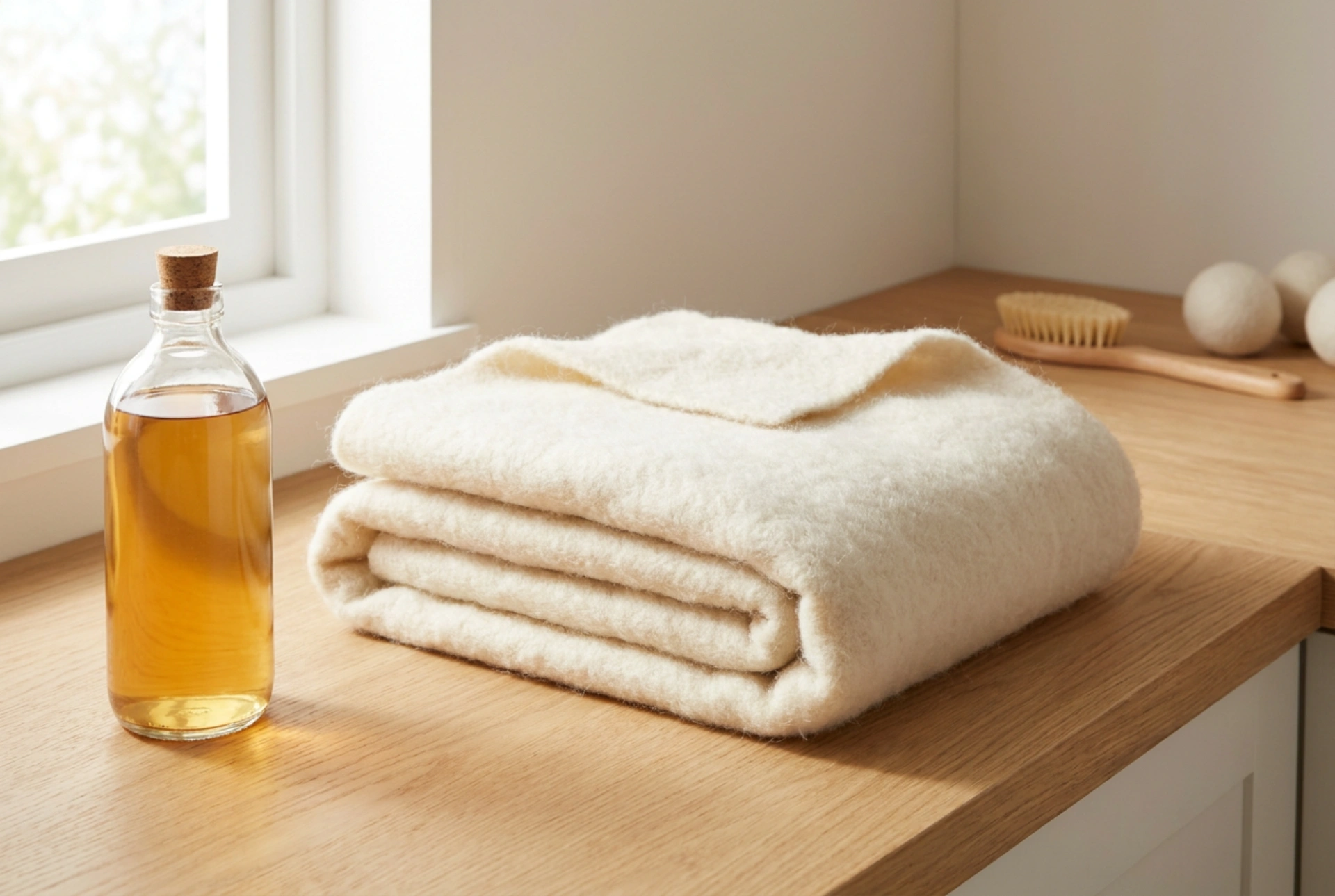


Washing a heavy blanket in a washing machine often results in stiff, stretched, or matted fibres due to improper temperature, mechanical agitation, and detergent residue. Mastering the physics of water absorption and the chemistry of surfactant interactions is the key to preserving the original softness, loft, and shape of any blanket fabric.
The Physics of Water Weight and Mechanical Stress
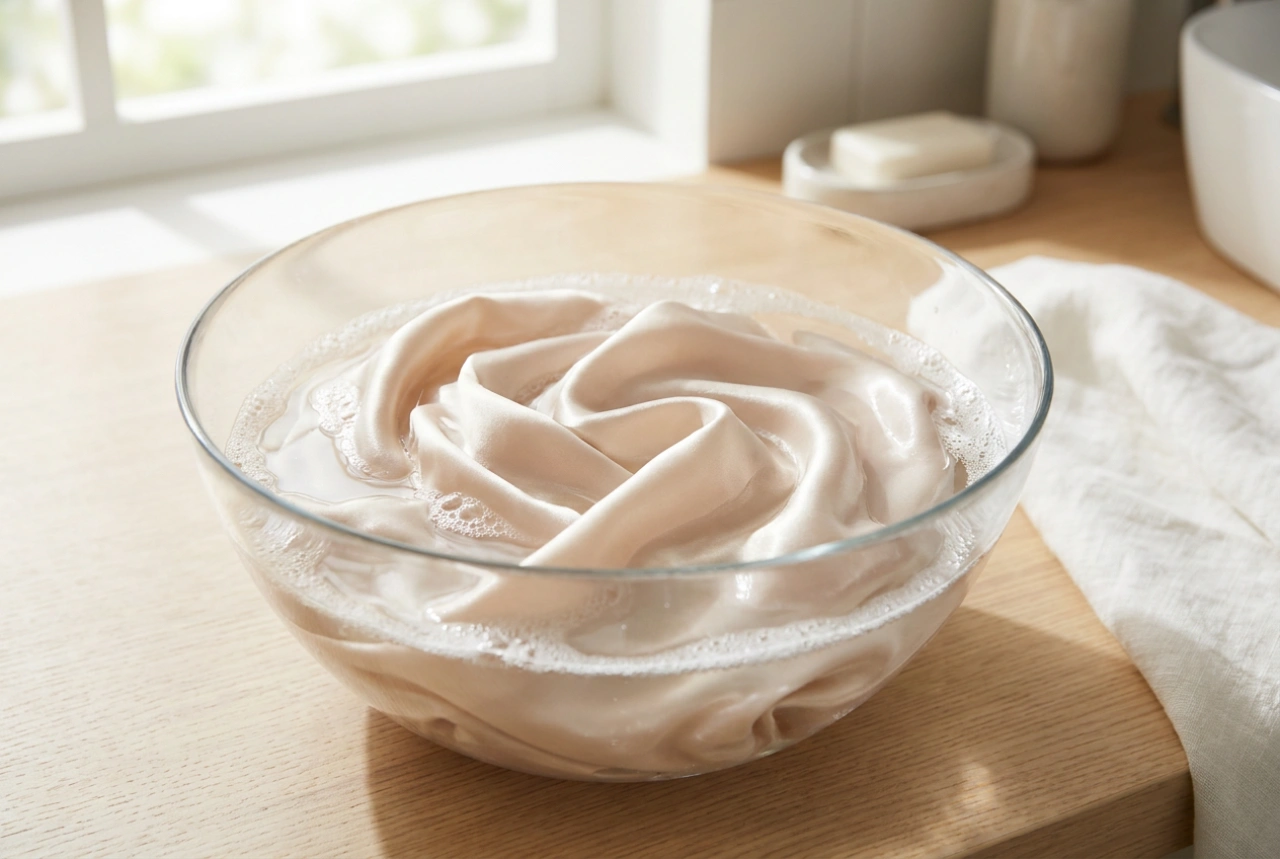
When a blanket is submerged in water, its weight increases exponentially. For instance, natural fibres like wool or cotton can absorb up to three times their weight in water. During a standard washing cycle, the mechanical action of the drum lifting and dropping this heavy, saturated mass puts immense tensile stress on the individual yarns. This stress is what causes physical stretching and structural warping.
To mitigate this mechanical strain, the choice of washing machine cycle is critical. Standard cycles rely on aggressive agitation to dislodge dirt, which pulls at the weakened wet fibres. A delicate or wool cycle, however, utilises a cradle motion—short periods of gentle rotation followed by long pauses. This minimizes friction between the blanket and the drum walls, preventing the fibres from being forced out of their natural alignment.
The Chemistry of Softness: Detergents and Surfactants
Many believe that more detergent equals cleaner, softer blankets. In reality, excess detergent is the primary cause of post-wash stiffness. Standard laundry detergents contain heavy anionic surfactants designed to bind to dirt and carry it away. If not thoroughly rinsed, these surfactants dry within the fabric matrix, forming a microscopic, rigid crust that glues the fibres together, destroying the soft hand-feel.
Furthermore, commercial fabric softeners are often counterproductive for plush or wool blankets. Softeners work by depositing a thin layer of hydrophobic chemicals (typically quaternary ammonium compounds) over the fibres. While this initially feels slick, it flattens the pile, reduces the fabric's breathability, and attracts grease over time. Instead, adding a small amount of household white vinegar to the rinse drawer helps neutralise alkaline detergent residues, allowing the fibres to relax and return to their natural, flexible state without artificial coatings.
Temperature Controls and Fabric Felting
Thermal energy plays a massive role in how fibres behave. Wool fibres are covered in microscopic scales. When exposed to heat (above 30 degrees Celsius) combined with friction, these scales expand, lock together, and contract permanently. This process, known as felting, causes irreversible shrinkage and a dense, rough texture. Synthetic fibres like polyester and acrylic are also heat-sensitive; high temperatures can melt or warp the plastic polymers, leading to a scratchy surface.
To protect both natural and synthetic materials, always select a cold wash or a maximum temperature of 30 degrees Celsius. Maintaining a consistent temperature during both the wash and rinse phases prevents thermal shock, which is another common trigger for fibre contraction and warping.
Optimal Spin Speeds and Water Extraction
While removing excess water is necessary to speed up drying, high-speed spinning is highly destructive to wet blankets. Centrifugal force presses the wet, heavy blanket flat against the drum, stretching the outer edges and compressing the pile. To find the perfect balance, limit the spin speed to a maximum of 600 RPM (revolutions per minute) for wool or delicate synthetics, and 800 RPM for sturdy cotton weaves.
Drying Techniques: Fighting Gravity
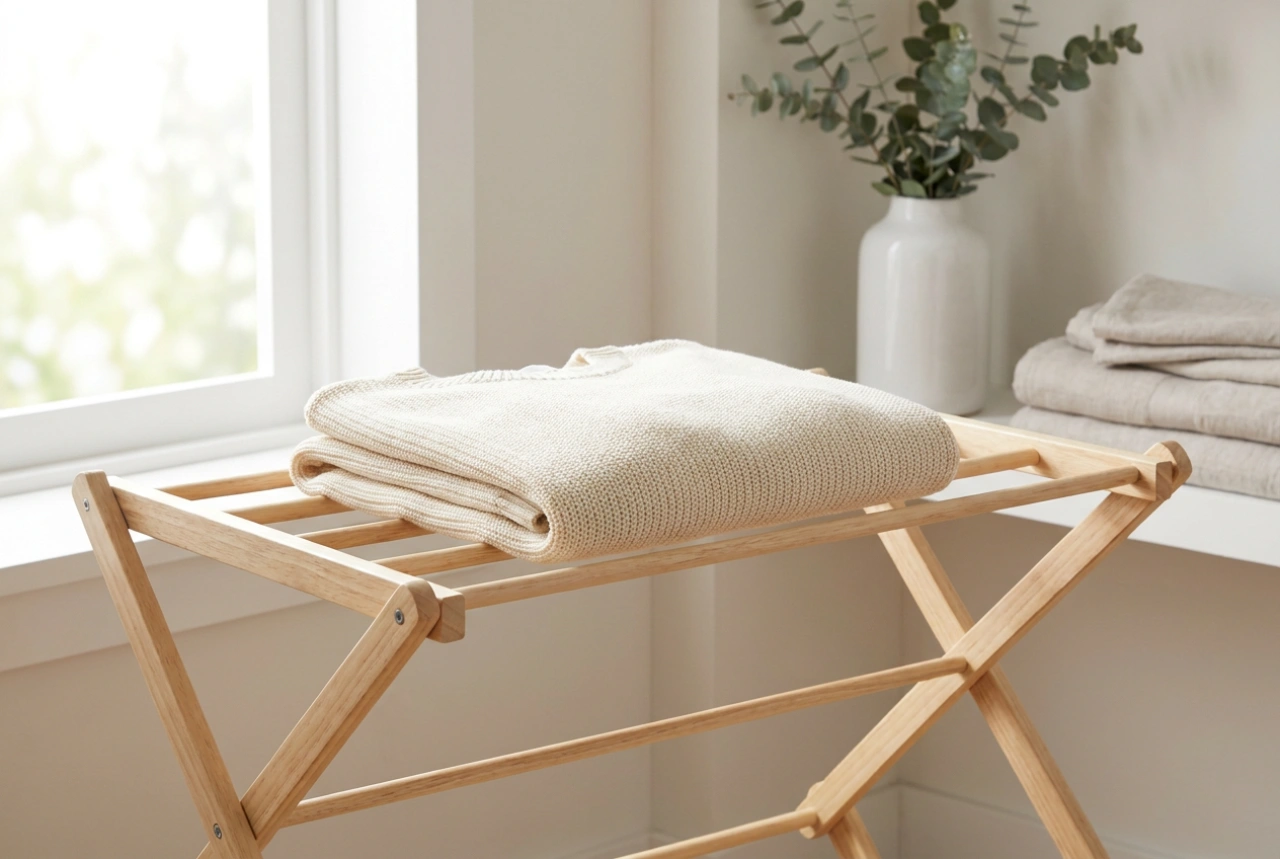
The drying process is just as critical as the wash itself. Hanging a soaking wet blanket on a clothesline is a guarantee for stretching, as the weight of the water pooling at the bottom pulls the top fibres downward. Instead, lay the blanket flat on a clean, dry towel to absorb the bulk of the moisture, gently rolling it up to squeeze (never wring) out the water. Once damp, dry the blanket flat on a drying rack in a well-ventilated room, away from direct heat sources. This allows the fibres to dry in their natural shape, preserving both loft and softness.