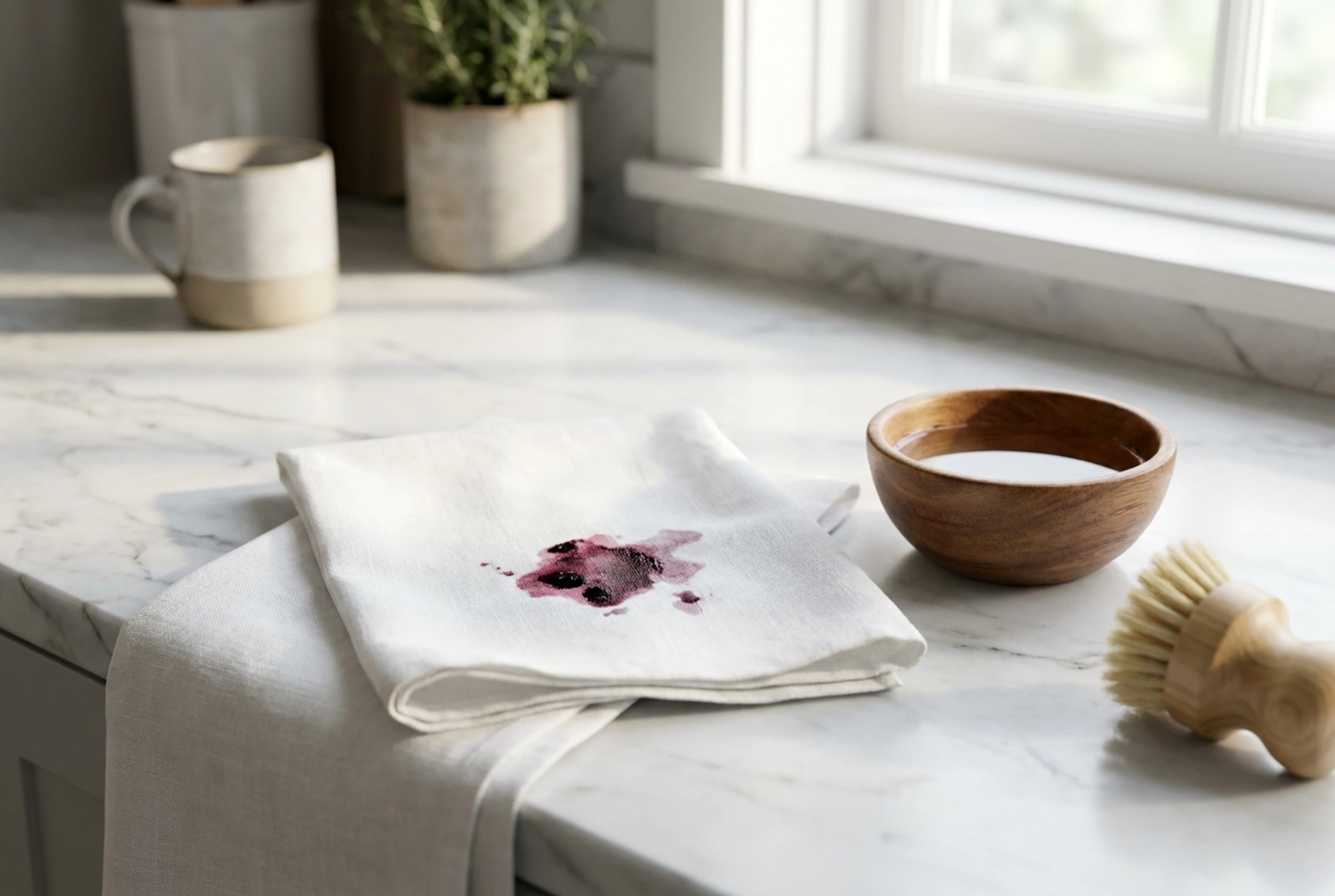


Fresh berry stains can permanently dye fabric due to organic pigments called anthocyanins, which rapidly form strong chemical bonds with natural and synthetic fibers. Acting quickly with the correct temperature and chemical pH sequence is essential to break these molecular bonds before the pigment sets permanently.
The Science of Berry Pigments on Fabrics
Anthocyanins are the water-soluble vacuolar pigments responsible for the deep red, purple, and blue hues in berries. From a chemical perspective, these molecules are highly reactive and behave as natural dyes. When they come into contact with textiles, especially natural polymers like cellulose found in cotton and linen, or proteins found in wool and silk, they establish hydrogen bonds with the fiber surface. Over time, or when exposed to heat, these weak bonds transition into permanent covalent links, making the stain nearly impossible to remove without damaging the textile structure. Additionally, anthocyanins are pH-sensitive, changing color and structural solubility based on acidity or alkalinity. Understanding this chemical behavior allows us to manipulate the environment of the stain to release the pigment from the fibers.
Phase One: Mechanical Flushing with Cold Water
The first and most critical step in berry stain removal is rapid physical displacement. This stage relies heavily on hydrostatic pressure and temperature control to flush out the pigment before chemical reactions can lock it in place.
Why Direction and Temperature Matter
Always flush the stain from the reverse side of the fabric. Placing the stained side directly under running water pushes the anthocyanin molecules deeper into the weave and fiber lumen. By turning the fabric inside out and running cold water through the back of the stain, you use water pressure to push the pigment particles out the way they entered.
It is imperative to use cold water under 30 degrees Celsius during this initial phase. Warm or hot water causes the plant proteins and pectin co-pigments present in the juice to coagulate and bind structurally to the fibers, effectively setting the stain permanently into the material matrix.
The Dabbing Technique
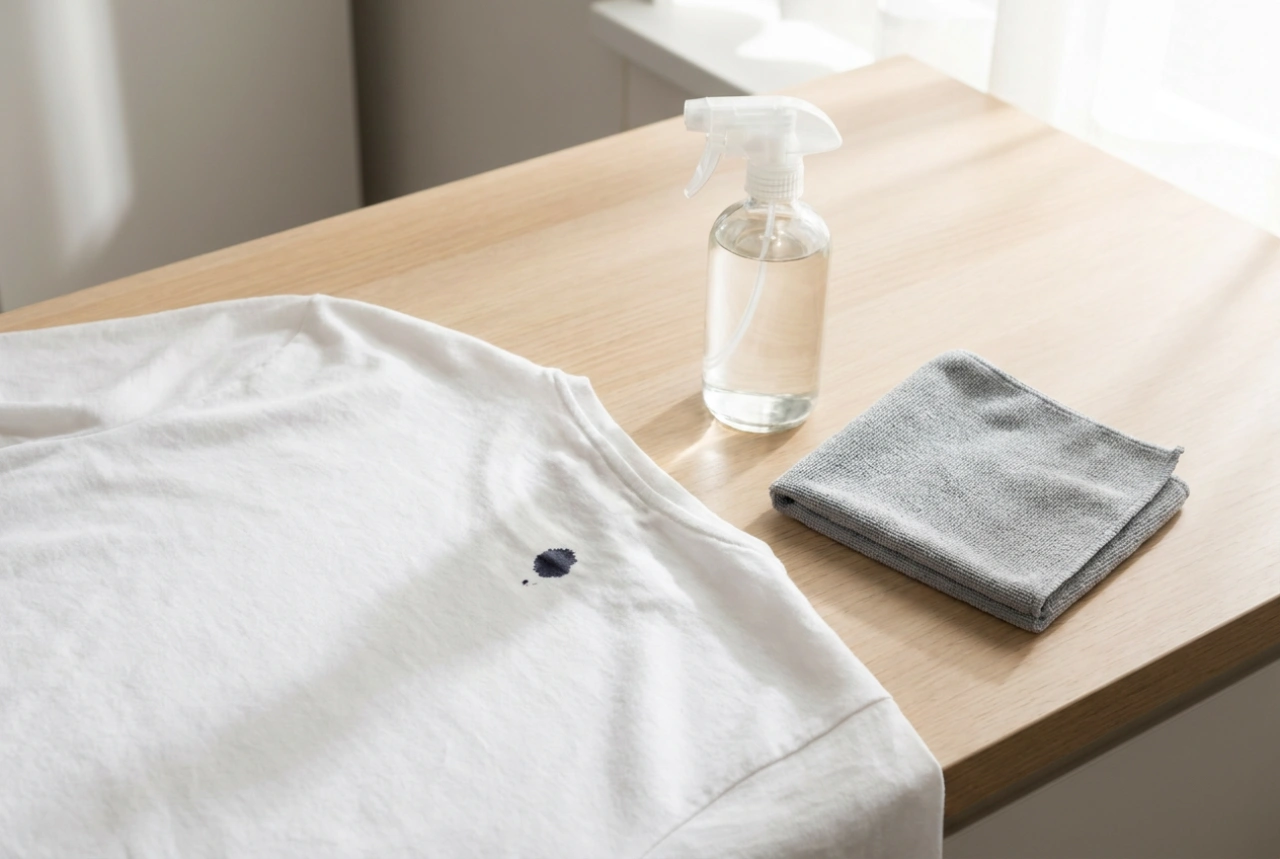
If the garment cannot be placed under a faucet, use a clean, dry, highly absorbent white cloth. Dab the spot gently from the outside edges of the stain toward the center. Never rub or scrub. Rubbing generates localized friction heat and spreads the liquid laterally, increasing the surface area of the stain and forcing the pigment deeper into the microscopic crevices of the yarn.
Phase Two: Acidification to Neutralize Anthocyanins
Once the excess liquid has been flushed, the remaining pigment bound to the fibers must be chemically altered. This is achieved by adjusting the local pH level.
The Role of Acetic and Citric Acids
Applying a mild acid, such as a solution of white vinegar (acetic acid) or diluted citric acid, shifts the pH of the stained area. In an acidic environment, anthocyanins undergo a structural transformation into their flavylium cation form, which is highly soluble in water and significantly less capable of maintaining strong bonds with cellulose or protein fibers. To apply this method successfully:
- Mix one part white vinegar or a five percent citric acid solution with one part cold water.
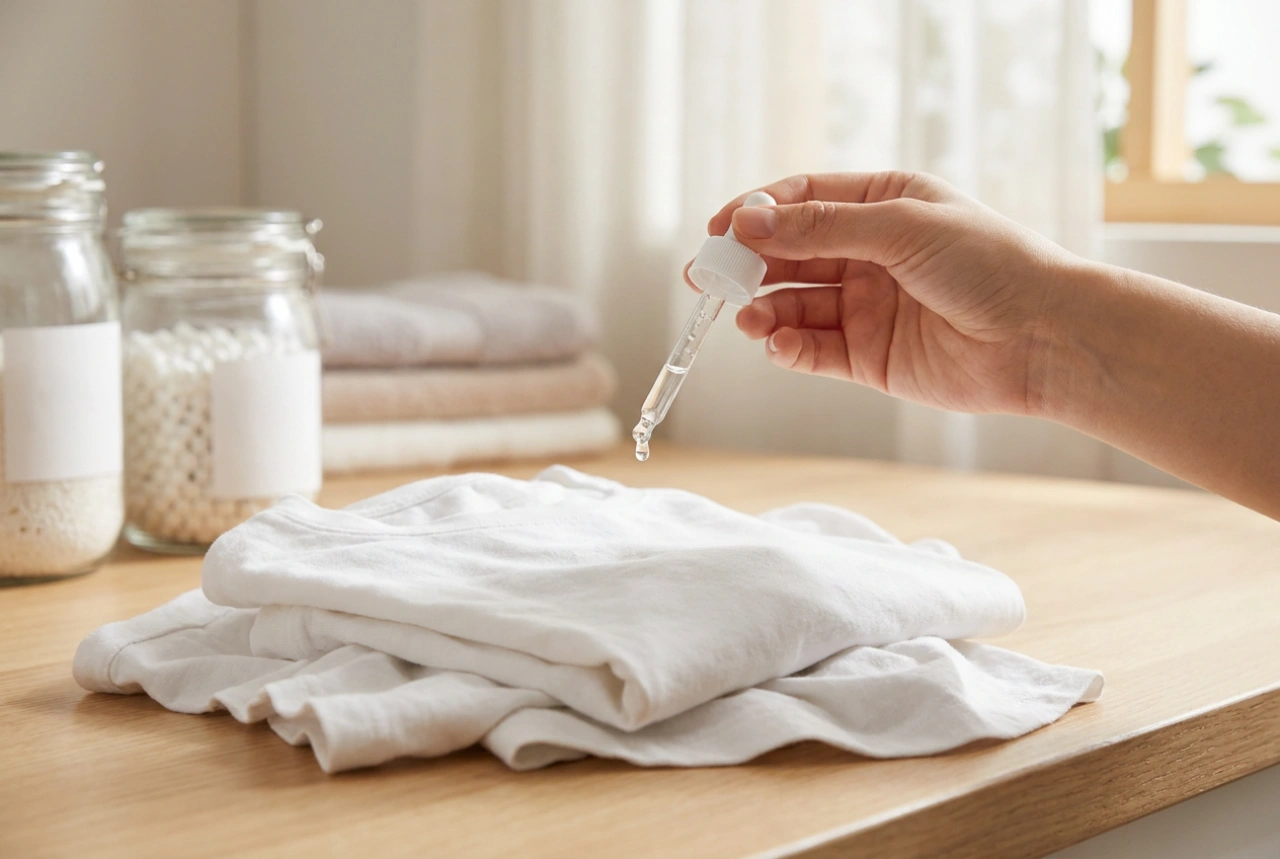
- Saturate the stained area completely using a clean cloth or pipette.
- Allow the acid to react with the pigment for five to ten minutes. You will often observe a color shift, typically turning more vibrant red, which indicates the chemical structure of the pigment is changing.
- Rinse thoroughly with cold water to wash away the newly solubilized pigment molecules.
Phase Three: Targeted Oxidation for Residual Traces
If a faint shadow or discoloration remains after flushing and acidification, a chemical oxidation process is required to break down the remaining chromophores—the specific parts of the pigment molecules responsible for capturing and reflecting light.
Using Oxygen-Based Bleach
Oxygen-based bleach, containing sodium percarbonate, is the ideal agent for this stage. When dissolved in water, sodium percarbonate releases hydrogen peroxide. This active oxygen breaks the double bonds within the organic dye molecules, rendering them colorless and highly soluble.
- Dissolve a small teaspoon of oxygen-based bleach powder in warm water around 40 degrees Celsius, provided the fabric care label permits this temperature.
- Apply the solution directly to the residual shadow. Unlike chlorine-based bleaches, oxygen-based agents do not degrade natural fibers or strip away base colors as aggressively, making them safer for both white and color-fast fabrics.
- Let the solution sit for 15 minutes, then perform a final wash according to the textile's standard care instructions. Do not let the oxygen bleach dry completely on the fabric, as highly concentrated residues can weaken fibers over extended periods.