

Reaching high or awkwardly positioned windows with a telescopic squeegee often results in frustrating streaks and messy drips if the correct physical technique and chemical balance are not applied. Mastering this tool requires understanding the physics of surface tension, the angle of contact, and the proper mechanics of leverage.
The Science of Glass Chemistry and Surfactants
To achieve a streak-free finish, you must understand how water behaves on glass. Glass is not perfectly smooth; at a microscopic level, it contains pores and imperfections that trap mineral deposits and organic dirt. Traditional tap water contains dissolved calcium and magnesium ions which leave behind white spots upon evaporation. Therefore, using demineralised or distilled water as a base for your cleaning solution is highly recommended.
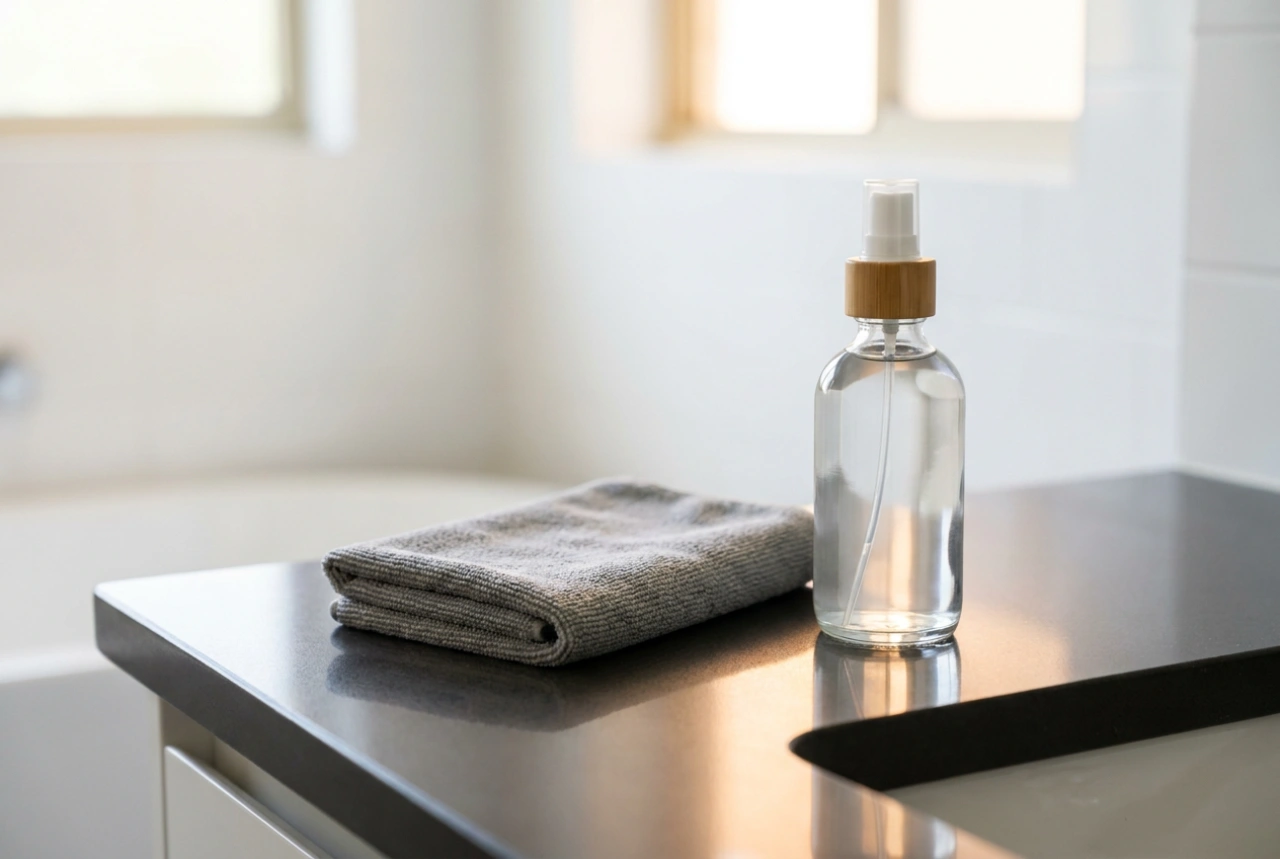
The role of a cleaning agent, or surfactant, is to reduce the surface tension of water, allowing it to wet the glass surface evenly and lift dirt particles. However, using too much detergent is the primary cause of streaks. Excess soap leaves a microscopic sticky residue on the glass that attracts airborne dust immediately after drying. A highly effective, low-residue solution consists of distilled water mixed with a tiny amount of generic dishwashing liquid (just a few drops per litre) and a splash of isopropyl alcohol. Isopropyl alcohol acts as a solvent that dissolves oily residues and accelerates evaporation, leaving no residue behind.
The Physics of Leveraged Angles
Working with an extended pole changes the centre of gravity and reduces your direct control over the squeegee blade. The most common mistake is applying too much physical force, which bends the rubber blade and causes uneven contact with the glass. Instead, rely on consistent, light pressure guided by the angle of the tool.
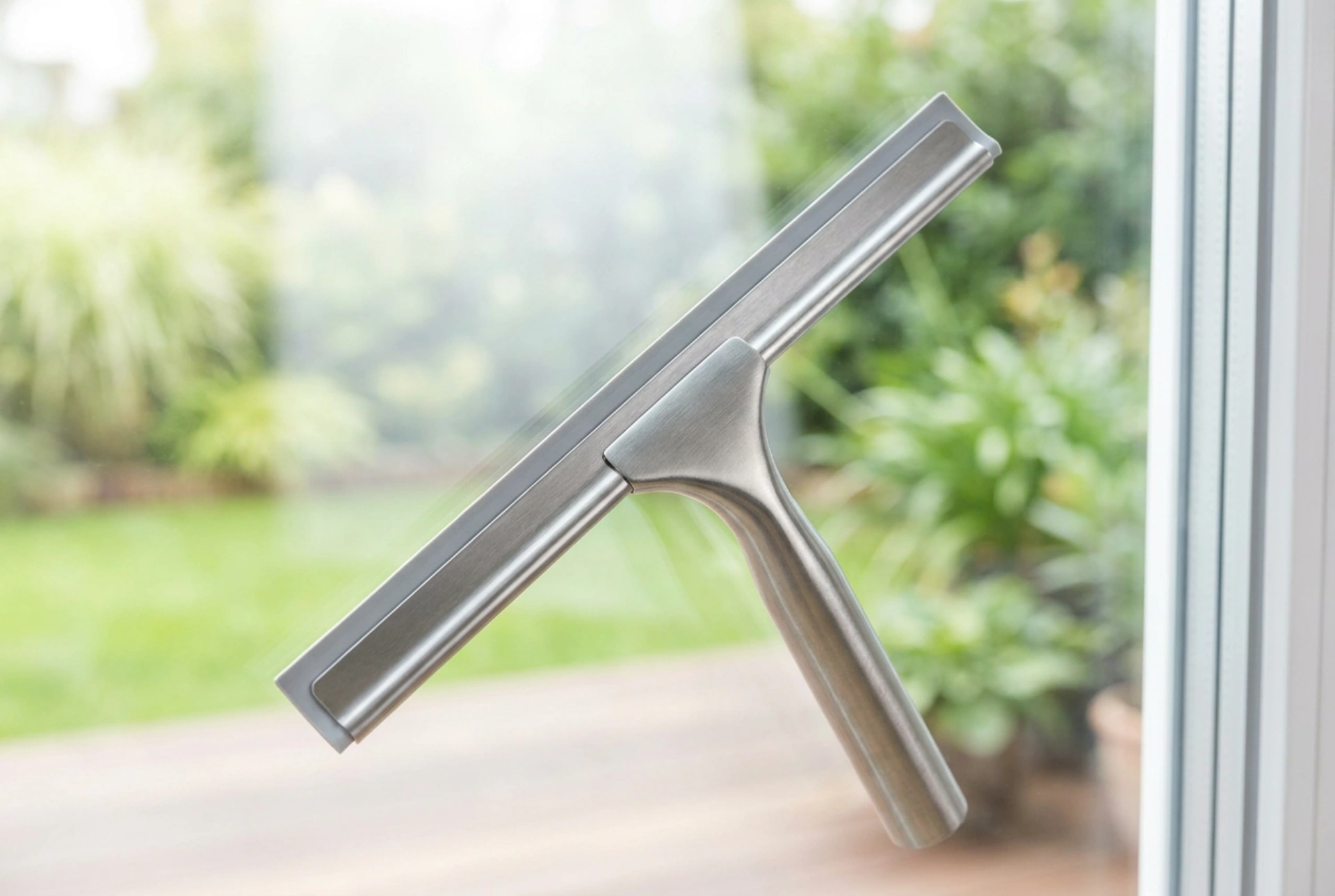
The optimal angle between the rubber blade and the glass pane is approximately 45 degrees. If the angle is too steep (closer to 90 degrees), the rubber will chatter and skip across the glass, leaving horizontal lines of water. If the angle is too shallow (closer to 15 degrees), the metal or plastic frame of the squeegee may scrape the glass, and water will escape over the top of the blade, running down the clean pane. When using a telescopic pole, adjust the pivoting head or adjust your standing distance from the wall to maintain this 45-degree angle throughout the entire stroke.
Step-by-Step Execution: The Straight-Pull Method
While professional window cleaners often use the continuous S-technique on low windows, the straight vertical pull is much more reliable when operating an extended telescopic pole. Follow this precise order of operations:
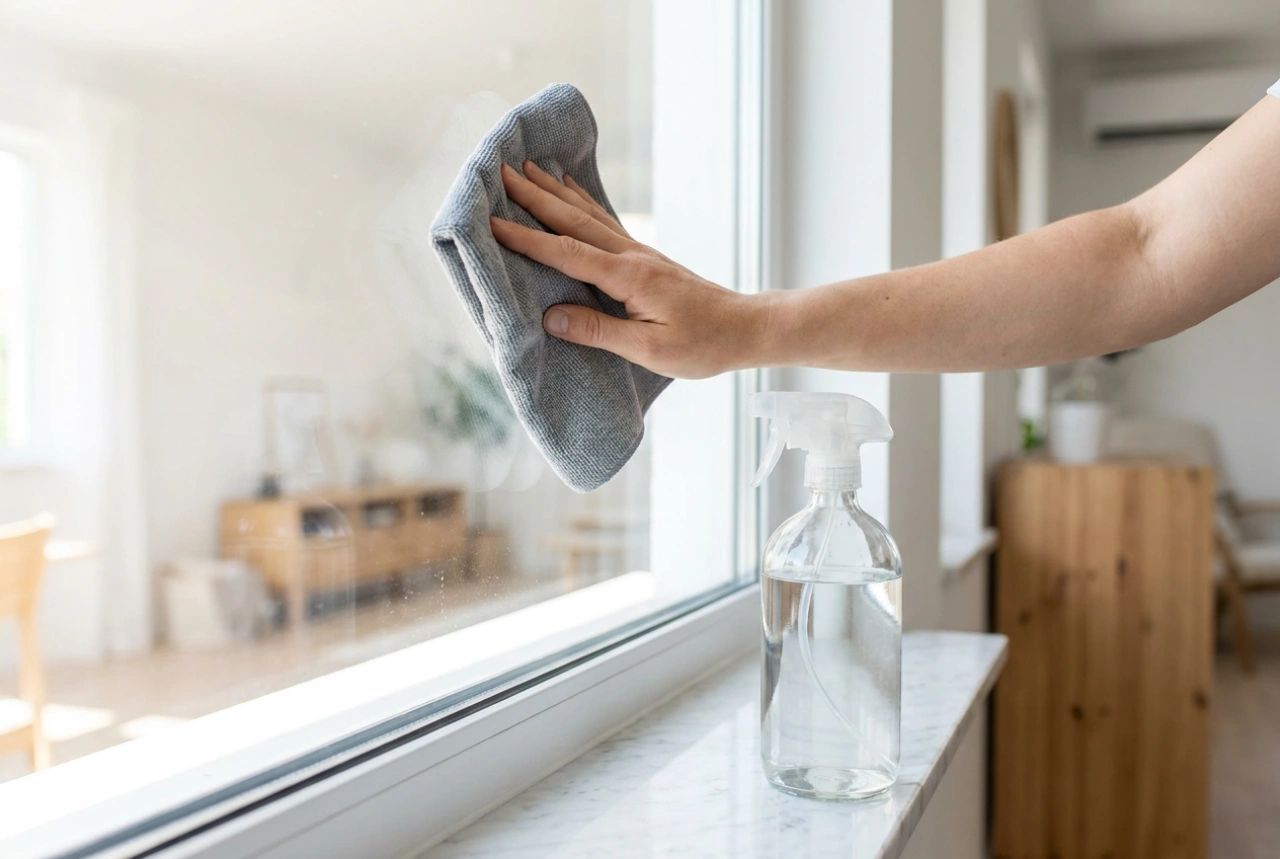
- Pre-wash: Attach the microfiber washer pad to the pole. Soak it in your prepared solution and squeeze out the excess so it is wet but not dripping. Apply the solution to the glass in circular motions, paying special attention to corners where dirt accumulates. Let the solution dwell for 30 seconds to break down organic matter, but do not let it dry.
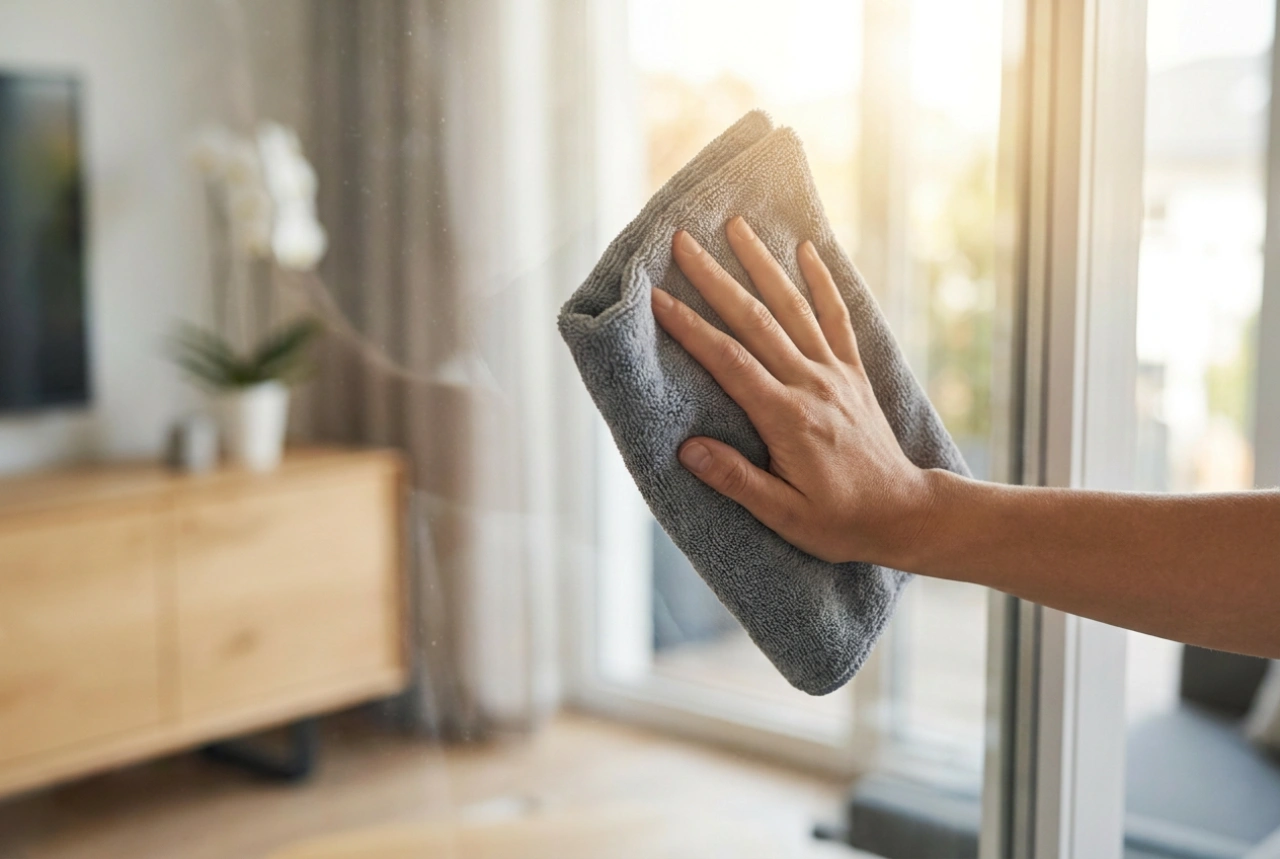
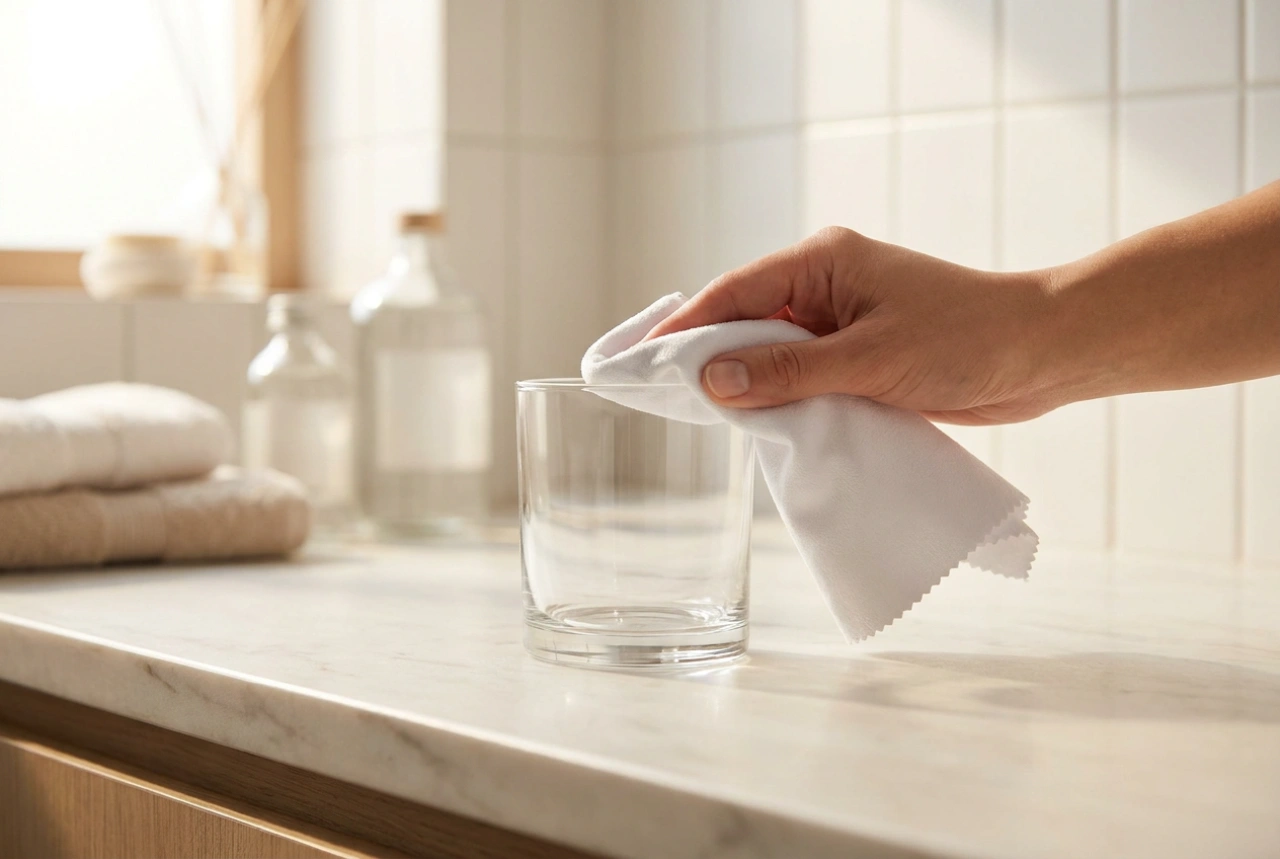
- The dry start: Before placing the squeegee on the glass, wipe the rubber blade completely dry with a clean lint-free microfibre cloth. A wet blade cannot wipe glass dry; it merely pushes water around.
- The first stroke: Place the dry squeegee blade at the very top edge of the window frame. Pull down smoothly and continuously in a straight vertical line. Maintain a steady pace—moving too fast causes water to slip under the blade, while moving too slowly allows the solution to dry prematurely.
- Blade maintenance between strokes: After completing the vertical pull, bring the pole down and wipe the entire length of the rubber blade with your dry microfibre cloth. Wiping the blade after every single pass is non-negotiable for a streak-free result.
- Overlapping passes: Place the squeegee back at the top of the window, overlapping the previously cleaned section by about two to three centimetres. This overlap prevents thin lines of water from escaping between the dry and wet zones. Repeat the process until the entire pane is clear.
Caring for Your Tooling
The rubber blade is the most critical component of your window cleaning kit. Over time, UV radiation, temperature fluctuations, and friction degrade the rubber, making it stiff or nicked. A blade with even a microscopic tear will leave a continuous streak of water. Store your squeegee in a cool, dry place away from direct sunlight, and never rest the tool on its rubber edge, as this will deform the blade. Replace the rubber strip annually or as soon as you notice a decline in pliability and performance.