

Using household disinfectants effectively requires more than a quick spray and immediate wipe. True sanitation depends on chemical reaction times, proper surface preparation, and material compatibility to eliminate pathogens without damaging your home or risking your health.
Understanding the Science of Contact Time
Every disinfectant requires a specific period of wet contact—often called dwell time—to successfully neutralize pathogens. Whether using alcohol-based formulations, quaternary ammonium compounds, or oxygen-based bleaching agents, these chemicals do not instantly kill bacteria and viruses upon contact. Instead, they must physically dissolve the lipid membranes of enveloped viruses or denature the structural proteins of bacteria. If you wipe the surface dry immediately after spraying, you arrest this chemical process mid-way, leaving active pathogens behind.
Alcohol-based disinfectants, typically containing 60% to 80% ethanol or isopropyl alcohol, require the presence of water to facilitate transmembrane protein denaturation. Pure 100% alcohol evaporates too rapidly and coagulates the outer proteins of a cell, creating a protective shield that prevents the alcohol from penetrating deeper. A concentration of 70% provides the optimal balance, slowing evaporation enough to allow the water-alcohol mixture to penetrate the cell wall and destroy the organism from within. Ensure the surface remains visibly wet for at least 30 seconds to one minute when using alcohol-based solutions.
The Order of Operations: Clean Before You Disinfect
Disinfection is not a substitute for cleaning. Applying a disinfectant directly onto a dusty, greasy, or soiled surface significantly reduces its efficacy. Organic matter acts as a physical shield, sheltering microorganisms beneath layers of lipids, proteins, and minerals. Furthermore, organic soil can chemically react with active disinfectant molecules, neutralizing them before they can reach the target pathogens.
To achieve sterile results, always follow a strict order of operations. Begin by applying a surfactant-based cleaner to lift and emulsify oils, dust, and debris. Wipe this layer away and rinse the surface with clean water to remove any soapy residue. Once the surface is clean and dry, apply your disinfectant. Allow the liquid to air-dry completely according to the manufacturer’s specified contact time, which can range from one to ten minutes depending on the active compound.
Material Science: Protecting Your Household Surfaces
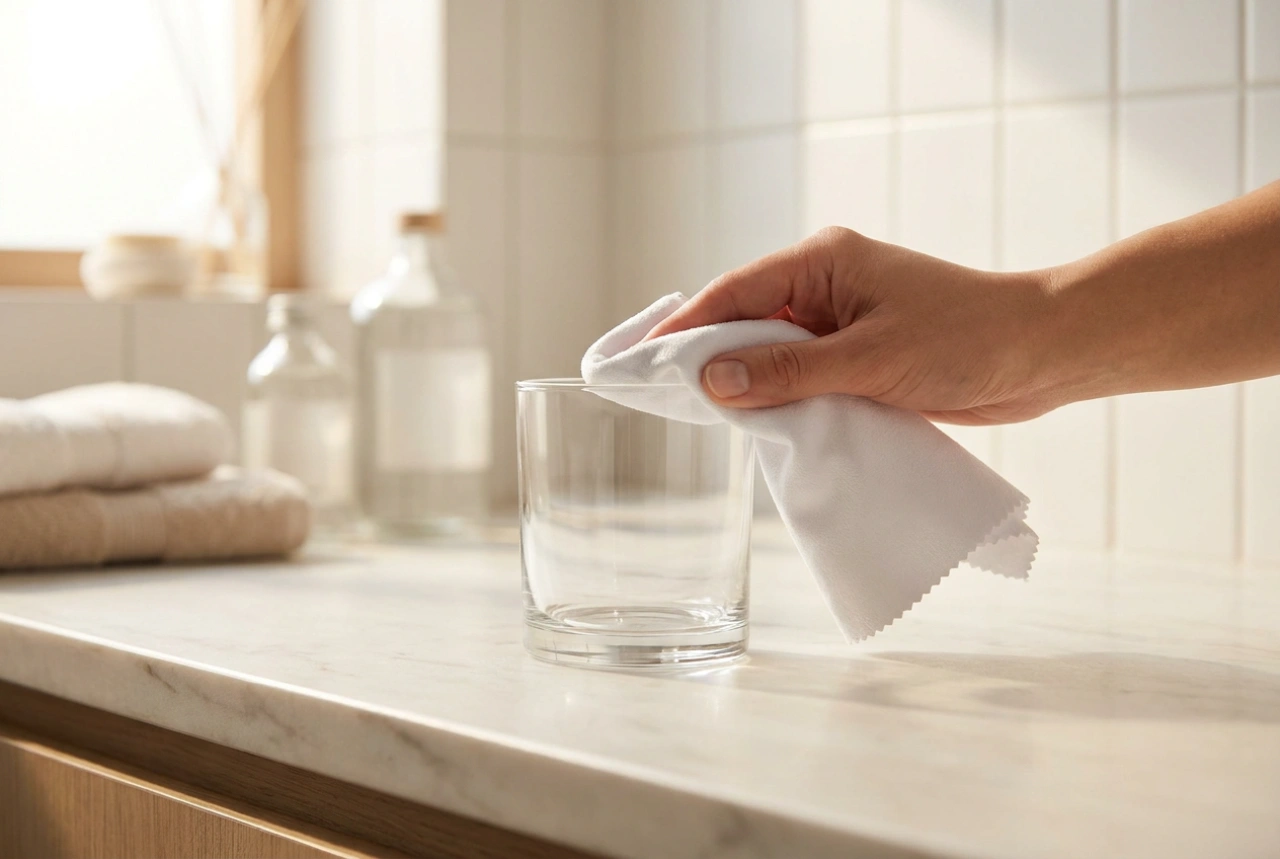
Choosing the correct disinfectant requires matching the chemical properties of the agent to the physical properties of the substrate. Active ingredients that sanitize one material can permanently degrade another. For example, highly acidic or alkaline disinfectants can etch natural stone countertops like marble, granite, or quartz. These minerals are highly sensitive to chemical stripping, which dulls polished finishes and renders the stone porous and susceptible to staining.
Similarly, acrylics, polycarbonates, and varnished wooden surfaces are vulnerable to solvent-based disinfectants like isopropyl alcohol. Alcohol acts as a solvent that can dissolve protective clear coats, swell certain plastics, and cause micro-cracking over time. For delicate polymers and finished woods, opt for mild surfactants or specialized pH-neutral solutions, and always perform a spot test on an inconspicuous area before widespread application.
Crucial Chemical Safety and Ventilation Rules
Using disinfectants safely requires strict adherence to chemical compatibility rules. The most critical household safety rule is never to mix different chemical cleaning agents. Mixing sodium hypochlorite (chlorine bleach) with acidic solutions (such as vinegar or citric acid) releases highly toxic chlorine gas. Mixing bleach with ammonia produces chloramine gas, which causes severe respiratory irritation. Even mixing different commercial disinfectants can result in unexpected, hazardous chemical reactions.
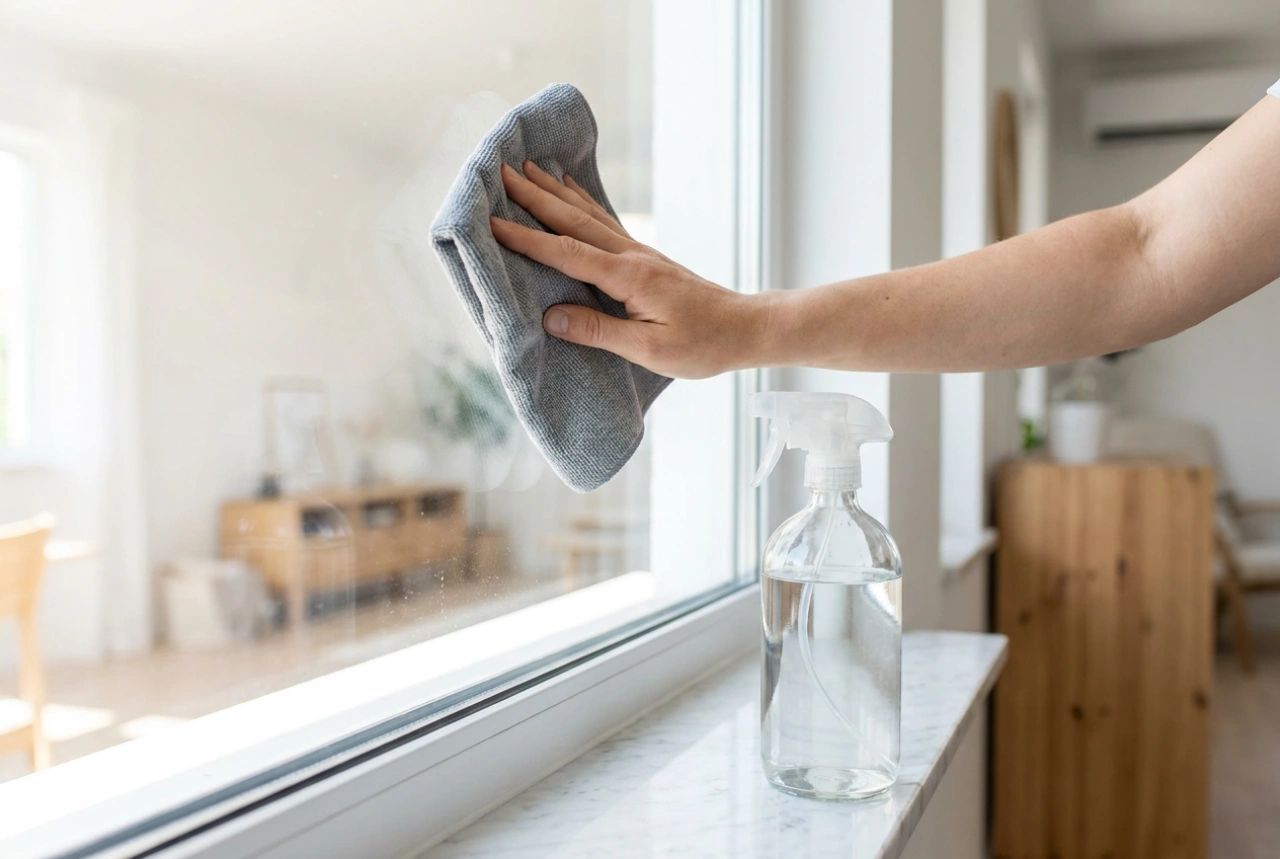
Additionally, always ensure adequate ventilation during and after application. Volatile organic compounds (VOCs) and aerosolized droplets can irritate mucous membranes and the respiratory tract. Open windows, run extraction fans, and apply liquid disinfectants directly to a microfiber cloth rather than spraying them excessively into the air to minimize inhalation risks.