

Integrating a built-in refrigerator with an integrated ice maker into your kitchen design requires meticulous planning of ventilation, structural support, and utility connections. Failing to prepare the installation niche correctly can lead to compromised cooling efficiency, premature compressor failure, or water damage from improper line connections.
Managing Thermal Dynamics: The Crucial Ventilation Channel
A refrigerator operates by transferring heat from its interior to the surrounding environment. In a built-in configuration, this heat can easily become trapped, forcing the compressor to run continuously. To prevent this thermal buildup, you must establish a continuous convective airflow loop.
Cool air must be drawn in from the room, typically through a dedicated ventilation grille in the cabinet plinth (requiring a minimum cross-section of 200 square centimetres). This air travels underneath the appliance, rises along the condenser coils at the rear, and escapes through an upper vent at the top of the cabinet enclosure. Ensure there is a gap of at least 50 millimetres between the back of the refrigerator and the wall. Without this unobstructed chimney effect, the compressor's operating temperature will rise, significantly increasing energy consumption and accelerating the degradation of insulating seals.
Water Line Integration and Pressure Parameters
An automatic ice maker requires a dedicated cold water connection. Unlike freestanding units, built-in models do not allow easy access to the rear once installed, meaning utility placement must be strategically planned beforehand.
- Shut-off Valve Accessibility: Never position the water shut-off valve directly behind the refrigerator. If a leak occurs, you must be able to cut the water supply instantly without moving a heavy, integrated appliance. Place the valve in an adjacent cabinet (such as under the sink) or in an easily accessible service panel.
- Water Pressure and Filtration: Most ice makers operate efficiently within a pressure range of 1.4 to 5.5 bar. Excessively high pressure can rupture internal solenoid valves, while low pressure results in incomplete ice molds or sluggish harvesting. If your home water system exceeds 5.5 bar, integrate a pressure-reducing valve. Additionally, allocate space in the adjacent cabinet for an inline sediment and chemical filter to protect the internal valves from scale build-up.
- Pipe Material: Opt for high-durability copper or braided stainless steel hoses rather than standard plastic tubing, which can become brittle over time due to the ambient heat generated by the compressor.
Structural Integrity and Alignment of the Cabinet Niche
Built-in refrigerators are heavy, and when fully loaded with food, water, and ice, their weight can exceed 150 kilograms. The cabinetry floor and the kitchen subfloor must be perfectly level and capable of supporting this concentrated load without sagging.
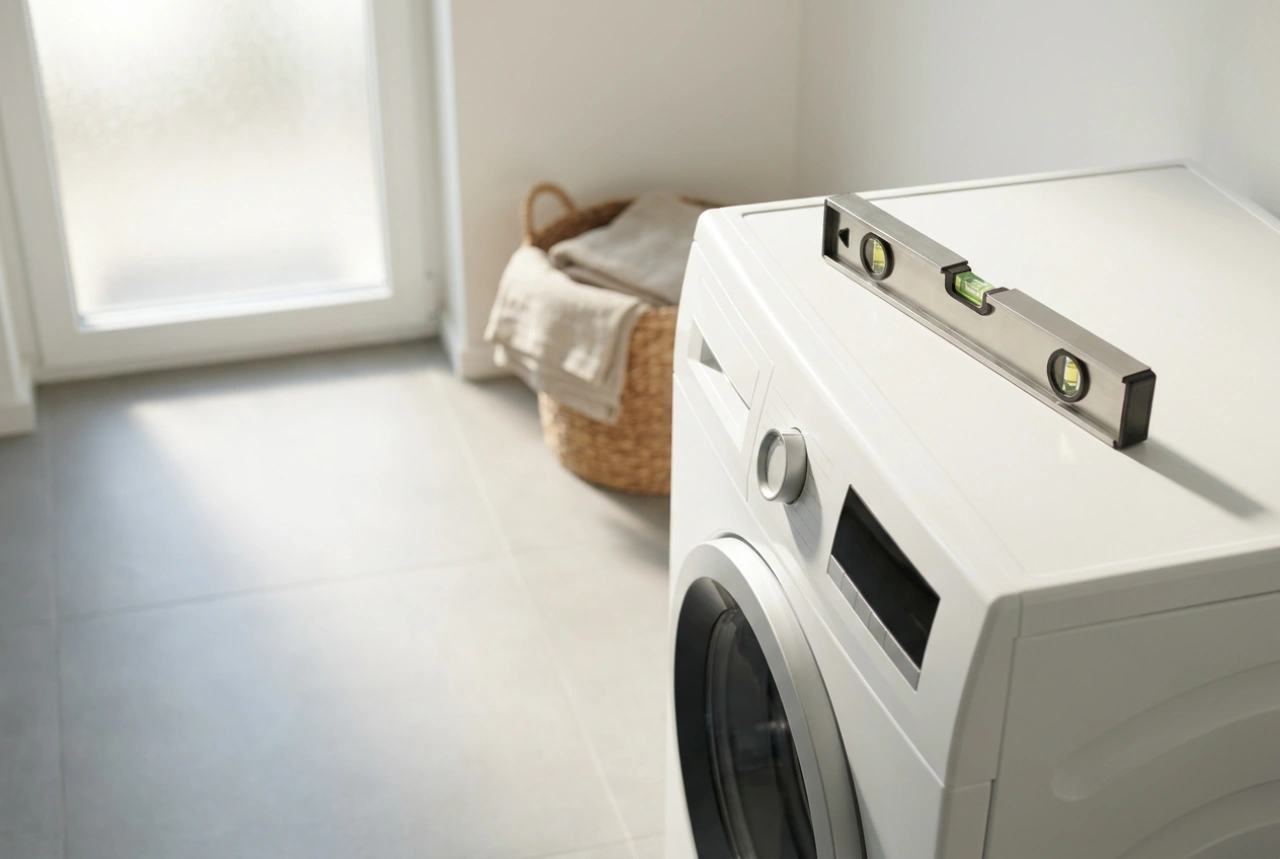
Use a high-precision spirit level to check the niche floor in both directions. Any slope will distort the appliance chassis, causing the heavy, insulated doors to misalign. This misalignment prevents the magnetic gaskets from sealing perfectly, leading to warm air infiltration, frost accumulation around the ice maker, and excessive energy consumption. When calculating niche depth, account for the door hinge mechanics. Built-in units utilize either a sliding sleeve system or a fixed door-on-door bracket; ensure the cabinet side panels do not obstruct the required swing clearance of the external furniture front.
Electrical Outlet Placement and Safety Clearance
To ensure safety and ease of maintenance, the electrical socket should be situated in an adjacent cabinet or above the refrigerator housing, rather than directly behind it. The high-powered compressor and condenser generate considerable heat, and placing a plug connection in this hot, confined space increases fire risks. Furthermore, if you ever need to cut power to the appliance for maintenance or defrosting, accessing a socket located behind a fully integrated unit is exceptionally difficult. Ensure the circuit is properly earthed and matches the specific amperage rating specified by the manufacturer.