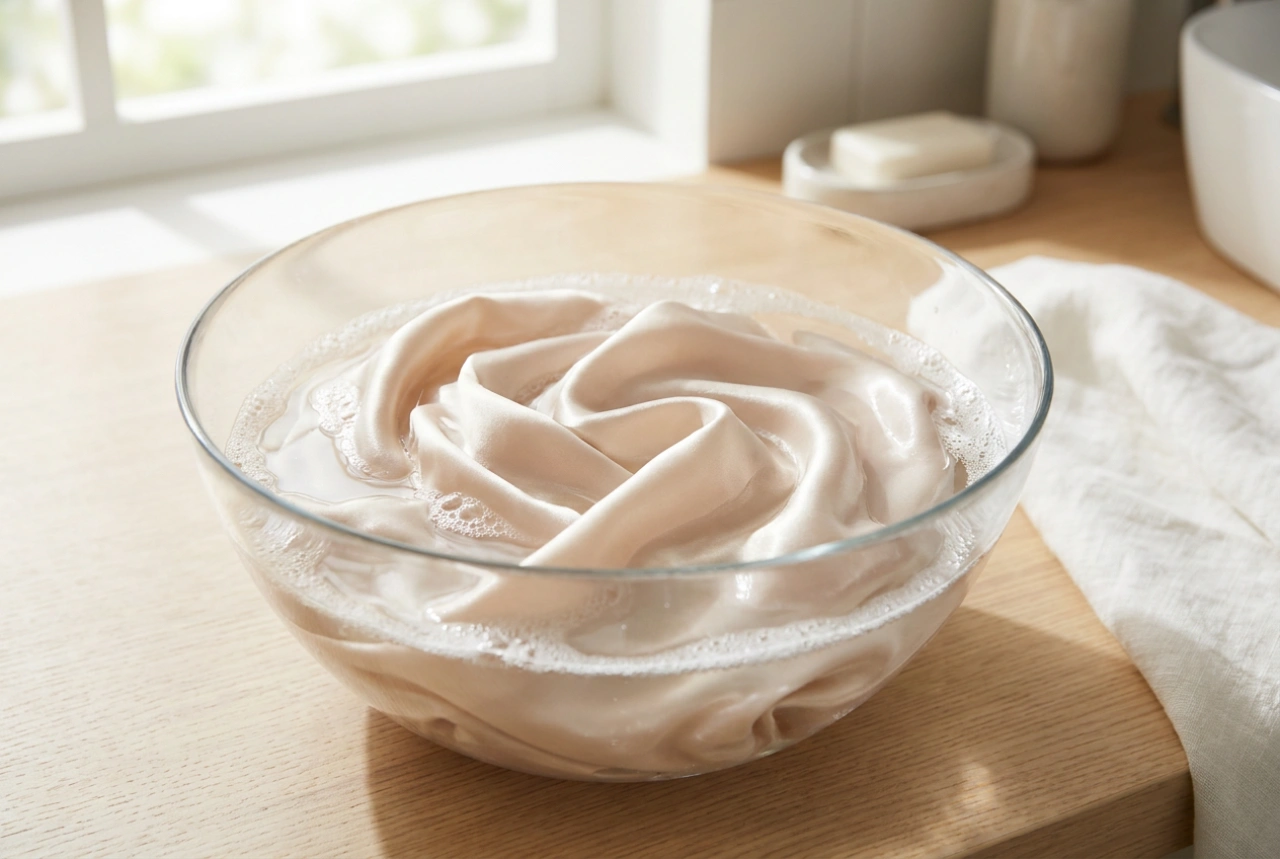


Understanding the chemical interactions between liquid detergents, water temperature, and textile fibers is key to preventing premature fading and color bleeding. By choosing the right laundry formulation and washing parameters, you can preserve the original vibrance of your garments at a molecular level.
The Chemistry of Dye Bleeding
Fabric dyes are attached to textile fibers via various chemical bonds, ranging from weak hydrogen bonds and van der Waals forces to stronger covalent bonds, depending on the material. Cotton, wool, and synthetic fabrics hold dyes differently. When these textiles are immersed in water, thermal energy and mechanical agitation weaken these bonds. Water acts as a polar solvent, causing fibers like cotton to swell, which eases the release of loosely bound dye molecules into the wash water. Once suspended, these free-floating dyes can easily redeposit onto lighter fabrics, causing permanent discoloration and muddying the overall brightness of your clothes.
Dye Transfer Inhibitors: The Molecular Scavengers
The primary defense mechanism in dedicated color laundry detergents is the inclusion of Dye Transfer Inhibitors (DTIs). The most common DTI is a water-soluble polymer known as polyvinylpyrrolidone (PVP). When dye molecules escape from a fabric into the wash water, PVP molecules quickly attract and bind to them. This binding occurs because the polymer chain contains chemical groups that mimic the structure of the fibers the dyes are naturally drawn to. By encapsulating the loose dye molecules in a chemical embrace, DTIs prevent them from settling back onto other garments. Instead, the trapped dyes remain suspended in the water and are safely flushed away during the rinse cycle.
How Cellulase Enzymes Restore Visual Vibrancy
Often, a faded garment has not actually lost its dye; rather, its surface has degraded. Wear and mechanical friction in the washing machine cause microscopic cotton fibers to break, creating a fine fuzz (micro-fibrils) on the fabric surface. These tiny fibers scatter light in all directions, making the fabric appear dull, greyish, and washed out. Color detergents frequently contain cellulase enzymes. Cellulase specifically targets and hydrolyses the damaged cellulose fibers on the surface of cotton yarns. By cleanly shearing off these microscopic micro-fibrils, the enzyme restores a perfectly smooth surface. This allows light to reflect evenly off the fabric, instantly making the underlying colors appear rich and vibrant once again.
pH Balance and Surfactant Action
Unlike heavy-duty powder detergents, which often have a highly alkaline pH to tackle tough organic stains, color liquid detergents are formulated to be closer to neutral (typically between pH 7 and 8.5). High alkalinity causes natural fibers to swell excessively, which accelerates the hydrolysis of dye-fiber bonds. By keeping the pH moderately neutral, color detergents clean effectively without compromising fiber structure. Additionally, these liquids utilize a balanced blend of anionic and non-ionic surfactants. Surfactants lower the surface tension of water, allowing it to penetrate fibers and lift hydrophobic soils (like oils and sweat) without exerting the harsh chemical pull that can strip weakly bonded dye pigments.
Optimal Washing Techniques for Color Preservation
Maximising the efficiency of your color-care detergent requires precise laundry habits:
- Control the Temperature: Wash colorful garments at 30°C or 40°C. Lower temperatures provide less thermal energy to disrupt the bonds holding dyes to fibers.
- Reduce Mechanical Friction: Turn garments inside out before washing to protect the outer face of the fabric from direct friction against other clothes and the washing drum.
- Sort by Weight and Color: Do not wash heavy denim with delicate cottons, as the heavy fabrics cause severe abrasive wear that leads to fiber damage and color dulling.
- Select Gentle Spin Cycles: Lower spin speeds (800 to 1000 RPM) reduce mechanical stress on wet fibers, preventing the micro-cracks that dull fabric appearance.