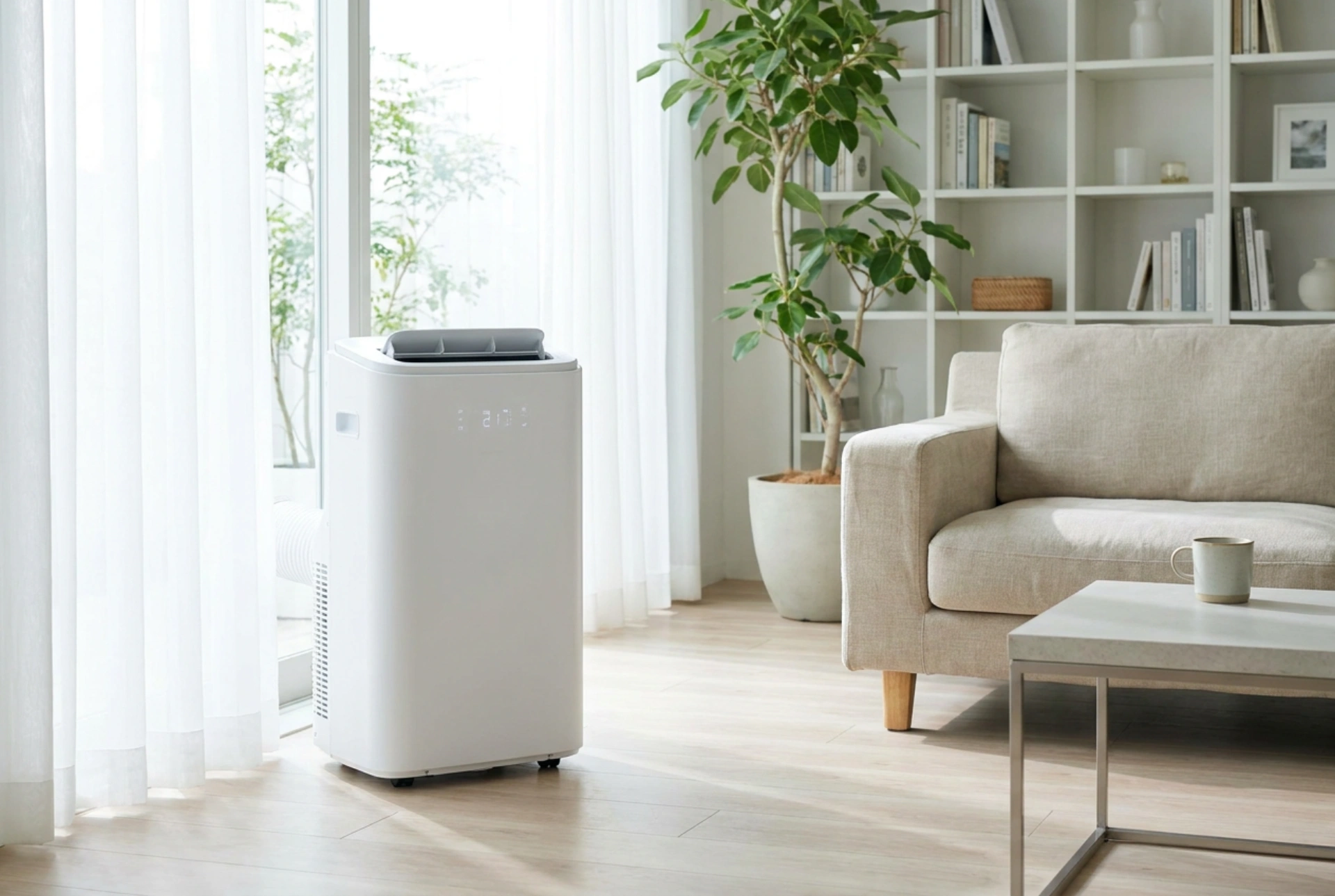


Operating a portable air conditioner during a severe heatwave requires more than just plugging it in; it requires managing thermodynamics, pressure differentials, and thermal insulation to keep your living space genuinely cool.
The Thermodynamics of Portable Cooling
Portable air conditioners operate on the same vapour-compression refrigeration cycle as built-in systems, utilising a refrigerant to absorb heat from indoor air and reject it outdoors. However, single-duct portable units present a unique thermodynamic challenge: they extract hot air from the room to cool the condenser coils and blow this exhausted hot air outside through a flexible hose. This process creates a continuous negative pressure zone inside the room. Consequently, warm ambient air from uncooled areas of the home, or hot air from outside through microscopic gaps around windows and doors, is drawn into the room to equalise the pressure. Recognising this pressure dynamic is essential for understanding why simply turning on the machine is not enough to achieve optimal thermal comfort.
Mastering the Exhaust Hose and Window Seal
To counter negative pressure and prevent hot air from re-entering, the exhaust installation must be airtight. Standard fabric window seals are highly effective, but they must be tensioned and zipped tightly around the exhaust nozzle.
- Minimise Hose Length: Keep the exhaust hose as short and straight as possible. Every additional centimetre of extended plastic hose acts as an uninsulated radiator, transferring heat back into the room you are trying to cool.
- Thermal Insulation: Wrap the exhaust hose in a reflective, insulated sleeve. The exterior surface temperature of an uninsulated exhaust hose can easily exceed forty degrees Celsius, radiating significant infrared heat back into your living space.
- Eliminate Gaps: Use closed-cell foam weather stripping or temporary non-destructive caulking around the window frame to block outdoor air infiltration.
Managing Thermal Mass and Solar Gain
Cooling air is relatively easy because of its low specific heat capacity; however, cooling the solid objects in your home—walls, floors, and furniture—requires much more thermal energy. This is known as thermal mass. During a heatwave, run your portable air conditioner early in the morning when the ambient outdoor temperature is at its lowest. This pre-cools the physical structure of the apartment, preventing the walls and furniture from absorbing heat throughout the day. Additionally, block direct solar radiation. When sunlight hits glass windows, it enters the room and heats internal surfaces via the greenhouse effect. Use heavy, light-coloured curtains or external thermal blinds to reflect this solar energy before it can warm up your indoor environment.
Maintaining the Refrigerant and Heat-Exchange System
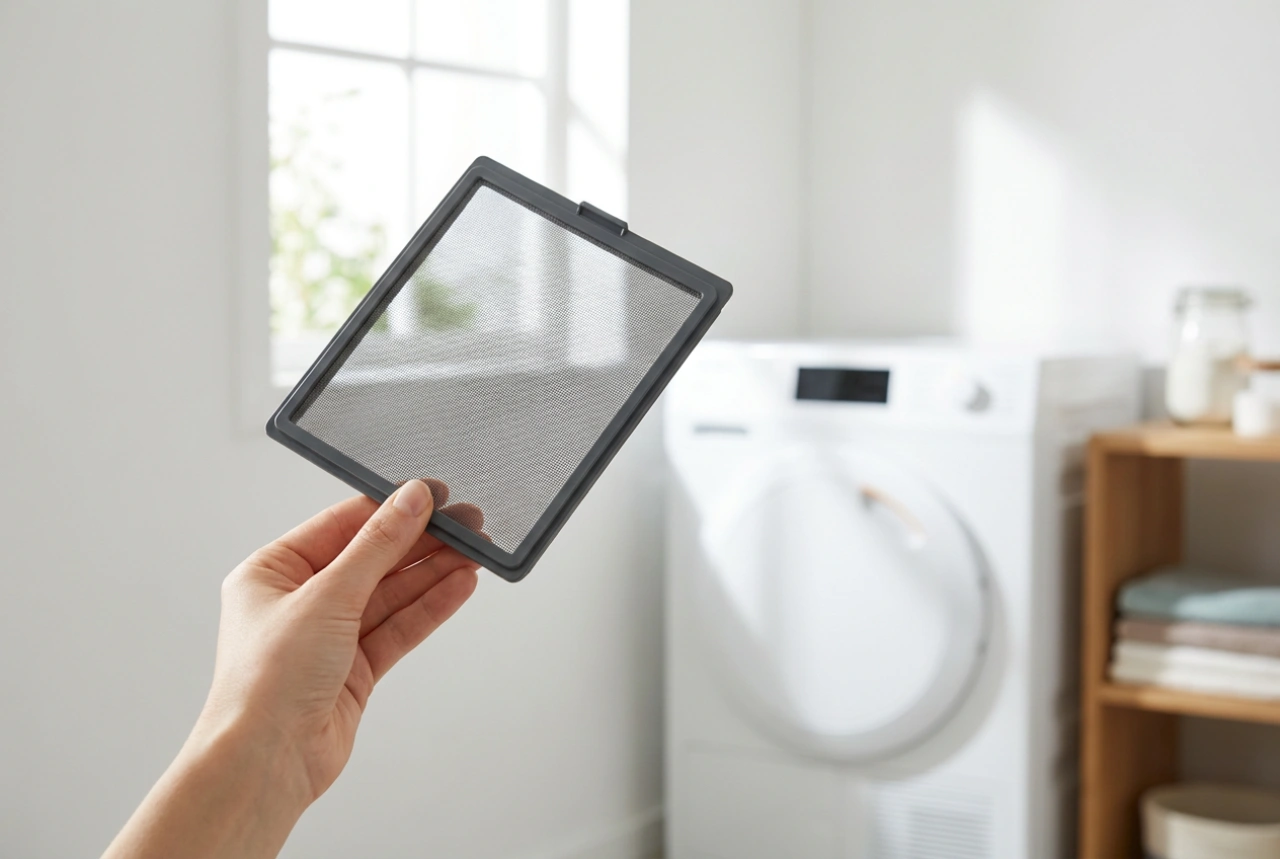
Airflow is critical for heat exchange. If airflow is restricted, the evaporator coils can drop below freezing, leading to ice accumulation and a complete loss of cooling capacity. Regularly wash the air intake filters with warm water and a neutral detergent to remove dust and particulate matter. Let them dry completely before reinserting. Furthermore, pay attention to condensate management. Portable units extract moisture from the air to lower relative humidity, which enhances human sweat evaporation and perceived comfort. Ensure the internal condensation tank is drained regularly, or set up a gravity drain line if your system supports it, preventing the unit from shutting down automatically when the reservoir is full during high-humidity periods.