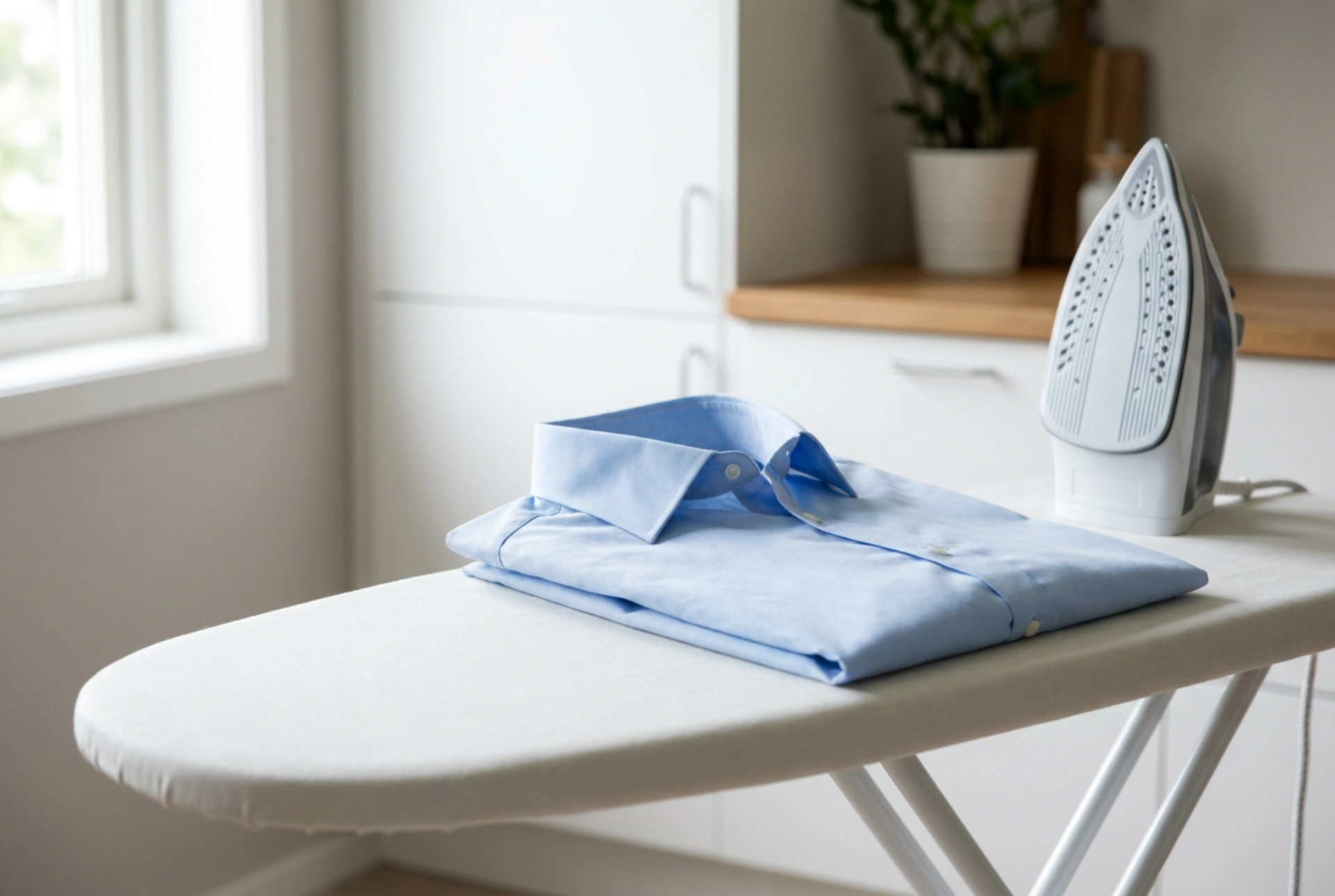


Active ironing boards revolutionize home garment care by utilizing controlled airflow to manipulate fabric temperature and moisture. Understanding when to deploy the inflation function—which creates a protective cushion of air—is the key to achieving professional results on delicate and structured textiles without risking structural damage. This dynamic process shifts the focus of garment care from raw physical force to thermodynamic manipulation.
The Physics Behind Active Ironing: Suction vs. Inflation
Standard ironing relies on three variables: heat, moisture, and physical pressure. While this combination works well for sturdy fabrics like linen and heavy cotton, it can be destructive to delicate materials. Active ironing boards introduce a fourth variable: controlled airflow, which operates in two distinct modes: suction and inflation.
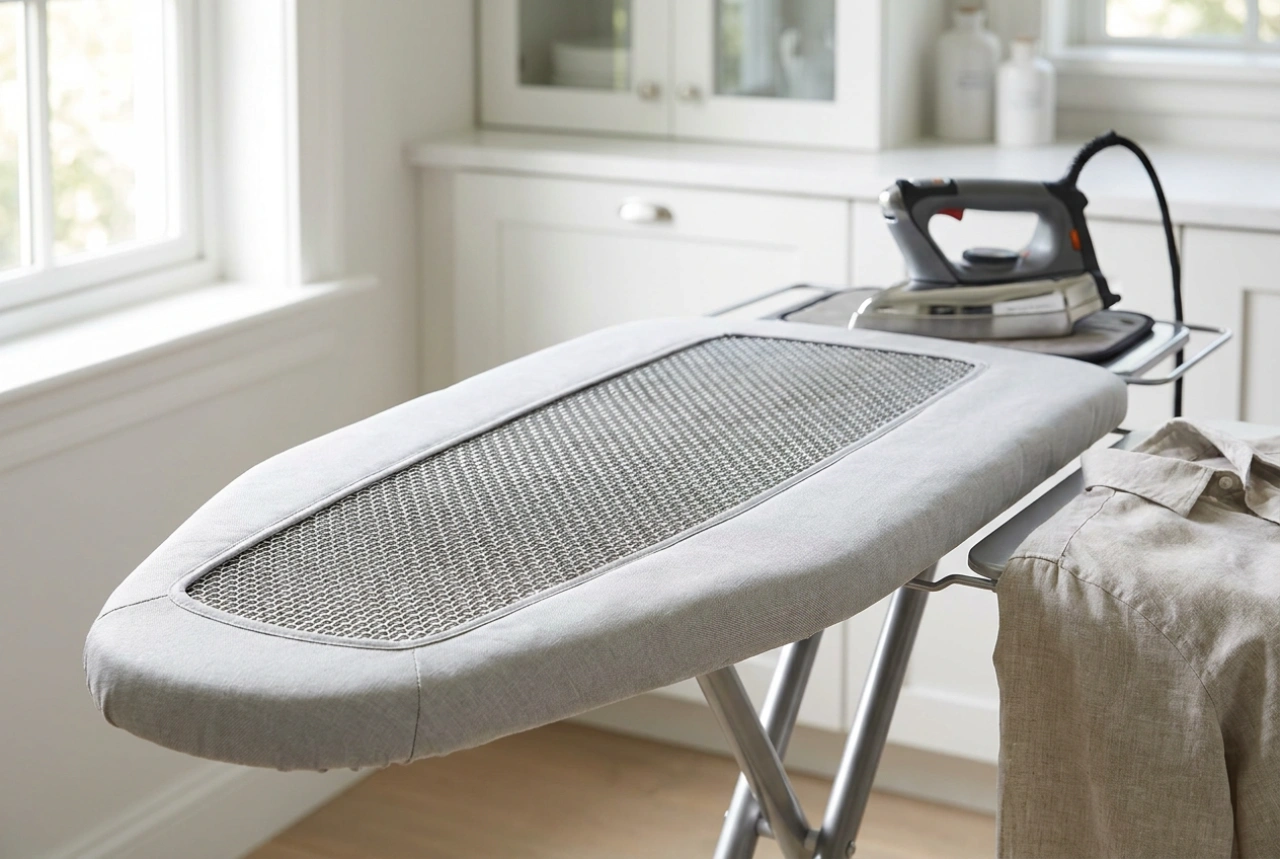
The suction mode pulls air and steam downward through the garment and the board's mesh surface. This anchors the fabric in place, prevents slipping, and rapidly draws away moisture to set sharp creases. Conversely, the inflation mode reverses the airflow, pushing air upward through the board's cover to inflate the fabric. This upward pressure creates a friction-free air cushion, lifting the garment slightly away from the board. When using this mode, the mechanical pressure of the iron is neutralized, allowing the heat and steam to relax the fibers without compressing them against a hard surface.
Why the Inflation Function is Essential for Delicate Fibers
When you iron pile fabrics such as velvet, corduroy, or brushed wool on a standard board, the weight of the iron flattens the vertical fibers. This flattening results in a permanent, unsightly shine and destroys the natural loft and texture of the material. By activating the inflation function, you suspend the fabric on a bed of air. The steam penetrates the fibers from below and above, relaxing the molecular bonds within the polymer chains of the textile. Because there is no hard backing, the pile remains upright, preserving the fabric's soft hand and depth of color.
Similarly, delicate synthetics and silk benefit immensely from this technique. Silk fibers are highly sensitive to friction and localized heat, which can cause the threads to shift or glaze. The air cushion allows the iron to glide effortlessly with minimal physical contact, relying on the temperature of the steam rather than the mechanical force of the soleplate to release wrinkles.
Preventing Seam Impressions and Shine Marks
One of the most common challenges in garment care is the transfer of internal seam allowances, pockets, and darts to the exterior face of the clothing. When you press a lined jacket, trousers, or a structured dress on a traditional board, the extra thickness of the internal seam creates localized high-pressure zones under the iron. This leaves distinct, shiny outlines on the right side of the fabric.
Using the inflation function eliminates this issue entirely. As the board cover inflates, the garment drape is rounded out. The air pressure pushes the face fabric away from the inner seams. When the iron glides over the inflated surface, it only touches the topmost layer of the fabric, leaving the underlying seams untouched. This technique is indispensable for finishing wool trousers, blazers, and delicate knitwear where seamless uniformity is required.
How to Apply the Technique: A Step-by-Step Guide
- Select the correct mode: Switch your active ironing board to the inflation setting before beginning. The board cover should billow upward gently.
- Position the garment: Lay the clothing flat over the inflated surface. You will notice the fabric floating slightly above the metal frame.
- Adjust the iron height: Hold your steam iron slightly above the fabric or let it skim the surface with zero downward pressure. Let the steam do the work of breaking the temporary hydrogen bonds in the fibers.
- Utilize the cooling effect: Once the wrinkles disappear, briefly switch the board to suction mode if your system supports manual toggling, or simply allow the ambient air from the inflation fan to cool the fabric. Cooling the fibers while they are flat sets them in their new, smooth shape, preventing immediate re-wrinkling.