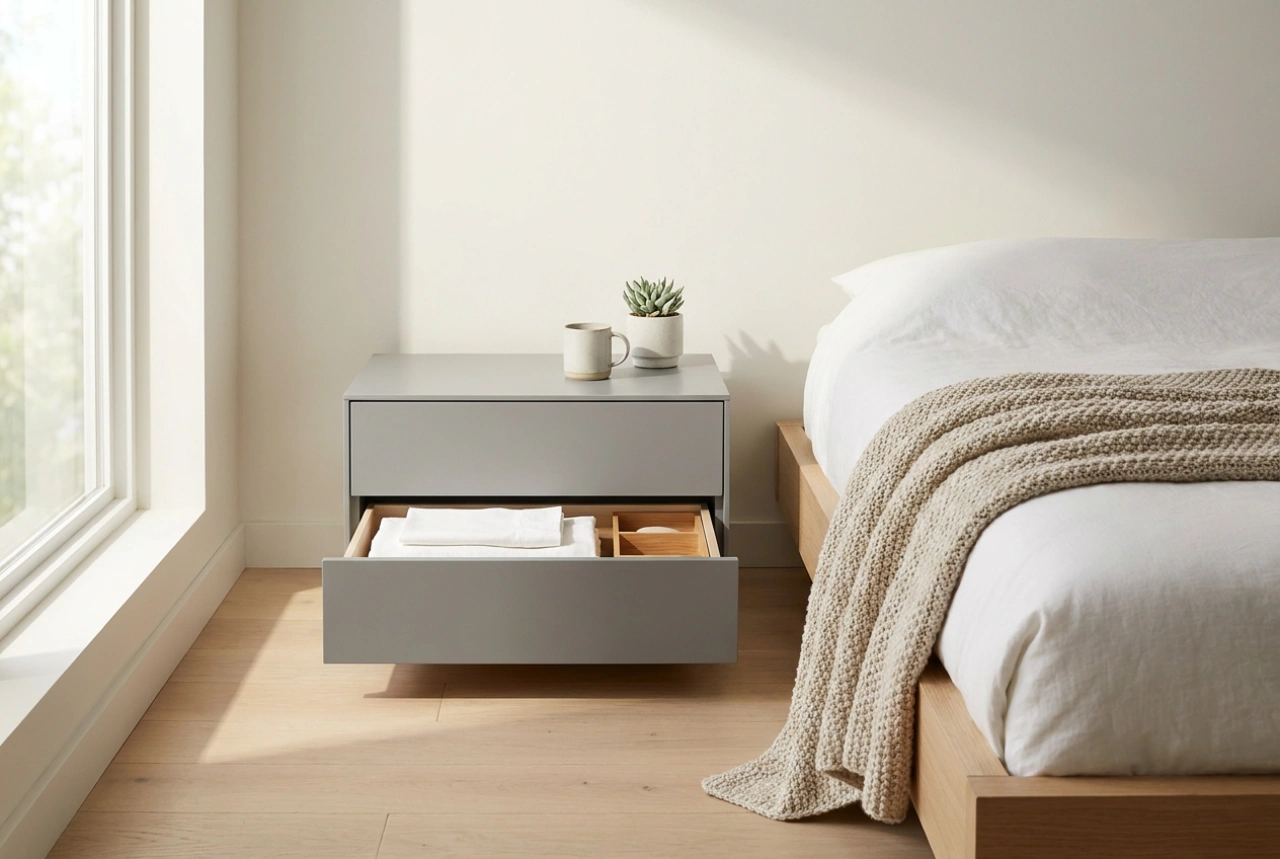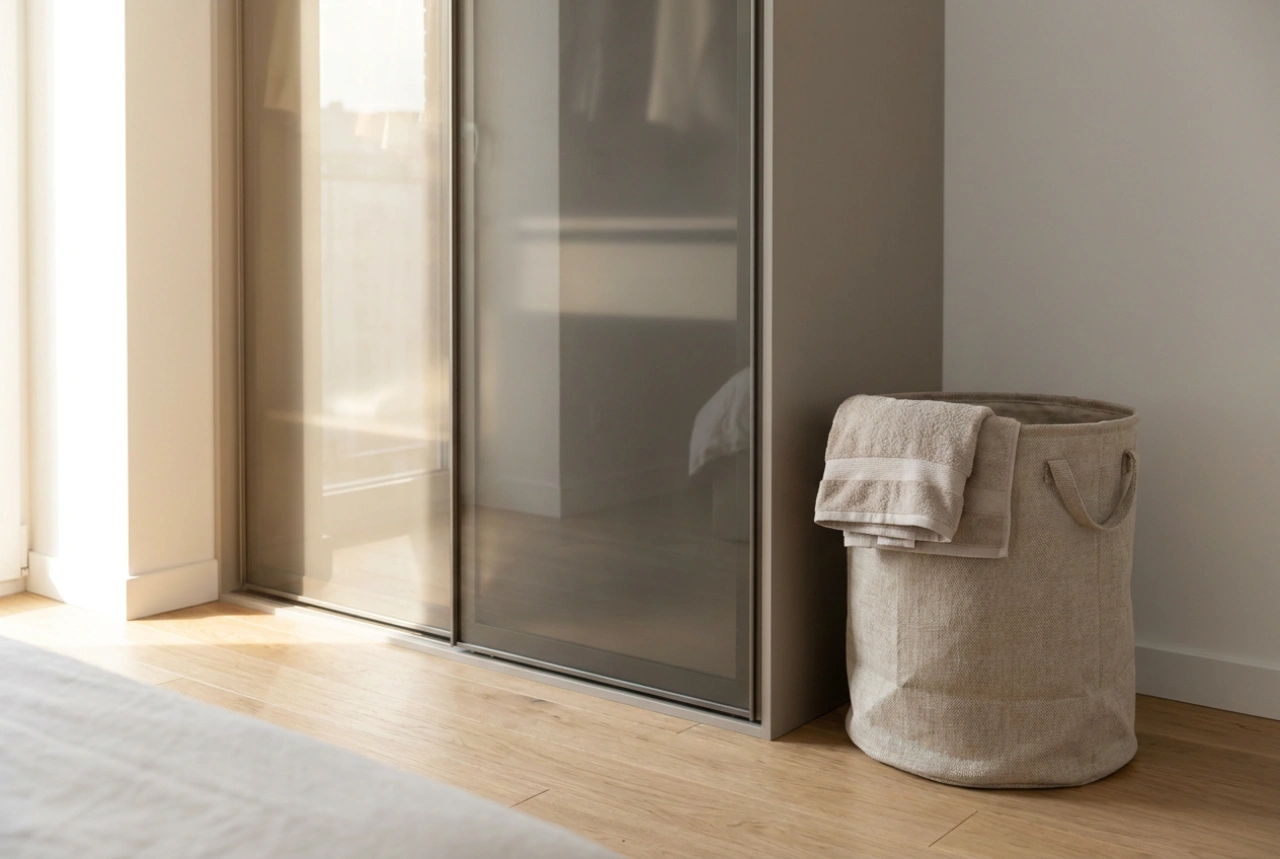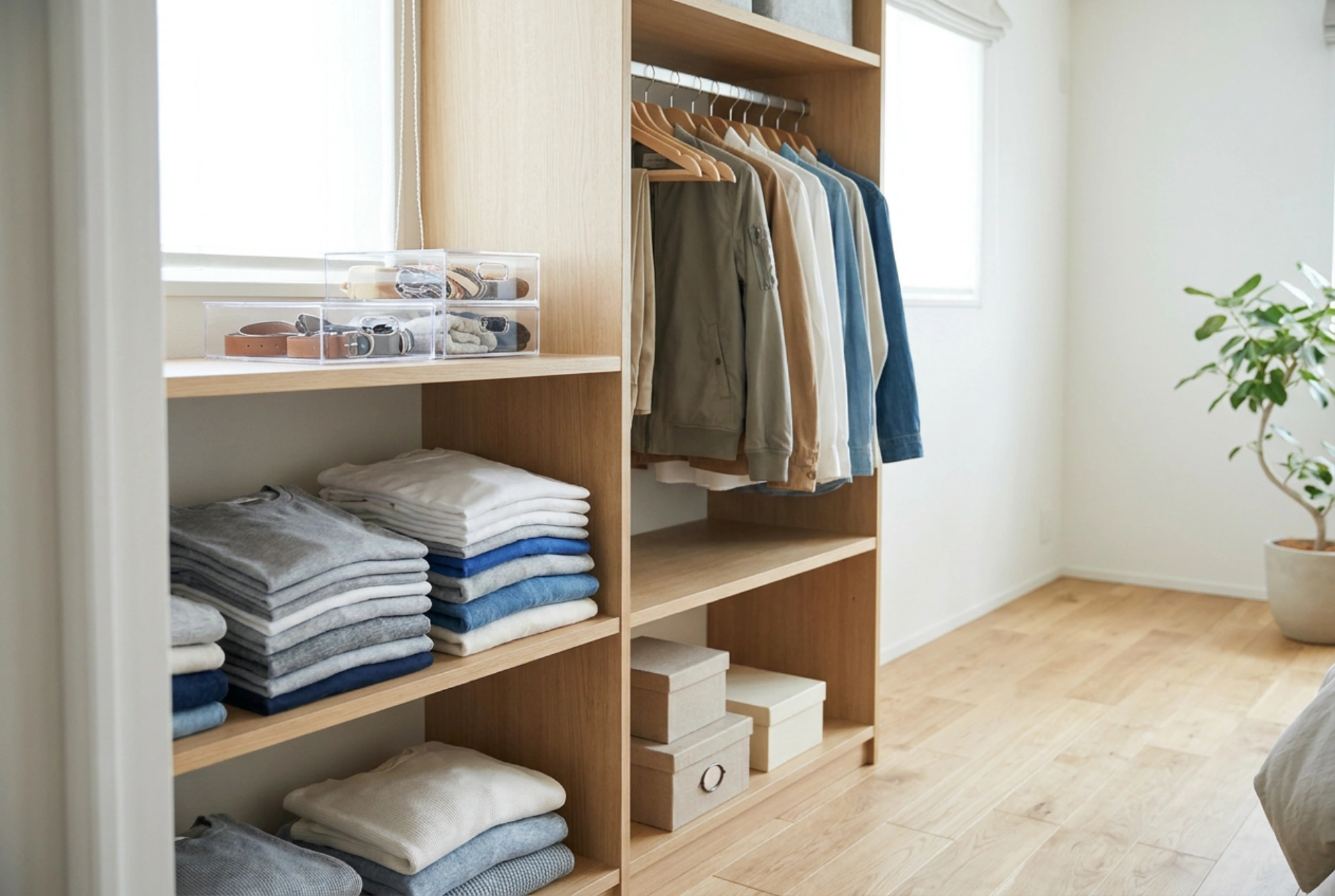


Sustaining order in a teenager's wardrobe is less about instilling strict discipline and more about reducing the physical friction of putting things away. By applying basic principles of ergonomics, motion economy, and material science, you can design a closet system that naturally encourages tidiness through low-effort habits.
The Physics of Friction: Designing for Low-Effort Retrieval
Every additional step required to store an item increases the likelihood of it being left on the floor. Traditional wardrobes with heavy doors, deep drawers, and tight lids create high physical friction. To counter this, transition to an open or semi-open storage model. Replacing standard drawers with smooth-gliding wire baskets or open wooden cubbies reduces the action of putting away a clean shirt to a single, fluid motion.
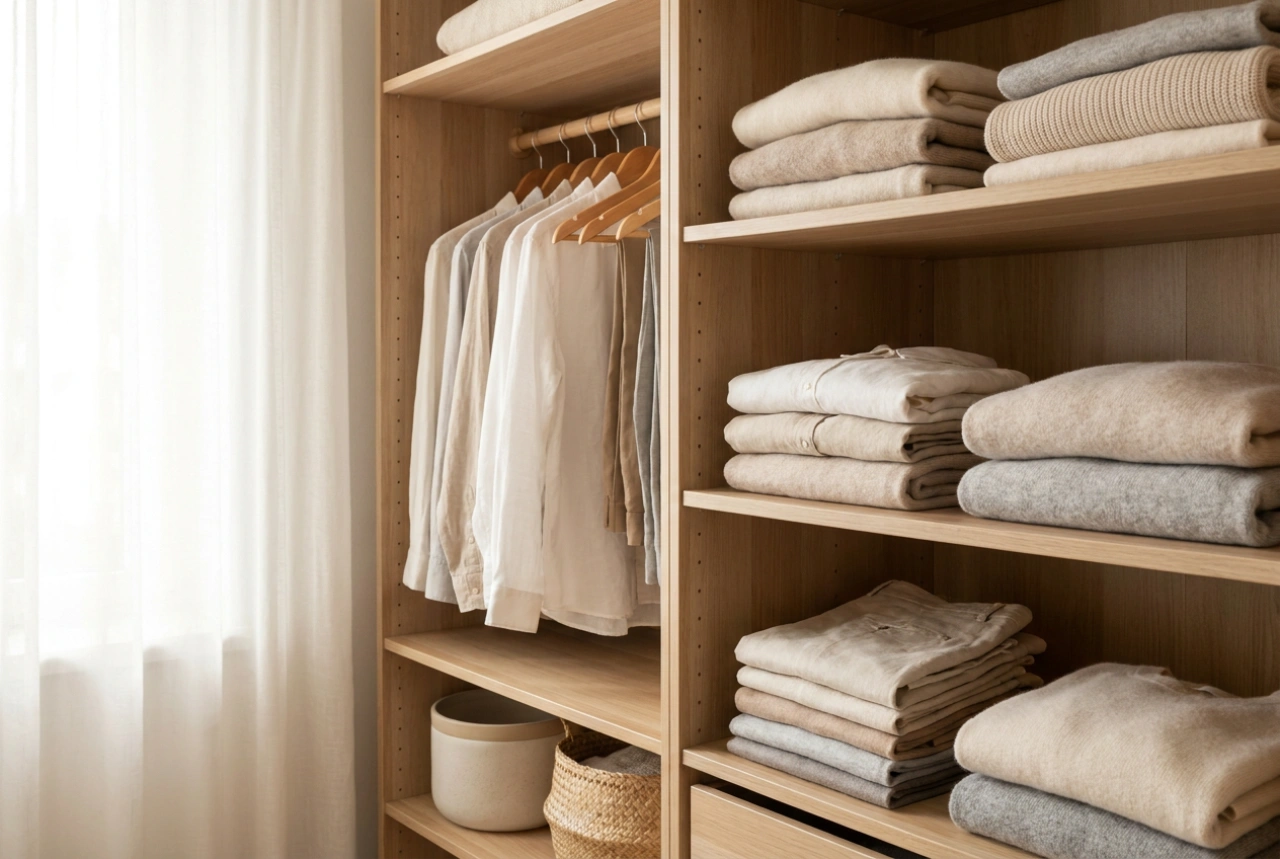
Utilise the concept of 'one-touch' storage. If a teenager can put an item away using only one hand without having to open, lift, or shift another object, the system is far more likely to succeed. Hang frequently worn garments on an open rail instead of stuffing them into deep wardrobes. For accessories and sportswear, use wide-mouthed, rimless bins that allow items to be dropped in quickly from above, eliminating the need for precise folding or alignment.
Vertical Ergonomics and Zone Classification
Organising a wardrobe efficiently requires categorising space based on the human body's natural reach zones. The wardrobe should be divided into three distinct vertical zones based on ergonomics:
- The Active Zone (Eye level to hip level): This is the most accessible area. Store daily essentials here, such as school uniforms, everyday t-shirts, and trousers. Minimising the physical effort to reach these items prevents the disruption of surrounding neatness.
- The Passive High Zone (Above eye level): Reserve this space for lightweight, seasonal items, out-of-season jackets, or bedding. Because retrieving items from here requires reaching up or using a step, it should only house objects used occasionally.
- The Passive Low Zone (Below hip level): Perfect for heavy items and footwear. Storing shoes in open pull-out trays at the bottom prevents dirt from transferring to clean clothes above, while utilising gravity to keep the wardrobe's centre of mass low and stable.
Material Science: Hangers and Fabric Preservation
The choice of hanging hardware directly impacts both the longevity of the clothing and the ease of maintaining order. Wire hangers should be entirely avoided; their thin profile concentrates the gravitational pull on a very small surface area of the fabric, leading to permanent shoulder puckering and fibre distortion, especially in knitwear.
Instead, opt for wide-shouldered wooden hangers or velvet-flocked hangers. Velvet hangers provide high surface friction, which prevents lightweight synthetic blends and silk-like fabrics from sliding off onto the floor. Wooden hangers, on the other hand, offer robust support for heavy cotton hoodies and structured jackets, distributing the weight evenly across the seams. Keeping all hangers facing the same direction creates a clean visual plane, reducing cognitive clutter and making it easier to slide garments along the rail.
Categorisation by Activity Over Garment Type
Traditional sorting methods categorise clothes strictly by item type (such as all trousers together or all shirts together). However, a teenager's daily routine is highly task-oriented. Sorting wardrobe contents by activity—such as schoolwear, sports gear, and loungewear—significantly reduces morning decision fatigue.
Use shallow, clear acrylic dividers on shelves to keep these activity-based zones physically separated. This prevents the 'domino effect', where pulling out one item from a stack causes adjacent garments to collapse and unravel. Storing knitwear and cotton t-shirts vertically rather than in high vertical stacks prevents fabric compression, allows air circulation to prevent mustiness, and ensures every garment is visible at a single glance without disturbing the rest.