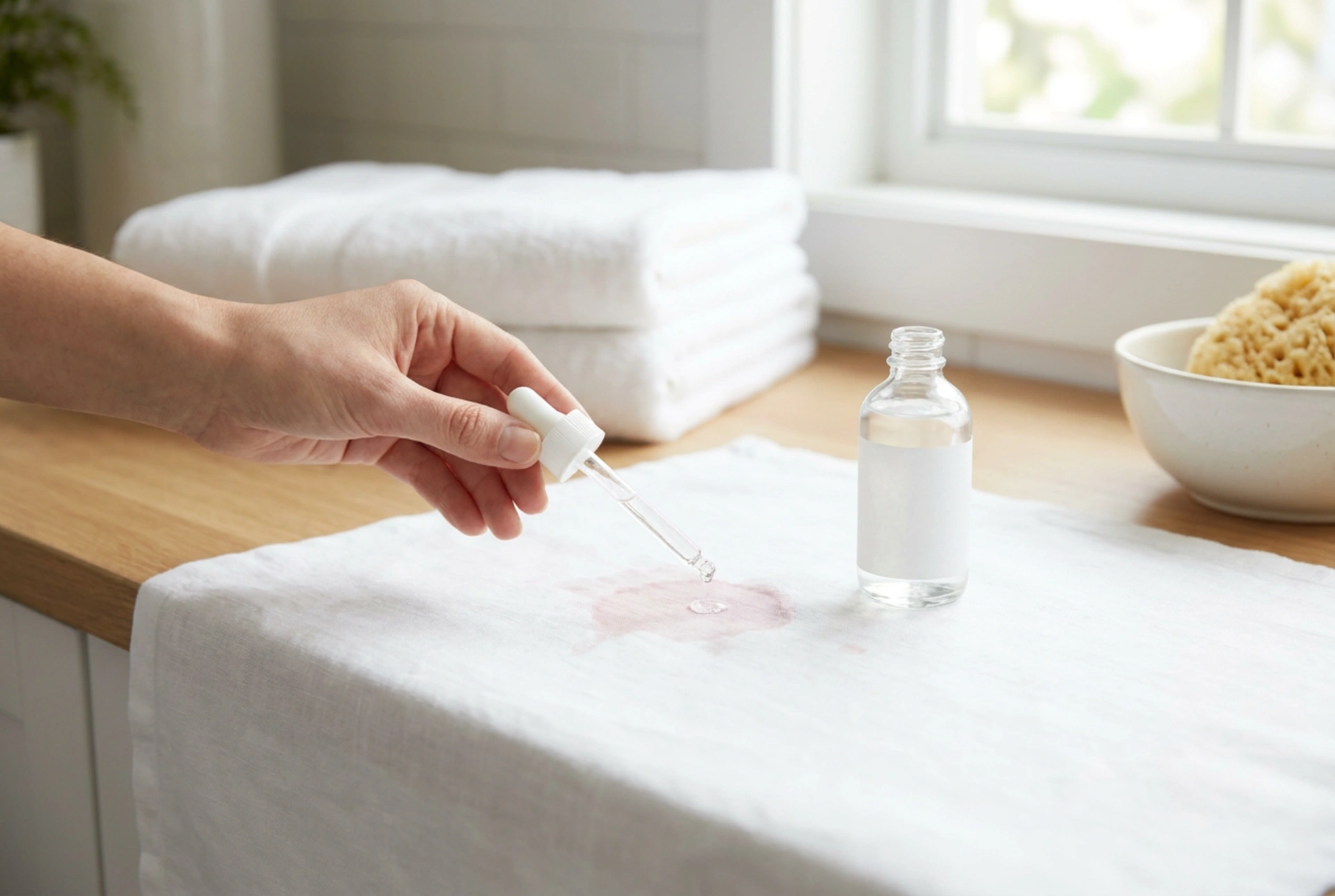


Dried, set-in red wine stains are notoriously difficult to remove because the pigments have oxidized and bound deeply to the fabric fibers. However, by understanding the chemical composition of the stain and using targeted rehydration and oxidation techniques, you can successfully lift even old discolourations without damaging the textile.
The Science Behind Dried Wine Stains
Red wine owes its rich colour to organic compounds called anthocyanins, which are natural pigments found in grape skins. These pigments, alongside tannins, act as natural dyes. When wine first spills, these molecules are suspended in liquid, making them easy to blot away. Over time, however, exposure to oxygen and ambient heat triggers a polymerization process. The pigment molecules cross-link with each other and form strong chemical bonds with the cellulose or protein fibers of the fabric. This is why a dried stain cannot simply be washed out with standard laundry detergent; the bound pigments must be chemically broken down or solubilized first.
Step 1: Rehydrating the Dried Pigments
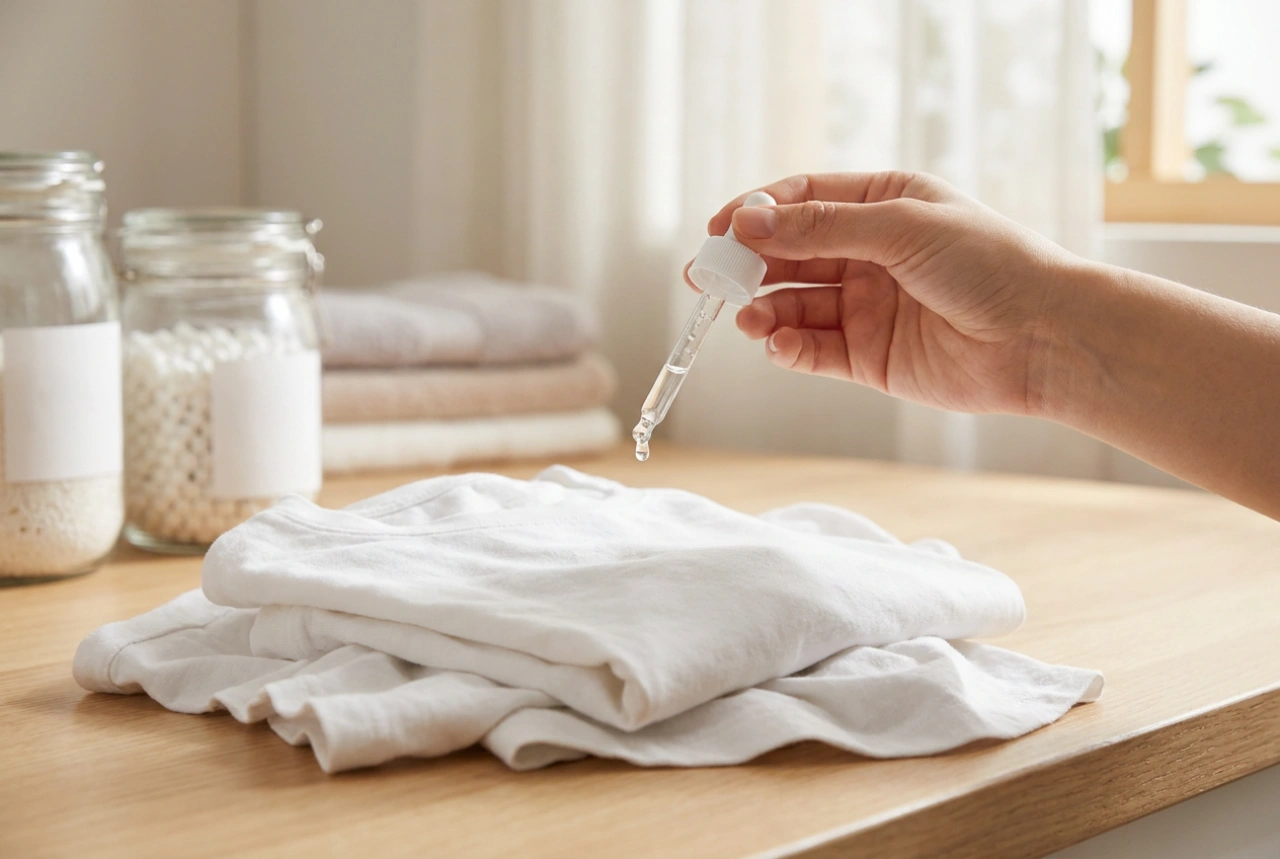
Before attempting to neutralize the pigment, you must make the dried molecules accessible to cleaning agents. Liquid vegetable glycerin is highly effective for this stage. As a humectant, glycerin penetrates the hardened stain, attracting moisture and breaking the intermolecular forces holding the dried wine particles together. Apply a small amount of pure glycerin directly to the stain and gently massage it into the fibers using a soft-bristled brush or your fingertips. Let it sit for 30 to 45 minutes. This process softens the oxidized crust of the stain, allowing subsequent chemical treatments to reach the core of the fibers.
Step 2: Oxidizing the Anthocyanins
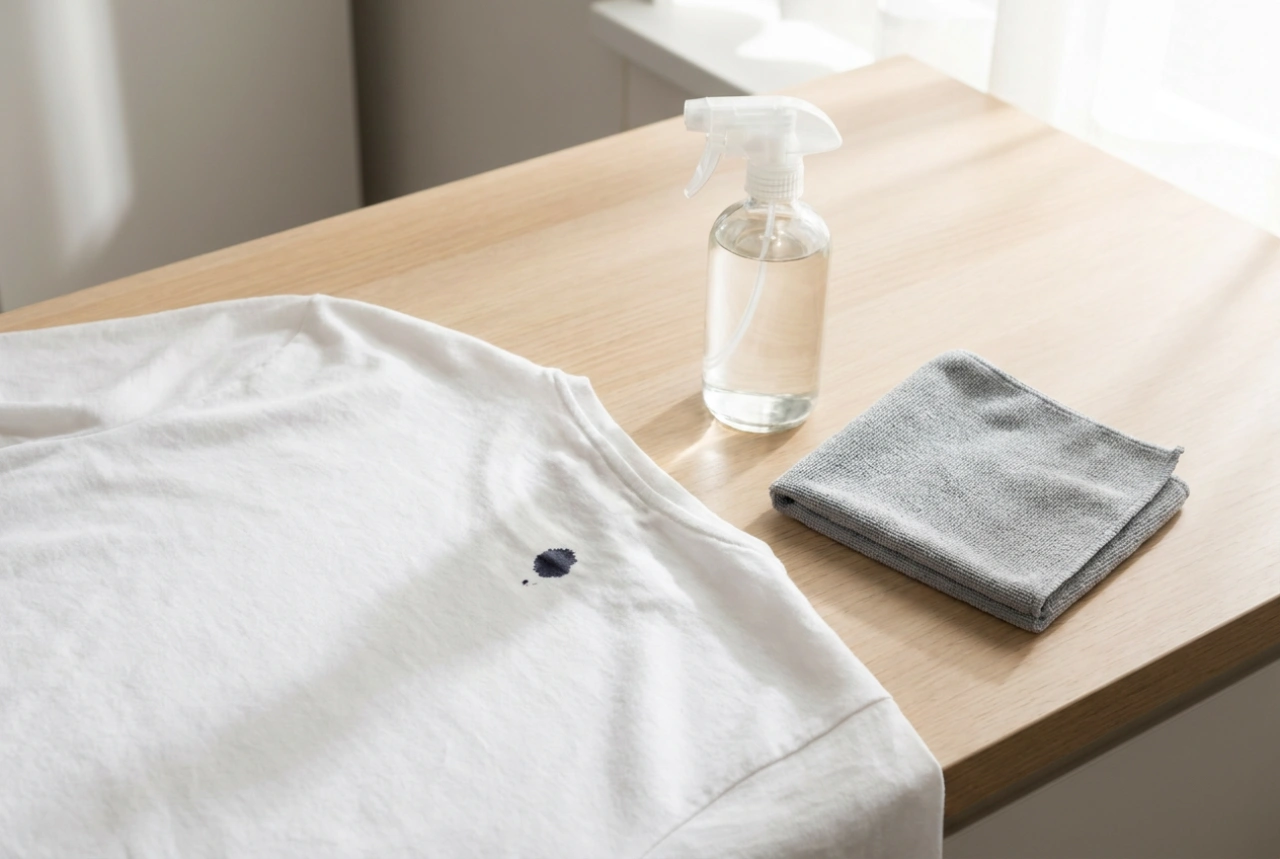
Once the stain is rehydrated, the next step is to break the chemical bonds of the pigment. This is achieved through oxidation, which alters the molecular structure of the anthocyanins, turning them colourless. A highly effective, fabric-safe oxidizing agent is hydrogen peroxide (3% concentration), combined with a mild, neutral surfactant like liquid dishwashing soap. The surfactant lowers the surface tension of the water, allowing the hydrogen peroxide to penetrate deeply. Mix equal parts of hydrogen peroxide and liquid soap, apply the solution to the softened stain, and let it react for 20 to 30 minutes. You will notice the stain gradually fading as the active oxygen breaks down the chromophores within the pigment.
Step 3: The Extraction Technique
Never rub a wine stain, even an old one, as physical friction can fray the fabric fibers and push the pigment deeper into the yarn structure. Instead, use an extraction method. Place a clean, dry white cotton towel underneath the stained fabric to absorb the dissolved pigments. Using a second clean white cloth moistened with cool water, press firmly down onto the stain. Transfer the liquid from the stained fabric onto the backing towel through steady, perpendicular pressure. Repeat this blotting action, shifting to clean sections of both towels, until no more colour transfers.
Step 4: Temperature-Controlled Washing
To finalize the removal process, the fabric must be laundered. However, temperature management is critical. Hot water can cook any remaining organic proteins and permanently set the residual tannins into the fiber matrix. Wash the garment in cool or lukewarm water (no higher than 30°C to 40°C) using a standard heavy-duty detergent. For white fabrics, adding an oxygen-based bleach powder to the wash cycle provides an extra layer of oxidation. Always inspect the area thoroughly before placing the item in a tumble dryer; the high dry heat of a machine dryer will permanently cure any trace pigments that survived the wash.