

Removing stains from clothing successfully requires matching the chemical composition of the spill with the correct active agent. Understanding the scientific interaction between fibers, surfactants, enzymes, and solvents ensures clean garments without risking structural or color damage.
The Chemistry of Stains: Organic vs. Inorganic
Every stain belongs to a specific chemical category, which dictates how it must be treated. The primary classifications are protein-based, tannin-based, oil-based, and synthetic pigment-based. Treating a protein stain with hot water will coagulate the proteins, locking them permanently into the fabric fibers. Conversely, treating grease with cold water without a surfactant yields no results because hydrophobic lipid molecules naturally repel water molecules. To select the correct treatment, you must identify whether the contaminant is polar (water-soluble) or non-polar (fat-soluble).
Enzymatic Removers for Protein and Starch Stains
Stains from organic sources like blood, sweat, dairy, grass, and gravy are held together by complex organic macromolecules. Standard soaps cannot easily break these bonds. This is where enzymatic stain removers are essential. These products contain specific biological catalysts that break down complex stains into smaller, water-soluble fragments through hydrolysis. By targeting specific molecular structures, enzymes can digest the stain without degrading the textile fibers themselves.
- Proteases: Specifically target and break peptide bonds in protein stains such as blood, egg, and grass.
- Amylases: Break down starch-based stains from gravies, chocolate, and commercial food thickeners into simple sugars.
- Lipases: Target lipid and fatty molecules, decomposing them into glycerol and free fatty acids.
- Pectinases: Break down pectin, which is the structural glue in fruit juices and berry stains.
When using enzymatic treatments, temperature control is critical. Enzymes are proteins themselves and will denature (lose their functional shape and catalytic activity) at temperatures exceeding 40°C. For optimal results, apply enzymatic agents in lukewarm water (around 30°C to 35°C) and allow them to react for 15 to 30 minutes before laundering. This allows the biological catalysts sufficient time to hydrolyze the complex chains before the mechanical washing cycle begins.
Oxidizing Agents for Tannins and Pigments
Tannins, found in red wine, coffee, tea, and fruit juices, contain complex organic rings called chromophores, which absorb specific wavelengths of light and create visible color. To eliminate these stains, you must disrupt these chemical structures. Oxidizing stain removers, such as sodium percarbonate (often sold as oxygen bleach), perform this function. When dissolved in water, sodium percarbonate releases hydrogen peroxide, which serves as the active bleaching agent.
The active oxygen atoms attack the double bonds within the chromophores, breaking them down into simpler, colorless molecules. Unlike chlorine-based bleaches, which can degrade the structural integrity of natural cellulosic fibers like cotton and linen, oxygen-based bleaches are gentler on fabrics and dye molecules when used at the correct temperature. Oxygen bleach requires water temperatures above 40°C to activate efficiently unless a chemical activator (such as tetraacetylethylenediamine) is present in the formulation. For delicate materials like silk and wool, oxidizing agents must be used with extreme caution, as they can break down the disulfide bonds that give these protein fibers their strength.
Surfactants and Solvents for Lipids and Grease
Oil-based stains, such as butter, cosmetics, sebum, and engine grease, require a mechanism called emulsification. Surfactant molecules possess a dual nature: a hydrophilic (water-loving) head and a lipophilic (fat-loving) tail. When applied to an oily stain, the lipophilic tails embed themselves into the grease, while the hydrophilic heads remain exposed to the water. This alignment forms microscopic structures called micelles, which suspend the oil particles in the water, allowing them to be rinsed away during the wash cycle.
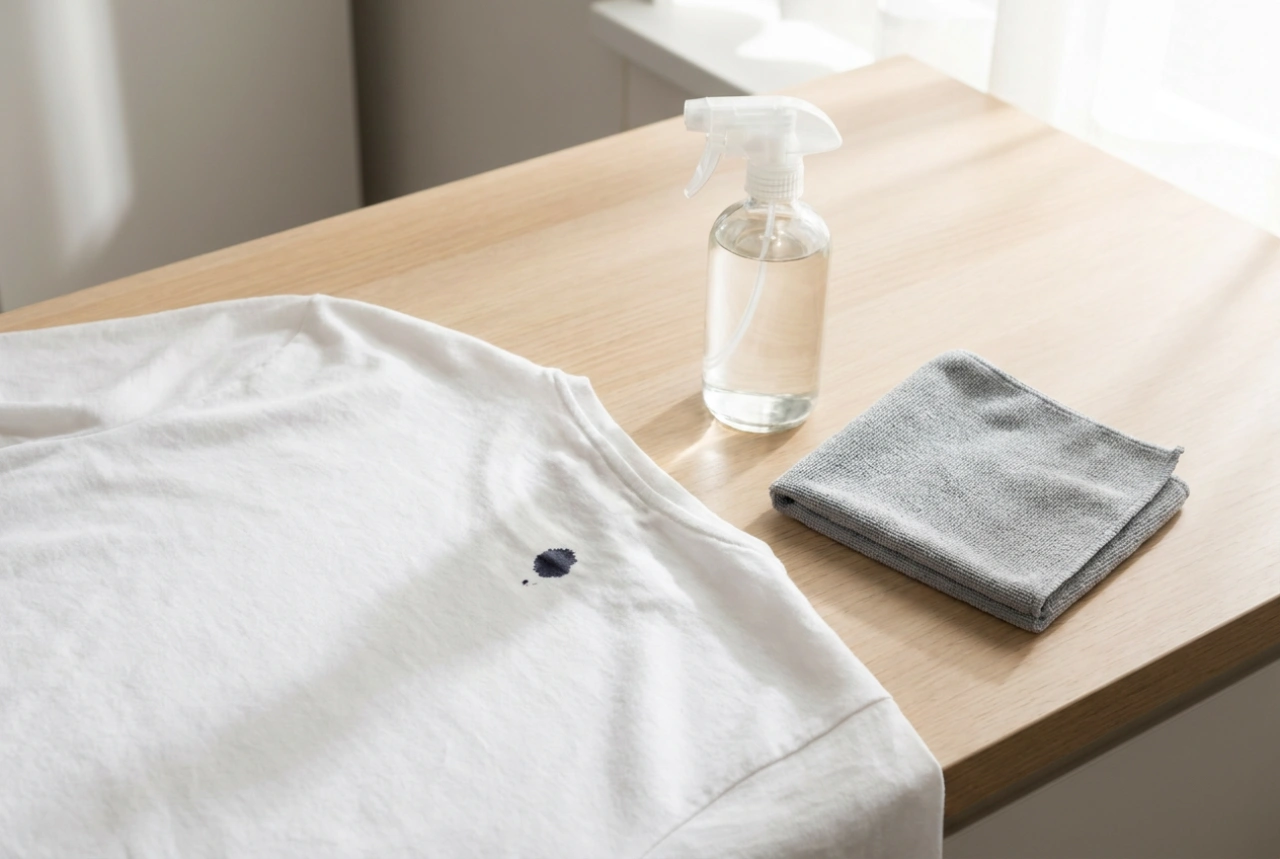
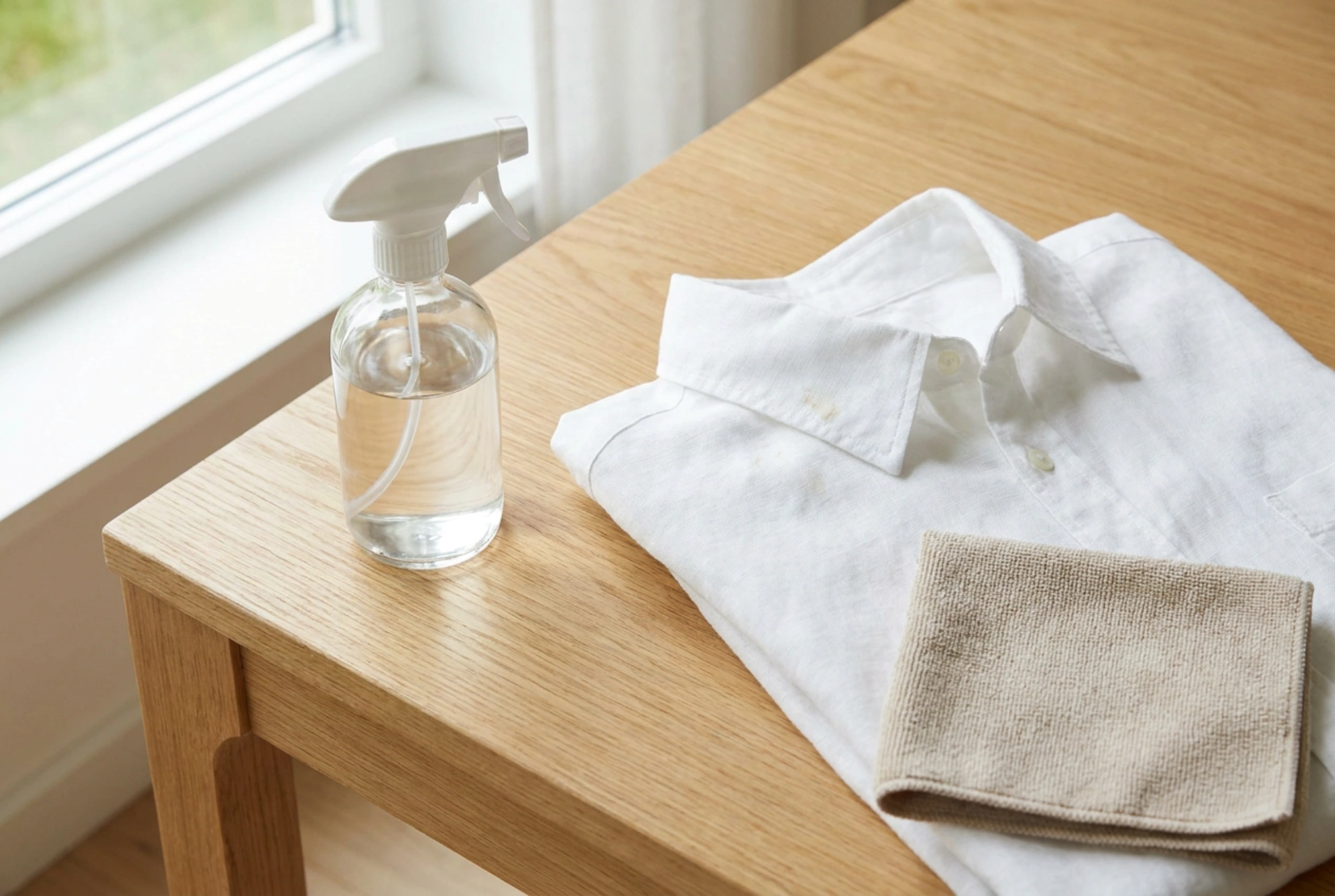
For highly stubborn, non-polar substances like adhesives, tar, or oil-based inks, organic solvents such as isopropyl alcohol are necessary. These solvents dissolve the pigment binder without relying on water. The cardinal rule of application is to blot, never rub. Rubbing applies mechanical pressure that forces the liquefied grease or ink deeper into the textile weave, bonding it to the microscopic voids within the fibers. By blotting with a clean microfiber cloth, you transfer the dissolved oil into the absorbent medium via capillary action.
The Physics of Fiber Interaction and Proper Technique
The physical structure of the fabric dictates how a stain behaves. Cotton has a hollow core (lumen) that acts as a capillary, drawing liquids deep inside the fiber structure. Synthetic fibers like polyester are hydrophobic but highly lipophilic, meaning they attract and lock onto grease stubbornly, making oil stains on polyester particularly difficult to remove after drying. To minimize fiber saturation, always apply the stain remover from the reverse side of the fabric. This pushes the stain outward from the weave rather than driving it further through the textile structure. Place an absorbent, clean microfiber cloth underneath to capture the dissolving pigment as you gently blot from the outside of the stain toward the center, preventing the halo effect.