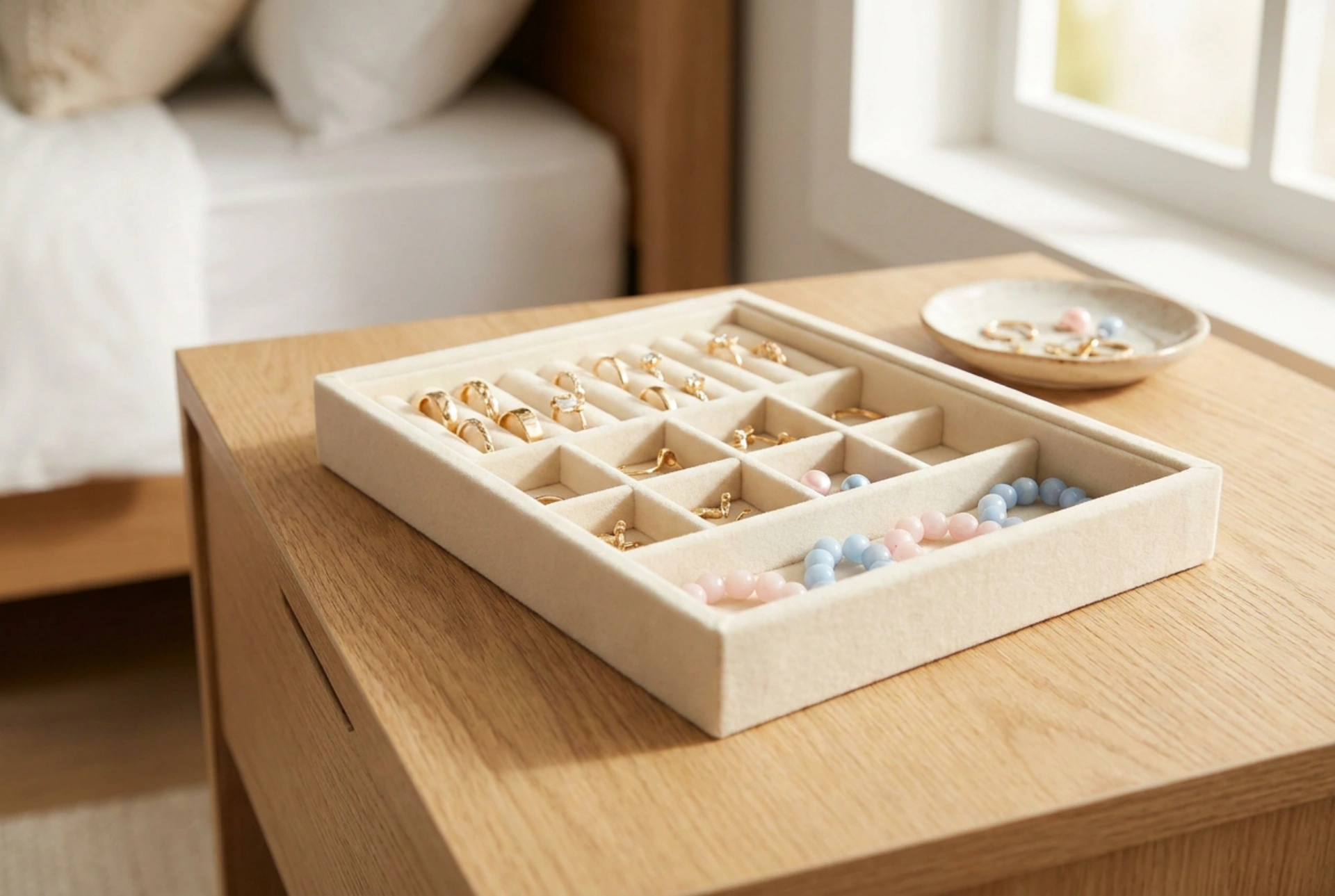


Managing tiny, delicate children's jewellery requires a systematic approach to prevent tangling, structural damage, and chemical tarnishing. Understanding how different materials interact with light, moisture, and friction allows you to establish an optimal storage system that preserves these keepsakes in pristine condition.
The Physics of Tangling: Why Small Chains Knot
Fine chains, typical of children's necklaces and bracelets, are highly susceptible to knotting due to a physical phenomenon known as spontaneous knotting of agitated strings. When multiple loose chains are placed in a single container, any movement causes them to slide over one another. The friction between the metal links, combined with their high flexibility, leads to loops forming and tightening under gravity. To prevent this, physical isolation is essential. Each chain must be stored in its own dedicated compartment or hung from a small hook. If hooks are not available, laying chains flat on a high-friction surface, such as velvet or felt, reduces lateral movement and prevents the initial looping that leads to knots. Velvet possesses a high coefficient of friction compared to smooth plastics, which dampens kinetic energy and keeps small pieces securely in place.
Material Science of Tarnish and Oxidation
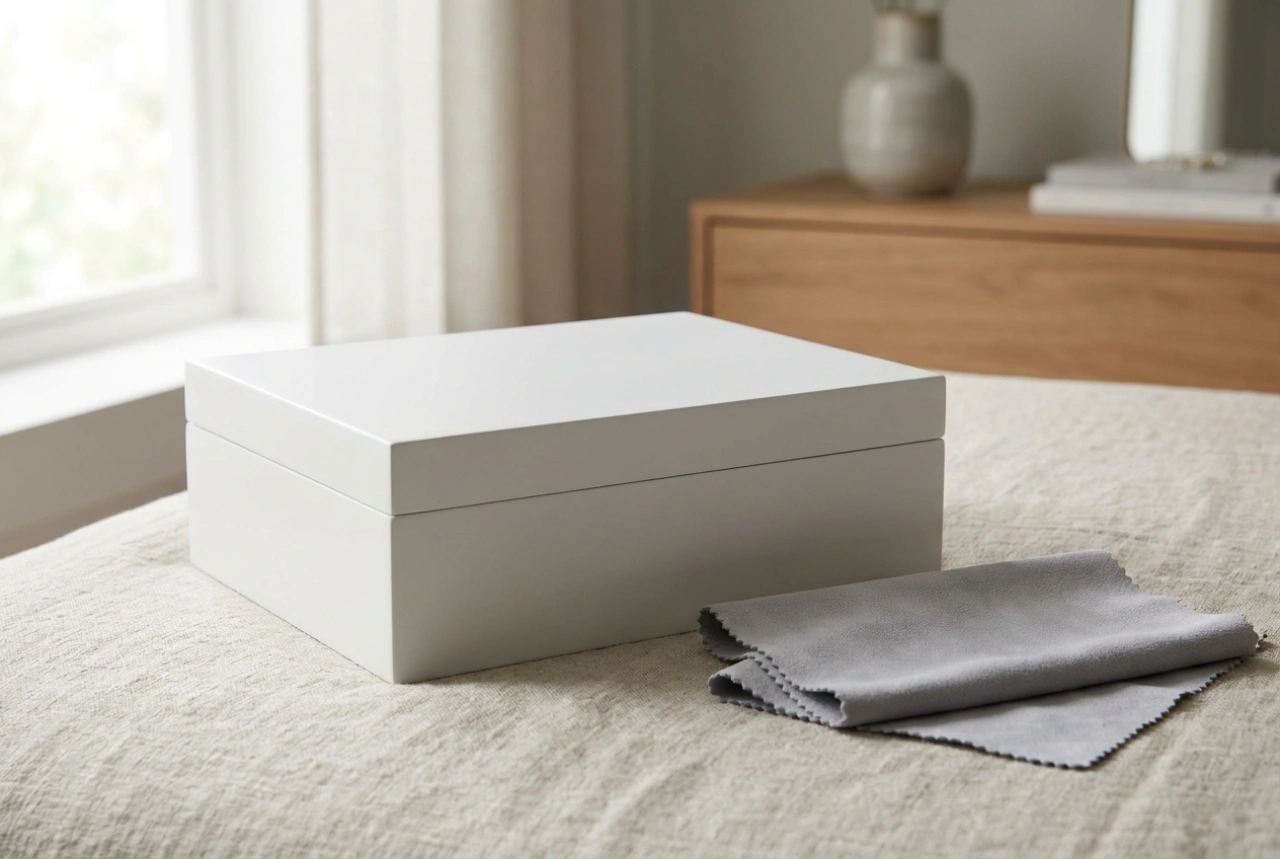
Children's jewellery is often made from sterling silver, brass, or low-karat gold alloys. These metals react chemically with atmospheric compounds. Silver tarnishes when it comes into contact with hydrogen sulfide in the air, forming silver sulfide, which presents as a dark layer. This chemical reaction is accelerated by high relative humidity, as water molecules on the metal surface act as an electrolyte. To protect these metals, use a jewellery box with a tightly fitting lid to limit airflow. Placing a small packet of silica gel inside the box absorbs ambient moisture, keeping the relative humidity below the threshold required for rapid oxidation. Additionally, storing pieces in closed, anti-tarnish cloth pouches made of chemically treated cotton can neutralise airborne sulfur compounds before they reach the metal surface.
Compartmentalisation and Structural Protection
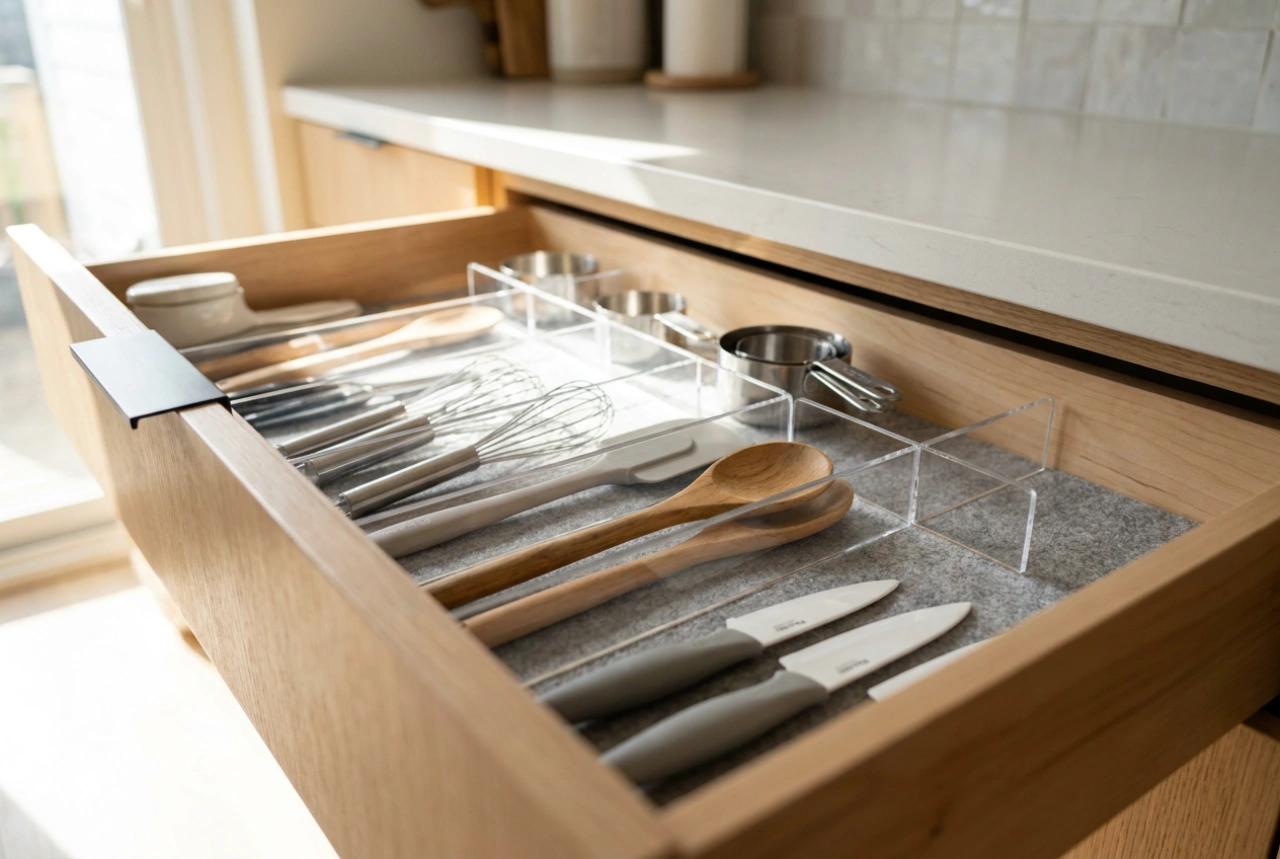
Organising jewellery is not merely about aesthetics; it is about protecting fragile structures from mechanical stress. Children's earrings, small rings, and enamel charms are easily bent or scratched. Grouping items by material hardness prevents harder gemstones or metals from scratching softer surfaces, such as pearls, enamel, or silver. Use a modular tray system lined with soft, non-abrasive textiles. Earring posts should be inserted into dedicated foam or felt slots to prevent the posts from bending under the weight of other items. Heavier pieces should always be placed at the bottom of the tray, with lighter, more fragile items positioned on top. This prevents crushing and minimizes physical wear during handling.
Environmental Factors: Light and Temperature
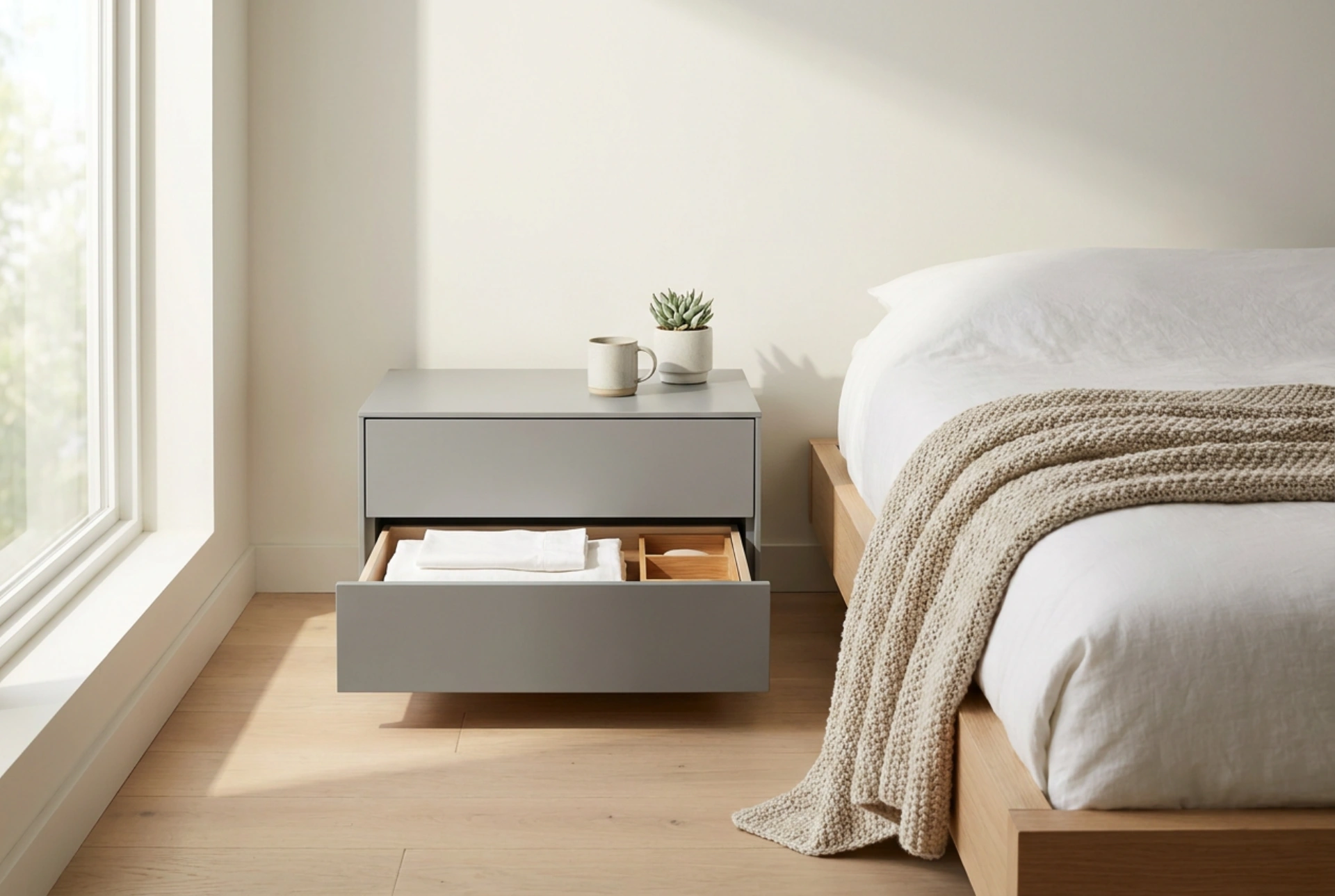
The location of the keepsake box plays a critical role in preserving the integrity of the jewellery. Direct sunlight contains ultraviolet (UV) radiation, which can degrade certain materials over time. Organic components, such as pearls, amber, and wood, as well as synthetic resins and plastics used in children's jewellery, can fade, become brittle, or crack when exposed to UV light. Furthermore, rapid temperature fluctuations cause metals and gemstones to expand and contract at different rates, which can loosen stone settings. Store the jewellery box in a cool, dry place away from direct sunlight, radiators, and high-humidity areas like bathrooms. Maintaining a stable environment preserves both the metal components and the adhesive bonds holding decorative elements together.