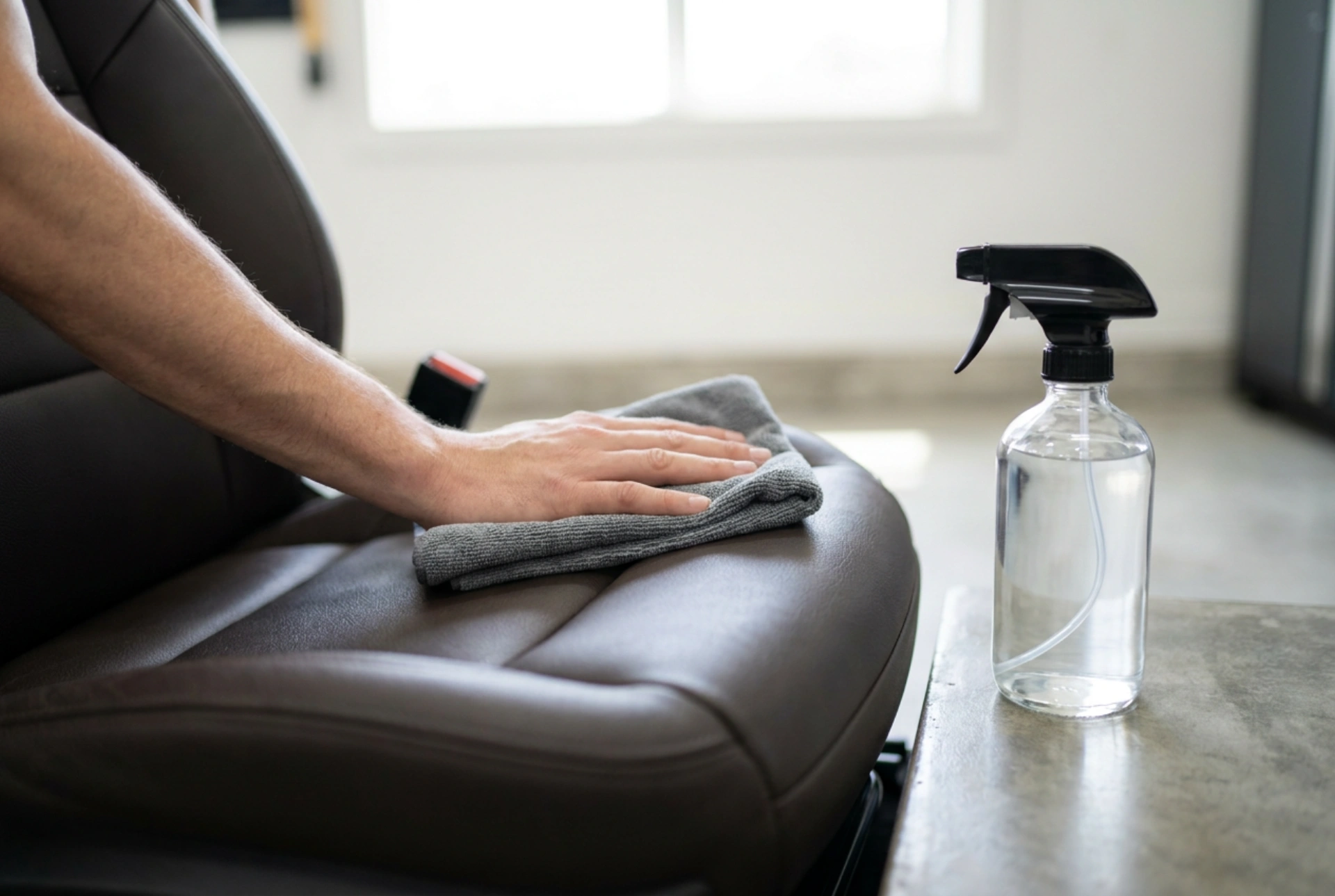


Achieving a clean, matte finish on leather car seats requires understanding the material's surface chemistry and applying treatments without leaving a greasy, dangerous residue. Slippery leather is not only uncomfortable but also indicates that excess product is sitting on top of the protective polyurethane sealant rather than bonding with it.
The Chemistry of Modern Automotive Leather
Almost all modern automotive leather is finished with a thin, protective polyurethane topcoat. This factory-applied layer seals the animal hide underneath, protecting it from moisture, ultraviolet radiation, and physical wear. Because of this non-porous synthetic barrier, traditional heavy oils, animal fats, and silicone-based conditioners cannot penetrate the surface. Instead, they remain trapped on top, attracting dust, degrading the polyurethane over time, and creating a slippery, shiny film. To maintain a factory-fresh matte look, you must use products designed to bond with this topcoat and apply them in microscopic quantities, focusing on mechanical removal of excess residue rather than heavy saturation.
Step 1: Preparing the Surface through Deep Cleaning
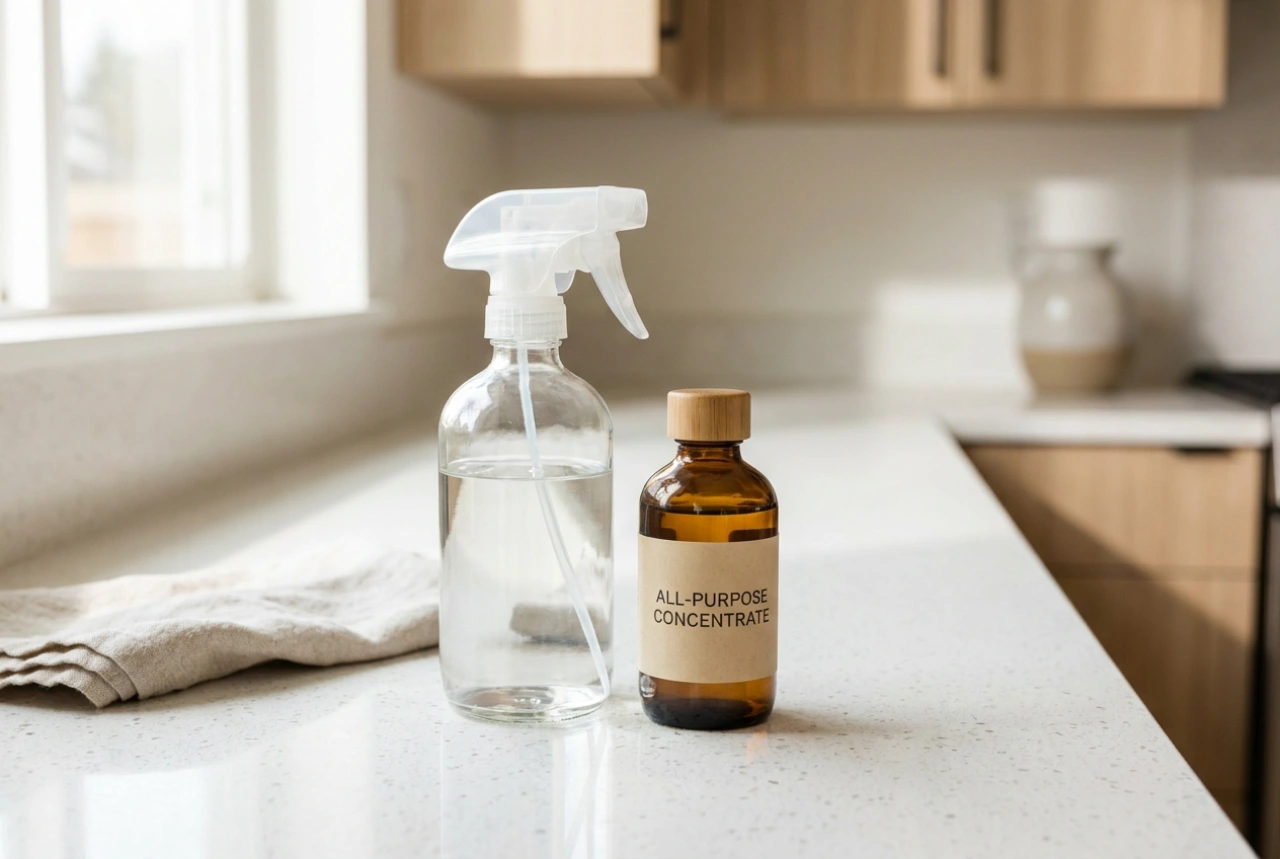
Applying any treatment over existing body oils, sweat, and dirt will lock in the contamination and guarantee a greasy finish. Before conditioning, the surface must be thoroughly stripped of surface grime. Use a pH-neutral leather cleaner that contains mild surfactants. These surfactants lower the surface tension of water, allowing the cleaner to encapsulate hydrophobic oils and dirt. Spray the cleaner onto a soft-bristled horsehair brush rather than directly onto the leather to prevent pooling. Work the brush in gentle, circular motions without applying heavy pressure. The bristles agitate the dirt out of the grain pattern. Immediately wipe away the emulsified dirt using a damp, clean microfiber towel. The capillary action of the microfiber split-fibres will lift and trap the soil, leaving a clean, bare surface ready for protection.
Step 2: Micro-Dosing and the Application Method
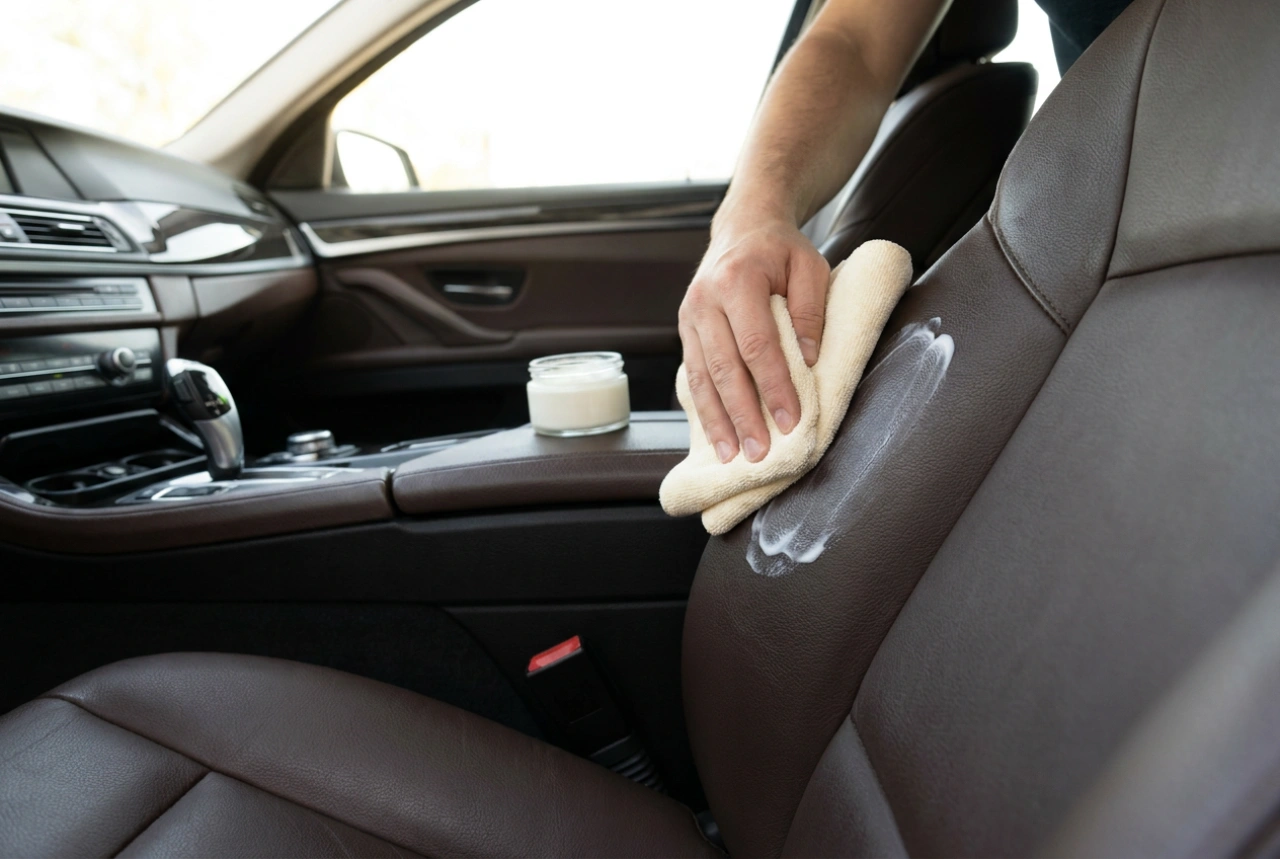
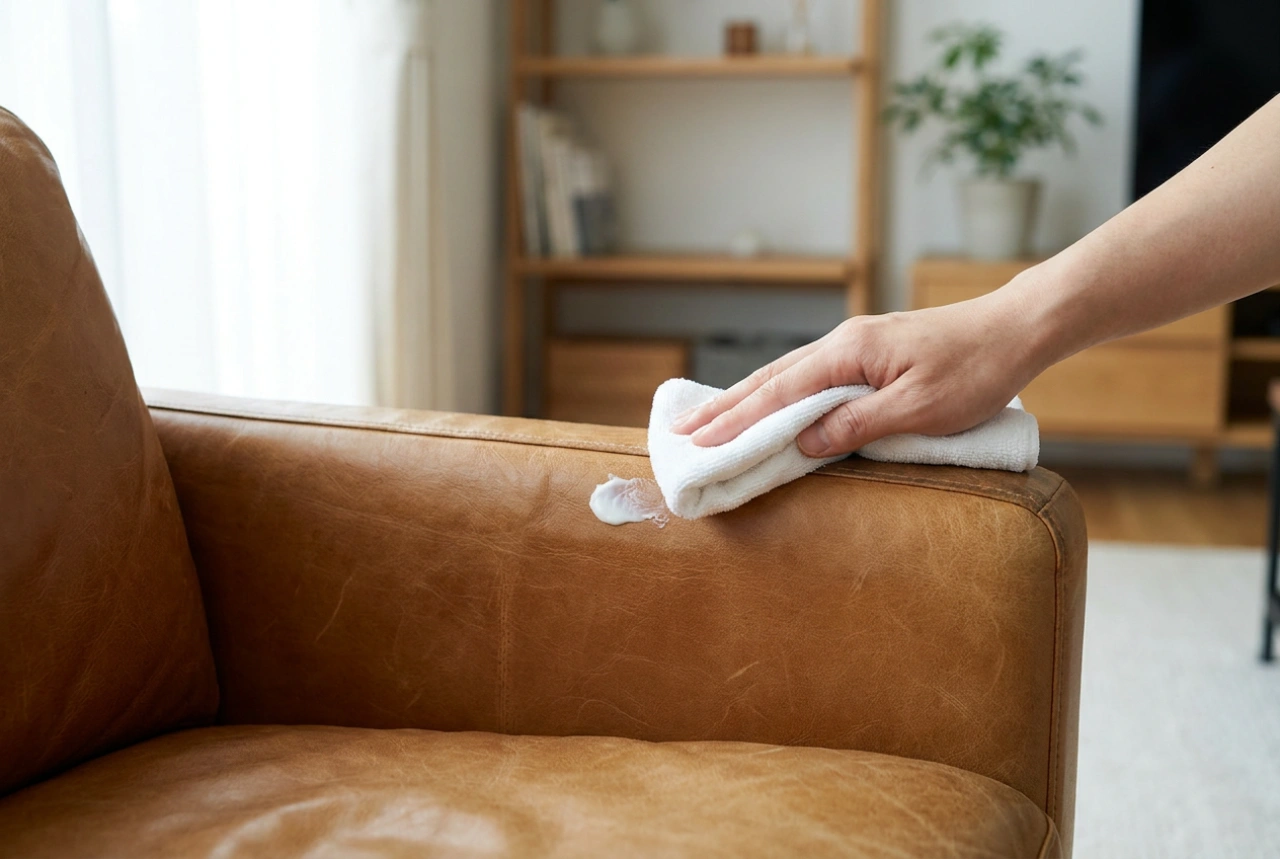
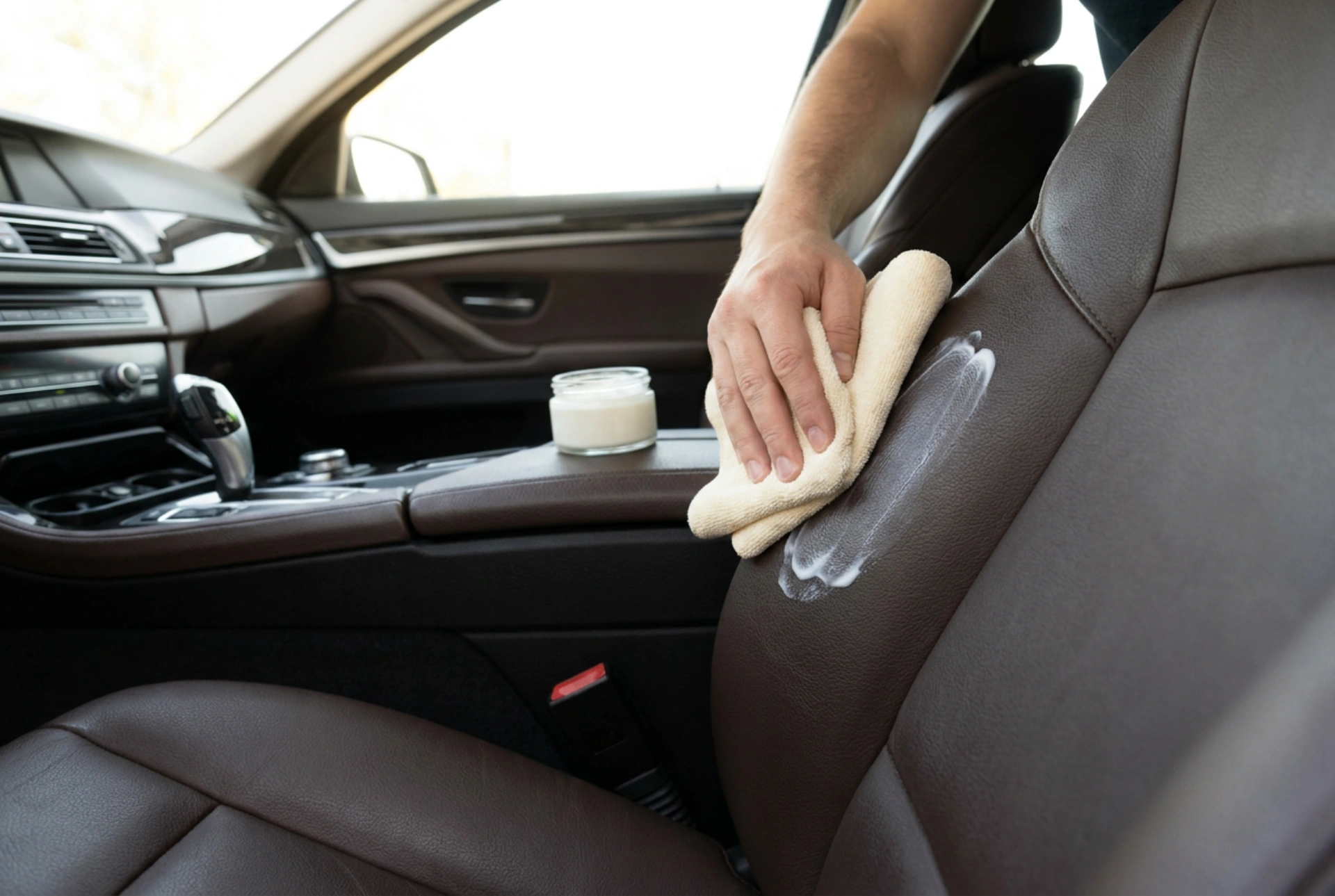
The golden rule for avoiding a slippery surface is micro-dosing. You only need a fraction of the product you think is necessary. Choose a water-based protectant or a specialized matte-finish cream that does not contain liquid silicone or heavy mineral oils. Apply a dime-sized drop of the treatment directly onto a microfiber applicator pad, then massage the pad together to distribute the product evenly across its surface. Never apply the product directly to the seat. Work in small, controlled sections—such as one bolster or panel at a time—using overlapping circular motions. This technique ensures that the treatment is worked into the texture of the leather grain evenly without overloading any single area. If the leather begins to look glossy during application, too much product is being used.
Step 3: The Mechanical Buffing Stage
Once the treatment has been worked into the surface, it must be allowed to flash or bond for approximately one to two minutes. During this brief window, the water or light carrier solvents in the formula evaporate, leaving behind the protective active agents. Immediately following this, take a separate, completely dry, high-pile microfiber towel (at least 300 GSM) and buff the area thoroughly. Use firm, sweeping strokes. This mechanical buffing step is critical: it shears away any unbonded, excess polymers or wax emulsions, leaving behind only an ultra-thin, microscopic barrier that bonds directly to the polyurethane topcoat. This process prevents the formation of a thick, light-reflecting layer, restoring the original matte finish and ensuring the surface is dry to the touch and completely non-slip.
Temperature and Curing Conditions
Chemical reactions and product bonding are highly dependent on environmental factors. Avoid treating leather in direct sunlight or when the cabin temperature is extremely hot or cold. The ideal working temperature is between 15°C and 22°C. At high temperatures, the carriers in the conditioners evaporate too quickly, leaving uneven patches of concentrated product that are incredibly difficult to buff out and will remain sticky. In cold temperatures, the polyurethane topcoat becomes rigid, and the treatment will not spread or bond effectively, leading to a greasy film when the cabin eventually warms up. Allow the treated vehicle to cure in a shaded, well-ventilated area for at least one hour before sitting on the seats to ensure the chemical bonding process is complete.