

Removing pet hair from fabrics during washing requires a precise combination of mechanical agitation, high water volume, and thermal relaxation of fibres rather than a standard washing cycle.
The Physics of Pet Hair Adhesion to Fabrics
To effectively remove pet fur from clothing, it is essential to understand why it clings so stubbornly. Animal hair is composed of keratin and often features microscopic scales or barbs. When these barbs come into contact with woven fabrics—especially textured materials like cotton, wool, or fleece—they hook into the microscopic spaces between the yarns. Furthermore, static electricity creates an attractive force that binds the hair to synthetic fibres like polyester and nylon. When water is introduced in a standard wash cycle, the fibres swell, occasionally trapping the embedded hairs even deeper within the weave instead of releasing them. Standard washing cycles do not use enough water or specific motion to break this physical bond.
The Mechanical Secret of the Pet Hair Cycle
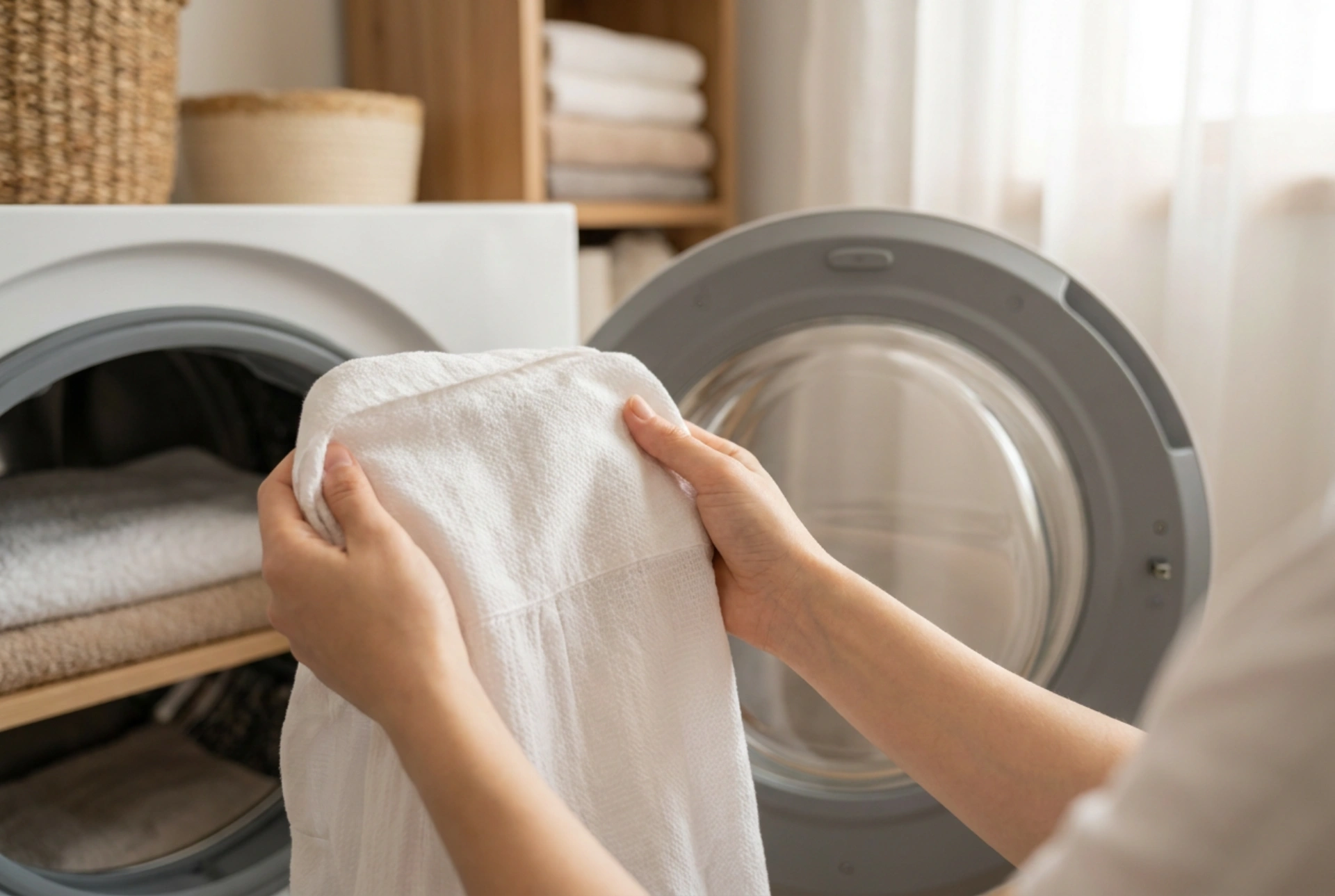
The dedicated pet hair function on modern washing machines relies on modified rinse and spin parameters to overcome the mechanical grip of fur. Unlike standard energy-saving cycles that minimise water usage, the pet hair cycle utilises a significantly higher water level during the rinse phases. This increased volume allows the garments to float freely, reducing the friction that holds the hairs against the fabric. Additionally, the drum employs unique, asymmetrical rotation patterns. By alternating between gentle tumbling to loosen the weave and high-speed multi-directional spins, the machine forces water through the fabric pores, flushing the loosened hairs out of the textile structure. The cycle also schedules multiple extra rinses, ensuring that suspended hairs are drained away before they can settle back onto the wet clothes.
Optimising the Wash: Temperature, Chemistry, and Preparation
To achieve pristine results, the pet hair cycle must be supported by correct preparation and chemical aids. First, manual pre-treatment is crucial: using a rubber brush or lint roller on dry garments removes the bulk of loose surface hair, preventing the washing machine filter from becoming prematurely clogged. During the wash, temperature selection plays a key role. Setting the cycle to 40°C or 60°C (if fabric care labels permit) helps to relax natural fibres, making it easier for the embedded hair to slip out. From a chemical perspective, adding an anionic surfactant-based detergent lowers water surface tension, allowing the water to penetrate deep into the yarn. Introducing a small amount of white vinegar (acetic acid) to the final rinse compartment neutralises the static electrical charge of synthetic fibres, releasing the final stubborn strands of hair.
Protecting Your Machine: Post-Wash Maintenance
Running a pet hair cycle shifts the problem from your clothes to your appliance. If the accumulated fur is not removed from the washing machine, it will simply redeposit onto subsequent laundry loads. After every cycle, manually wipe down the rubber door gasket with a damp microfiber cloth, as hair frequently collects in the folds and drainage holes. Clean the lint filter located at the bottom of the machine weekly to prevent blockages that can impede water drainage and reduce rinse efficiency. Finally, execute a monthly high-temperature drum cleaning cycle at 90°C without clothes, using an oxygen-based bleaching agent, to flush out residual hair and soap scum from the outer drum assembly.