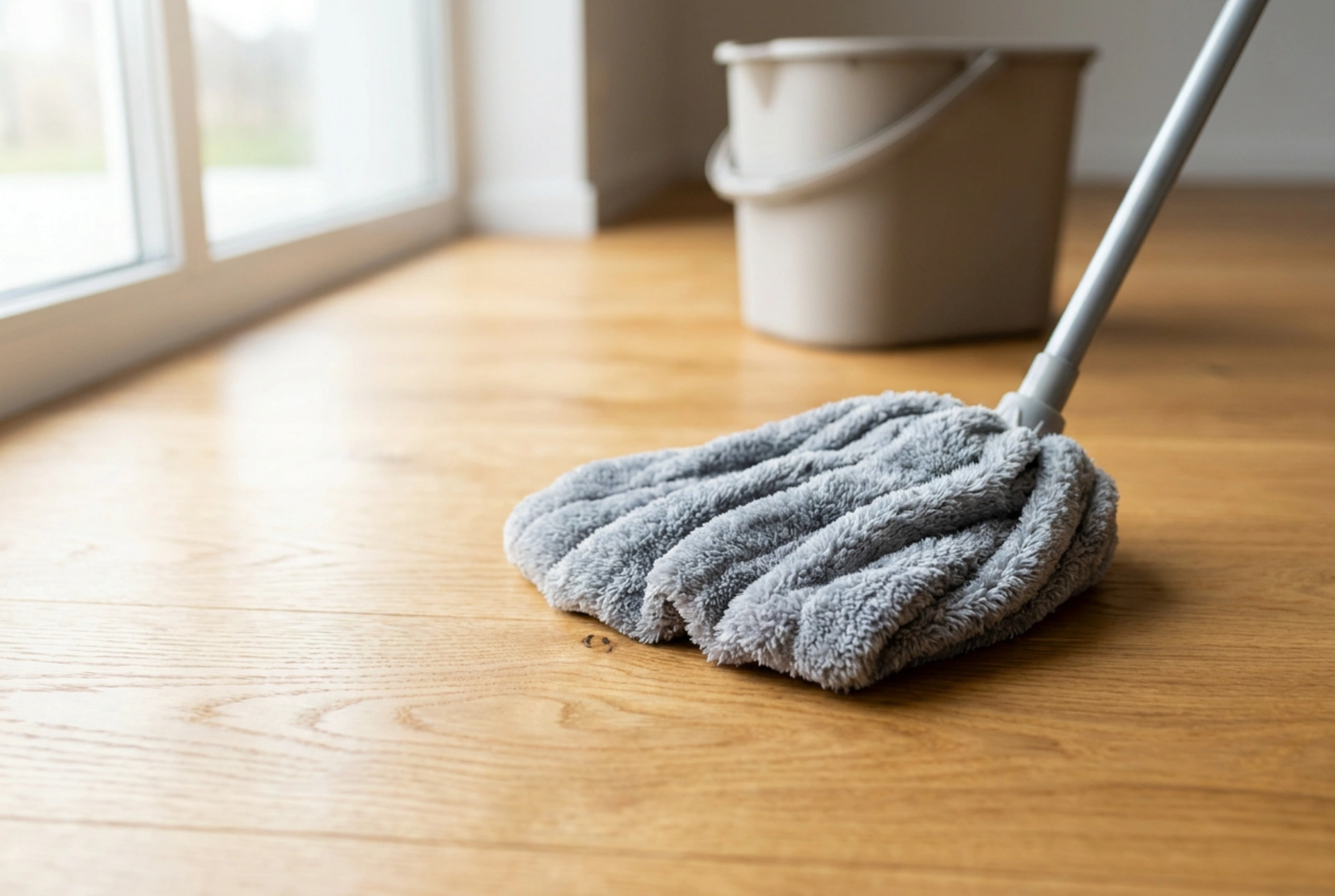


Wooden floors bring warmth and natural beauty to a home, but they require precise chemical and physical care to prevent irreversible moisture damage and surface dulling.
Understanding Wood Chemistry and Moisture Vulnerability
Wood is a highly hygroscopic material, meaning it constantly absorbs and releases moisture to adapt to its environment. When liquid water penetrates the protective finish of wood flooring, the cellulose fibers swell. This expansion causes cupping, warping, and the eventual degradation of the adhesive bonds holding the planks in place. Standard floor cleaners often contain harsh surfactants or high-pH solvents that strip away the protective oils, waxes, or polyurethane sealants. To protect your investment, you must select products formulated to maintain a neutral pH (around 7.0) and use cleaning techniques that minimize water-to-wood contact.
The Golden Rule: Damp, Never Wet
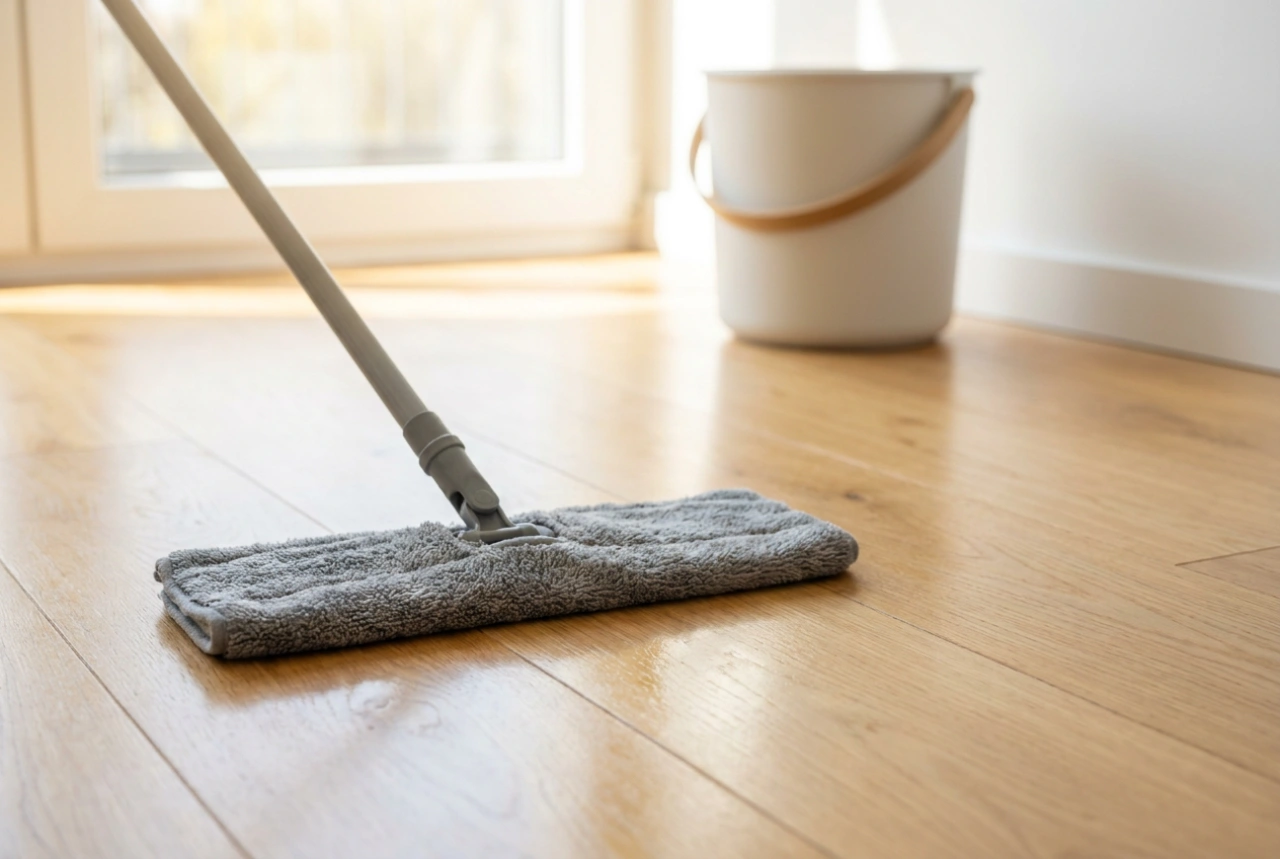
The most critical error in wooden floor maintenance is using excessive water. A standard wet mop releases enough liquid to seep between the seams of the planks, where the raw wood is exposed. The correct technique relies on a micro-damp application. When preparing your cleaning solution, use lukewarm water to help dissolve dirt, but ensure your cleaning tool is thoroughly wrung out. If you press a microfiber pad against your hand and water drips, it is too wet. The surface of the wood should dry completely within two minutes of mopping. If moisture lingers longer, you are using too much liquid.
The Chemistry of Safe Cleaning Agents
Avoid generic multi-surface cleaners, which frequently contain ammonia, vinegar, or baking soda. Acidic solutions like vinegar strip the protective polyurethane varnish over time, leaving the wood dull and vulnerable. Alkaline cleaners, such as those containing ammonia or sodium carbonate, chemically react with the natural tannins in woods like oak, causing permanent dark gray or black staining. Instead, opt for specialized wood cleaners containing mild, non-ionic surfactants. These molecules lift grease and dust without chemically altering the wood seal or leaving a sticky residue that attracts more dirt.
Step-by-Step Mopping Technique
To achieve a streak-free, undamaged finish, follow a systematic physical approach:
- Dry Soil Removal: Always vacuum or sweep the floor first. Hard particles like sand act as sandpaper under a wet mop, scratching the protective finish. Use a vacuum attachment designed specifically for hard floors to avoid scraping the surface with rigid plastic edges.
- Dilution and Mix: Dilute your neutral wood cleaner precisely according to the manufacturer's instructions. Over-concentrated solutions leave a dull chemical film that is difficult to remove.
- The Figure-Eight Motion: Work your microfiber flat mop in a continuous figure-eight pattern, keeping the leading edge of the mop facing forward. This technique traps dirt within the microfiber loops rather than pushing it into the gaps between the planks.
- Working with the Grain: Always perform your final passes in the direction of the wood grain to prevent visible streaks and ensure any micro-moisture dries invisibly.
Maintaining the Protective Barrier
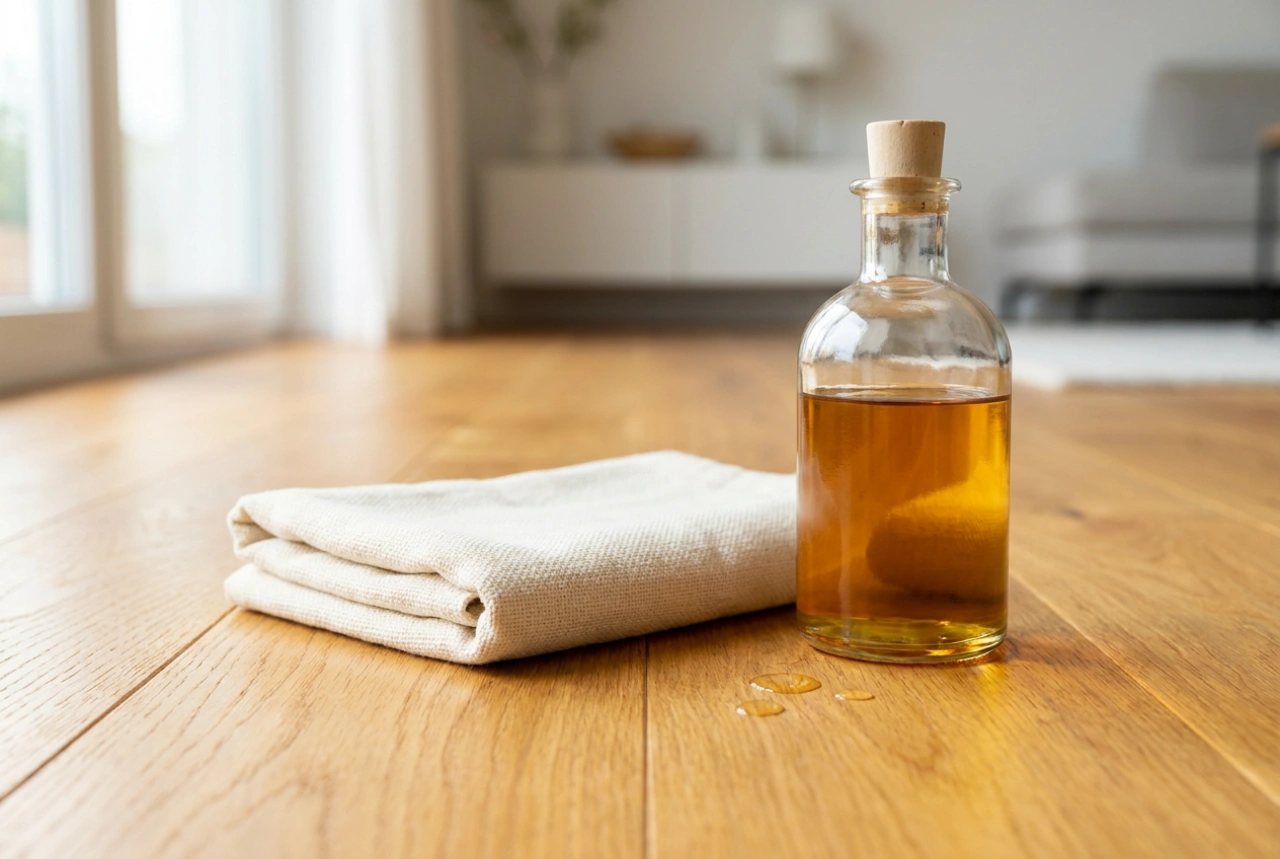
Even with correct cleaning practices, wooden floors eventually require maintenance of their seal. Polyurethane-finished floors cannot be waxed, as new coats of finish will not adhere to a waxed surface. Oil-finished or waxed floors, however, require periodic replenishment with specialized replenishing oils. Understanding the specific finish of your floor is essential before applying any deep-cleaning or restorative chemicals.