

Steaming delicate garments without direct physical contact prevents fabric shine, crushed fibers, and heat damage while restoring natural drape.
The physics of steam smoothing
Wrinkles in textiles occur when heat and moisture break the polymer bonds within the fibers, allowing them to shift into new, creased positions. When these fibers cool, the bonds reform, locking the wrinkles in place. Traditional ironing uses a combination of heat, moisture, and high pressure to flatten these fibers. However, pressure can permanently crush delicate textures like velvet, cause shiny patches on wool, and weaken synthetic threads. Steaming works by introducing high-temperature water vapor directly into the fiber structure. The moisture swells the fibers and relaxes the molecular bonds, allowing gravity to pull the fabric back into its natural, wrinkle-free state without any physical compression.
The suspension technique for optimal tension
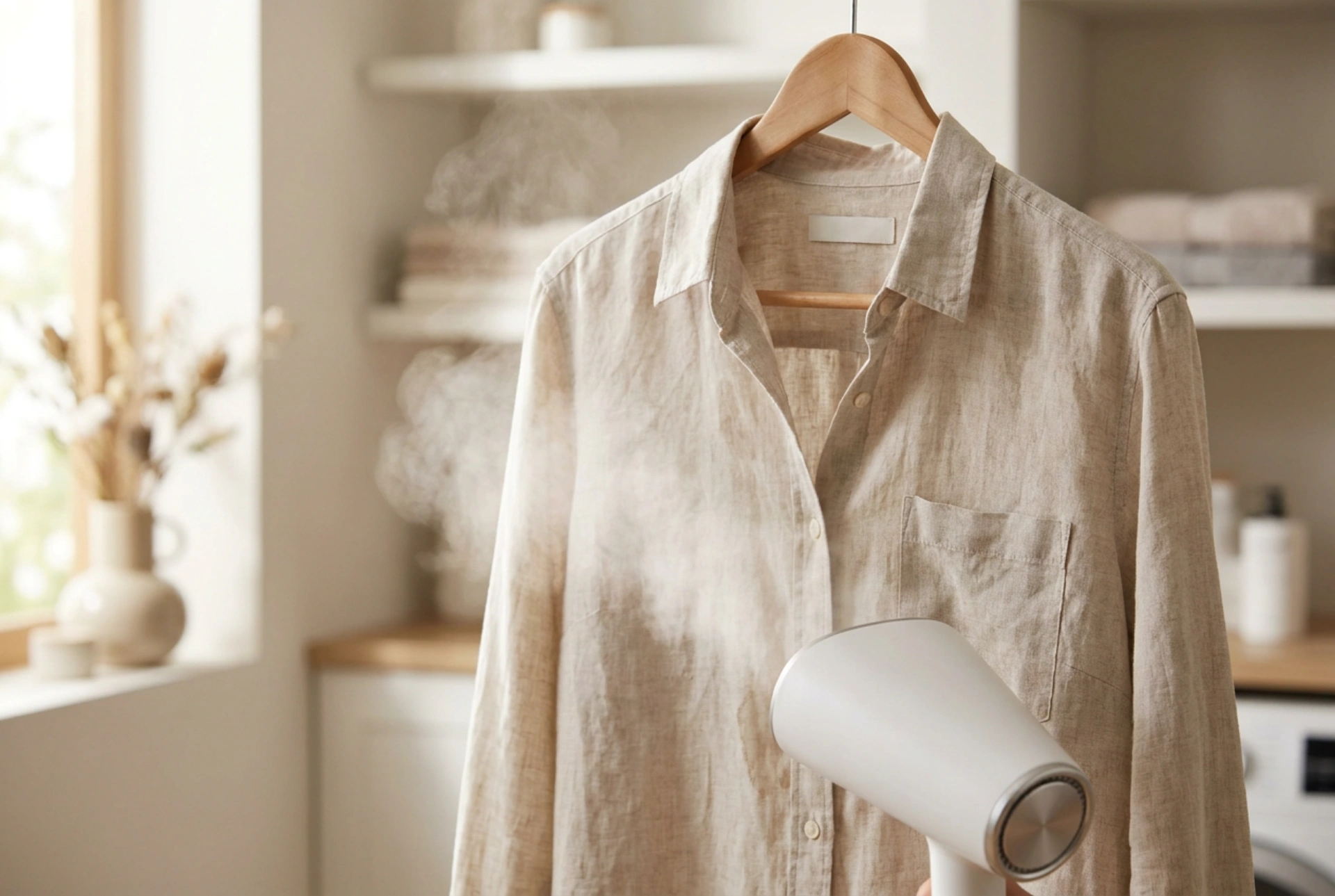
Because you are not pressing the garment against a hard surface, you must use gravity and manual tension to straighten the fibers while applying steam. Suspend the garment on a sturdy, padded hanger from a high hook or door frame. Ensure the garment hangs completely free. To steam effectively without pressing, grasp the hem of the garment with one hand and pull downward gently but firmly to create a flat, taut surface. Hold the steamer nozzle approximately one to two inches away from the surface of the fabric. Move the steamer in a slow, continuous vertical motion from the top of the garment to the bottom. Never hold the steam head in one spot for more than three seconds, as localized moisture buildup can saturate the fibers and cause water spotting.
Managing different fabric weights and weaves
The distance between the steamer nozzle and the garment should be adjusted based on the thickness and fiber type of the textile.
- Delicate synthetics (polyester, nylon): These fibers have low melting points. Keep the steamer nozzle at least two inches away and use a low steam setting. The heat from the steam is sufficient to relax these synthetic polymers without risk of melting.
- Heavy wools and knits: Wool fibers are highly resilient but prone to felting under high friction. Hold the steamer one inch away and steam from the inside of the garment when possible. This allows the steam to penetrate the dense wool structure from the back, lifting the nap and restoring loft.
- Silks and satins: Silk is highly susceptible to water spotting. Keep a distance of two inches and ensure the steamer has reached its full operating temperature to avoid spitting water droplets onto the delicate surface.
The vertical flow pattern for structured garments
To achieve a professional finish on structured shirts and dresses without crushing the seams, work in a methodical, segmented sequence. Begin with the collar and yoke. Hold the collar tips to create tension and pass the steam over the back of the collar first, then the front. Move down to the sleeves. Hold the cuff taut and run the steamer down the outer seam, then the inner seam, allowing the steam to penetrate both layers of fabric simultaneously. Finally, address the main body panels. Work from the top shoulder seam down to the bottom hem, handling the front panels first, followed by the back panel. This sequence prevents you from introducing new creases into freshly steamed sections while handling the garment.
Drying and setting the fibers
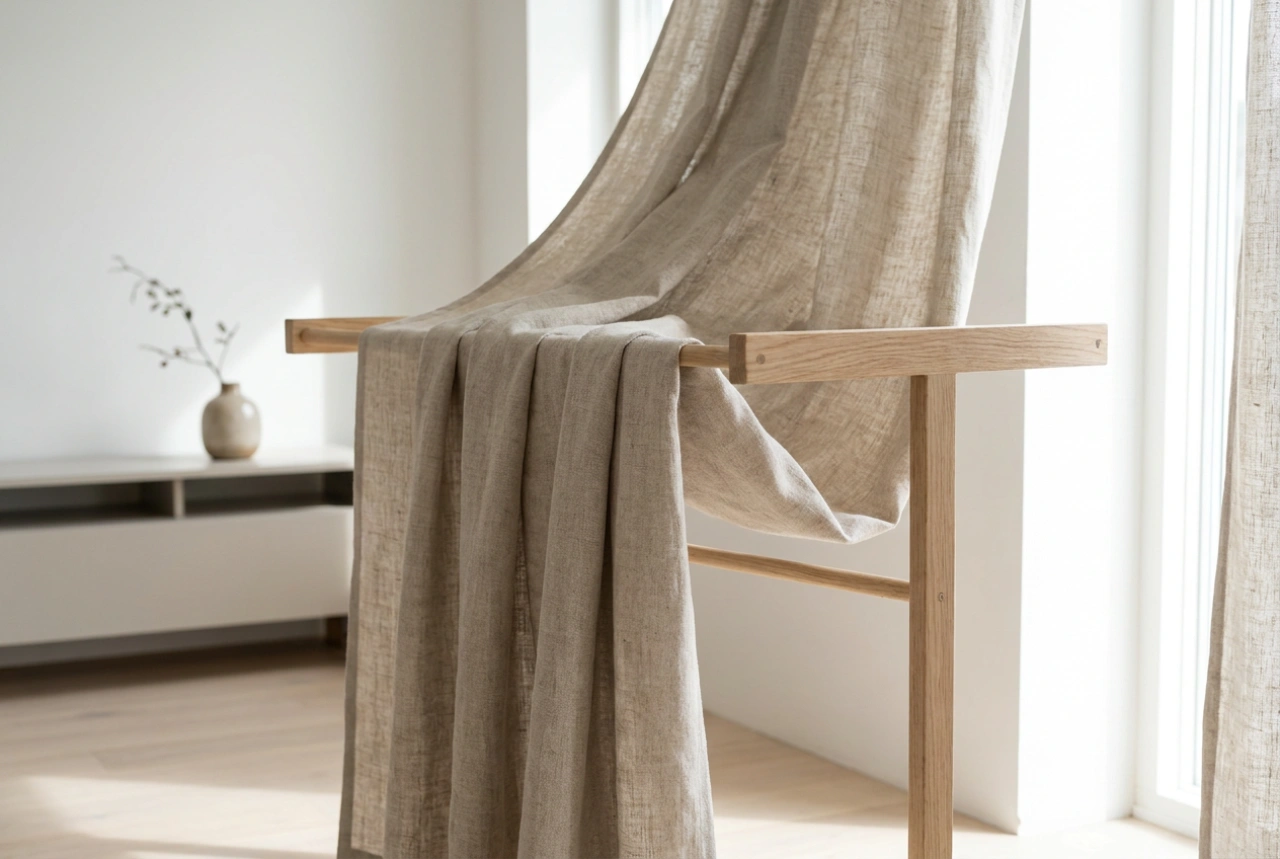
Once the steaming process is complete, the fiber bonds are relaxed and the fabric contains a small amount of residual moisture. If you wear or pack the garment immediately, new wrinkles will form instantly. Always allow the garment to hang undisturbed in a well-ventilated area for at least fifteen minutes. This cooling period is crucial; it allows the moisture to evaporate and the molecular bonds within the fibers to reform in their newly straightened alignment, ensuring the garment retains its smooth appearance throughout the day.