

An unorganized first aid kit can delay critical response times during minor household emergencies, leading to expired medications and misplaced dressings when they are needed most.
The Core Principles of Medical Storage
Proper storage of medical supplies relies on maintaining the chemical stability of active compounds and ensuring rapid physical access. Most over-the-counter medications and dressings are sensitive to three main environmental factors: temperature, humidity, and ultraviolet light. When these elements fluctuate, chemical degradation accelerates, reducing the efficacy of active ingredients. For this reason, the traditional bathroom cabinet is often the worst location for medical storage due to the high humidity and temperature spikes generated by baths and showers.
Instead, choose a cool, dry, and dark location that remains consistently between 15 and 25 degrees Celsius. A dedicated drawer in a hallway, bedroom closet, or utility room works best. Additionally, security must be balanced with accessibility. The storage unit should be positioned out of reach of children and pets, yet easily accessible to all adults in the household without requiring keys that could be lost in a high-stress moment.
Categorization by Physical State and Purpose
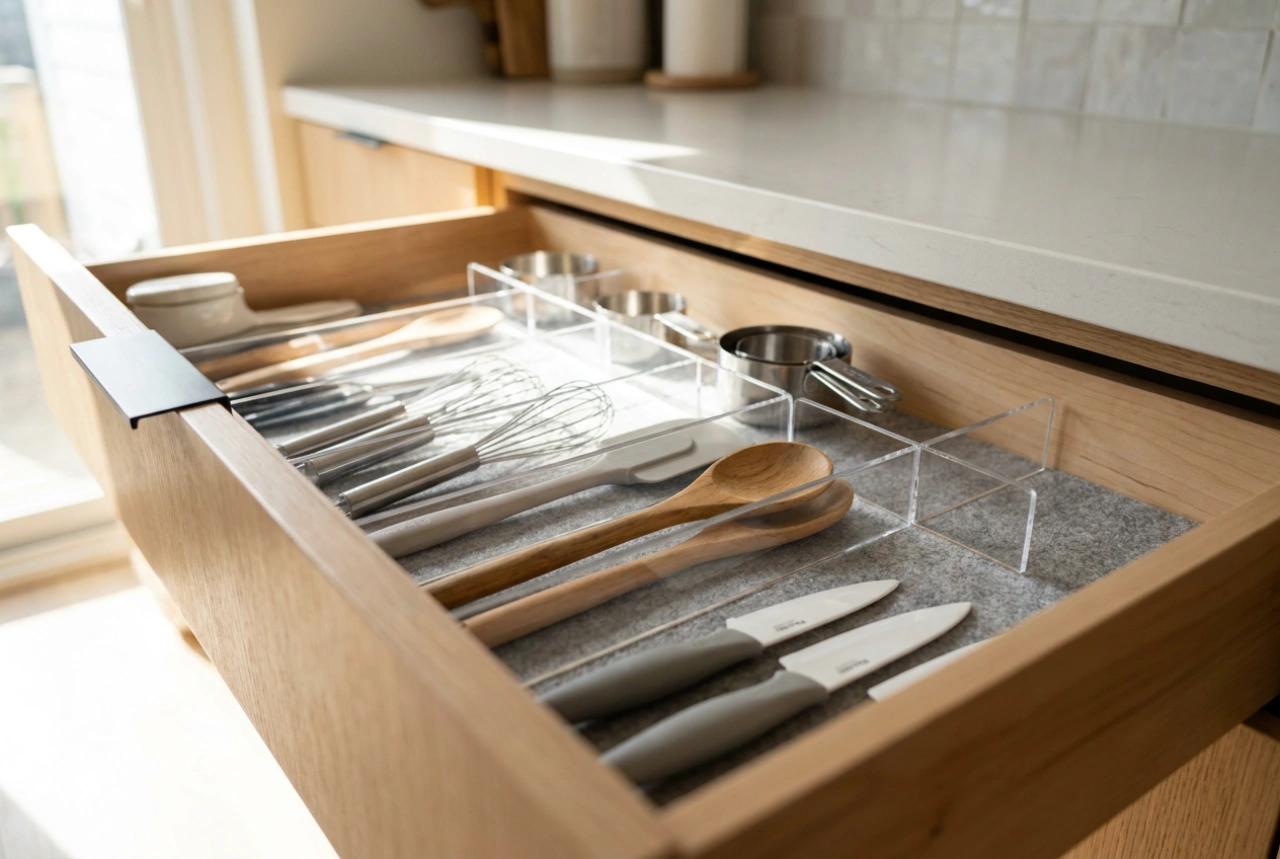
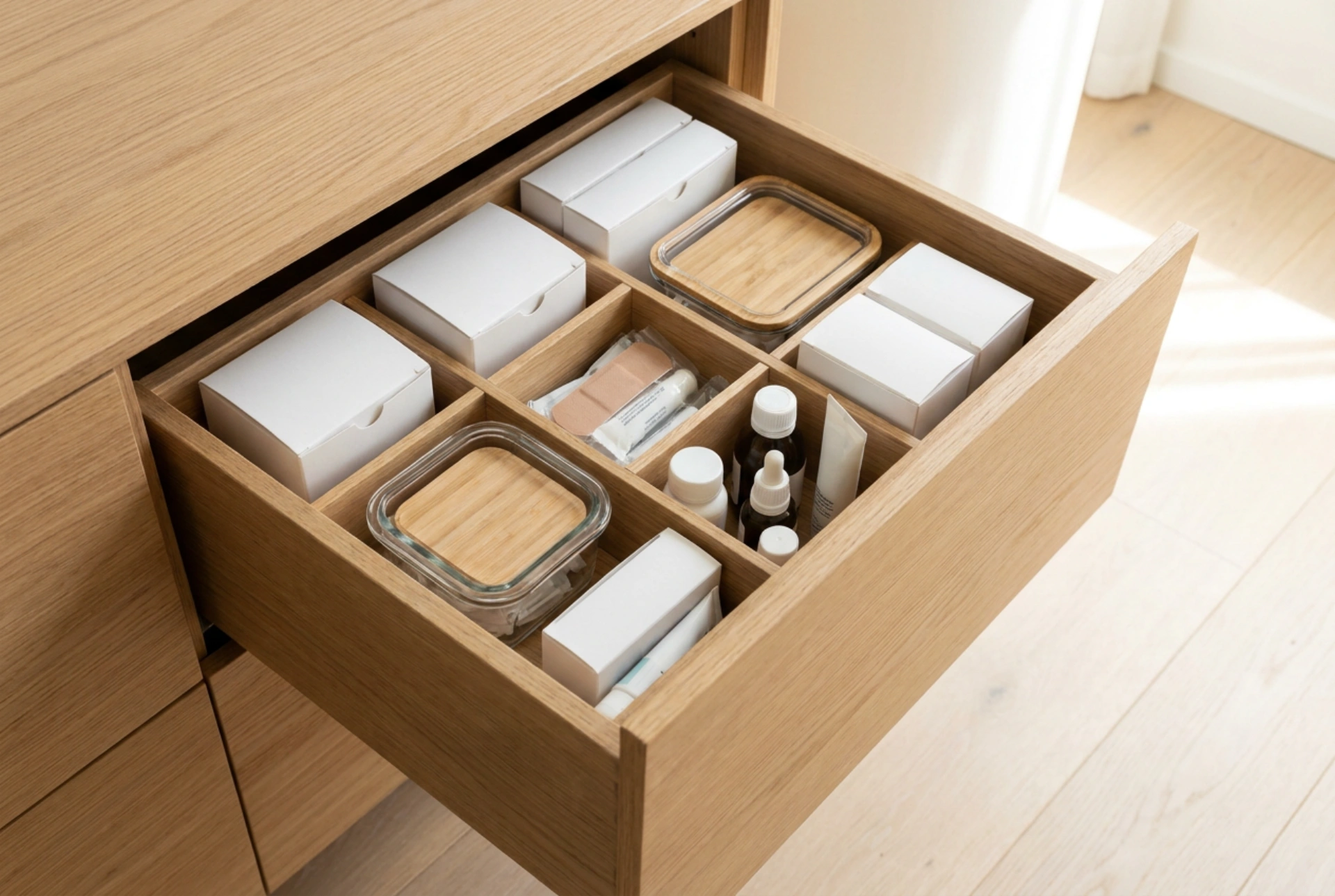
To prevent chaotic searching, organize your supplies using physical dividers and clear, non-porous containers. Grouping items by their physical state and therapeutic purpose minimizes contamination risk and speeds up selection. Use three primary categories:
- Topical and Wound Care: Bandages, sterile gauze pads, medical tape, cohesive bandages, and antiseptic solutions. Keeping these together prevents wound contamination during emergency treatment.
- Internal Medications: Pain relievers, antipyretics, antihistamines, and gastrointestinal treatments. Grouping these by symptom prevents accidental double-dosing of similar active compounds.
- Tools and Diagnostics: Thermometers, medical tweezers, scissors, and protective nitrile gloves. These should be placed in the most accessible compartment of the storage container.
The Chemistry of Preservation and Hygiene
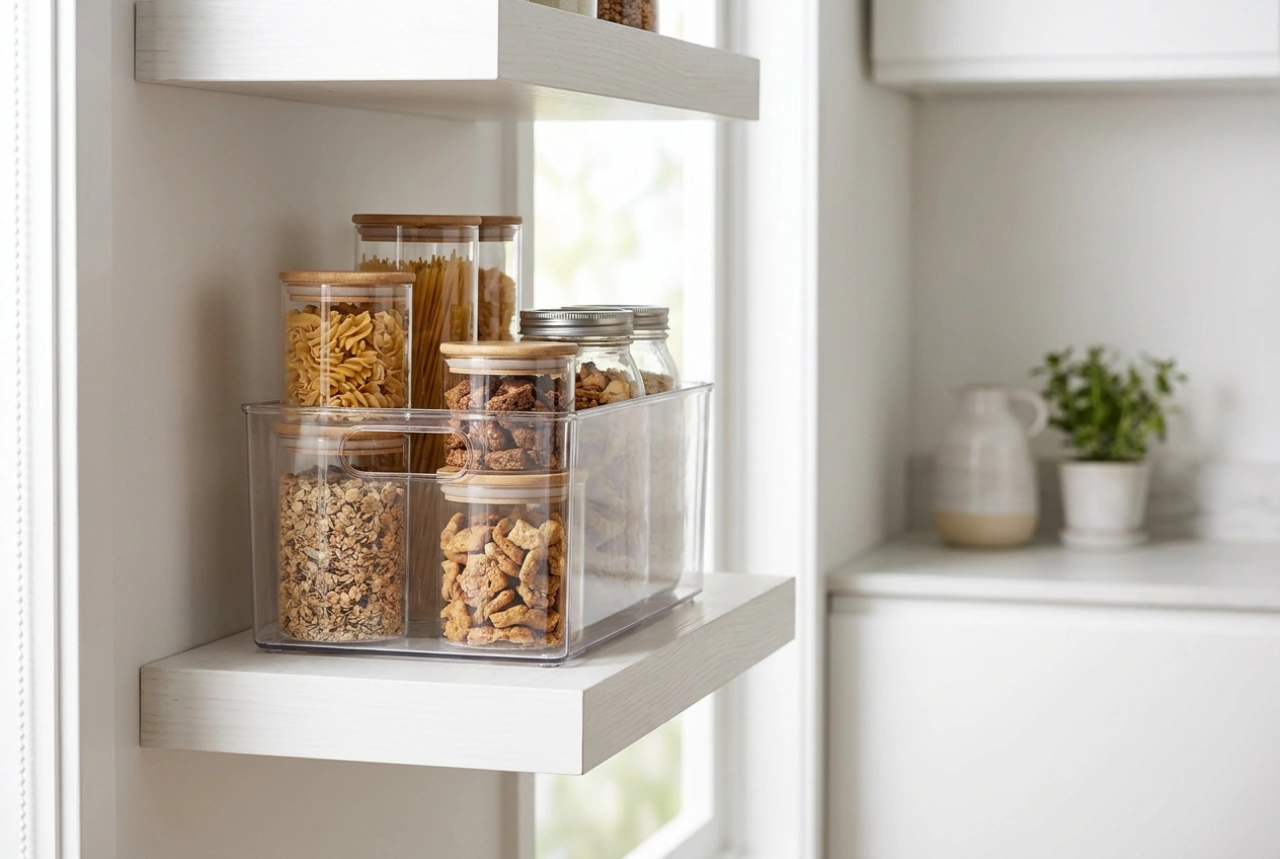
Managing a home first aid kit requires a basic understanding of material science. Sterile dressings are only sterile as long as their paper packaging remains completely intact and dry. Moisture weakens paper fibers, allowing microscopic pathogens to penetrate. Store all sterile items in airtight, transparent containers to protect them from ambient humidity.
When selecting antiseptics, opt for non-staining, non-stinging aqueous solutions of octenidine dihydrochloride or chlorhexidine. Traditional solutions like isopropyl alcohol or hydrogen peroxide can actually delay wound healing by damaging healthy tissue cells and healthy new skin cells at the wound margins. For tools like tweezers and scissors, choose high-grade stainless steel which resists oxidation when sanitized with isopropyl alcohol after each use.
The Rotation and Audit Protocol
A systematic audit process ensures your home medical supplies remain safe and ready for use. Implement a strict double-envelope or physical rotation system. Place items with the shortest expiration dates at the front of each compartment, while newer items with longer shelf lives sit at the back.
Conduct a thorough physical audit every six months. During this audit, inspect liquid formulations for changes in viscosity, color, or separation of phases. Discard any tablets that show signs of crumbling or discoloration. Do not dispose of expired chemical compounds in household waste or toilets; instead, gather them in a dedicated bag and take them to local pharmacy collection points to prevent environmental contamination.