

Recirculating cooker hoods rely entirely on activated charcoal filters to capture grease and neutralize cooking odors before returning the air to your kitchen. Understanding the molecular science of filtration and mastering operational techniques will significantly improve your indoor air quality.
The Science of Activated Charcoal and Odor Adsorption
To optimize your cooker hood, it is essential to understand how charcoal filters function. Unlike ducted systems that extract air outside, recirculating hoods use adsorption. Activated carbon is processed to have an extremely large surface area packed with millions of microscopic pores. When airborne grease, moisture, and organic volatile compounds pass through, they become trapped inside these pores via van der Waals forces.
However, this process is highly sensitive to moisture and airflow velocity. If the air moves too quickly through the filter, the contact time is insufficient for adsorption to occur. Conversely, if the filter becomes saturated with water vapor or grease, the active sites on the carbon block, rendering the filter ineffective. Managing air speed and moisture is key to keeping the system working efficiently.
The Pre-Ventilation Technique
One of the most common operational mistakes is turning the cooker hood on only when steam or strong smells are already filling the kitchen. To achieve maximum efficiency, turn the hood on to a low setting approximately ten minutes before you begin cooking.
This pre-ventilation establishes a controlled, continuous aerodynamic current in the kitchen zone. By creating this low-pressure area early, you guide the rising air currents directly toward the filter intake, preventing food odors from dispersing into nearby fabrics and furniture before the fan can draw them in.
Managing Fan Speeds for Optimal Contact Time
Higher fan speeds do not automatically translate to better odor removal in recirculating systems. In fact, running the hood on the maximum setting can reduce its effectiveness.
- Low Speeds (Levels 1 and 2): These settings are ideal for simmering, boiling, or light frying. The slower airflow increases the contact time between the airborne odor molecules and the activated carbon, allowing the adsorption process to happen thoroughly.
- High Speeds (Level 3 or Boost): Save these settings strictly for heavy searing or high-heat grilling where steam volume is high. Use them briefly to capture heavy particles, then return to a lower speed to let the charcoal filter process the lingering odors.
Moisture Management and the Post-Run Phase
Water vapor is the primary enemy of activated carbon. When steam condenses inside the filter, water molecules occupy the adsorption pores, temporarily blocking odor molecules from being trapped. To combat this, always cover boiling pots with lids to limit excess moisture from entering the hood.
After you finish cooking, leave the hood running on its lowest speed for 15 to 20 minutes. This post-run phase is critical. It allows dry air to pass through the filter, evaporating any trapped moisture and restoring the active sites on the carbon. Many modern hoods feature an automatic run-on timer designed specifically for this purpose.
Maintenance and Filter Replacement Cycles
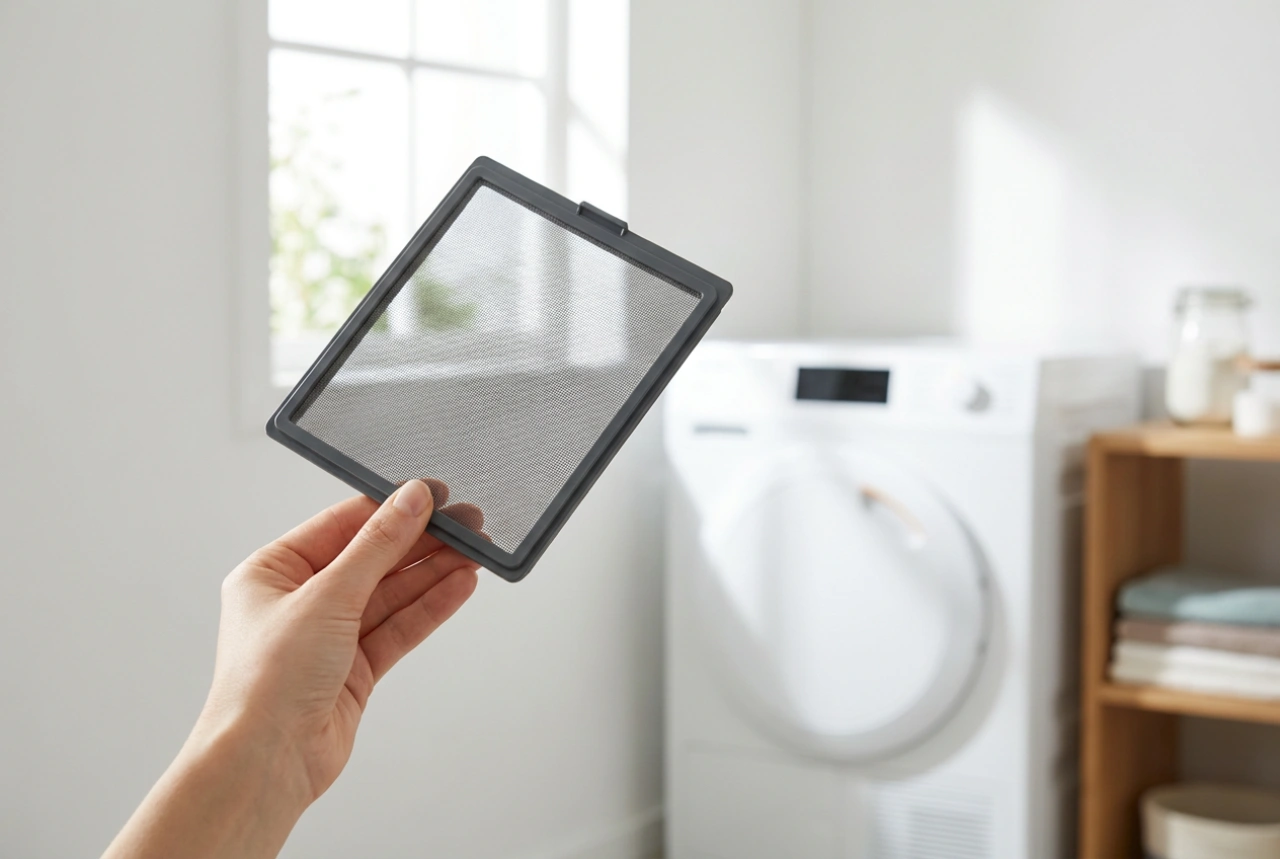
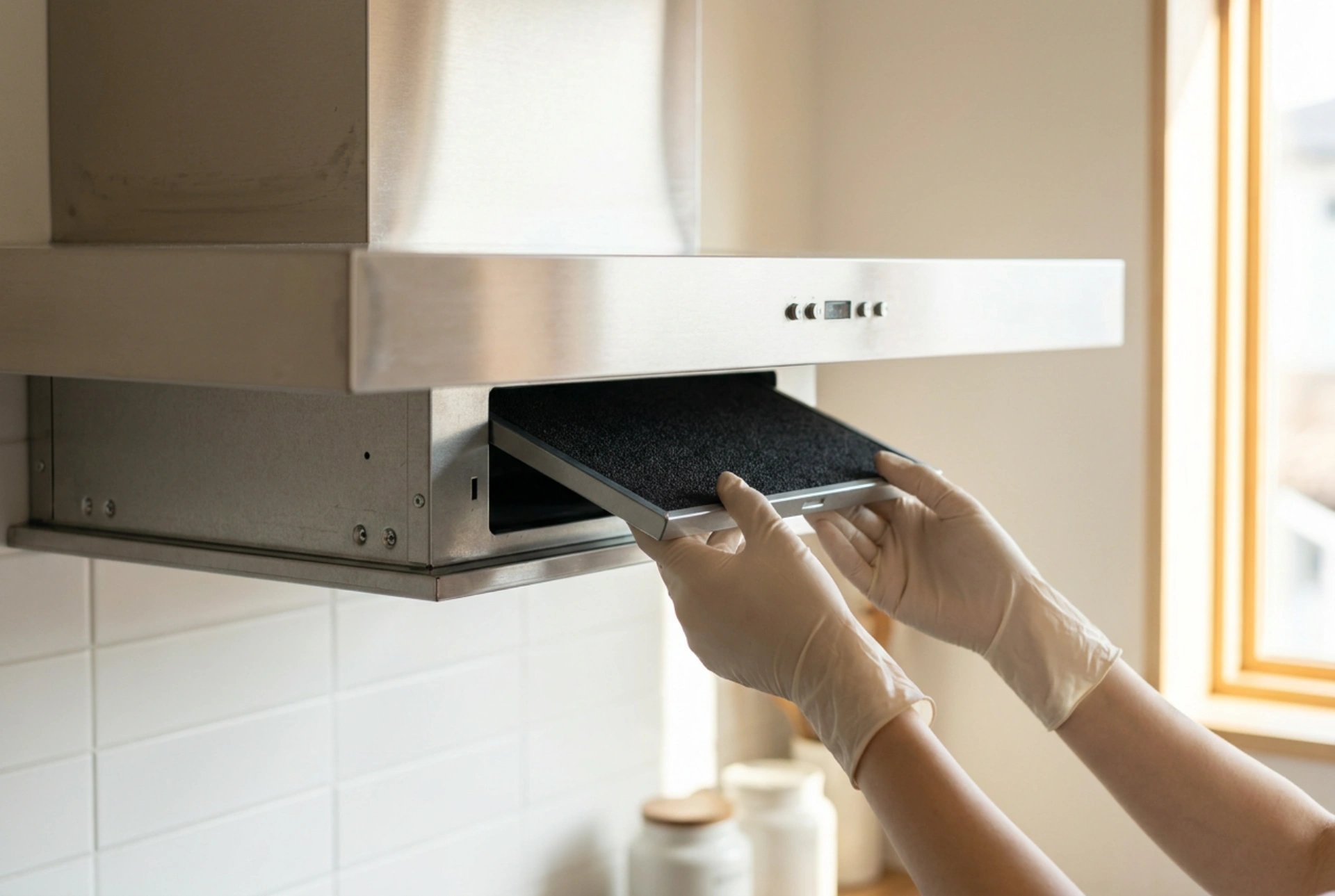
A charcoal filter cannot function without a clean grease pre-filter. The aluminum or steel mesh filters located on the exterior of the hood must be washed regularly—typically every two to four weeks. If grease bypasses these mesh screens, it will coat the charcoal filter in a sticky layer, permanently blocking the microscopic pores and ruining the filter prematurely.
Standard charcoal filters cannot be washed or regenerated; they must be replaced every three to six months depending on your cooking frequency. If you use a regenerable long-life carbon filter, follow the specific thermal reactivation process—usually involving washing it in a dishwasher without detergent and baking it in an oven at a moderate temperature to release the trapped organic compounds and dry the carbon structure thoroughly.