

Establishing a precise washing routine for your bed linen is not just about cleanliness; it preserves the structural integrity of the fibers while removing accumulated sebum, dust mites, and dead skin cells.
The Chemistry of Linen Care: Temperature and Surfactants
Bed linens absorb a significant amount of organic matter every night. To break down these lipids and proteins without destroying the cotton or linen fibers, you must select the correct wash temperature and detergent type. While hot water is highly effective at sanitizing, modern enzymes in laundry detergents are designed to target proteins at lower temperatures.
- Cotton and Linen (Flax): Wash at 60 degrees Celsius. This temperature is the scientific threshold required to denature proteins, eliminate dust mites, and dissolve body oils completely.
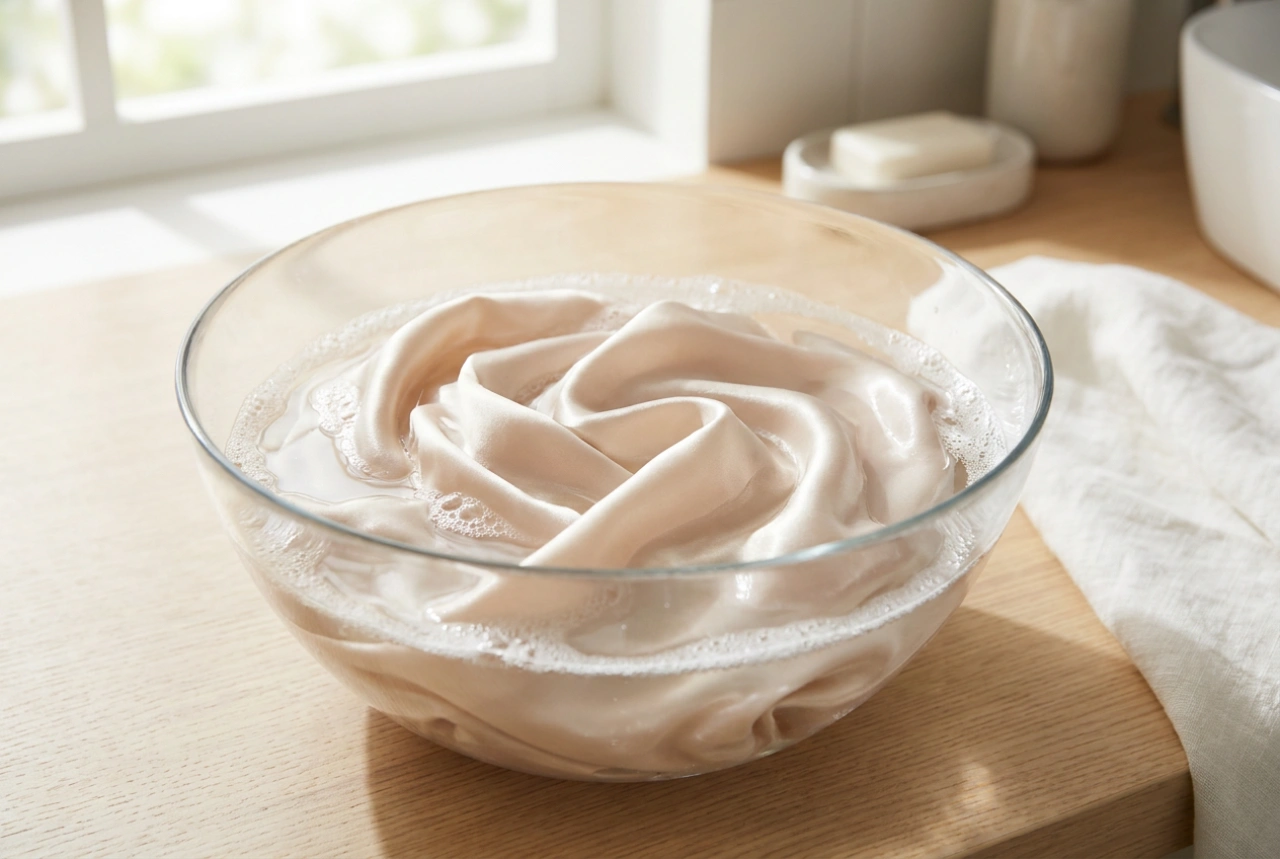
- Satin and Delicate Weaves: Opt for 40 degrees Celsius. High temperatures can cause the delicate threads to shrink, losing their characteristic sheen and smooth texture.
- Detergent Selection: Use a high-quality liquid detergent containing proteases and lipases. Avoid optical brighteners on colored linens, as they chemically alter how light reflects off the fabric, leading to artificial fading.
The Role of Oxygen Bleach and Mineral Buildup
Over time, white linens can turn yellow or grey due to a combination of body oils and mineral deposits from hard water. Instead of using harsh chlorine-based bleaching agents which weaken organic fibers over time, rely on oxygen-based bleach.
Sodium percarbonate, when dissolved in water warmer than 40 degrees Celsius, breaks down into sodium carbonate and hydrogen peroxide. This release of active oxygen oxidizes organic stains and brightens whites naturally without degrading the tensile strength of the cotton threads. To combat mineral buildup from hard water, adding a small amount of citric acid or distilled white vinegar to the fabric softener compartment neutralizes the alkaline detergent residues and dissolves calcium scale, keeping the fabric naturally soft.
Load Capacity and Mechanical Action
The physical movement within the washing machine drum is crucial for loosening dirt particles. Overloading the washing machine prevents proper mechanical action and limits the volume of water available to rinse away dissolved grime.
Optimizing Drum Space
Never fill the drum more than three-quarters full when washing bed sheets. The fabric needs sufficient space to tumble freely, allowing the detergent solution to penetrate the weave uniformly. Insufficient rinsing leaves surfactant residues trapped in the fibers, which then attract dust and oils more quickly during use, creating a stiff texture.
Spin Cycle Calibration
High spin speeds cause friction that leads to micro-tears in natural fibers. Set your washing machine spin speed to a maximum of 800 to 1000 RPM. This retains enough moisture to assist in wrinkle-free drying while preventing physical damage to the seams and hems.
Drying and Storage Mechanics
How you dry your bed linen directly impacts its longevity and texture. While tumble dryers offer convenience, the high-heat cycle can cook the fibers, making them brittle over time.
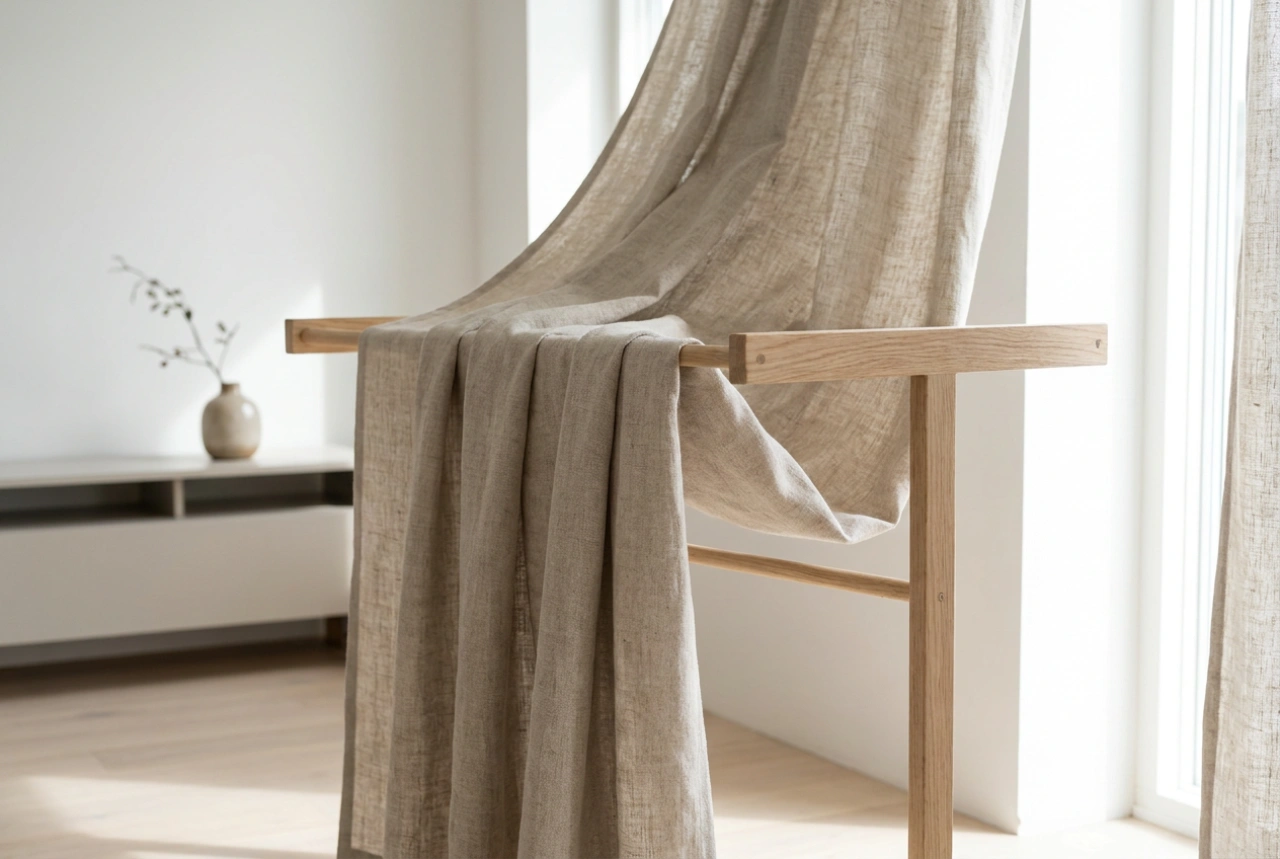
Whenever possible, line dry your sheets outdoors or in a well-ventilated room. Sunlight contains natural ultraviolet radiation which acts as a mild disinfectant and natural bleaching agent. If you must use a tumble dryer, select a low-heat, delicate cycle and remove the sheets while they are still slightly damp. This residual moisture allows the fibers to relax, making ironing easier and preventing static buildup without the need for chemical-laden dryer sheets.