

Wicker laundry baskets offer a classic, breathable aesthetic for home organization, but incorrect usage can lead to trapped moisture, musty odors, and mildew growth on your garments.
The physics of wicker and moisture retention
Wicker is a natural, porous material woven from plant fibers such as willow, rattan, reed, or bamboo. Because these fibers are hygroscopic, they naturally absorb moisture from the surrounding air and from the damp clothing placed inside them. When wet towels or sweaty activewear are thrown directly into an unlined wicker basket, the tight weave restricts rapid airflow, creating a high-humidity microclimate. This dark, damp environment accelerates the proliferation of mold spores and bacteria on both the fabric fibers and the wicker itself, leading to irreversible staining and sour odors.
The critical role of breathable textile liners
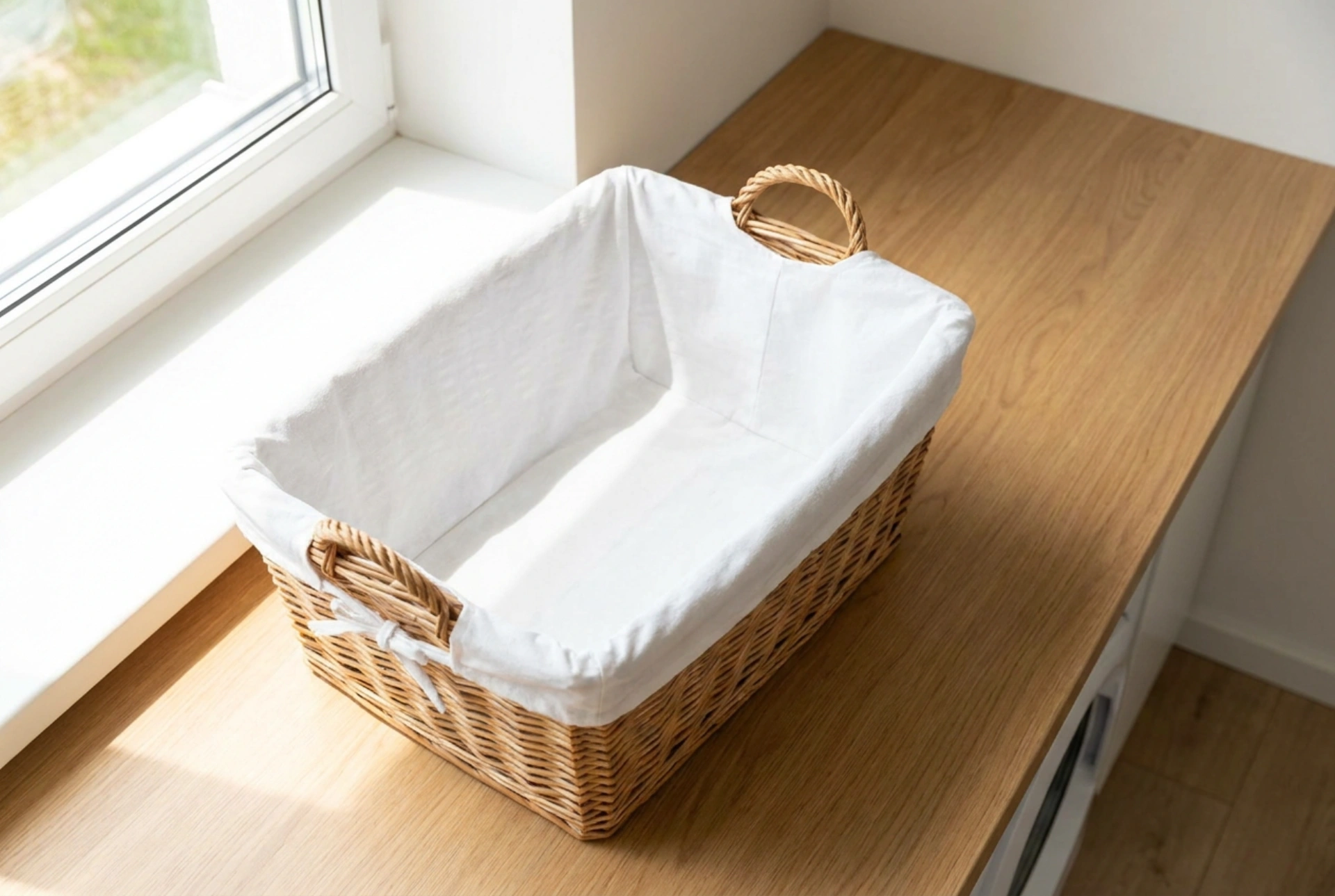
To protect your garments from direct contact with the wicker and to regulate humidity, always use a removable, washable textile liner. The material of this liner is crucial for moisture management:
- Canvas and heavy cotton: These natural fibers are highly absorbent, drawing residual moisture away from your clothes while allowing air to circulate through the weave.
- Linen: Known for its exceptional breathability and quick-drying properties, linen prevents humidity buildup better than synthetic fabrics.
- Avoid polyester and nylon: Synthetic liners trap moisture inside the basket, creating a greenhouse effect that ruins clothing.
Wash the liner weekly at a high temperature (at least 60 degrees Celsius) using an oxygen-bleach based detergent to sanitize the fabric and eliminate any embedded fungal spores.
Screentime and separation: Pre-sorting protocol
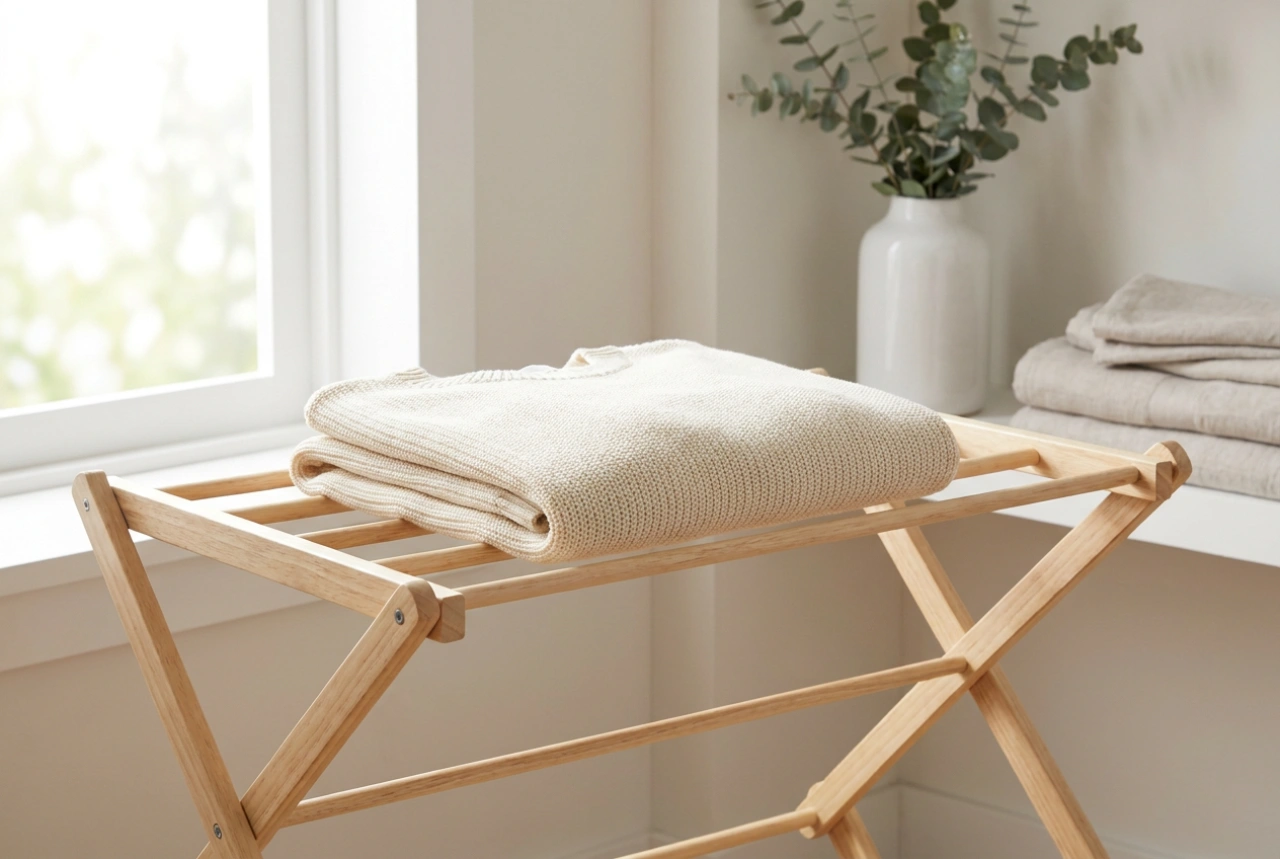
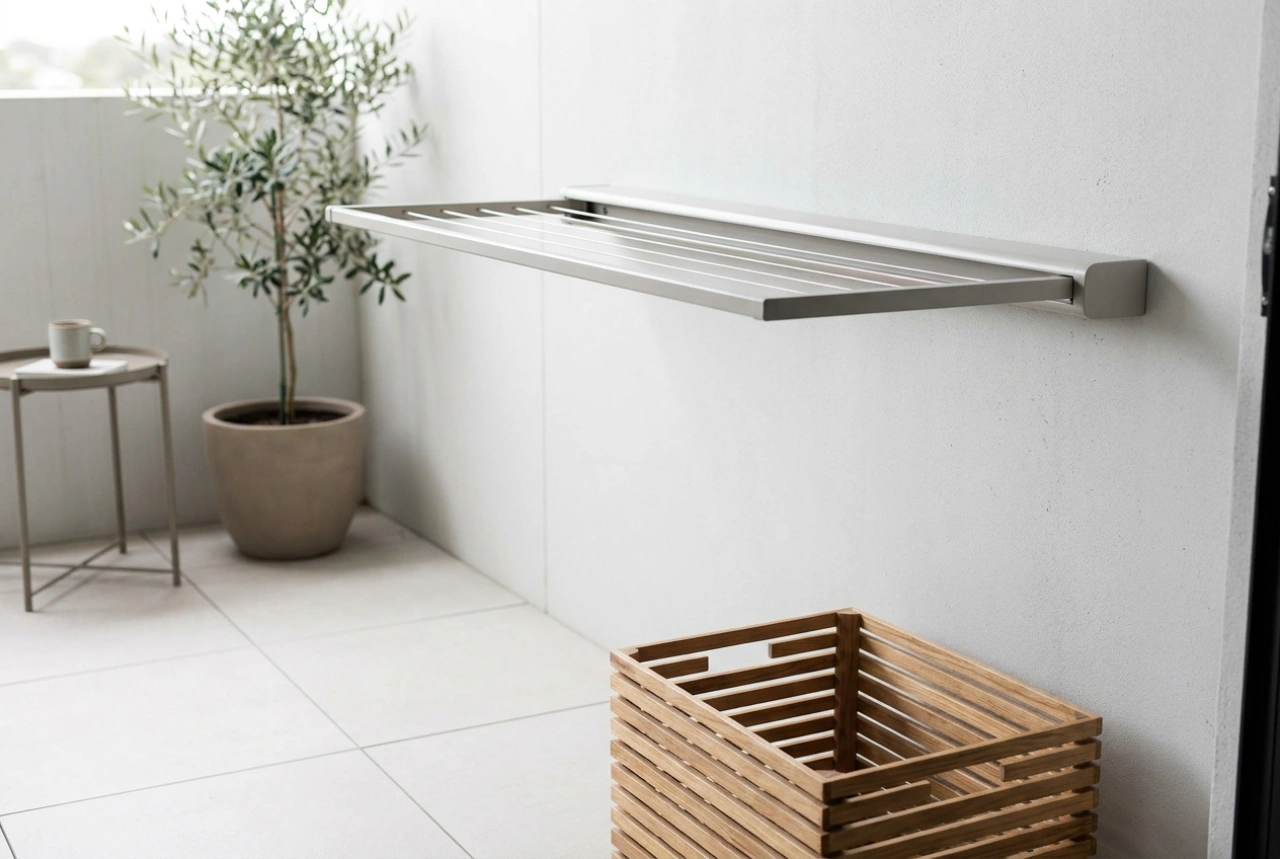
Preventing dampness in wicker baskets requires a strict pre-sorting routine. Never toss saturated items directly into the basket. Damp towels, bathmats, and sweat-soaked workout gear should be hung over a drying rack or the edge of the bathtub until they are completely bone-dry before they enter the wicker container. Furthermore, place the basket in a well-ventilated area with consistent airflow, away from high-humidity zones like the immediate vicinity of a shower or a damp basement floor.
Deep cleaning and maintaining the wicker frame
Even with a liner, the wicker structure requires periodic maintenance to prevent dust accumulation and mold colonization. Every few months, empty the basket and vacuum the interior and exterior weaves using a brush attachment to remove dust and lint. If you detect a musty smell, wipe the wicker down with a microfiber cloth slightly dampened in a solution of warm water and white vinegar (a natural mild acid that kills mold spores without damaging wood fibers). Ensure the basket dries completely in a sunny, well-ventilated spot or outdoors before inserting the clean liner and returning it to service.