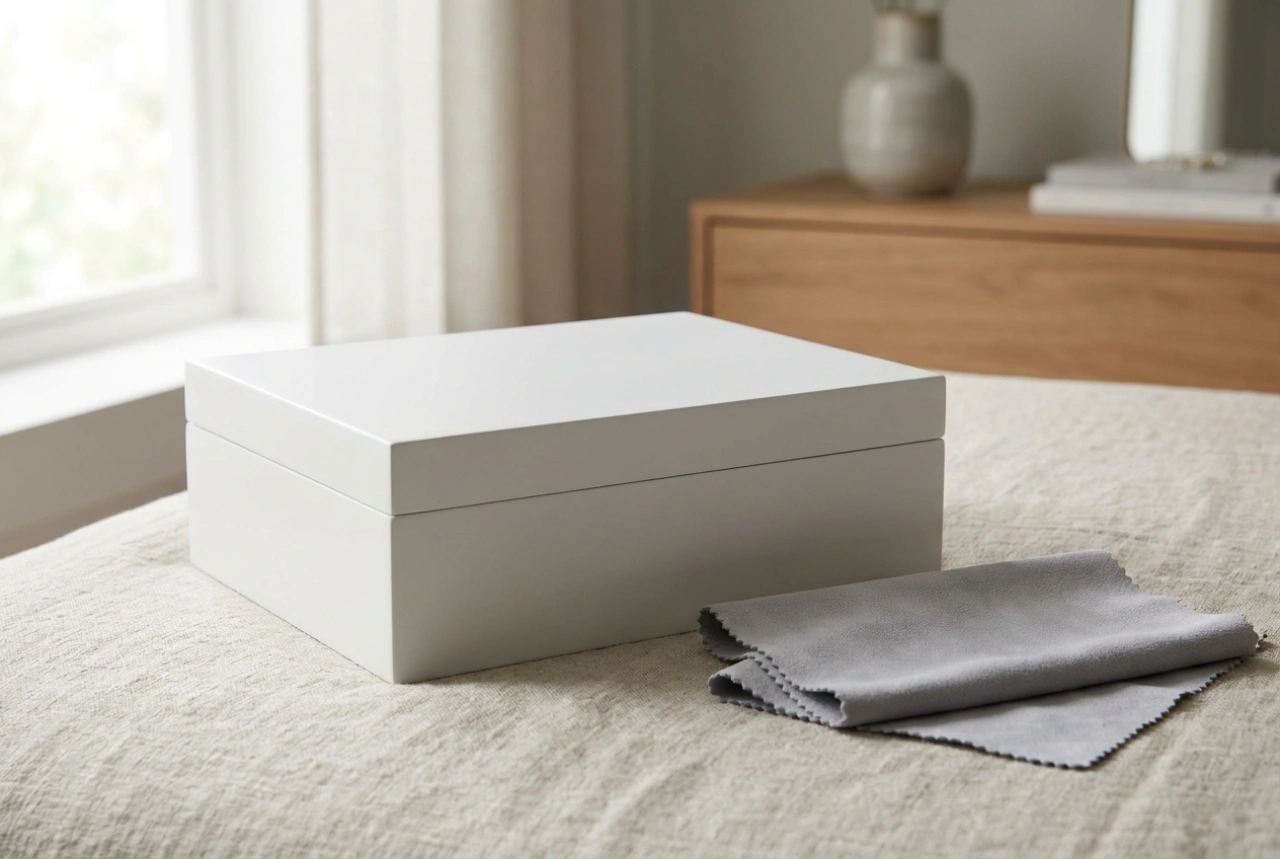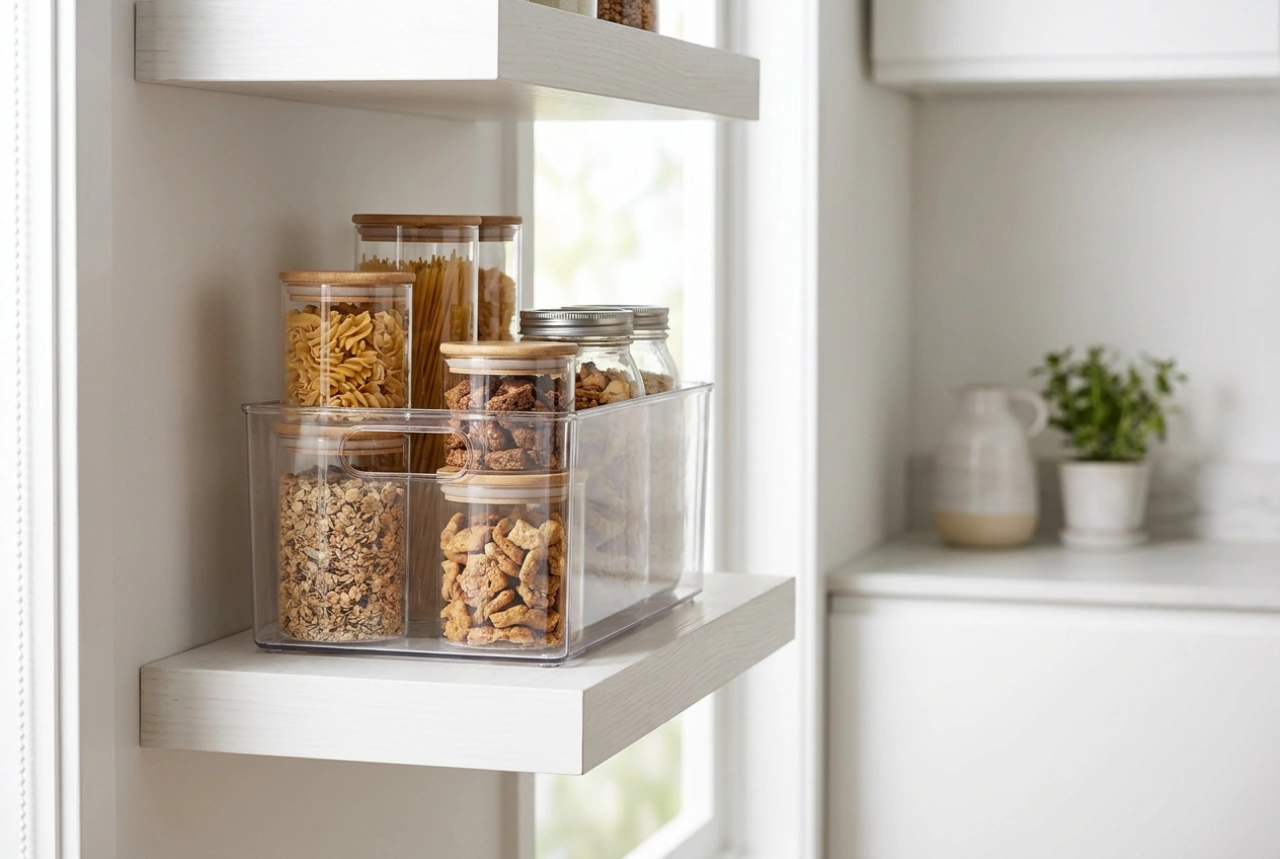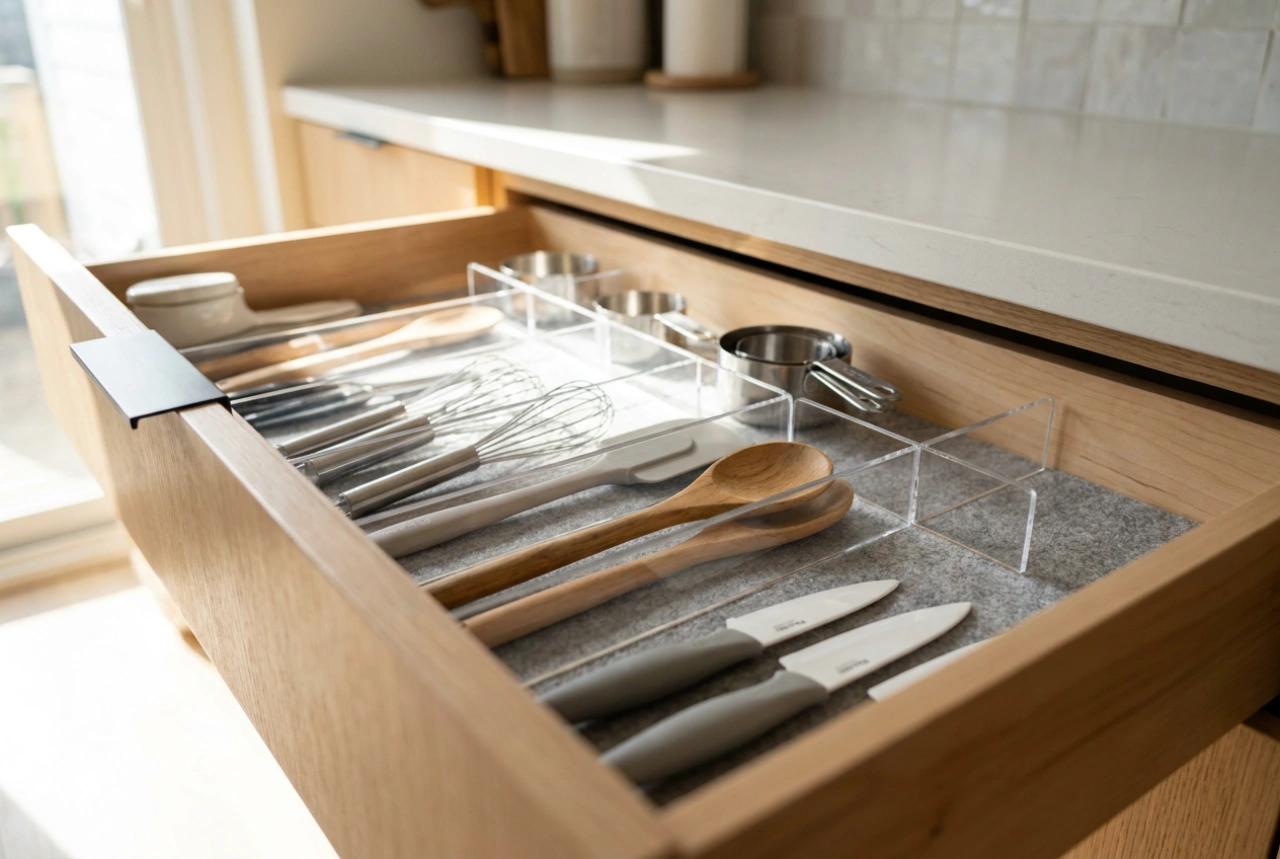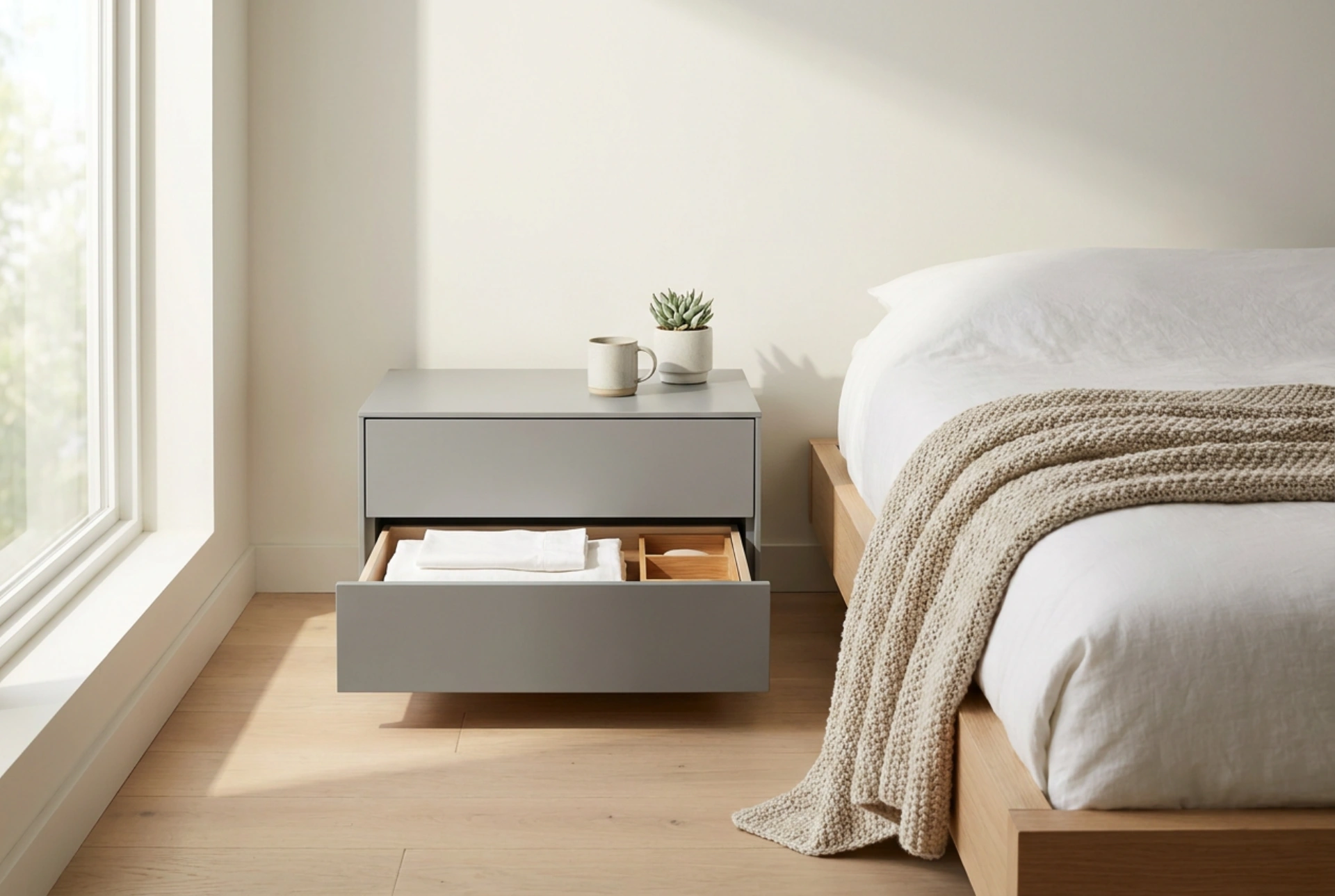


The entryway serves as the transition zone of the home, where daily essentials are often misplaced due to the lack of dedicated storage systems.
The Physics of Entryway Chaos
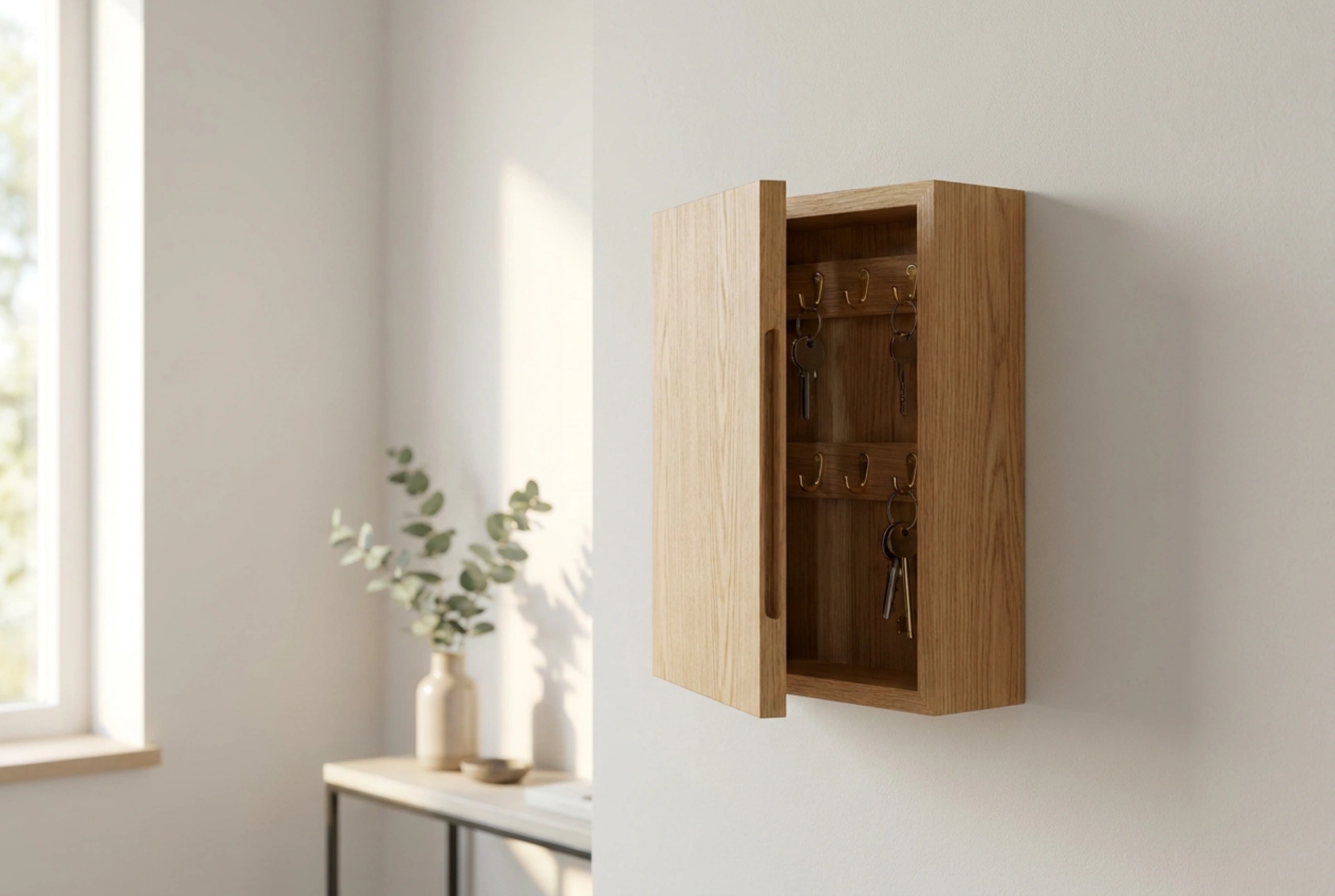
In many households, keys, mail, and small accessories are discarded immediately upon entering, creating physical clutter and cognitive fatigue. When objects do not have a designated spatial anchor, they occupy random horizontal surfaces like countertops, dining tables, or consoles. Implementing a wall-mounted wooden key box establishes a permanent vertical storage zone that utilizes unused wall space and prevents the buildup of clutter on functional surfaces.
Material Properties of Solid Wood in High-Traffic Zones
Selecting the right material for an entryway organizer is crucial for longevity and aesthetics. Hardwoods such as oak, beech, or walnut offer high density and structural stability, resisting the daily wear of metal keys scraping against their surfaces. Wood also acts as a natural acoustic dampener; unlike metal or plastic trays that produce sharp, irritating noises when keys are dropped into them, a solid wood box absorbs the impact sound, contributing to a calmer home environment. Applying a matte polyurethane or natural wax finish protects the wood fibers from skin oils and moisture brought in from the outdoors.
How to Optimize Key Box Placement and Installation
For a key organizer to function effectively, its placement must align with natural movement patterns within the home. Follow these precise steps for optimal installation:
- Determine the Ergonomic Height: Mount the box at eye level, approximately 150 to 160 centimeters from the floor. This allows all adult household members to easily view the hooks and access contents without bending or stretching.
- Analyze Traffic Flow: Install the box on the latch side of the main door or immediately adjacent to the primary landing strip. It should be accessible within one step of entering, yet positioned far enough from the door frame to avoid being struck by the door handle when opened.
- Secure Mounting: Keys and keychains can carry significant weight. Use appropriate wall anchors (such as toggle bolts for drywall or expansion plugs for masonry) to ensure the box remains firmly attached to the wall under daily mechanical pull.
Internal Organization and Habit Formation
The internal layout of a key box should facilitate rapid sorting. Incorporating brass or stainless steel hooks allows keys to hang vertically, preventing tangles and making individual sets instantly recognizable. To build a lasting routine, assign specific hooks to specific sets of keys (such as vehicle, gate, or house keys). This spatial consistency relies on muscle memory, reducing the cognitive load required to find or store keys. Closing the cabinet door conceals visual noise, instantly restoring a clean and minimalist look to the entryway zone.