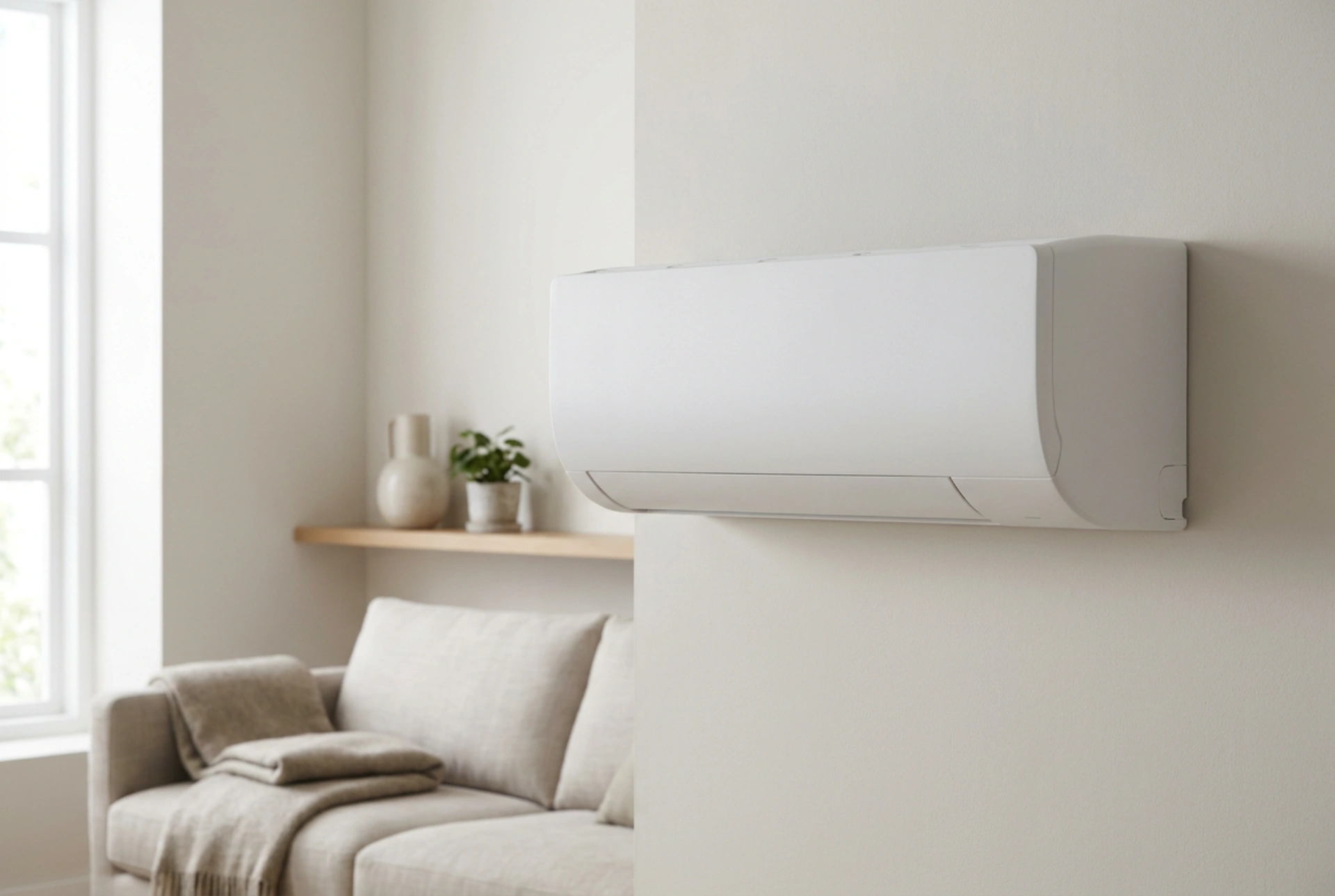


Modern air conditioners with heat pump technology are highly efficient thermal transfer systems designed to move heat between indoor and outdoor environments using physical thermodynamic principles.
The Core Principle of Thermal Transfer
An air conditioner with a heat pump does not create cold or heat from scratch. Instead, it moves existing thermal energy from one location to another. This process relies on a closed loop containing a specialized chemical refrigerant that transitions between liquid and gaseous states. The physical behavior of this refrigerant is governed by the ideal gas law: when a gas is compressed, its temperature and pressure rise; when it is allowed to expand, its temperature and pressure drop rapidly.
By controlling these state changes through mechanical compression and expansion, the system can absorb heat from an area with a lower temperature and release it into an area with a higher temperature, effectively working against the natural direction of heat flow.
The Cooling Cycle: Moving Heat Outdoors
In cooling mode, the system acts as an energy extractor for your indoor living spaces. The thermodynamic process follows a specific sequence of operations:
- Evaporation: Liquid refrigerant passes through an expansion valve into the indoor evaporator coil. As the pressure drops, the liquid rapidly boils and evaporates into a cold gas. The indoor fan blows warm air across these cold copper coils. The refrigerant absorbs the thermal energy from the air, cooling the room.
- Compression: The gaseous refrigerant, now carrying the indoor heat, travels outdoors to the compressor. The compressor mechanically squeezes the gas, drastically increasing its pressure and temperature until it is hotter than the outside air.
- Condensation: The hot, pressurized gas enters the outdoor condenser coil. A fan blows ambient outdoor air across the coils. Because the refrigerant is hotter than the outside air, heat naturally transfers outward, causing the gas to condense back into a high-pressure liquid.
- Expansion: The liquid refrigerant returns to the expansion valve, where its pressure is reduced, cooling it down to repeat the entire cycle.
The Heating Cycle: Reversing the Thermodynamic Flow
To heat a room, the system reverses this entire process using a specialized component known as a four-way reversing valve. This valve alters the path of the refrigerant, swapping the functions of the indoor and outdoor coils.
During winter, the outdoor coil now acts as the evaporator, absorbing whatever ambient thermal energy is present in the outdoor air, even at temperatures well below freezing. The compressor compresses this low-temperature gas into a highly concentrated, hot gas. This hot refrigerant is then routed to the indoor coil, which now functions as the condenser. As indoor air passes over the warm coils, it absorbs the heat, warming the room while the refrigerant condenses back into a liquid to head back outdoors.
System Efficiency and the Role of Inverter Technology
The efficiency of a heat pump is measured by its Coefficient of Performance (COP) in heating mode and its Energy Efficiency Ratio (EER) in cooling mode. These metrics indicate how many units of thermal energy are moved for every unit of electrical energy consumed. Modern systems achieve ratios far exceeding 1:1, often delivering three to four times more energy as heat or cooling than they consume in electricity. This high efficiency is largely due to variable-speed inverter compressors, which constantly adjust their motor speed to match the precise thermal load of the room, preventing the energy-intensive on-off cycles of older systems.