

Cleaning a wedding gown featuring intricate lace and a delicate train requires a methodical approach based on material science to prevent irreversible damage to fragile fibers and embellishments.
Understanding Fiber Chemistry and Risk Assessment
Before introducing water or any cleaning agent to a wedding dress, you must identify the fiber composition. Most modern gowns are constructed from synthetic polyester, polyamide, or natural silk. While polyester is highly resilient and can withstand water-based cleaning, natural silk is extremely sensitive to moisture, prone to water spotting, and structural weakening when wet.
Check the inner seams for a material composition label. If the gown is silk, professional wet-cleaning or specialized dry cleaning is necessary. If the gown is polyester, manual wet-cleaning at home is highly effective, provided you control temperature, mechanical action, and chemical pH. Always test a small, hidden area of the hem or inner seam with your chosen cleaning solution before proceeding to the main fabric.
The Chemistry of Soil Removal on Gowns
The hem and train of a wedding dress collect physical dirt, asphalt dust, grass stains, and beverage spills. Each of these contaminants requires a specific chemical approach rather than aggressive scrubbing, which destroys lace mesh and pulls delicate threads.
- Organic Soil (Grass, Food, Sweat): These respond best to enzymatic action or neutral detergents. Enzymes break down proteins and starches without degrading synthetic fibers.
- Grime and Gray Dirt (Asphalt, Dust): These are held to the fabric by oils. A mild surfactant, such as a clear, fragrance-free liquid detergent, lowers the surface tension of water, allowing the oil-bound dirt to lift away.
- Tannin Stains (Wine, Coffee): These require oxygen-based bleaching agents. Avoid chlorine bleach entirely, as it causes yellowing of synthetic fibers and destroys silk.
Step-by-Step Manual Bathing Process
Never place a lace gown with a train in a washing machine; the mechanical agitation, spinning, and friction against the drum will tear delicate lace and distort the train's structural support. Instead, utilize a clean bathtub.
1. Preparation and Soaking
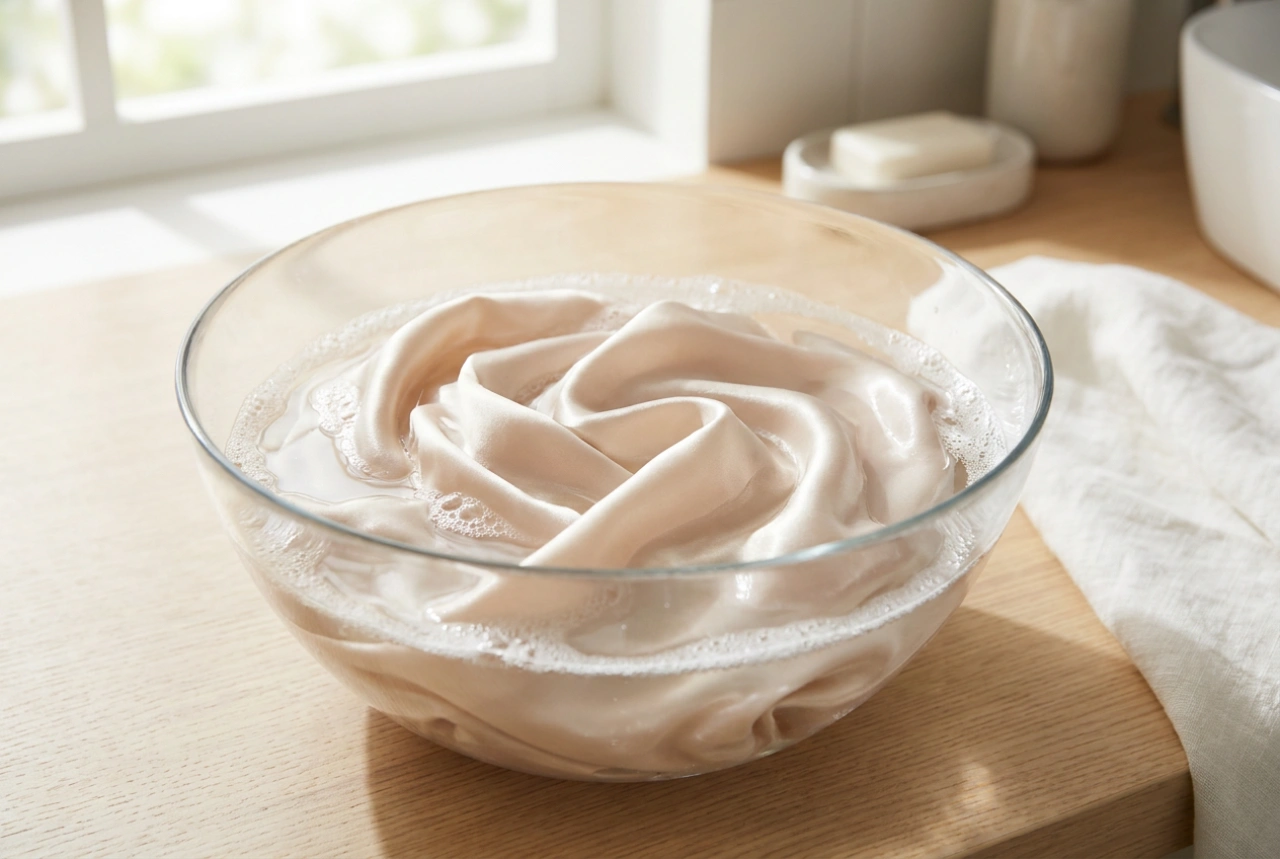
Fill a clean bathtub with lukewarm water (maximum 30 degrees Celsius). Dissolve a small amount of neutral liquid detergent or specialized delicate textile wash completely in the water before immersing the dress. Lay the gown in the tub, ensuring the heavily soiled train is fully submerged but not compressed.
2. Target Cleaning of the Train
The train bears the brunt of the dirt. Support the soiled section with your hands and gently work the soapy water through the fibers using a soft-bristled brush or a clean microfiber cloth in a patting or rolling motion. Avoid rubbing the lace surface, as friction causes pilling and tears the fine netting. Let the soiled areas soak for 30 minutes to allow surfactants to emulsify the ground-in dirt.
3. Thorough Rinsing
Drain the soapy water and fill the tub with cool, clean water. Gently press the fabric to release trapped soap. Repeat this rinsing process at least three times. Residual detergent left in the fibers will oxidize over time, turning yellow or brown during storage.
Drying and Restoring Fabric Structure
Wet wedding gowns are extremely heavy, and hanging them immediately by the shoulder straps will stretch the lace, deform the bodice, and tear delicate seams under the weight of the wet train.
To dry the gown safely, place several clean, white, dry towels on a flat surface or a drying rack. Lay the gown flat on top of the towels, straightening out the lace patterns and the train to their natural shape. Gently roll the dress in the towels to absorb excess moisture, then unroll and replace with dry towels. Once the gown is damp rather than wet, you can hang it using padded hangers, supporting the weight of the train by looping its internal hanging ribbons over the hanger hook to distribute the weight evenly. Dry the gown away from direct sunlight and heat sources.