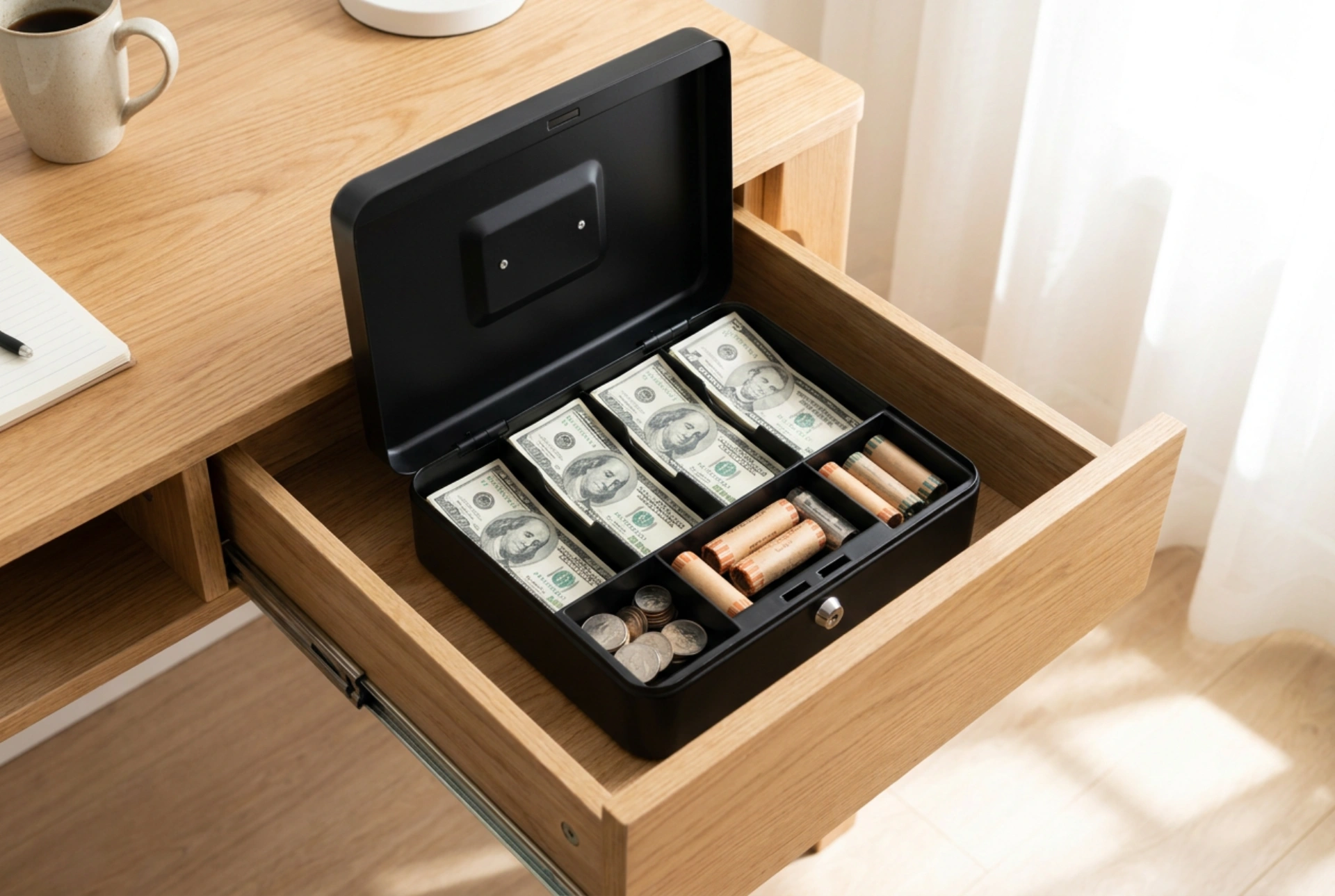


Organizing cash in a home safe box requires a systematic approach based on physical efficiency, security, and material preservation. By structuring your currency by denomination and protecting it from environmental degradation, you ensure quick access and long-term durability of the banknotes.
Optimal Internal Layout and Separation
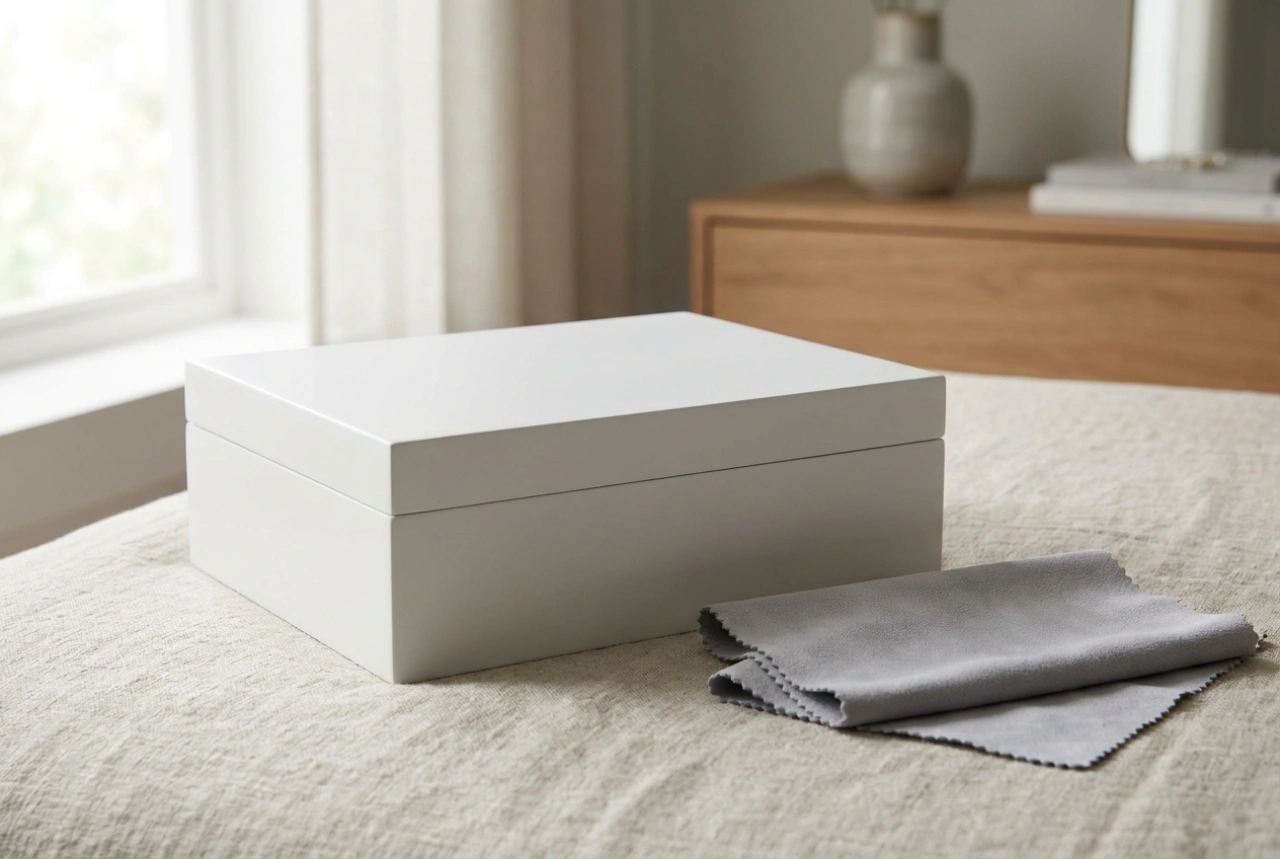
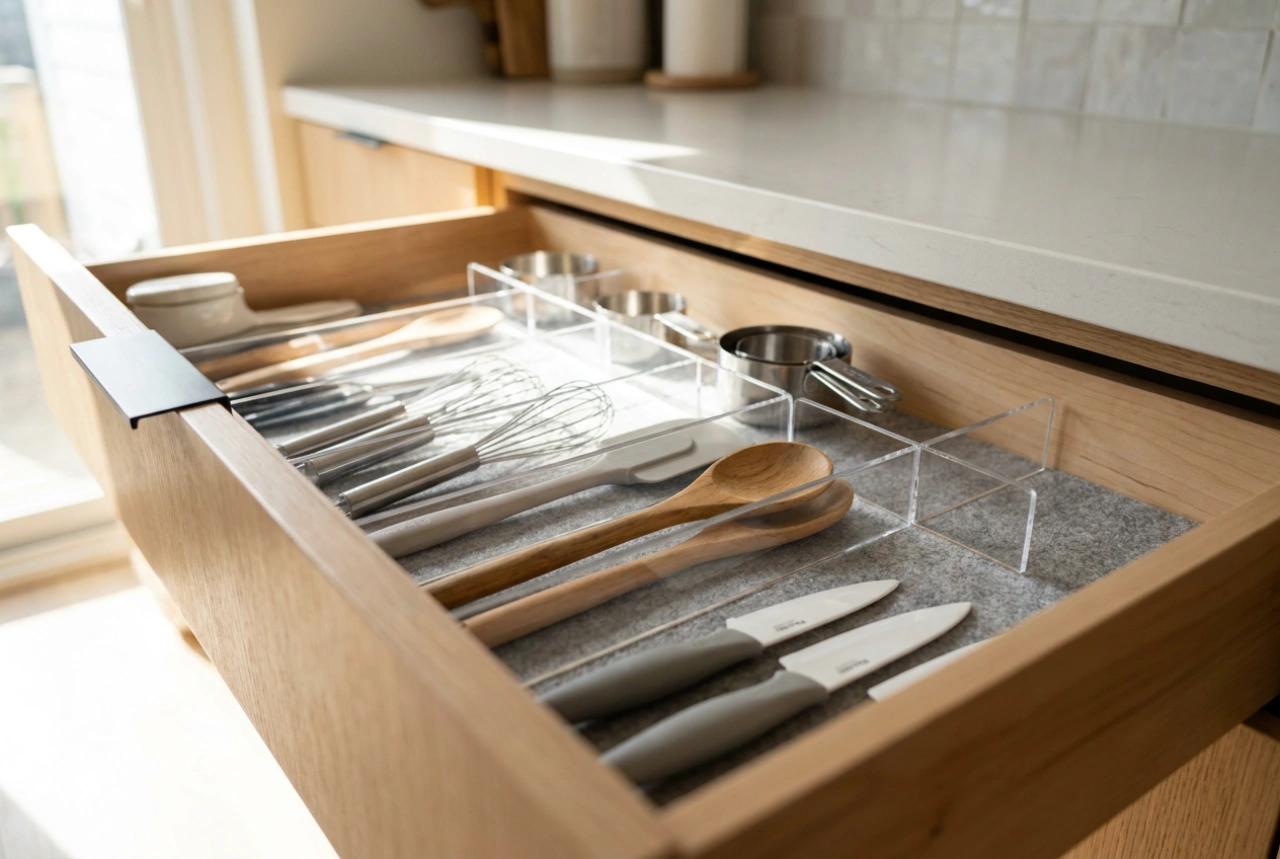
The core of cash organization lies in physical separation. Banknotes should never be stored loose or mixed together, as this increases counting time and the risk of physical wear. Use a box with dedicated, adjustable compartments. Lay banknotes flat rather than folding or bundling them with rubber bands. Rubber bands contain sulfur compounds that degrade over time, causing the rubber to rot, stick to the paper, and permanently ruin the currency. Instead, use paper currency bands or acid-free paper straps to bundle specific quantities, such as packs of fifty or one hundred bills. Position the most frequently used denominations in the front or top compartments of the tray, keeping high-value bills secured underneath or at the back.
The Physics of Preservation: Temperature and Humidity Control
Banknotes, whether cotton-fiber paper or polymer, are highly sensitive to environmental conditions. A closed drawer offers darkness, which prevents UV fading, but it can trap moisture. When relative humidity rises above sixty percent, paper currency becomes susceptible to mold, mildew, and bacterial growth, which physically breaks down the fibers. To prevent this chemical degradation, place silica gel packets inside the safe box. These packets act as desiccant agents, absorbing excess moisture from the micro-environment. Ensure the metal box does not directly touch the bottom of the wooden drawer if the drawer is prone to temperature fluctuations, as this can cause condensation on the metal surface; place a thin felt or silicone mat beneath the box to act as a thermal barrier.
Order of Operations for Cash Handling
Maintaining an organized cash box requires disciplined handling techniques. Always clean and dry your hands before sorting or counting cash to prevent the transfer of skin oils, lactic acid, and dirt onto the bills, which accelerates paper decay. When counting, use the hand-to-table sliding technique rather than bending the corners of the notes, which weakens the structural integrity of the paper fibers. Sort bills face up and facing the same direction; this uniform orientation allows you to quickly spot counterfeit notes or misaligned denominations, reducing the time the safe box remains open and exposed.
Establishing a Logical Audit Trail
An organized physical system is only as good as its documentation. Keep a small, acid-free ledger card inside the box, placed on top of the currency tray. Every time cash is added or removed, immediately log the date, the amount, the purpose of the transaction, and the remaining balance. This practice prevents discrepancies and ensures you do not have to count the entire cash reserve repeatedly, which reduces physical handling and minimizes wear on the bills.