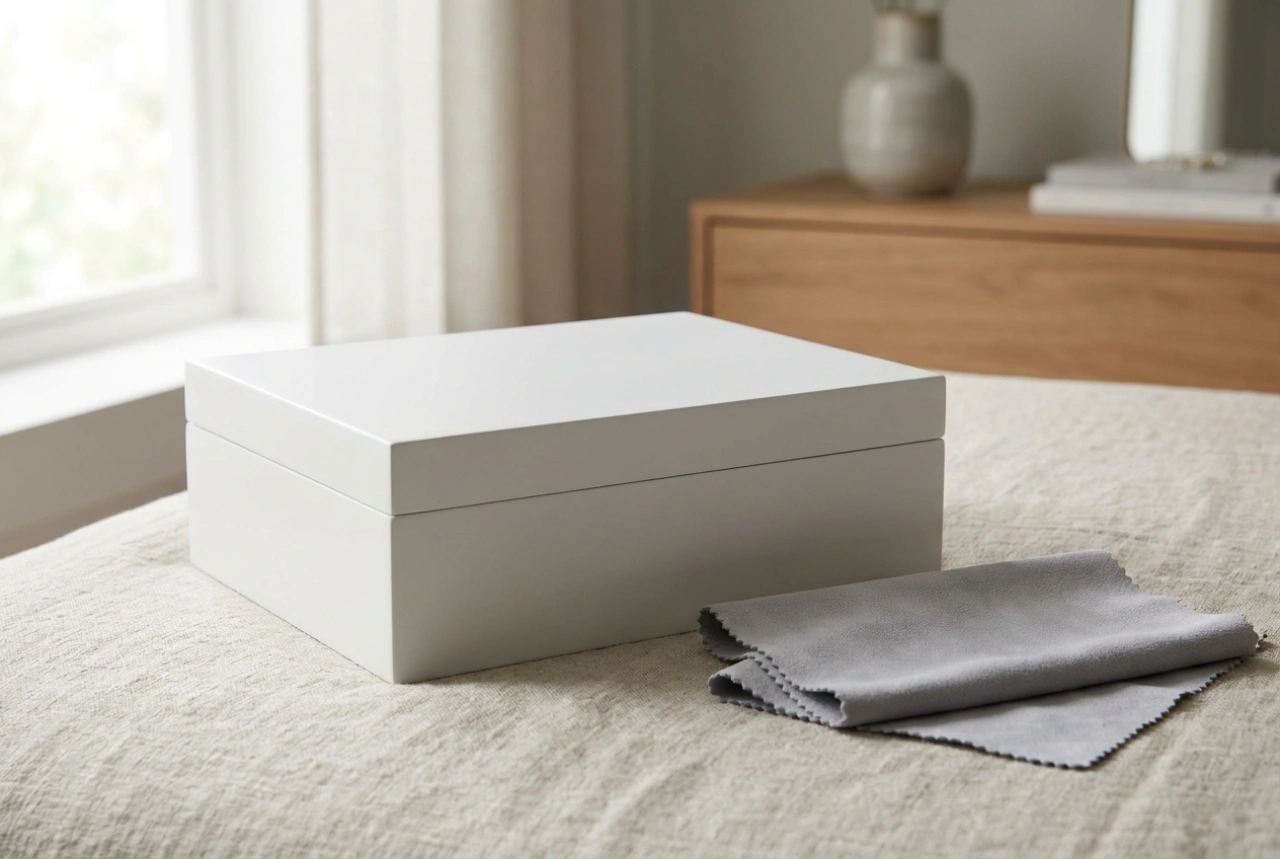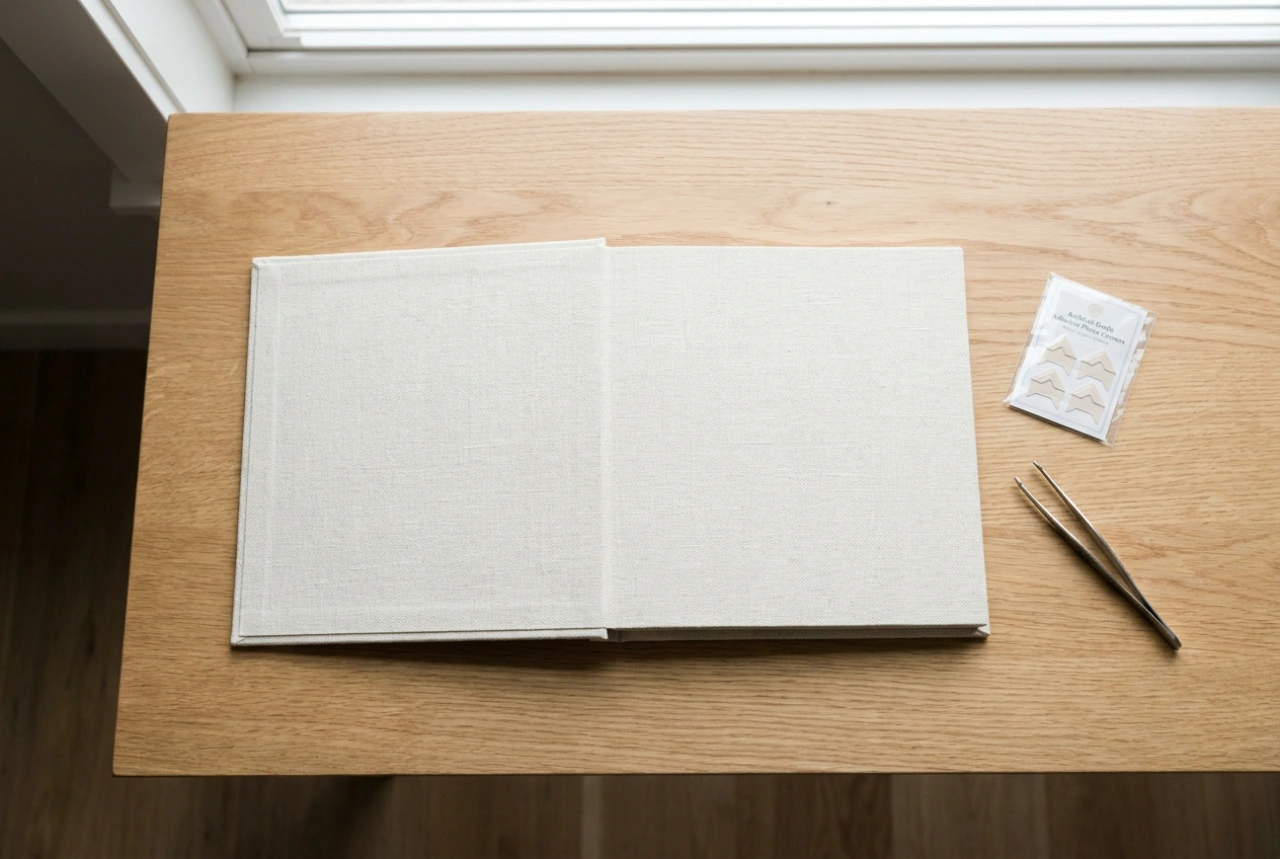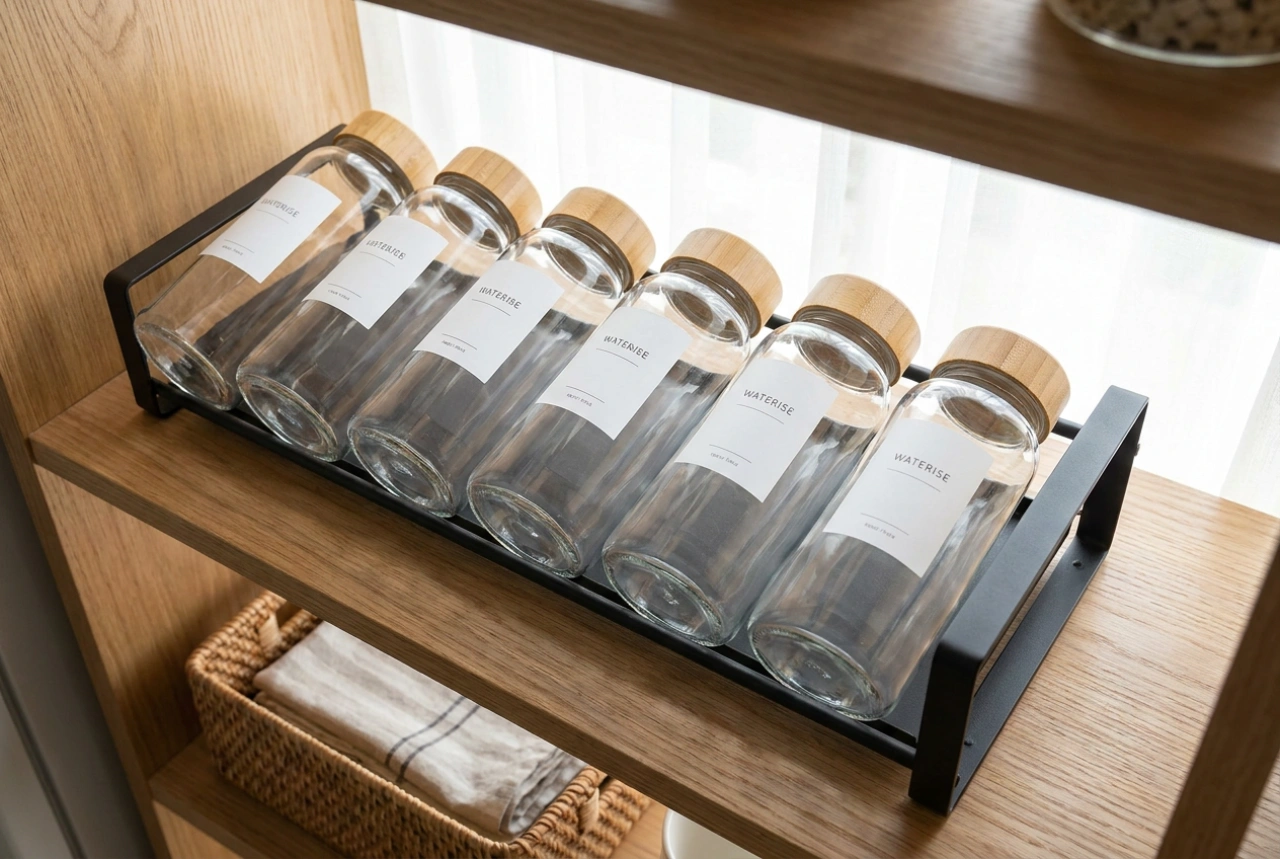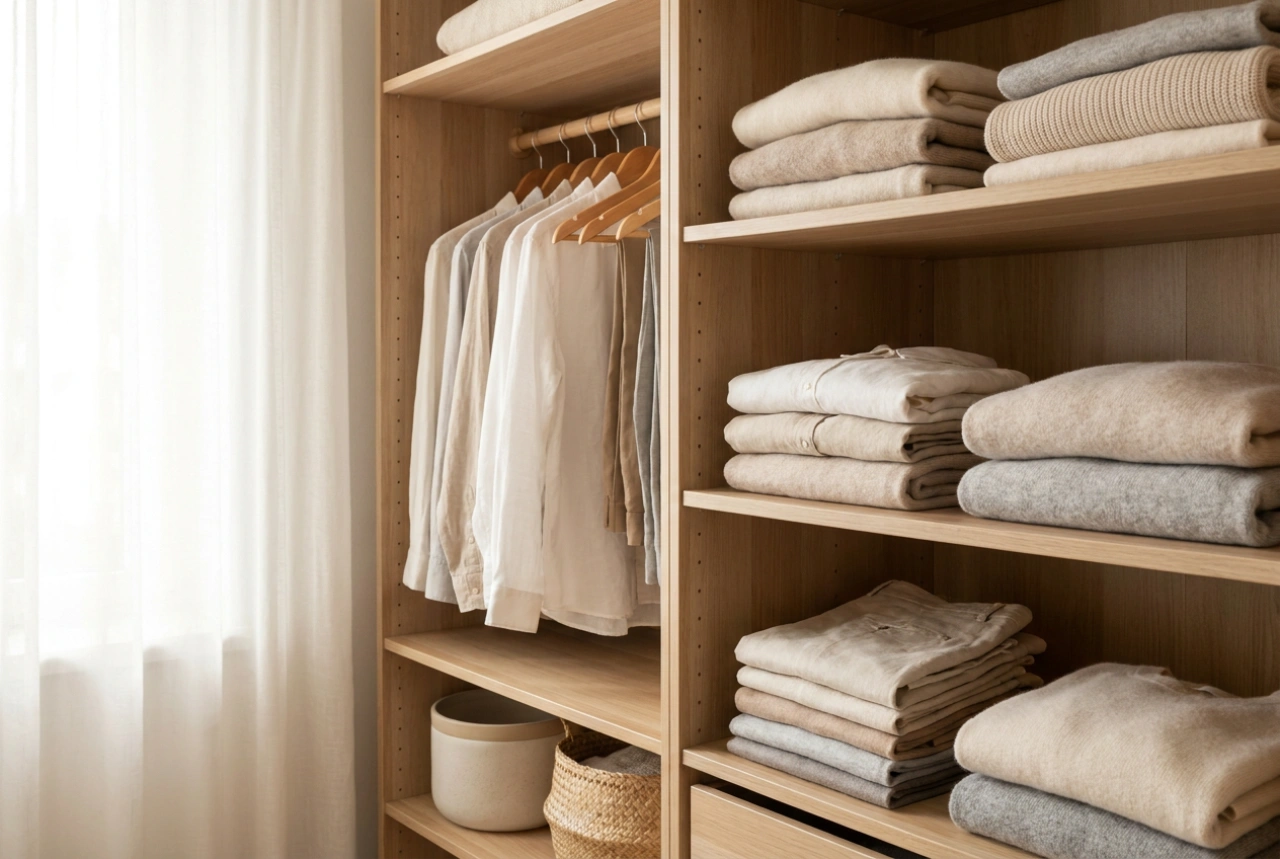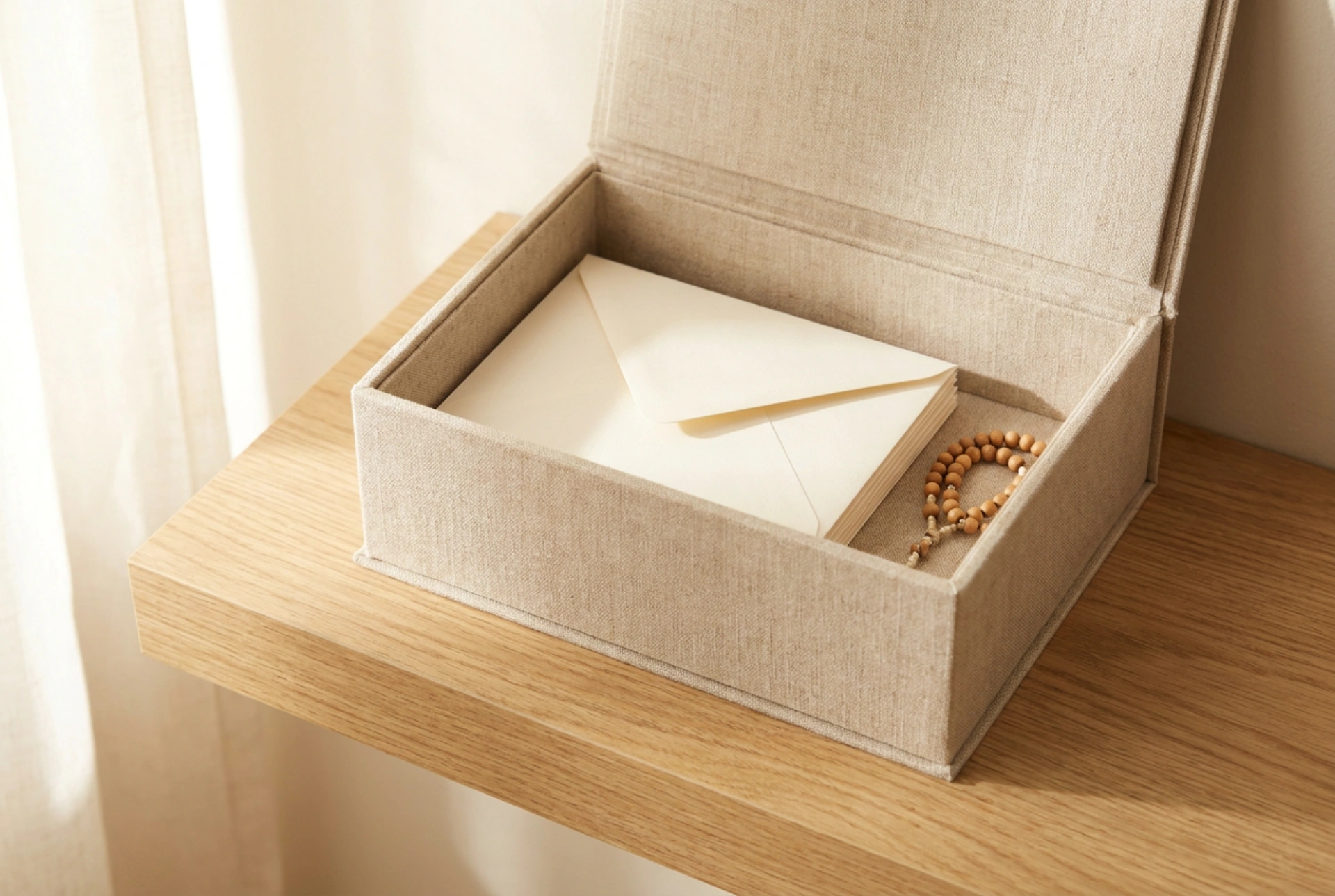


Communion keepsakes often end up scattered across various drawers, risking physical damage from moisture, dust, and pressure. Consolidating these sentimental items into a single, structured storage box preserves their material integrity while creating an accessible archive of a significant milestone.
Selecting the Ideal Microclimate and Box Material
The choice of storage container directly impacts the preservation of paper documents, fabrics, and delicate metal objects. Avoid standard cardboard boxes, as they contain acidic compounds and lignin that yellow paper and degrade textile fibers over time. Instead, opt for acid-free archival storage boxes or sturdy containers lined with breathable, non-dyed natural fabrics like linen or cotton.
Moisture is the primary enemy of stored keepsakes. When selecting a location for your memory box, choose a climate-controlled room with stable temperatures. Avoid damp basements, uninsulated attics, or exterior walls where condensation can form. Inside the box, a small sachet of silica gel can be placed to absorb any residual ambient humidity, protecting delicate paper cards and metal rosaries from oxidation.
The Chemistry of Preservation: Protecting Metals and Paper
A typical communion collection includes silver or gold-plated items, such as medals and rosaries, alongside paper cards and photographs. These materials require distinct handling to prevent chemical degradation:
- Metal oxidation: Silver tarnishes when exposed to sulfur compounds in the air. Wrap rosaries and medals in specialized anti-tarnish tissue paper or place them inside small, airtight polyethylene bags (free from PVC) to halt the oxidation process.
- Acid migration: Standard envelopes and ink can bleed or transfer onto adjacent items. Place acid-free glassine paper between cards and photographs to prevent them from sticking together or yellowing.
- Handling oils: Natural skin oils accelerate the tarnishing of metals and leave permanent residues on photographs. Handle these items by the edges, or wear clean, white cotton gloves during the sorting process.
Step-by-Step Categorization and Layout Strategy
To fit everything into a single box without crushing delicate items, you must apply a logical physical hierarchy based on weight, frequency of access, and structural vulnerability. This systematic approach ensures that heavy items do not damage fragile paper goods.
1. The Heavy Base Layer
Place heavy, rigid items at the very bottom of the box. This includes prayer books, heavy commemorative plaques, or framed pictures. Ensure these items lie flat to distribute their weight evenly and prevent warping.
2. The Protective Intermediate Layer
Position flat paper goods, such as certificates, invitations, and communion cards, directly above the base layer. Group them chronologically or by sender, and secure them inside acid-free paper folders. This prevents the edges from curling and shields them from direct contact with non-paper materials.
3. The Fragile Top Layer
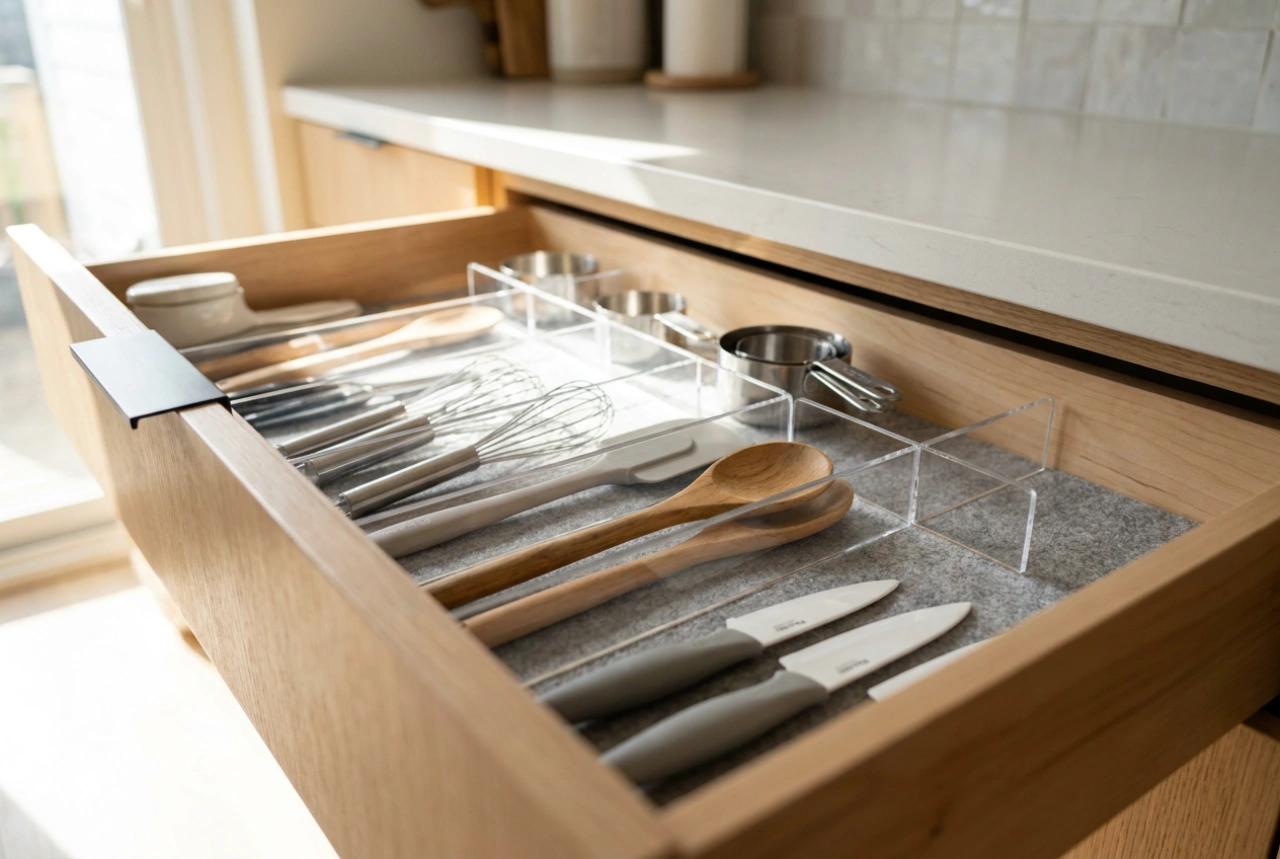
Place delicate, three-dimensional objects at the very top. This includes rosaries, delicate candle wax decorations, or dried floral elements. Use small, individual compartment dividers or shallow fabric trays that sit flush on top of the lower layers to prevent these items from shifting and getting crushed when the box is moved.
Labeling and Documenting for the Future
A memory box is only as good as its accessibility. Implement a clear labeling system on both the exterior and interior of the container. Use a durable, non-acidic exterior label indicating the owner's name and the year of the event. Inside, include a simple, written index sheet placed right under the lid. This index should catalog the contents of the box, ensuring that future generations can identify the significance of each item without having to rummage through and disrupt the delicate physical arrangement.