

A white hallway offers a bright, welcoming entry to the home, but its light surfaces demand strategic organization and precise maintenance to prevent visual chaos and physical wear.
The physics of light and the impact of visual clutter
White furniture reflects a high percentage of natural and artificial light, which visually expands tight entryway spaces. However, this high reflectivity creates a stark contrast against misplaced objects. Dark coats, colorful keychains, and muddy shoes stand out immediately against a white backdrop, turning minor untidiness into an eye-catching distraction. To maintain the spacious feel of white cabinetry, you must establish a strict barrier between exposed decorative surfaces and closed utility storage.
Zoning the entryway by frequency of movement
Effective hallway organization relies on dividing the space into functional zones based on how often items are used. This prevents the accumulation of daily clutter on pristine white surfaces:
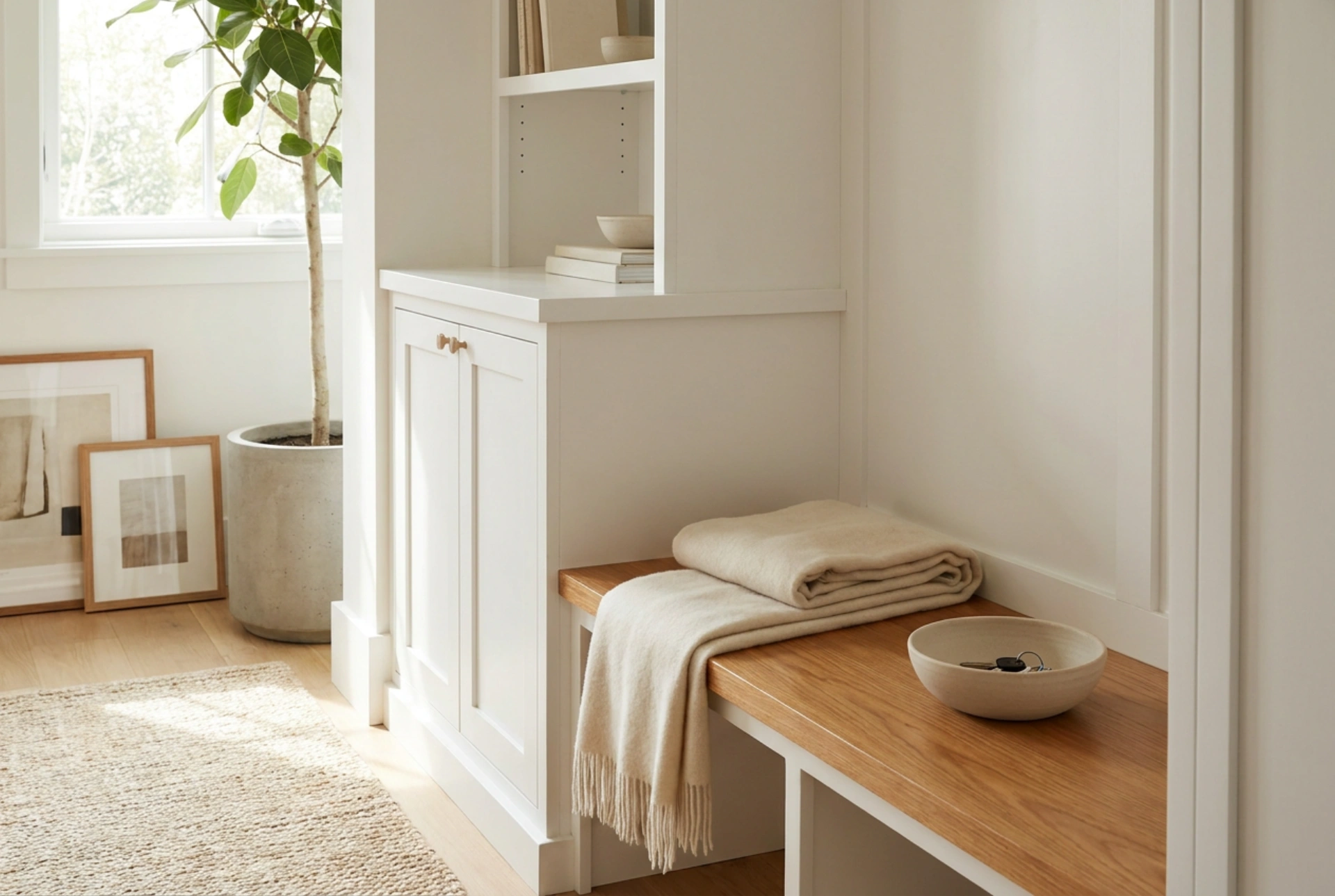
- The Immediate Zone (Active): This area handles items used daily. Instead of leaving keys, mail, and wallets directly on white countertops where they can scratch the paint, use a dedicated ceramic or wooden tray. This physical boundary contains small items and prevents localized wear on the furniture finish.
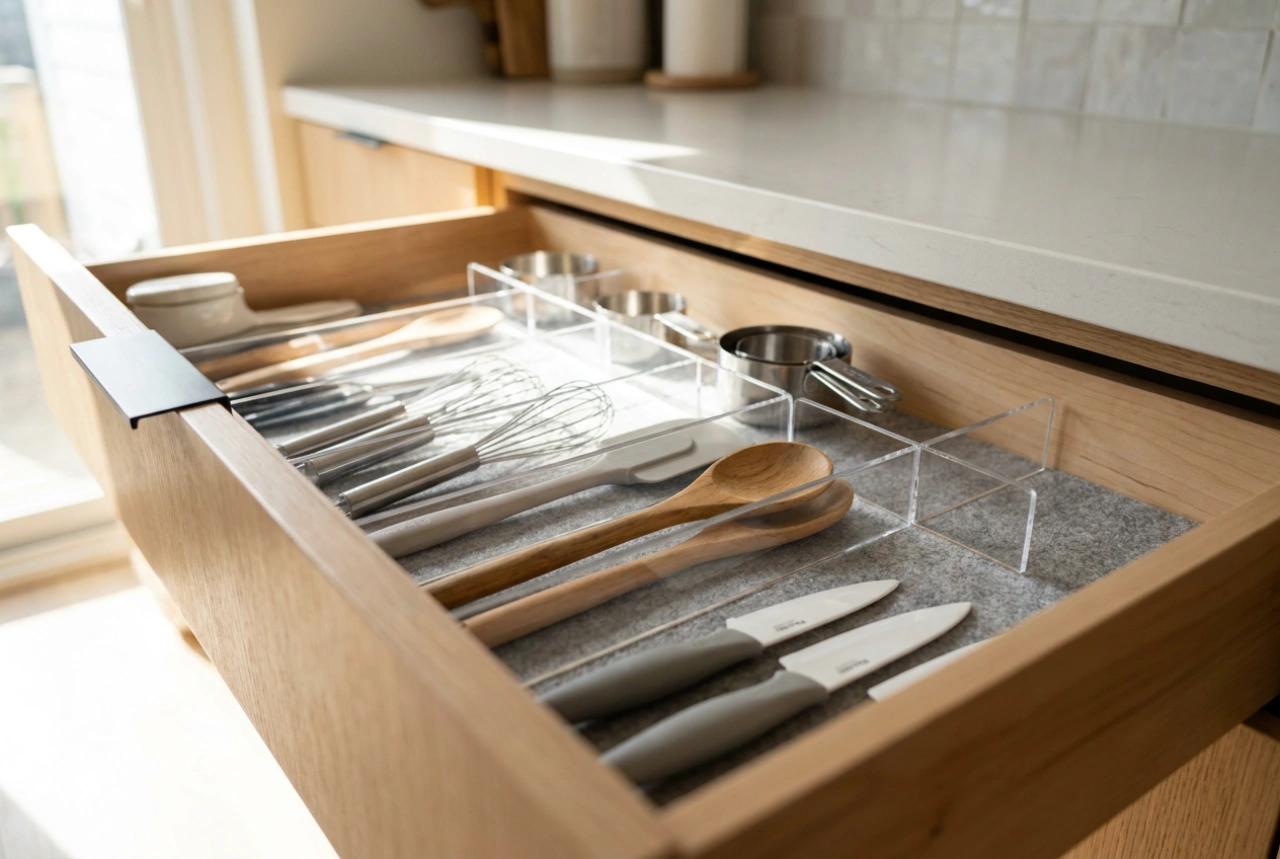
- The Transitional Zone (Semi-Active): This includes hooks and shallow drawers for seasonal coats, bags, and shoes currently in use. Limit visible hanging items to one coat per family member to maintain clean visual lines.
- The Deep Storage Zone (Inactive): Out-of-season footwear, bulky sports gear, and utility items must reside behind closed white doors. Utilizing the full vertical height of the wall with floor-to-ceiling cabinetry maximizes storage while keeping the overall aesthetic seamless and integrated.
Protecting white surfaces from chemical and mechanical damage
White painted or laminated wood is susceptible to mechanical scratches and chemical discoloration from outdoor elements. Street grime, wet umbrellas, and acidic rainwater can cause yellowing or staining over time. To protect your investment, employ specific material-science solutions. Place heavy-duty, highly absorbent barrier mats both outside and directly inside the threshold to trap abrasive sand and moisture before they reach the main hallway floor or furniture base. Never place wet footwear directly onto white wooden shelves; instead, install heavy-duty plastic or rubber drip trays inside the bottom of shoe cabinets to catch moisture and road salt.
Selecting and maintaining organizational materials
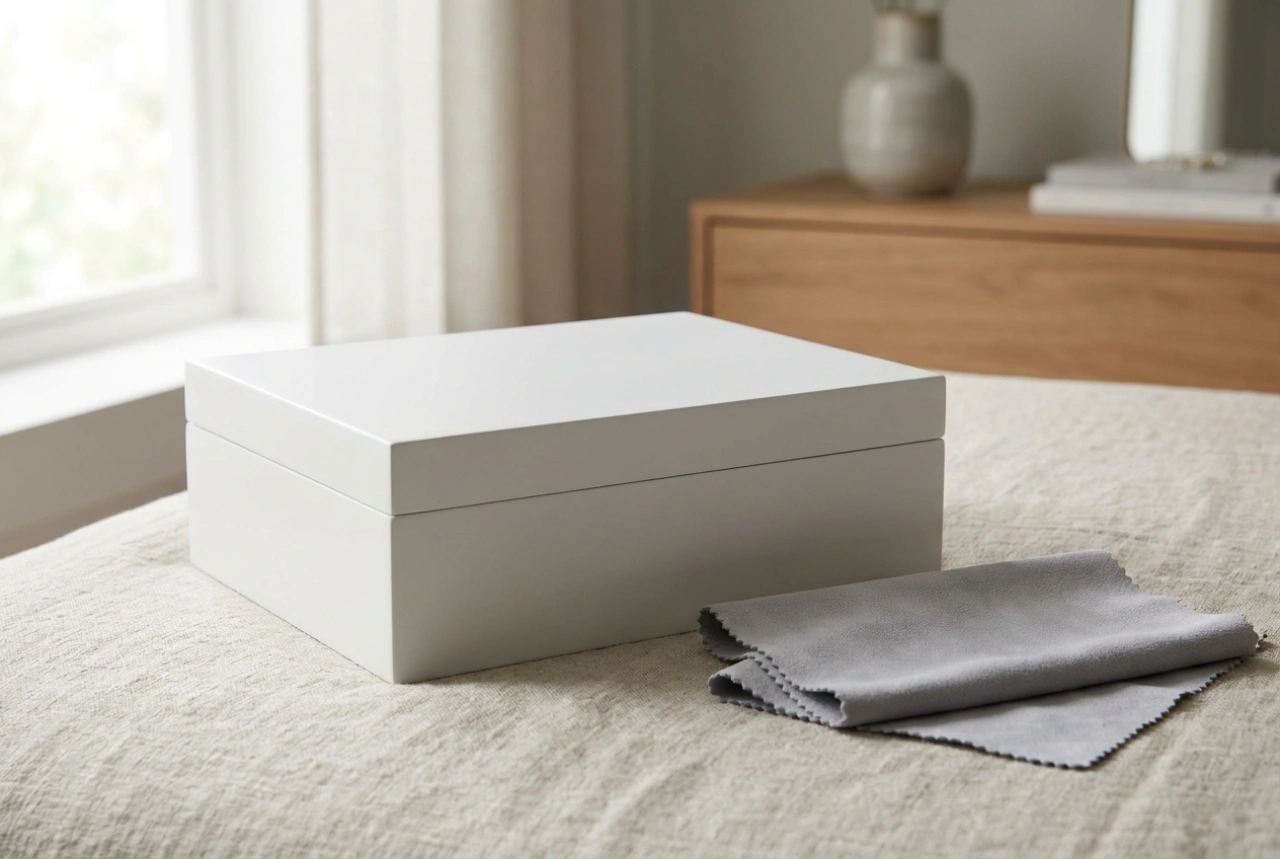
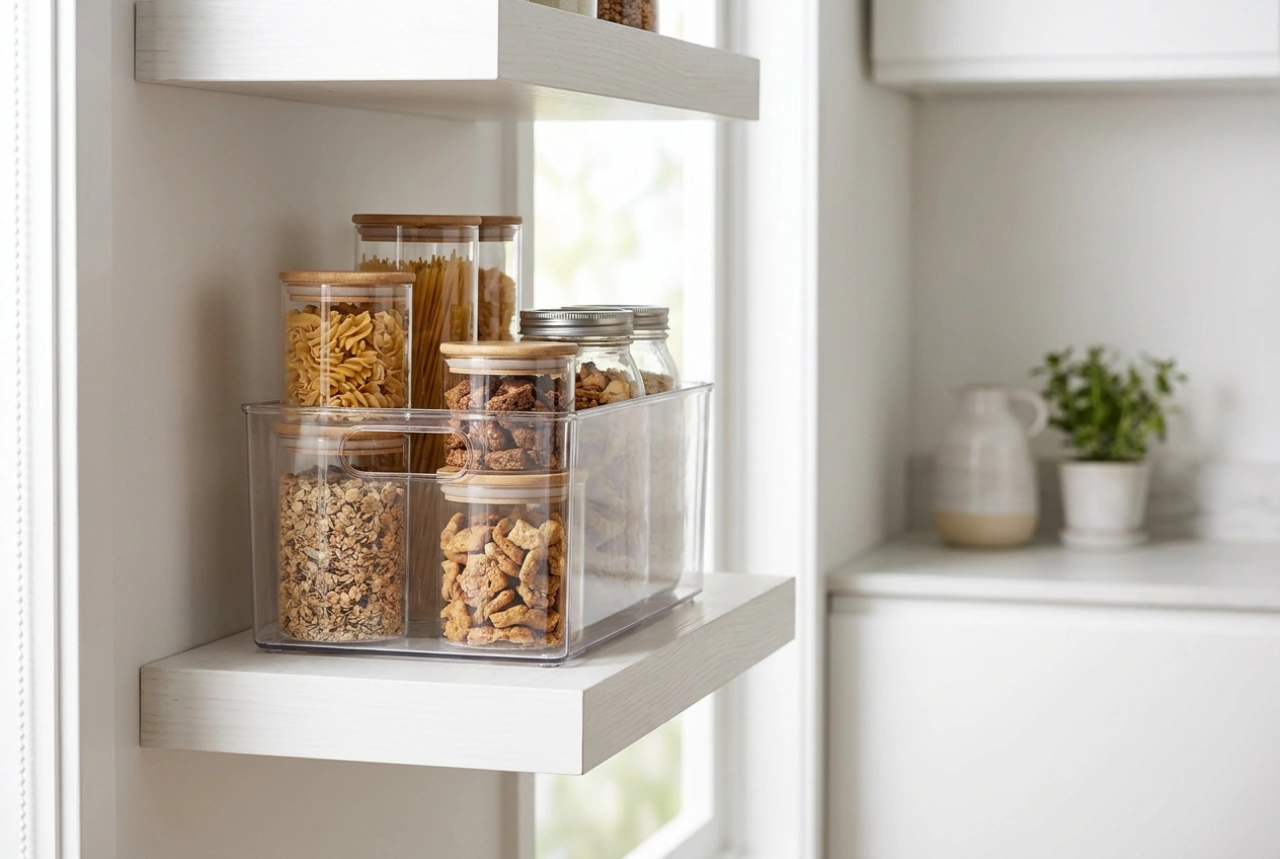
The accessories you choose to organize your white hallway determine how easily it can be cleaned. Opt for smooth, non-porous containers made of washable materials like high-density plastics, lacquered wood, or metal. Avoid unlined wicker or rough rattan baskets directly touching white shelves, as their coarse fibers can scratch the lacquer and trap dust that transfers to the furniture. When cleaning white surfaces, avoid abrasive scrubbing pads and harsh chlorine-based bleach, which can degrade the protective topcoat and cause yellowing. Use microfiber cloths and mild, pH-neutral detergents diluted in lukewarm water, wiping in the direction of the wood grain to prevent micro-scratches.