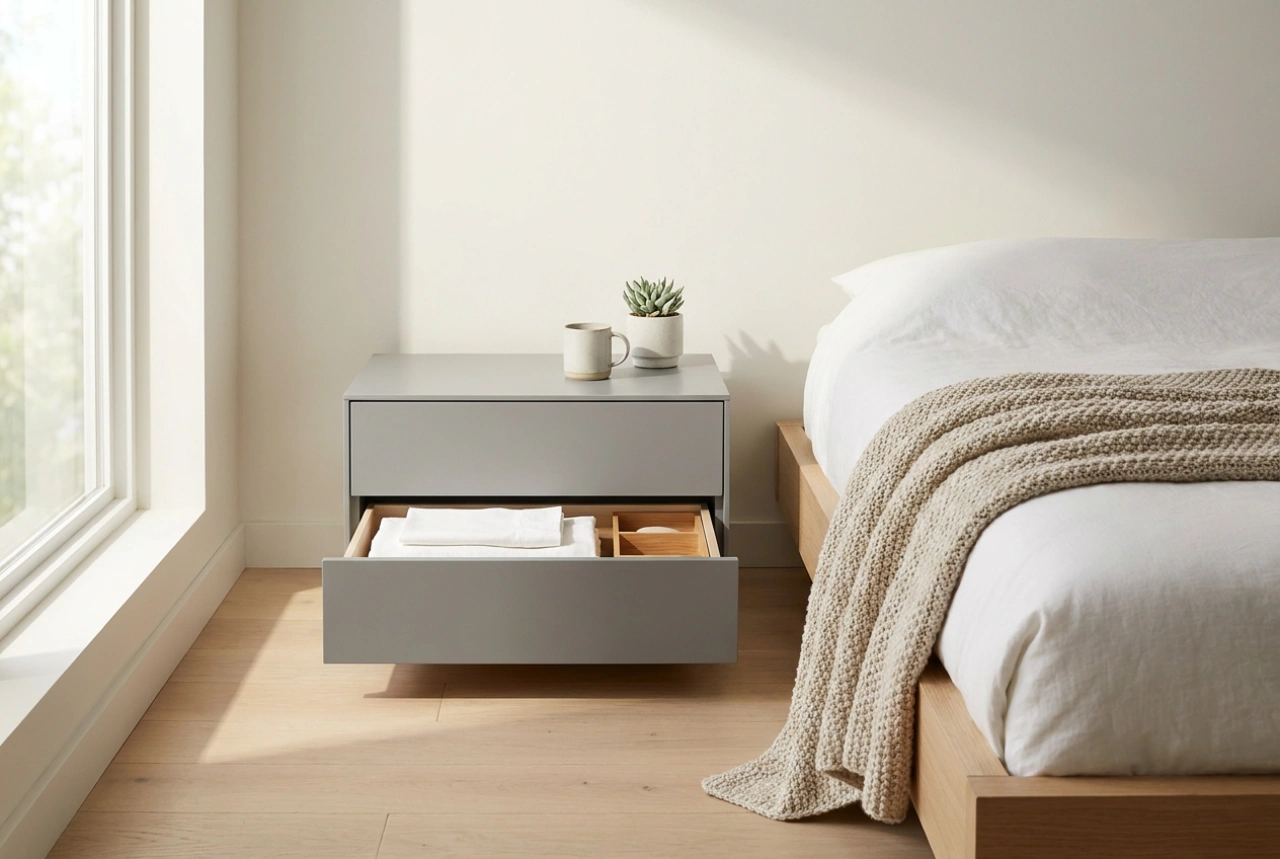


Maximizing limited square footage requires a deliberate approach to spatial physics, furniture mechanics, and the strategic zoning of living areas.
The Mechanics of Wall Beds and Spatial Equilibrium
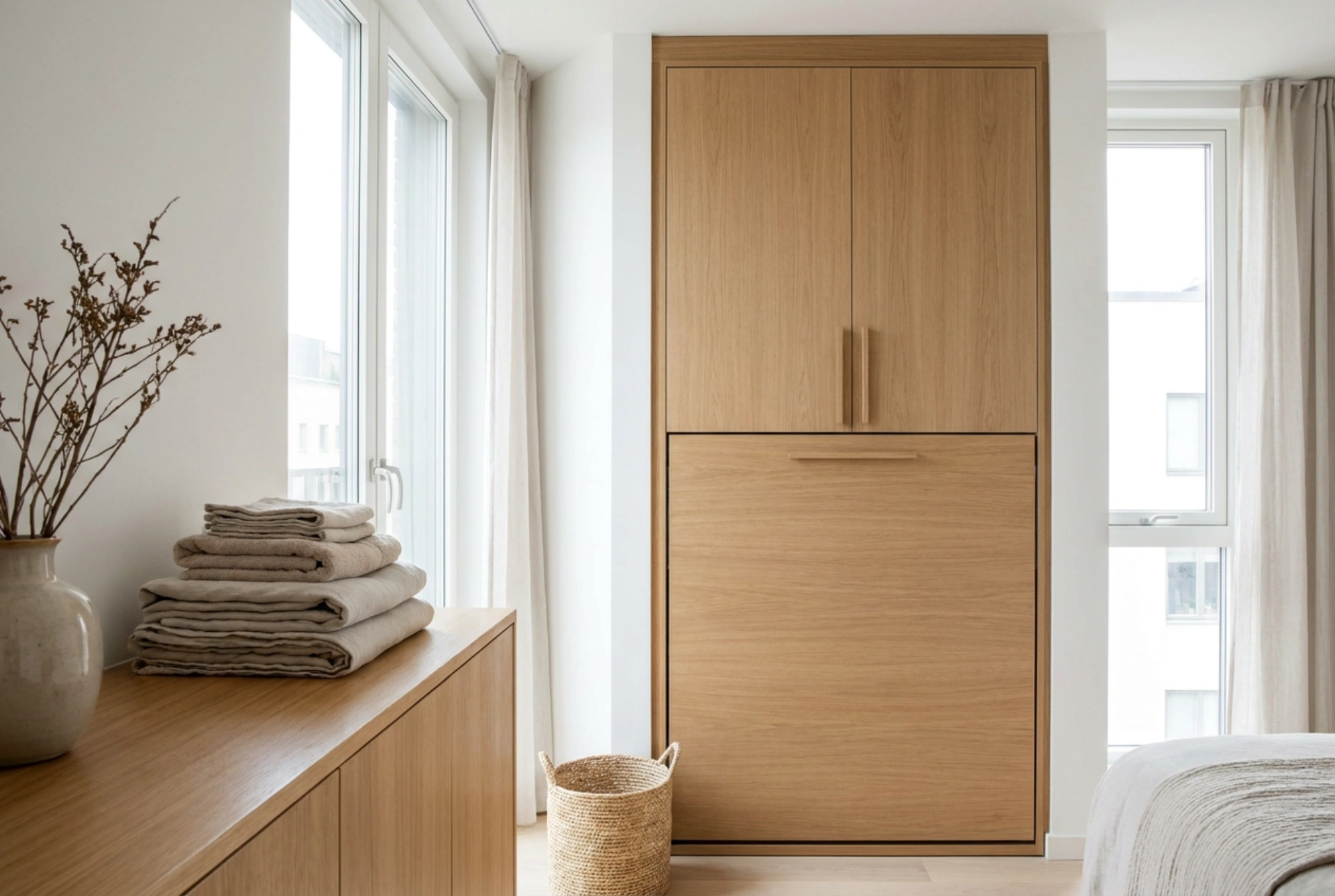
At the center of a multifunctional room is the wall bed, a engineering solution that recaptures floor space during active daytime hours. Unlike standard folding furniture, a wall bed utilizes a counterbalanced spring or gas-piston tension mechanism to safely pivot a full-weight mattress frame into a vertical wall cabinet. When closed, the bed occupies minimal depth (usually between 40 to 60 centimeters), converting the physical footprint of a sleeping zone into usable dynamic space. To ensure safety and longevity, the cabinet enclosure must be anchored directly into load-bearing wall studs using heavy-duty steel brackets, distributing the leverage forces generated during daily opening and closing cycles.
Zoning the Room for Dual Activities
A truly functional room must accommodate shifting routines without requiring constant, exhausting reorganization. Dividing the space visually and physically ensures that work, relaxation, and sleep do not overlap in chaotic ways. Here are the core rules for zoning your room:
- Define the Kinetic Path: Ensure the arc of the descending bed remains entirely clear of heavy, non-movable furniture. Lightweight, caster-mounted coffee tables or nesting side tables can be easily rolled aside when transitioning from day to night mode.
- Establish Visual Boundaries: Use low-profile area rugs to define the boundaries of the daytime seating area. When the bed is lowered, it should align naturally within these designated zones without disrupting the spatial balance.
- Isolate Workstations: Place desks and computer monitors perpendicular to the wall bed cabinet. This orientation prevents the workspace from feeling cramped when the bed is down and keeps the sleeping area out of your direct line of sight during working hours.
Optimizing Cabinetry and Storage Chemistry
The cabinetry surrounding a wall bed must do more than just house the mattress frame; it needs to absorb the storage demands of two distinct rooms. Integrate custom, floor-to-ceiling modular shelving on either side of the central bed unit. Use the lower sections for daily essentials and the upper compartments for seasonal bedding and less frequently used items. To maintain a calm visual environment, utilize closed cabinetry doors to hide visually busy items like books, electronics, and documents. Keeping surfaces clean and uncluttered prevents the room from feeling claustrophobic when the bed is lowered into the space.
Managing Textiles and Microclimate
In a room where the bed is regularly folded away, moisture management is critical. When a mattress is sealed inside a closed cabinet immediately after use, trapped body heat and moisture can create an ideal environment for mold and dust mites. To prevent this, leave the bed open for fifteen minutes after waking to allow the fibers to aerate and cool. When choosing linens, opt for highly breathable, natural fabrics such as linen or long-staple cotton, which release absorbed moisture rapidly. Additionally, secure the bedding with integrated elastic retention straps before folding the unit away, ensuring the mattress remains balanced and the textiles do not shift or bunch inside the cabinet mechanism.