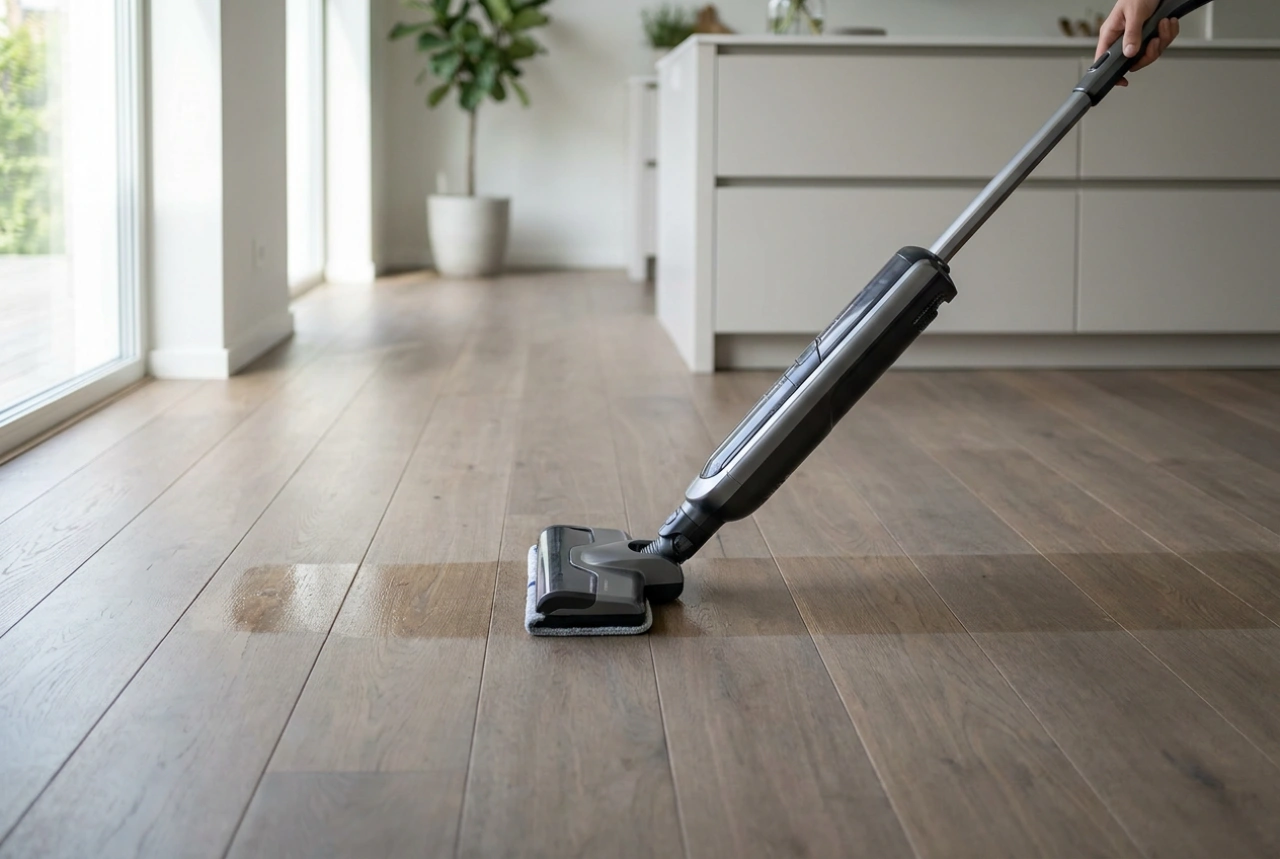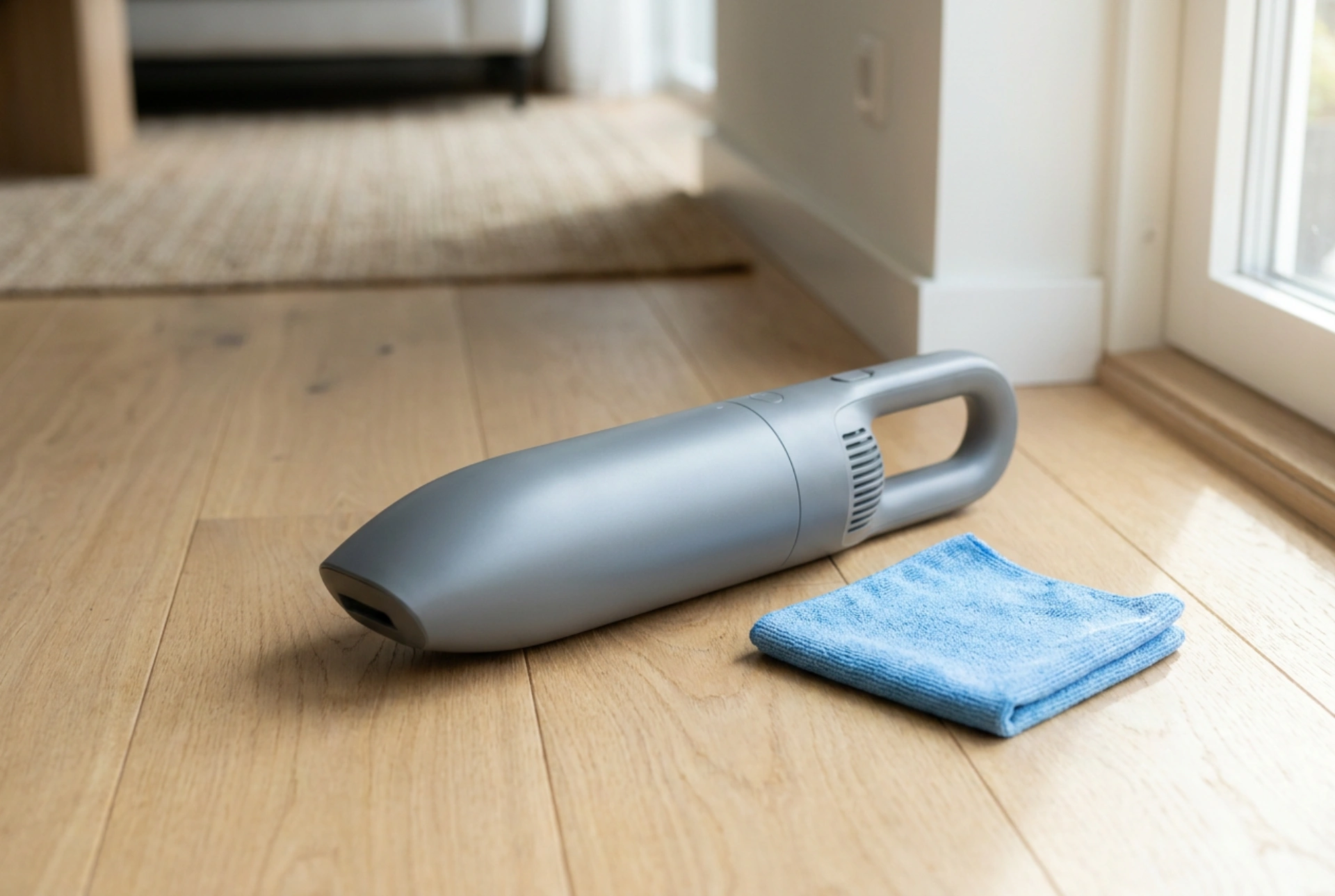


A handheld vacuum cleaner equipped with an integrated mop function bridges the gap between daily surface maintenance and deep floor cleaning, streamlining your routine through simultaneous debris extraction and wet wiping.
The Dual-Action Mechanism: Suction and Microfluidics
Standard floor cleaning typically requires two distinct phases: dry sweeping to remove loose particulate matter, followed by wet mopping to dissolve adhered grime. A handheld vacuum with an integrated mop combines these steps into a single, highly efficient motion. Understanding the physical principles behind this device explains its effectiveness.
First, the vacuum component utilizes a high-velocity motor to generate negative pressure. This suction airflow pulls loose dust, hair, sand, and larger crumbs into the collection chamber before the mopping element makes contact with the floor. This sequence is critical: if wet mopping occurs over loose dust, the water binds the particulate matter, transforming it into a muddy slurry that scratches delicate surfaces and leaves unsightly streaks. Immediately behind the suction nozzle lies the mopping module, which operates via controlled capillary action. Water is metered from a small onboard reservoir onto a microfiber pad. The microfiber textile features microscopic polyester and polyamide fibers that carry a natural positive charge, attracting negatively charged dust particles and emulsified grease. As the damp pad glides over the pre-vacuumed surface, it lifts and traps the dissolved grime, leaving a thin, quickly evaporating film of moisture.
Targeted Spot Cleaning and Speed of Intervention
While full-sized upright appliances are ideal for weekly deep cleans, the handheld dual-action device excels at rapid spot cleaning. Spills in the kitchen or muddy footprints in the entryway require immediate attention before stains dry and bond with the flooring material.
- Kitchen Spills: When dry ingredients like flour or coffee grounds mix with liquid drops, a traditional mop smears the paste. The handheld hybrid vacuums the dry debris first and instantly wipes away the sticky residue underneath.
- Pet Tracking: Muddy paw prints contain both abrasive silica sand and wet clay. The suction removes the sand particles to prevent floor abrasion, while the damp microfiber pad immediately emulsifies and lifts the clay pigment.
- Bathroom Maintenance: Hair strands and water splashes on tiled floors are notoriously difficult to clean with a standard broom or wet mop. The vacuum-mop combo captures the hair dry and removes the dried water spots in one quick pass.
Optimizing Cleaning Chemistry and Water Volume
Using the correct liquid medium is vital for protecting both the internal mechanisms of the device and the integrity of your flooring. Excessive moisture can cause wooden floors to warp, while incorrect detergents can leave sticky residues that actually attract more dirt over time.
To achieve streak-free results, fill the reservoir with clean, lukewarm water. If a detergent is necessary, opt for a highly diluted, non-foaming formula specifically designed for hard surfaces. Avoid standard dish soaps or heavy foaming cleaners, as excess suds can block the vacuum's air paths and leave a dull film on your tiles or laminate. When operating on hardwood or engineered timber, ensure the microfiber pad is damp but not dripping wet. Wood is highly hygroscopic; it absorbs water through its joints, leading to swelling and structural degradation. The microfluidic system of a handheld hybrid ensures that only a micro-layer of water is deposited, which evaporates within seconds, preserving the material's lifespan.
Maintenance of the Device for Peak Hygiene
To prevent the growth of bacteria and musty odors, the device itself requires systematic maintenance after each cleaning session. Moist, dark environments inside dirty water tanks or damp microfiber pads are breeding grounds for mold.
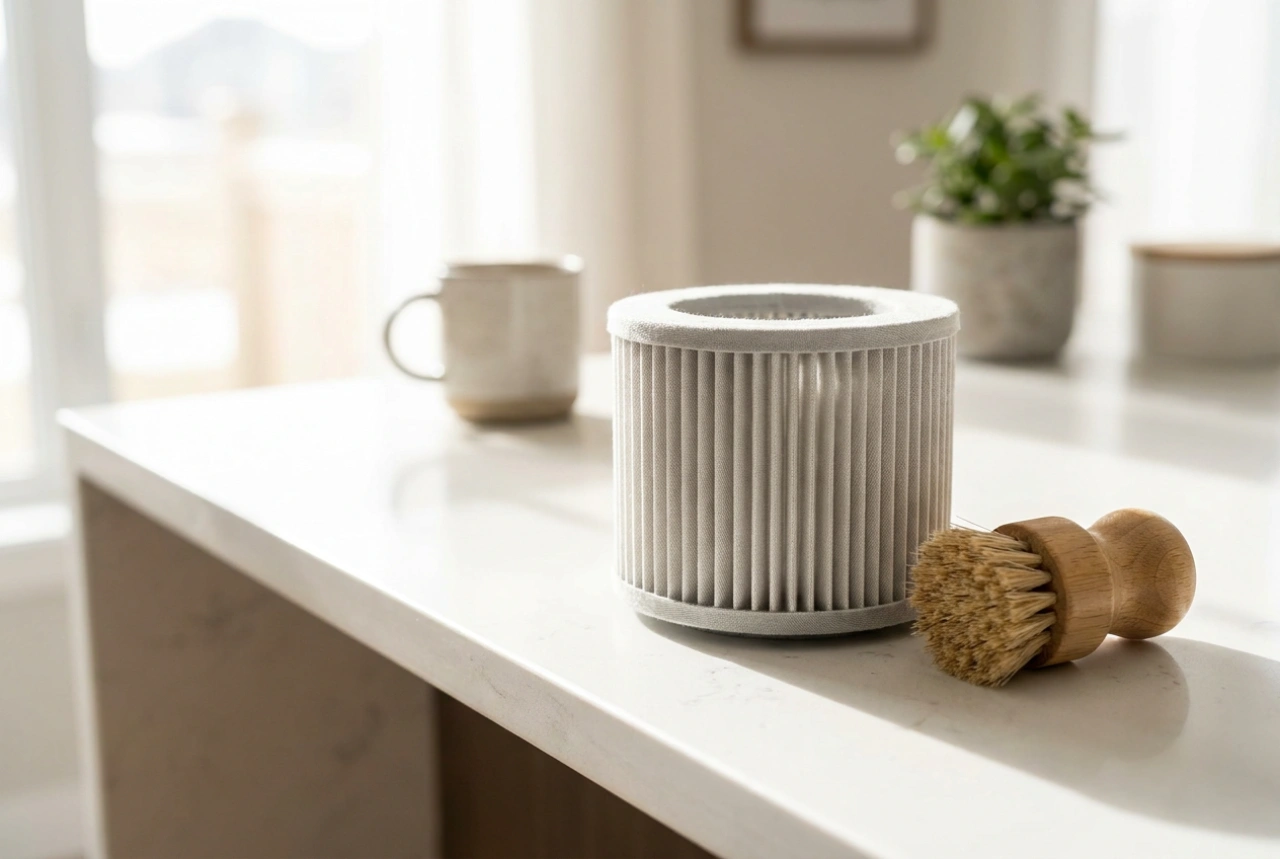
Always empty the dry dust container and wash the filter according to the manufacturer's guidelines to maintain optimal suction power. More importantly, remove the microfiber pad immediately after use. Wash the pad in a washing machine at a minimum of 60 degrees Celsius using a standard laundry detergent, but avoid fabric softeners, which coat the microfibers in a chemical film that destroys their electrostatic properties. Empty the water reservoir and allow it to air-dry completely before reassembling the unit. This simple post-use protocol ensures that your device remains hygienic and ready for the next quick cleanup.