

Preparing a living space for automated cleaning devices requires understanding how robotic navigation sensors, drive wheels, and cleaning mechanisms interact with household geometry and materials.
Managing Floor Transitions and Friction
Robotic vacuums rely on small rubber tread wheels and torque-limited electric motors to navigate across different flooring types. Most residential robots are engineered to climb vertical thresholds up to 15 to 20 millimeters. Anything higher presents a physical barrier that triggers collision sensors or causes the drive wheels to spin in place, stripping the rubber or depleting the battery.
To facilitate smooth movement between hardwood and tile, install sloped transition strips with a gradient of less than 20 degrees. The surface material of these transitions matters; smooth metal strips can reduce wheel traction, especially when damp from a mopping cycle. Textured timber or matte composite transition strips provide the necessary friction for rubber tires to grip and ascend without slippage.
Eliminating Kinetic Obstacles and Cable Entanglement
The rotating brushes of a vacuum robot operate on rotational torque designed to sweep loose particles into the suction inlet. However, loose cords, rug fringes, and lightweight textiles present a high risk of mechanical jam. When a rotating roller encounters a thin copper cable or a cotton thread, the friction causes the material to wrap tightly around the brush cylinder, stalling the motor and potentially damaging the internal belt drive.
To prevent these mechanical failures, implement the following structural adjustments:
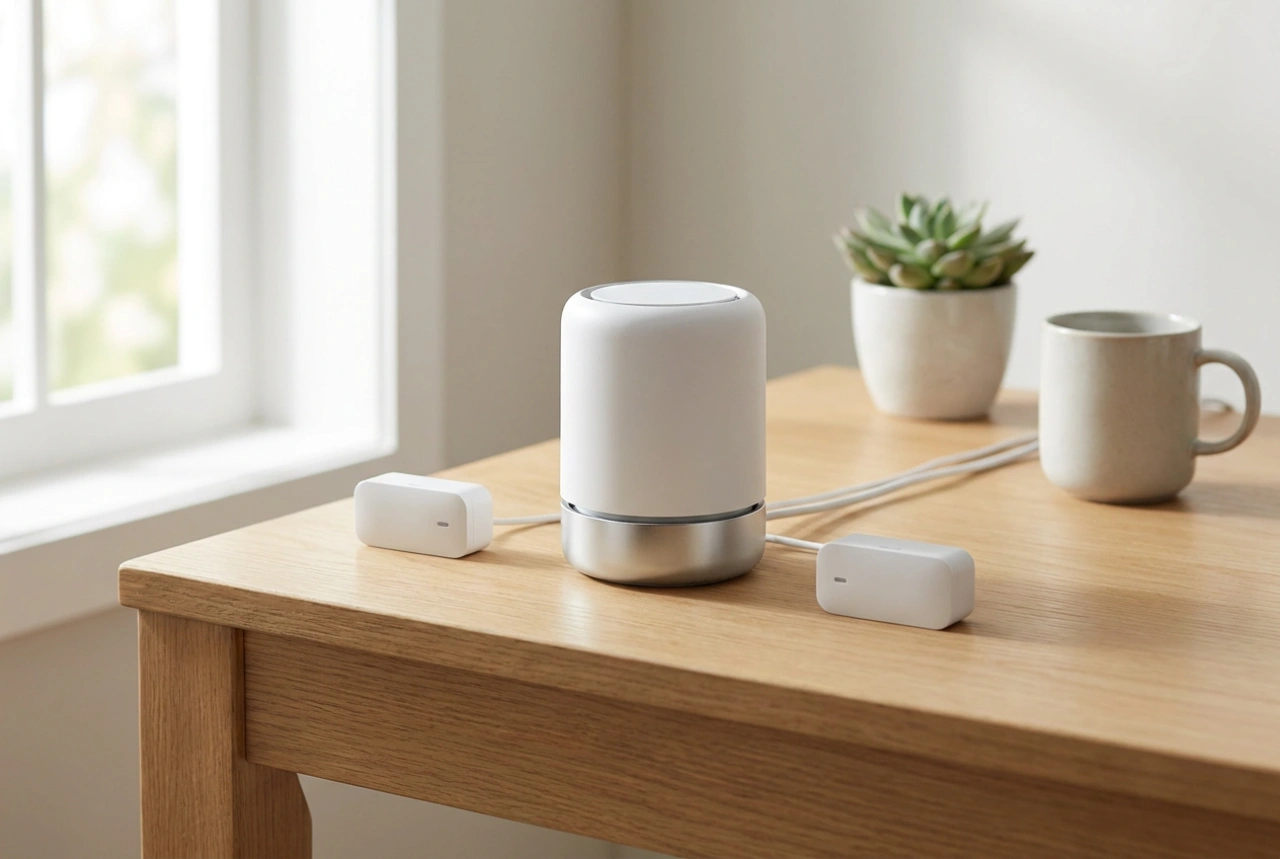
- Cable Elevation: Secure all power cords and communication cables at least 10 centimeters above the floor level using adhesive clips or cable sleeves mounted to baseboards.
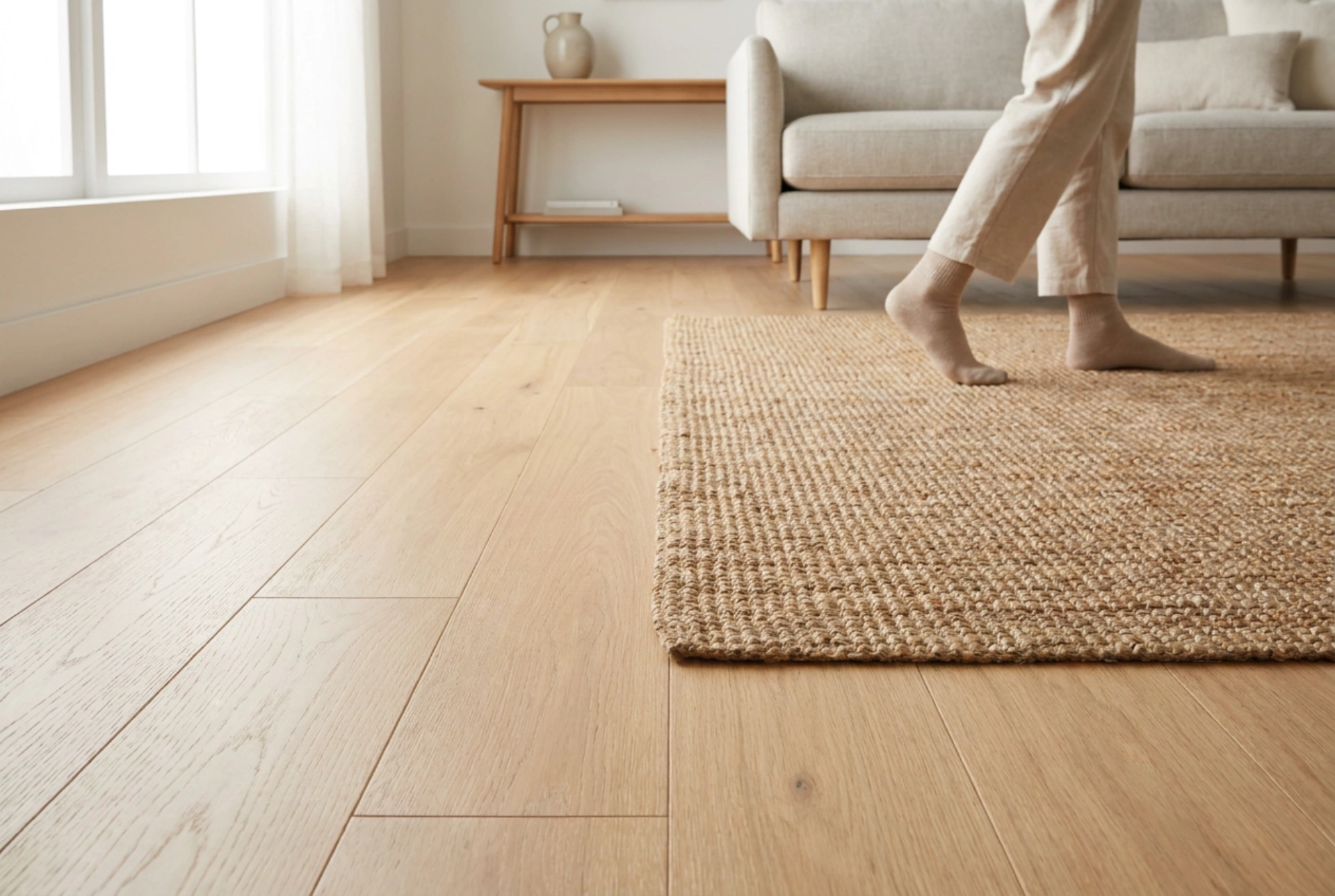
- Tucking Rug Fringes: Fold rug tassels under the main body of the carpet or secure them with heavy-duty double-sided tape. Loose threads easily bypass the vacuum's bumper sensors and get drawn into the intake.
- Weight-Based Clearing: Lightweight objects (under 500 grams), such as pet bowls or small trash cans, do not exert enough resistance to trigger the mechanical bumper sensors. The robot will drag or push these items, potentially spilling liquids or scratching delicate floors. Elevate these items before initiating a cleaning cycle.
Surface Chemistry and Moisture Management for Mopping Units
Mopping robots distribute water or cleaning solutions onto microfibre pads to lift dirt via capillary action and mechanical friction. Improper floor preparation can result in streaking, sticky residues, or structural damage to moisture-sensitive materials like engineered wood and laminate.
Avoid using heavy, wax-based floor cleaners or high concentrations of anionic surfactants. These substances leave a thin, sticky film on the surface. When the damp microfiber pad passes over, it merely redistributes this film, resulting in visible streaks once dry. Instead, prepare the floor by dry-vacuuming first to remove larger grit that could act as an abrasive under the damp pad. Use only highly diluted non-ionic surfactants or pure demineralized water in the robot's reservoir to prevent mineral buildup inside the micro-pumps and heating elements.
Ensure that laminate joints are sealed; standing water left by slow-drying mopping cycles can penetrate the fiberboard core, causing localized swelling and edge curling.
Sensor Optimization: Light and Reflection Mechanics
Robotic cleaners utilize a combination of optical, infrared, and LiDAR (Light Detection and Ranging) sensors to map and navigate space. These sensors rely on the predictable reflection of light waves to calculate distances. Highly reflective surfaces or absolute light absorption can confuse these systems.
Floor-to-ceiling mirrors or highly polished stainless steel furniture bases reflect LiDAR lasers, creating "phantom rooms" or causing the robot to attempt to navigate through solid walls. To mitigate this, apply a matte film or temporary barrier to the bottom 10 centimeters of highly reflective surfaces. Conversely, extremely dark, light-absorbing rugs can fool infrared drop sensors (cliff sensors) into detecting a vertical drop, causing the robot to stop or refuse to enter the carpeted zone. Standardizing floor tones and ensuring adequate ambient lighting during operation optimizes navigation efficiency.