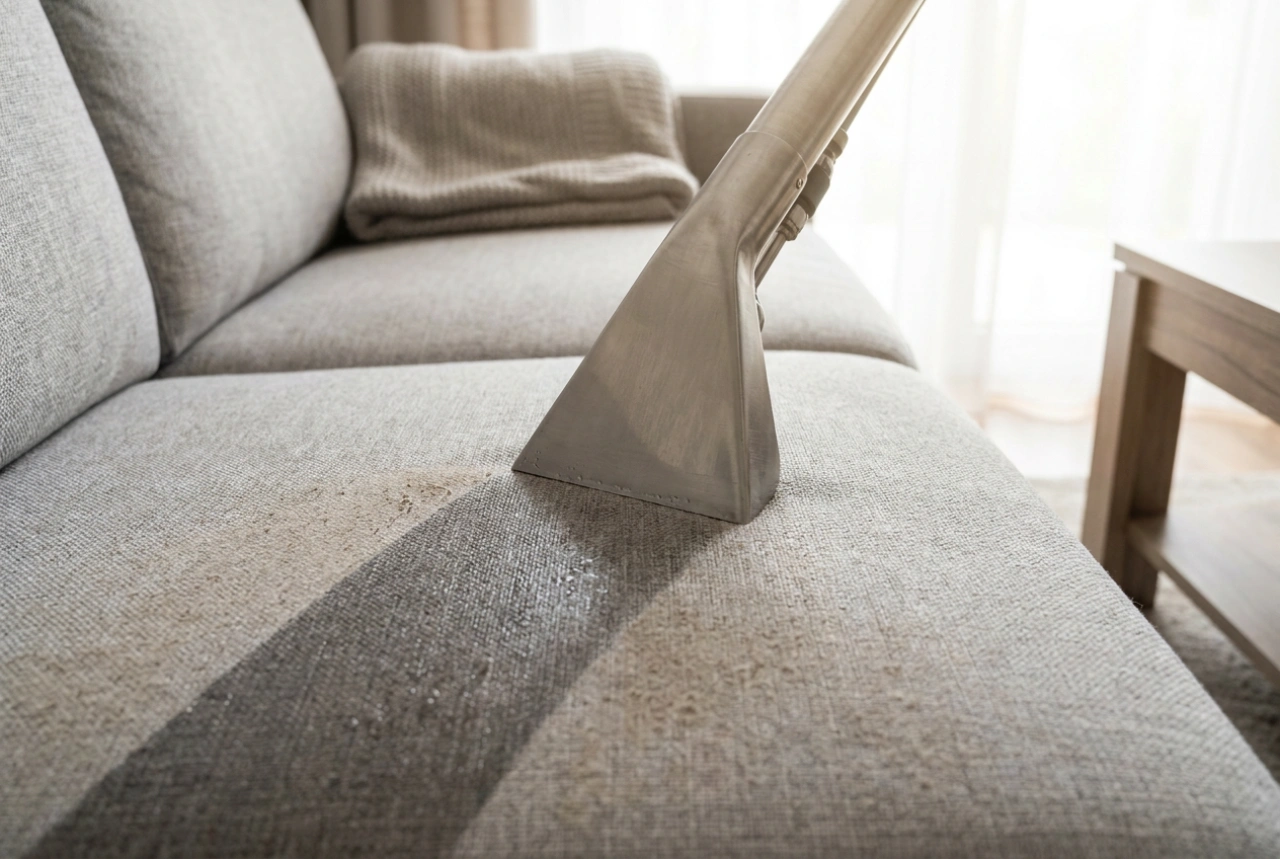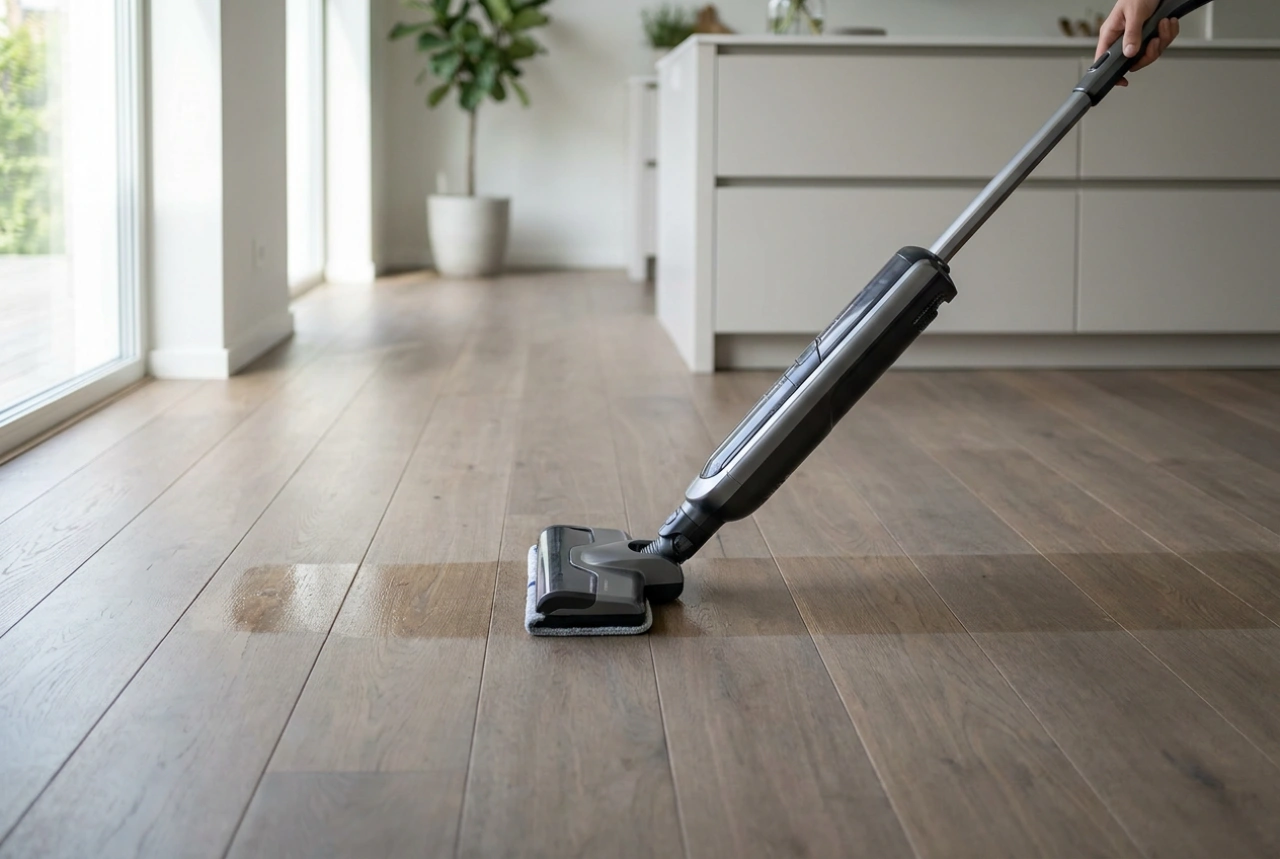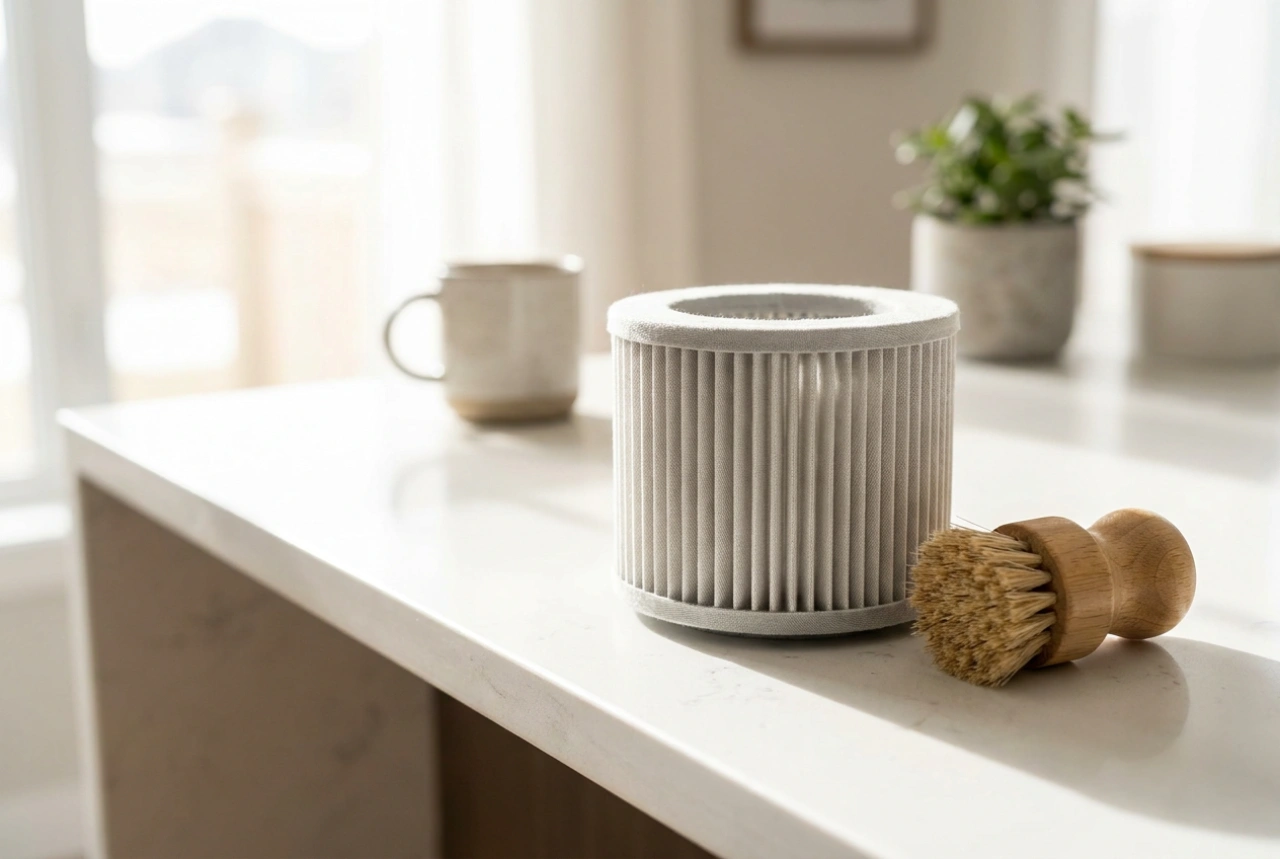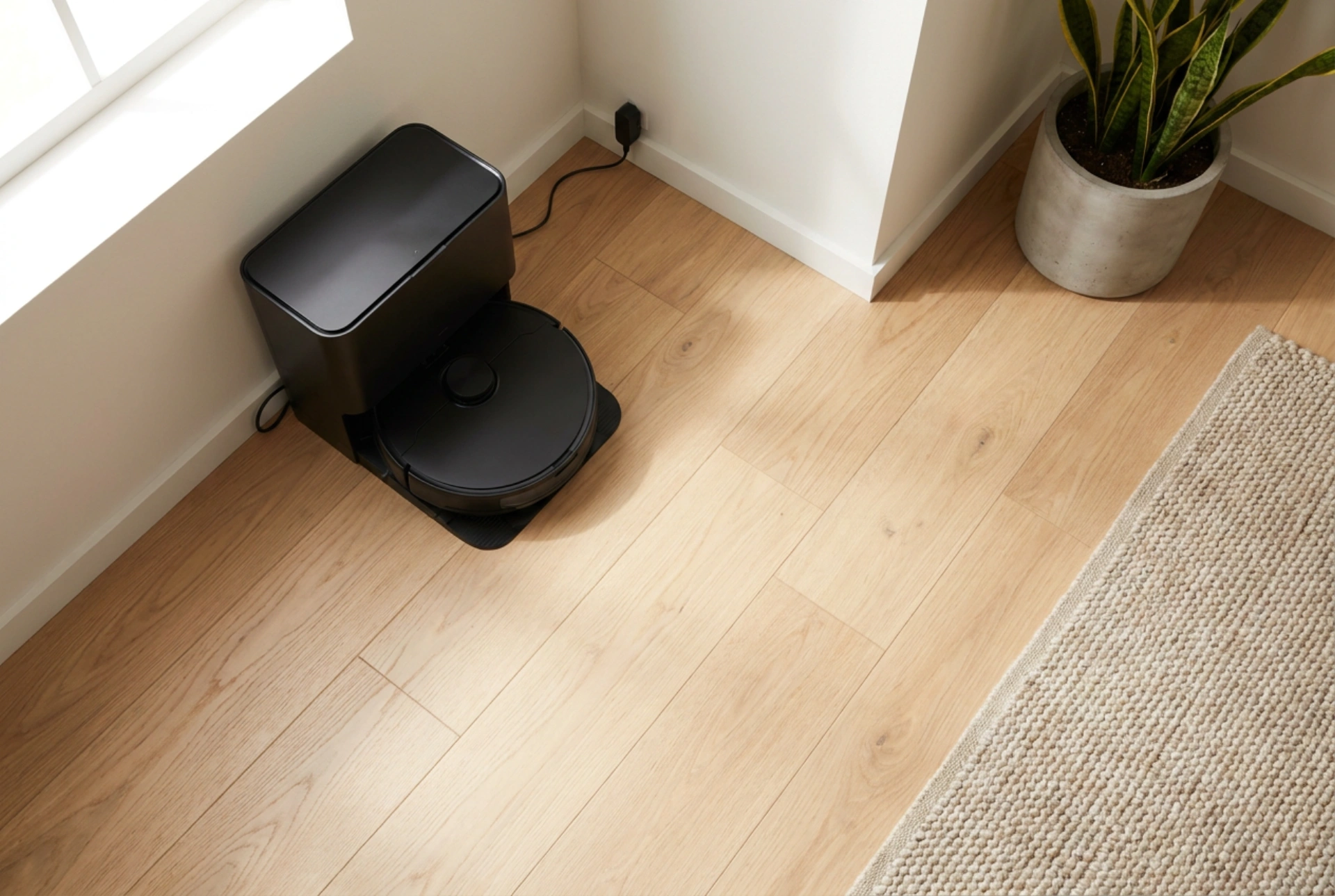


Dividing cleaning zones for your robotic vacuum and mop prevents moisture damage to sensitive textiles and maximizes mechanical cleaning efficiency across different flooring materials. Proper spatial segregation ensures that high-friction carpets remain dry while non-porous hard floors receive precise wet maintenance.
The Material Science of Flooring and Moisture Control
To establish effective boundaries for your hybrid cleaning robot, you must understand how different floor materials interact with moisture and mechanical agitation. Hardwood floors, particularly engineered oak or solid timber, consist of cellulose fibers that are highly hygroscopic. When exposed to standing water or excessive dampness from mop pads, capillary action draws water into the joints. This leads to wood expansion, warping, and irreversible cupping. Conversely, textile floor coverings like wool or synthetic carpets act as high-friction sinks that readily absorb water but dry very slowly. Introducing moisture to a carpeted area from a damp mop pad promotes the growth of mold and mildew within the pile and backing. Therefore, strict segregation between moisture-tolerant zones (ceramic tiles, sealed stone) and moisture-sensitive zones (unsealed wood, carpets) is physically necessary to preserve structural integrity.
Navigation Physics: How Robots Perceive Boundaries
Robotic vacuum cleaners navigate using electromagnetic radiation and light-based telemetry. Understanding these systems allows you to set up boundaries that the machine can reliably interpret. Most modern robots utilize Light Detection and Ranging (LiDAR) or visual Simultaneous Localization and Mapping (vSLAM). LiDAR scanners project spinning laser beams (usually infrared) to measure the time of flight of light bouncing off walls and furniture. However, LiDAR cannot "see" floor textures or determine if a surface is carpeted. For this, robots rely on ultrasonic sensors located on the undercarriage. These sensors emit high-frequency sound waves and measure the acoustic impedance of the surface below. Soft materials like rugs absorb these sound waves, signaling the robot to lift its mop or stop. When these electronic sensors fail due to poor lighting or low contrast, physical boundaries—such as magnetic strip tape that alters the local magnetic field detected by the robot's internal Hall-effect sensors—provide a fail-safe physical barrier.
The Physics of Friction and the Correct Order of Operations
Combining vacuuming and mopping into a single pass without zoning often leads to poor cleaning results and mechanical wear. Dry debris, consisting of silica dust, organic dander, and hair, must be removed before moisture is applied. If a damp microfiber pad passes over dry dust, the water surface tension causes the particles to bind together, creating an abrasive slurry. This slurry acts as a fine-grit sandpaper under the weight of the robot, micro-scratching delicate floor sealants over time. Furthermore, wet debris clogs the vacuum intake channel and compromises the internal HEPA filtration system. The optimal procedure requires dividing your home into two distinct phases. Phase one must be a dry vacuum cycle across all zones (hard floors and carpets). Phase two should be a localized mopping cycle limited strictly to hard surfaces, ensuring that the microfiber pad only encounters pre-cleaned, non-porous substrates where it can lift emulsified grease and fine residues via capillary action within the microfiber weave.
Creating Precise Transitions and Digital Barriers
Effective zoning requires strategic placement of digital "no-go" zones and virtual walls within the robot's mapping software. Focus on transition thresholds—the physical junctions where two different flooring types meet, such as the metal or wooden transition strip between a tiled kitchen and carpeted living room. Place virtual boundaries exactly along these transition strips rather than in the middle of a room. Because robots have a slight margin of error in their odometry (wheel slip can cause a variance of a few centimeters), adding a safety buffer zone of five to ten centimeters around carpets ensures the damp mop pad never makes contact with textile fibers. Additionally, identify high-traffic zones where liquid spills are common, such as around pet bowls or under dining tables, and classify these as high-frequency mopping zones that undergo double-pass cleaning using specialized S-pattern movements to maximize contact time and chemical mechanical action.