

Removing fine sediment from a pool floor requires understanding hydrodynamic suction and sedimentation patterns rather than simply running an automated device across the pool.
The Nature of Pool Sediment and Cleaner Dynamics
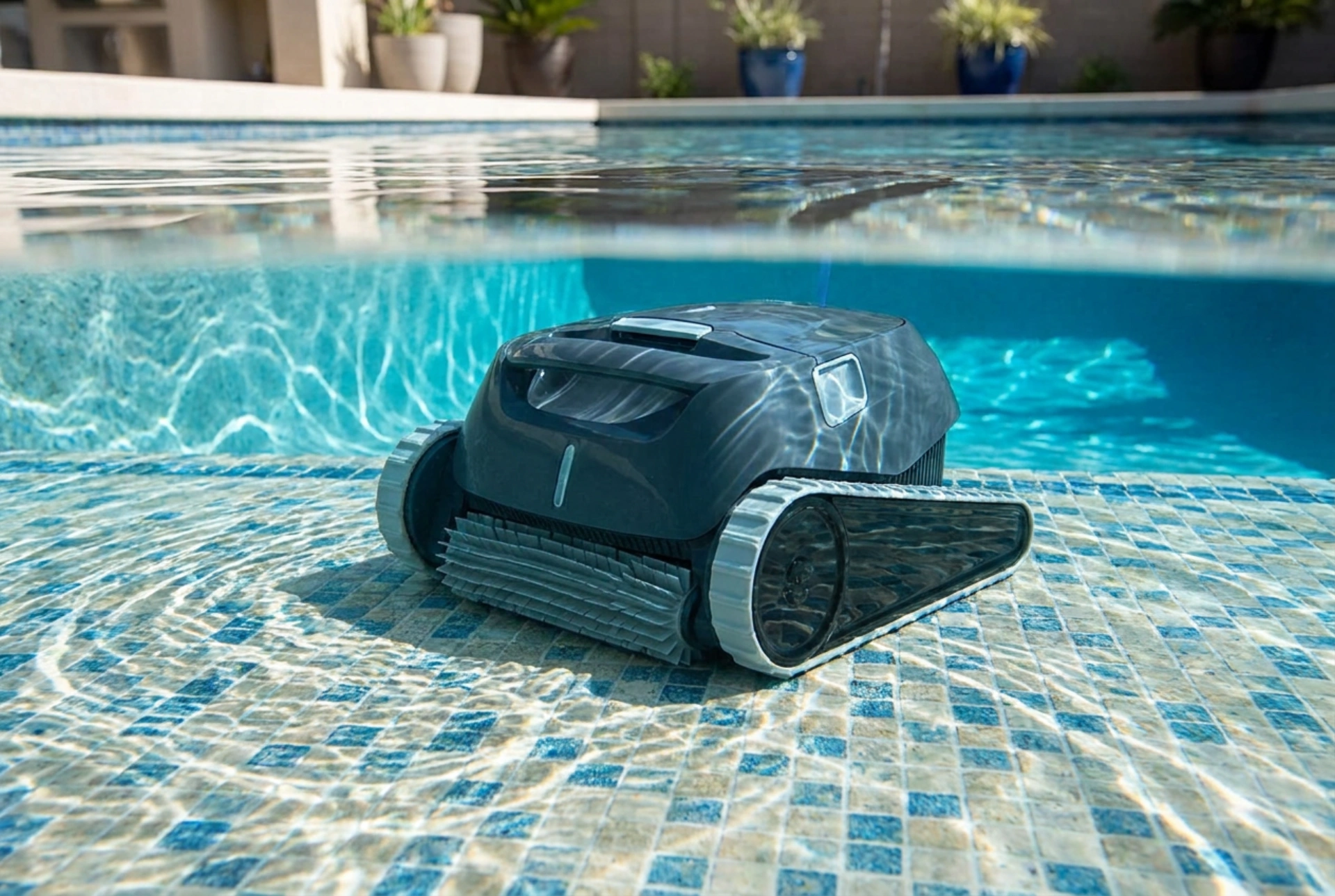
Fine sediment, which often consists of dead algae, windblown silt, calcium carbonate deposits, and organic dust, behaves differently than larger debris like leaves or twigs. When an electric pool cleaner moves, its tracks or wheels and its water outlet generate local turbulence. If the pool cleaner moves too fast or if the filtration system is not correctly configured, this turbulence suspends the fine particles in the water column before the vacuum intake can capture them. Once suspended, the sediment remains invisible for hours, only to settle back onto the pool floor after the cleaning cycle ends.
Preparation: Settling the Particles
Before turning on the electric pool cleaner, you must ensure that all suspended particles have settled completely to the pool floor. This is achieved by turning off the pool circulation pump for at least twelve to twenty-four hours. During this period of absolute stillness, gravity forces the microscopic particles to aggregate and settle into a concentrated layer on the floor. For extremely fine silt or dead algae that refuse to settle, a pool flocculant can be introduced prior to turning off the pump. The flocculant binds the tiny particles into larger, heavier clumps, making them heavy enough to sink and remain on the floor when the cleaner approaches.
Optimizing the Electric Cleaner Settings
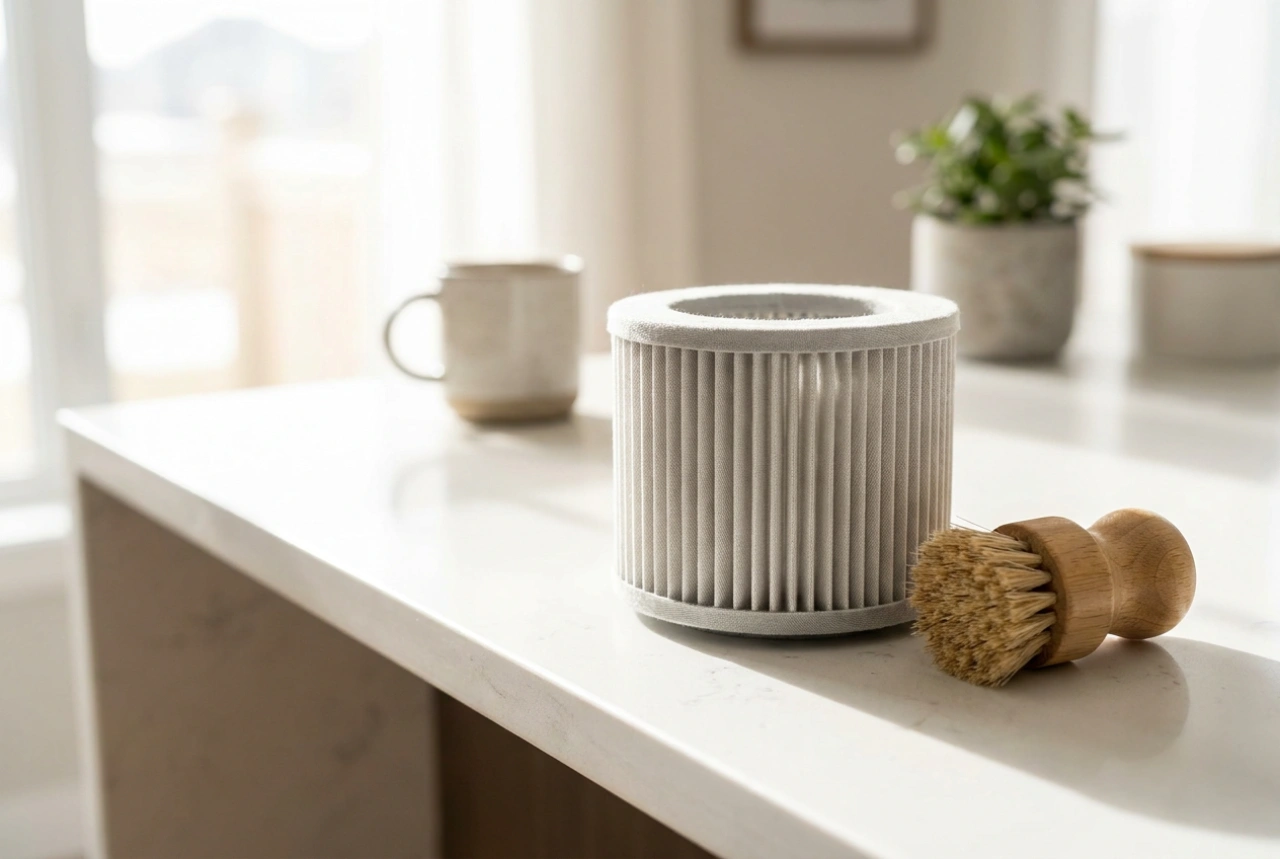
For fine sediment removal, the choice of filter media inside your electric cleaner is critical. Standard mesh filters designed for leaves will allow fine sediment to pass straight through the bag and back into the pool. You must install ultra-fine filter cartridges, which are typically rated down to 5 to 20 microns. Before lowering the unit into the water, slowly submerge it at an angle to allow all trapped air to escape from the motor chassis and filter chamber. Air pockets inside the unit cause buoyancy fluctuations and uneven pressure, which leads to erratic movements that disturb the delicate sediment layer.
Execution and Movement Control
If your electric pool cleaner has adjustable speed or cycle settings, select the gentlest cycle available, often labeled as a bottom-only or sensitive cycle. This mode reduces the travel speed of the unit, minimizing the bow wave effect that pushes sediment away from the suction intake. Start the cleaner in one corner and monitor its initial path. If the unit uses a remote control or app-guided navigation, guide it manually in slow, overlapping parallel lines. This methodical approach ensures that the entire floor is covered without creating chaotic cross-currents that stir up the silt.
Post-Cleaning Maintenance of the Filtration Media
Because fine sediment clogs ultra-fine filters rapidly, the suction power of your electric cleaner will drop significantly mid-cycle if the sediment load is heavy. Watch the water output from the cleaner’s propulsion jet. A weaker stream indicates that the filter is saturated. Pause the cycle, remove the cleaner from the pool, and thoroughly rinse the filter cartridges with a garden hose using a gentle spray pattern from the inside out to push the trapped particles out of the fabric matrix. Reinsert the clean filters and resume the cycle to complete the cleaning process.