

Dry indoor air during the heating season causes respiratory discomfort, dry skin, and static electricity, yet uncontrolled humidification often leads to condensation on cold walls, fostering mould growth. Maintaining the ideal relative humidity of 40% to 60% requires a precise understanding of vapor pressure, surface temperatures, and controlled evaporation techniques.
The Physics of Condensation and the Dew Point
To humidify indoor air without creating damp patches on walls, you must understand the relationship between temperature, relative humidity, and physical surfaces. Air behaves like a thermal sponge: warm air can hold significantly more water vapor than cold air. Relative humidity represents the percentage of moisture currently suspended in the air relative to the maximum amount it could hold at that specific temperature. When relative humidity levels exceed 60%, the air becomes saturated, and the risk of moisture deposition increases dramatically.
The critical factor in wall dampness is the dew point—the temperature at which air becomes fully saturated and begins shedding its gaseous water as liquid droplets. When warm, moisture-laden indoor air comes into contact with cold surfaces, such as uninsulated external walls, corners, or window frames (known as thermal bridges), the temperature of the air immediately adjacent to those surfaces drops. If the surface temperature is lower than the dew point of the indoor air, condensation occurs instantly. This persistent moisture damages plaster, degrades paint, and creates a breeding ground for mould spores. Therefore, effective humidification is not just about adding water to the air, but keeping the air in motion and ensuring the indoor structures remain above this thermal threshold.
Controlled Passive Evaporation: Surface Area over Heat
Traditional methods like hanging wet towels over hot radiators or using high-output steam devices often release moisture too rapidly. This creates localized zones of super-saturation, where the air cannot disperse the water vapor quickly enough, leading to rapid condensation on nearby cold walls. A more scientifically sound approach relies on passive, low-rate evaporation that integrates seamlessly with ambient air currents.
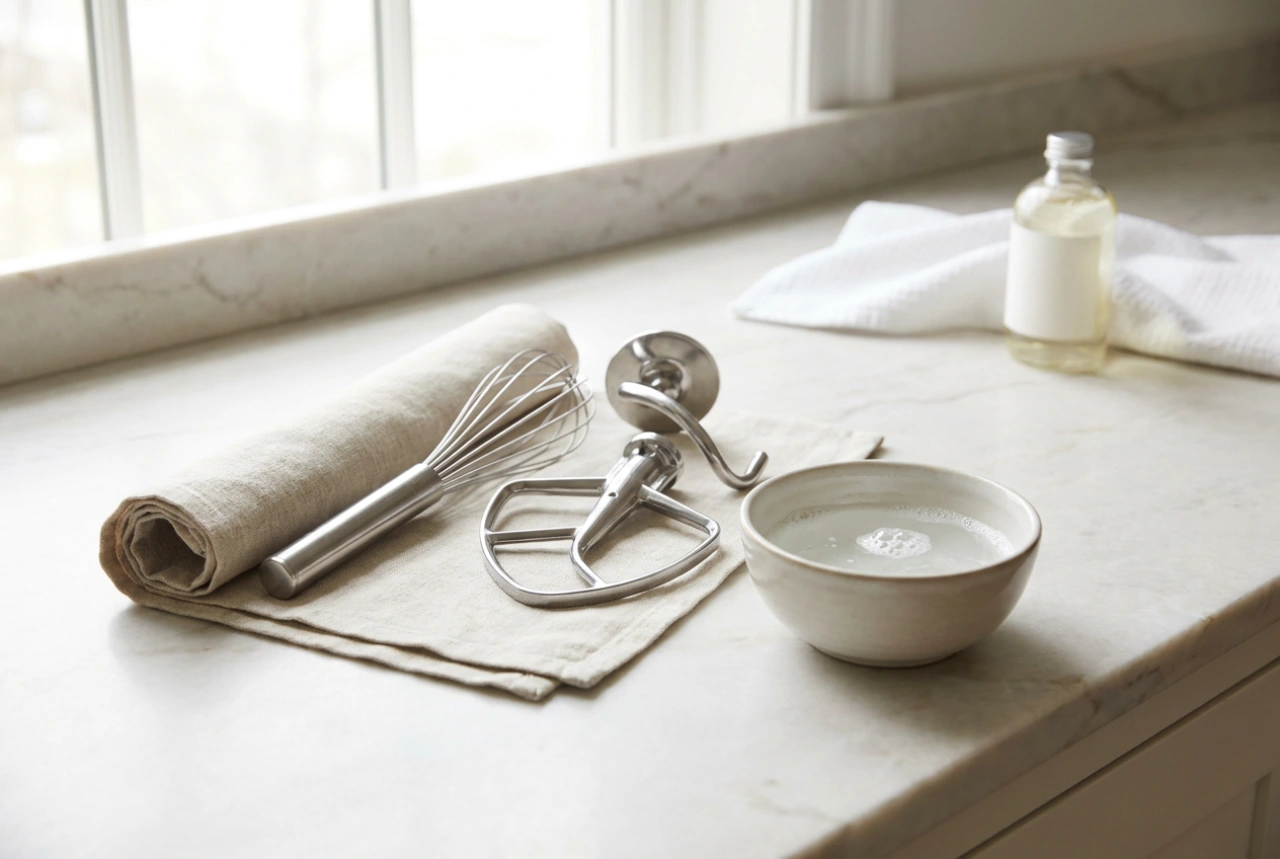
- Wide-Surface Water Vessels: Placing shallow ceramic or glass bowls filled with clean water in the center of a room—far from external walls—utilises natural ambient airflow. By adding clean, non-porous river stones or clay pebbles to the container, you increase the overall surface area exposed to the air. This facilitates steady, slow evaporation without causing sudden spikes in local humidity levels. The water transitions to vapor at a rate the room's natural air movement can easily distribute.
- Botanical Transpiration: Utilising specific houseplants is an excellent, self-regulating way to add moisture to your environment. Plants absorb liquid water through their root systems and release it as microscopic, pure water vapor through stomata on the undersides of their leaves. Plants like Boston ferns, spider plants, and peace lilies transpire at rates that naturally adapt to the surrounding temperature and humidity, providing a gentle, continuous moisture release that prevents sudden saturation zones.
Airflow Dynamics and Thermal Management
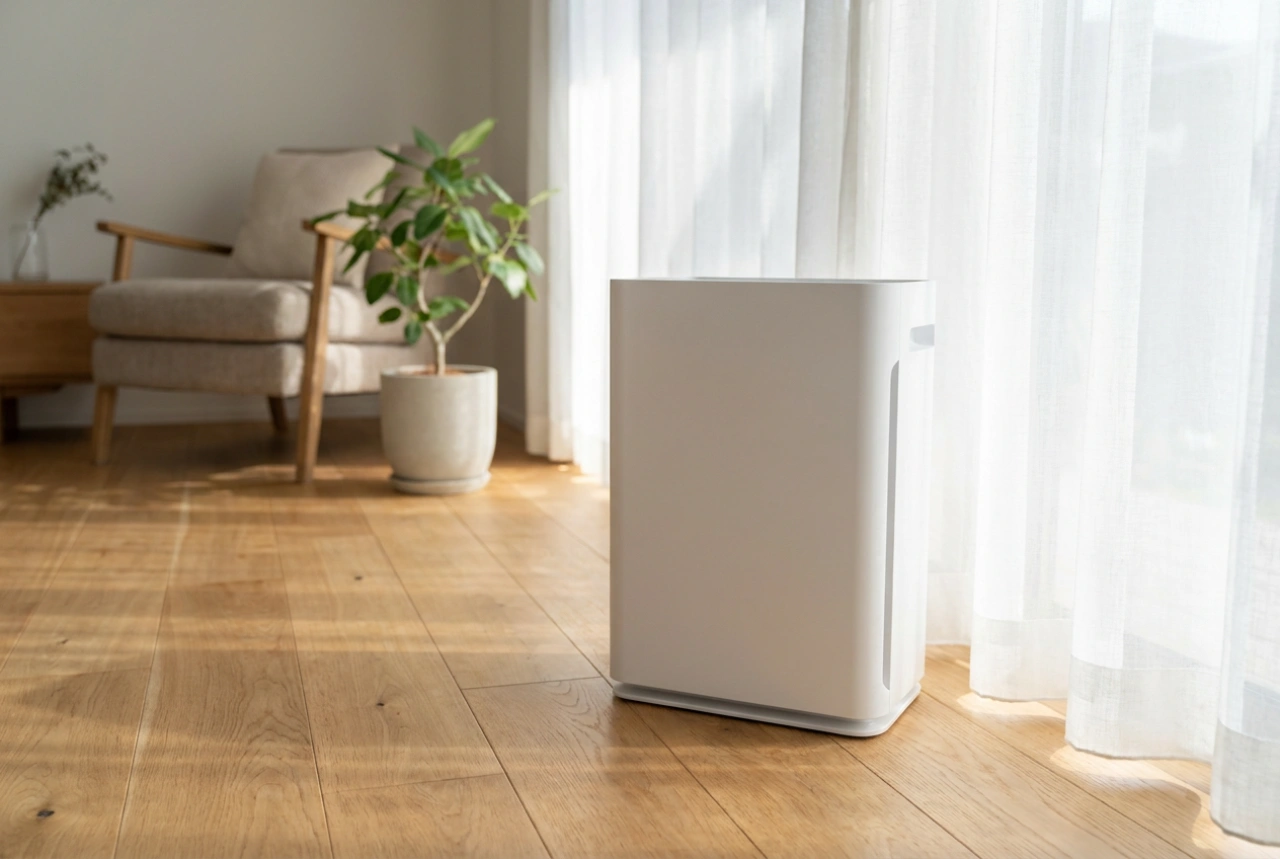
Even distribution of humidity prevents localized moisture accumulation. Stagnant air allows pockets of high humidity to form near cold corners, where condensation is highly likely to occur. Promoting gentle, continuous air movement ensures that moisture is evenly distributed throughout the entire volume of the room, minimizing the risk of localized dew point transition.
Maintaining a consistent thermal envelope is equally critical. Fluctuating room temperatures exacerbate condensation issues. If you let a room cool down significantly at night, the air loses its capacity to hold water vapor, and the dew point is reached much faster on the cooling walls. Keeping a steady, moderate temperature (around 19°C to 21°C) keeps the interior surfaces of external walls warm enough to prevent vapor transition, allowing the suspended moisture to remain safely in gaseous form.
Strategic Ventilation: The Dry Air Reset
It may seem counterintuitive, but letting cold, dry outdoor air inside is essential for managing healthy humidity levels without dampness. Cold winter air contains very little absolute moisture. When you perform a brief, high-volume air exchange (opening windows fully for 5 to 10 minutes, known as cross-ventilation), you replace the heavy, moisture-laden indoor air with dry outdoor air.
As this fresh, cold air warms up inside your home, its capacity to hold moisture expands dramatically, dropping the relative humidity. This reset allows you to start humidifying from a lower baseline, ensuring that the moisture you introduce remains suspended in the air rather than settling on structural surfaces.