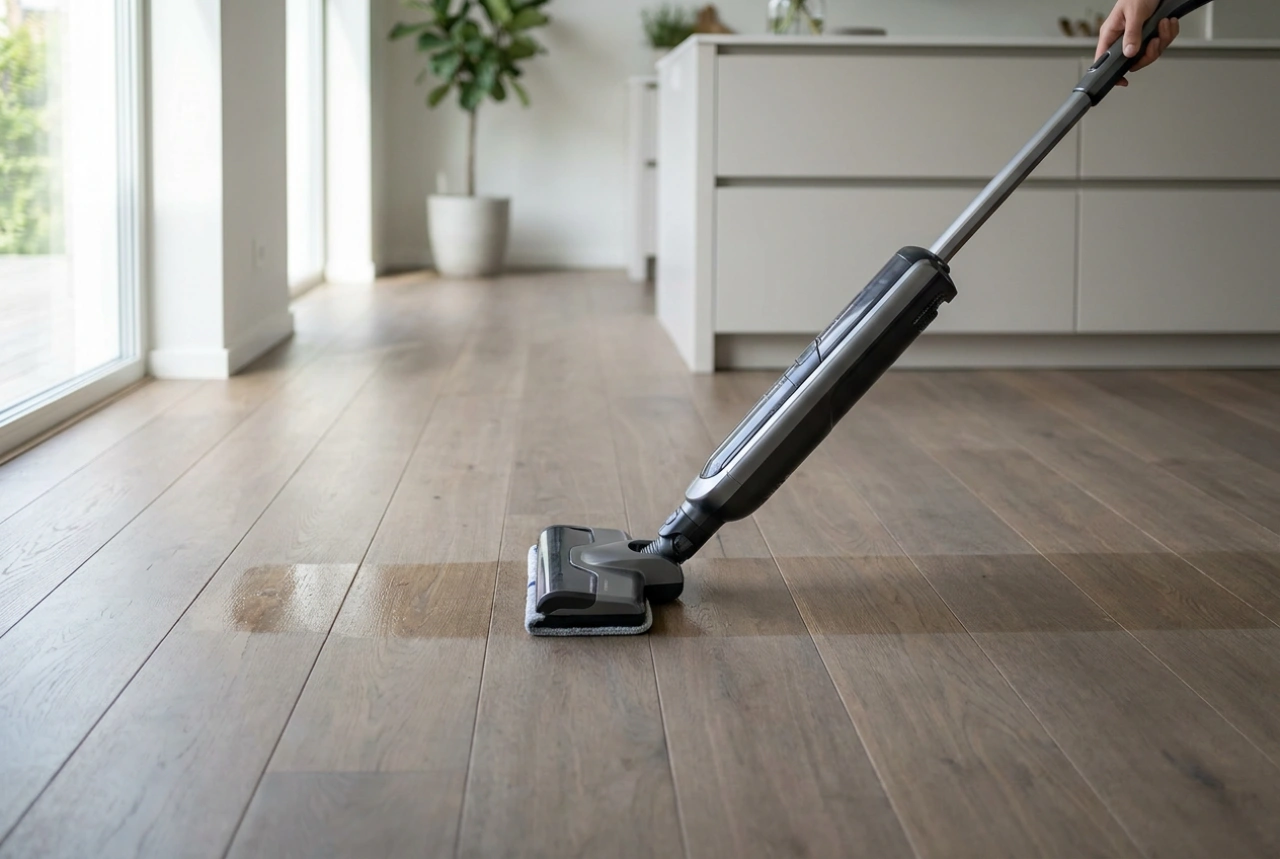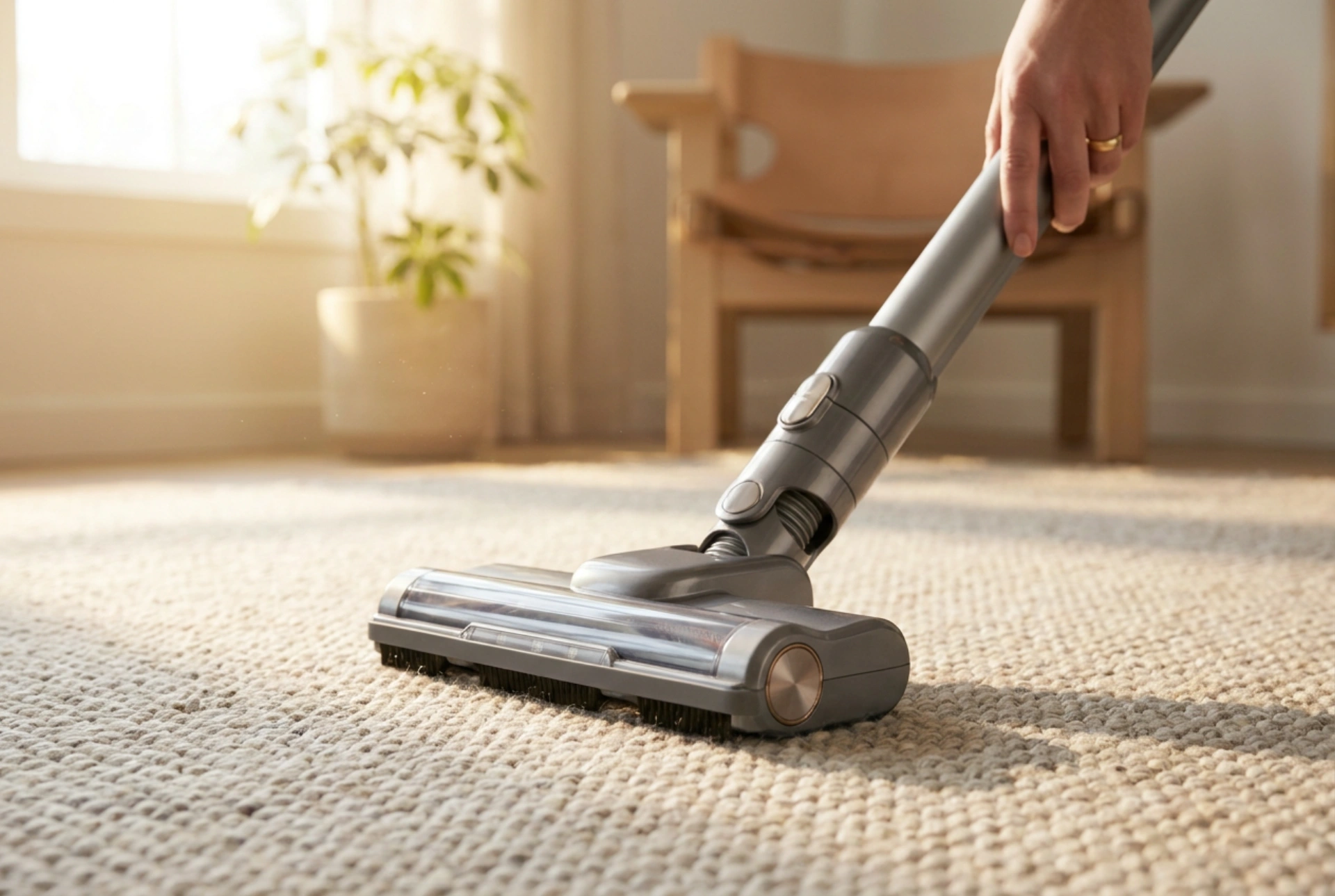


Maximising the battery life of a cordless vacuum on high-friction carpets requires a strategic approach combining physical mechanics, brush bar maintenance, and optimized movement techniques. By reducing the resistance your vacuum encounters, you can prevent the motor from drawing excessive current and significantly extend your cleaning time.
The Physics of Battery Drain: Resistance and Heat
Cordless vacuum cleaners rely on lithium-ion batteries that deliver power to two main components: the suction motor and the motorized brush bar. When vacuuming carpets, the resistance encountered by the brush bar increases exponentially compared to hard flooring. The dense fibres of wool or synthetic carpets wrap around the rotating brush, creating mechanical friction. To maintain its programmed rotational speed, the brush motor must draw more electrical current from the battery. This increased load, coupled with the higher suction power often triggered by automatic floor-detection sensors, leads to rapid thermal buildup in the battery pack, accelerating its discharge cycle.
Optimising Power Modes and Airflow Dynamics
Many users default to the highest power setting when tackling carpets, believing that maximum suction is necessary. However, the maximum or turbo mode is designed for localized, heavy-duty spot cleaning rather than entire rooms. Using this setting continuously can deplete a fully charged battery in under ten minutes due to the extreme heat generated in the cells. For standard carpet maintenance, the medium or standard setting is highly efficient when combined with proper mechanical agitation. Airflow dynamics play a crucial role: instead of relying solely on raw static pressure, allow the kinetic energy of the motorized brush bar to lift debris from the carpet pile. This mechanical action requires significantly less electrical energy than maintaining peak suction power.
Mastering the Low-Resistance Vacuuming Technique
How you physically move the vacuum cleaner directly impacts energy consumption. Rapid, erratic back-and-forth strokes cause sudden spikes in motor resistance as the direction of the brush bar changes against the lay of the carpet pile. To vacuum efficiently:
- Slow and deliberate strokes: Move the vacuum forward slowly to allow the rotating bristles to penetrate the pile and lift dirt. This steady movement maintains a consistent motor load.
- Work with the pile: Pay attention to the direction of the carpet fibres. Vacuuming against the natural direction of the pile increases friction and motor strain.
- Overlapping paths: Use systematic, parallel lines. This ensures thorough cleaning in a single pass, eliminating the need to re-vacuum areas and conserving overall battery runtime.
Mechanical Maintenance to Minimise Motor Load
Physical obstructions within the vacuum assembly are the primary cause of premature battery drainage. When the system is clogged or restricted, the motor works twice as hard to draw air through the unit. Regular maintenance directly translates to longer battery life:
- Clear the brush roll: Hair, threads, and carpet fibres wrapped tightly around the brush bar act as a brake. Regularly cut away these obstructions to allow the brush to spin freely, minimizing mechanical resistance.
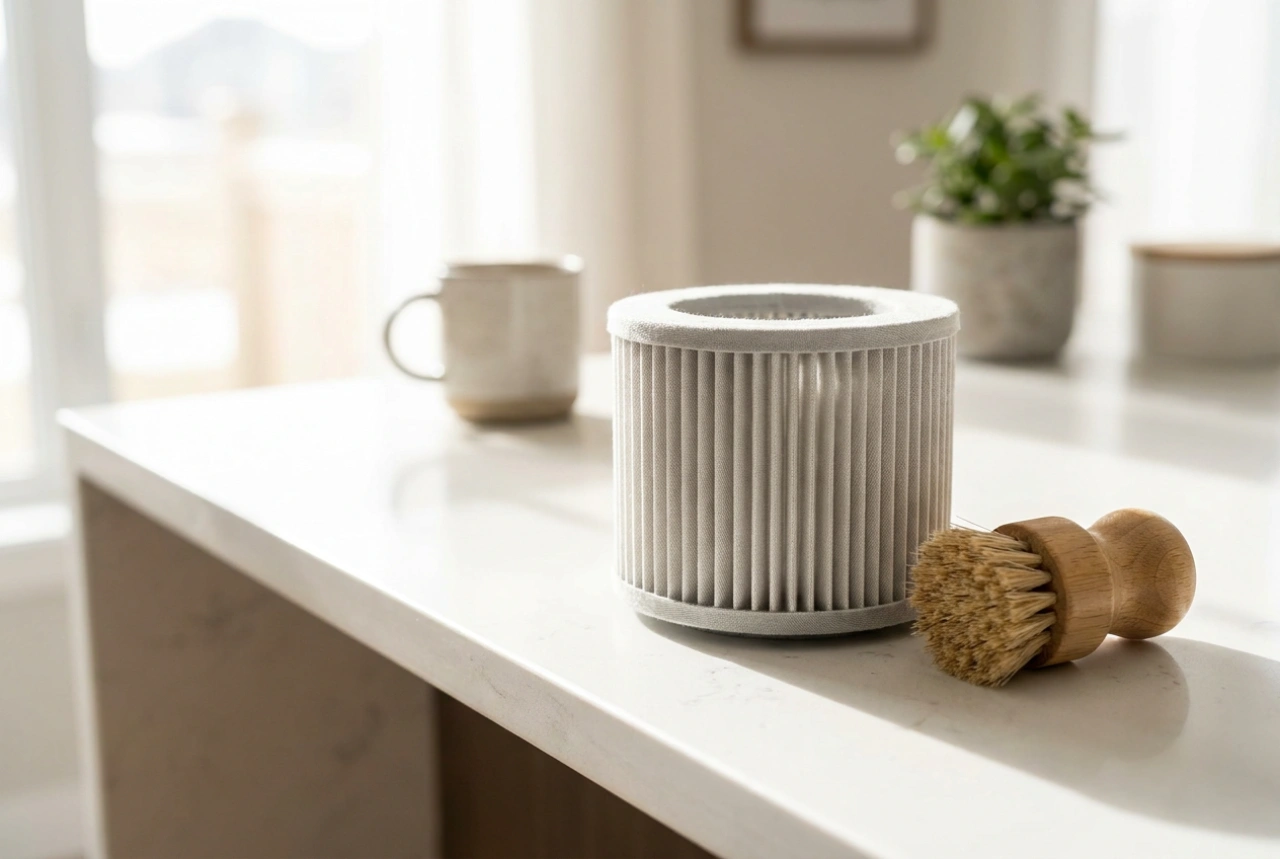
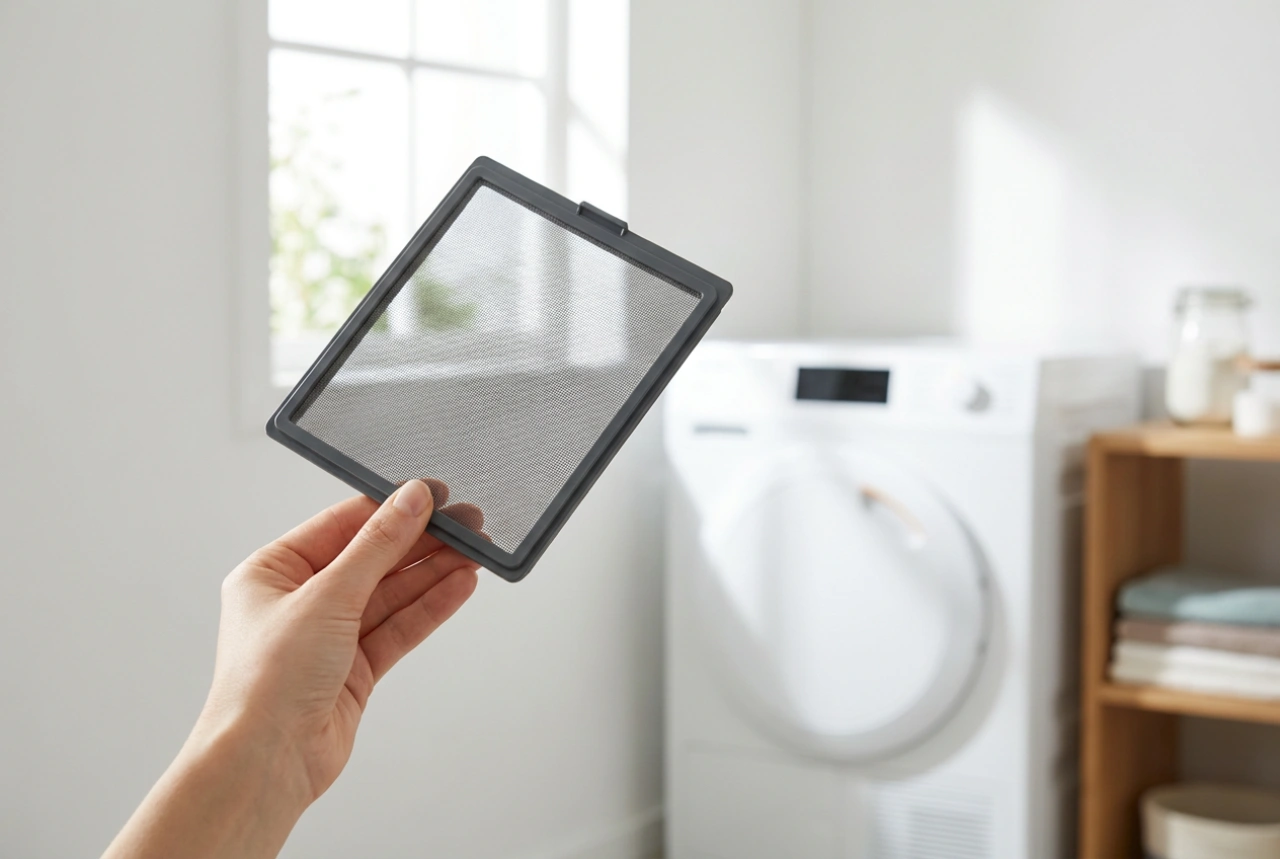
- Wash and dry the filters: A dirty pre-motor or HEPA filter restricts airflow, causing the vacuum to work in a high-vacuum state that strains the motor. Wash filters monthly and ensure they are completely dry before use.
- Empty the dust bin early: Do not wait for the bin to reach its maximum limit. A full bin impedes cyclonic separation, forcing the motor to draw more power to maintain suction.
Preserving Battery Health Over Time
Lithium-ion batteries perform best when kept within moderate temperature ranges. Avoid charging the battery immediately after a heavy cleaning session; let the cells cool down for fifteen minutes first. Similarly, store the vacuum in a temperature-controlled environment rather than a cold garage or utility room, as extreme temperatures degrade cell capacity and shorten the overall lifespan of the power pack.