

Achieving deep-clean results with a lightweight vacuum cleaner relies on understanding the physics of airflow, mechanical agitation, and air path design rather than raw motor size. By focusing on how these elements interact, you can select and operate a nimble machine that matches the performance of its heavier counterparts.
The Physics of Suction: Airflow vs. Sealed Pressure
To understand vacuum efficiency, we must look at two distinct physical metrics: airflow (measured in cubic feet per minute or litres per second) and static pressure (measured in kilopascals, kPa). Heavy traditional vacuums often rely on massive motors to create high static pressure, which sucks dirt through deep carpet fibres. However, lightweight models must optimise fluid dynamics to achieve similar results with smaller, highly efficient brushless motors.
Airflow is what actually carries the dirt into the collection chamber. In a lightweight vacuum, maintaining high airflow is achieved by shortening and straightening the internal air path. A direct, unobstructed path from the nozzle to the canister minimises friction losses and turbulence. When shopping or evaluating a lightweight unit, look for a straight-line design where the nozzle, wand, and cyclone assembly are aligned, allowing air to move swiftly with minimal energy expenditure.
Mechanical Agitation: Reducing the Need for Raw Power
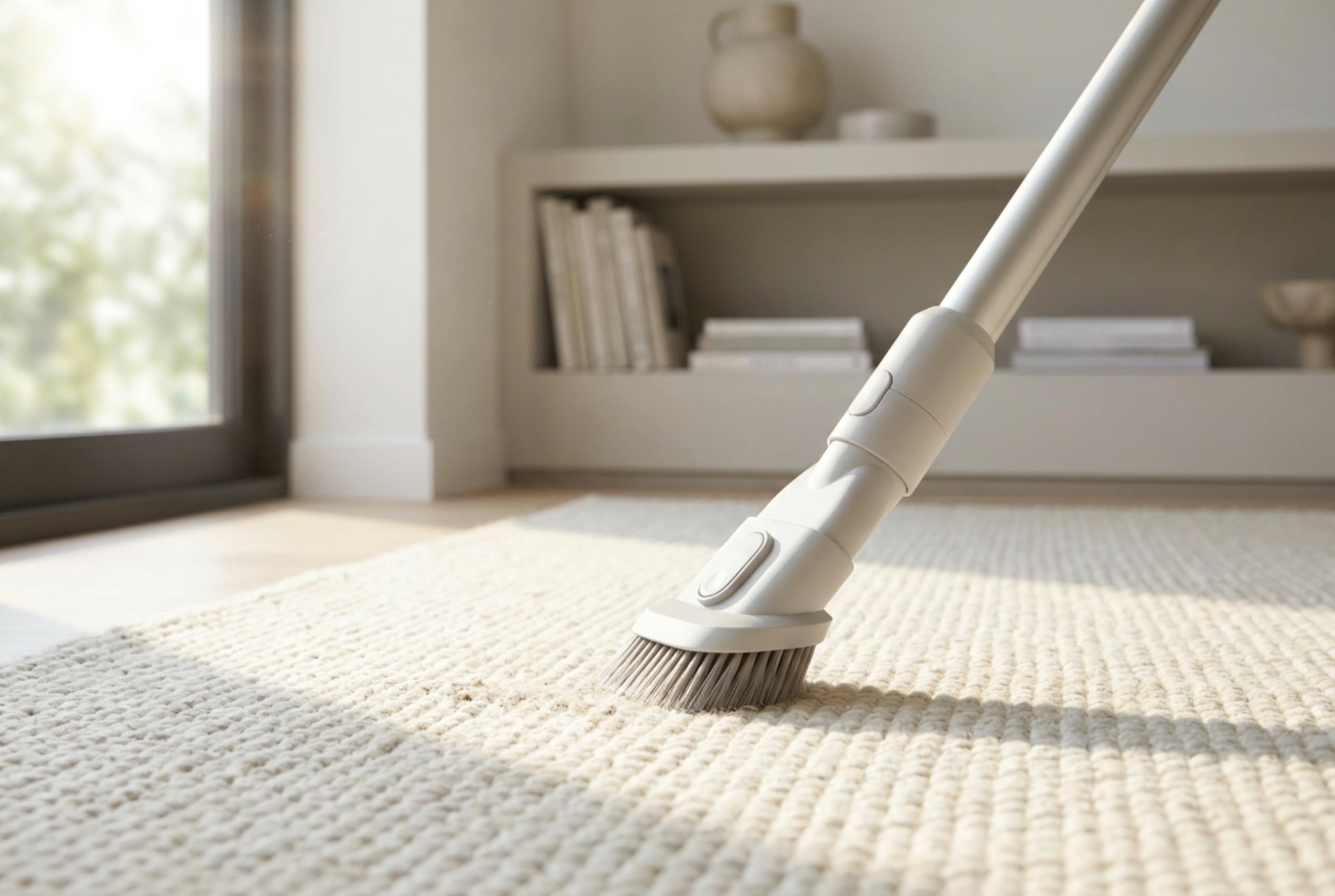
In the absence of a heavy motor creating immense static pressure, mechanical agitation becomes the primary driver for removing debris from carpets and textiles. Motorised brush bars are essential in lightweight vacuums because they physically lift dust and hair from the fibres, bringing them into the active airstream.
- Bristle Stiffness: Stiffer bristles are required to agitate dense carpet piles, while soft nylon rollers are ideal for hard floors to prevent scattering debris.
- Independent Motors: High-efficiency lightweight vacuums utilise a dedicated small motor inside the cleaning head to spin the brush roll. This decouples agitation from the main suction motor, ensuring consistent mechanical action regardless of battery level or airflow restriction.
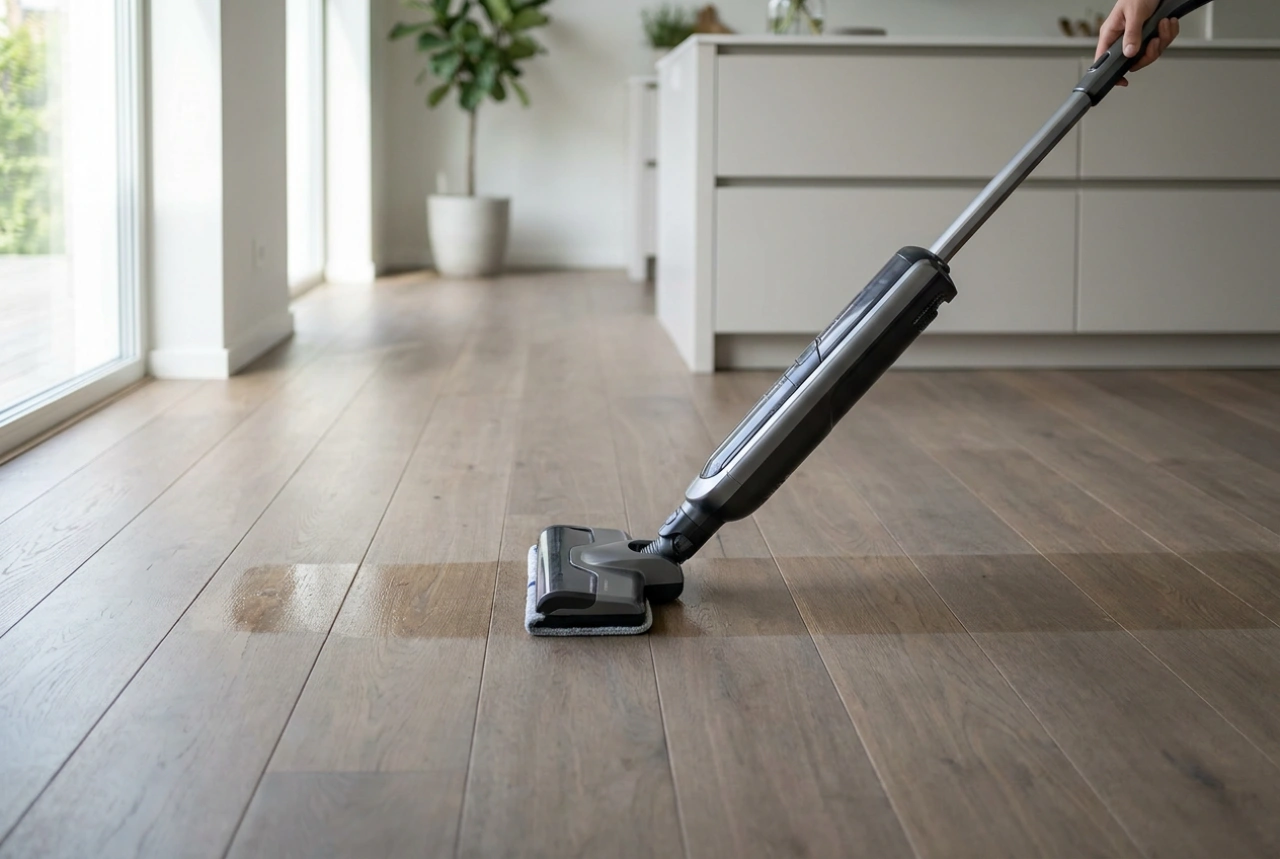
- Sealing the Floor Head: A well-designed floor head creates a temporary seal with the floor surface. This concentrates the available suction directly beneath the brush bar, preventing air from escaping from the sides.
Cyclonic Separation and Filtration Resistance
Airflow naturally drops as the dust container fills or when filters become clogged. Lightweight vacuums utilize cyclonic separation to mitigate this issue without requiring heavy bags or secondary filtration layers. Centrifugal force spins dust particles out of the airstream and deposits them directly into the bin before the air reaches the physical filter.
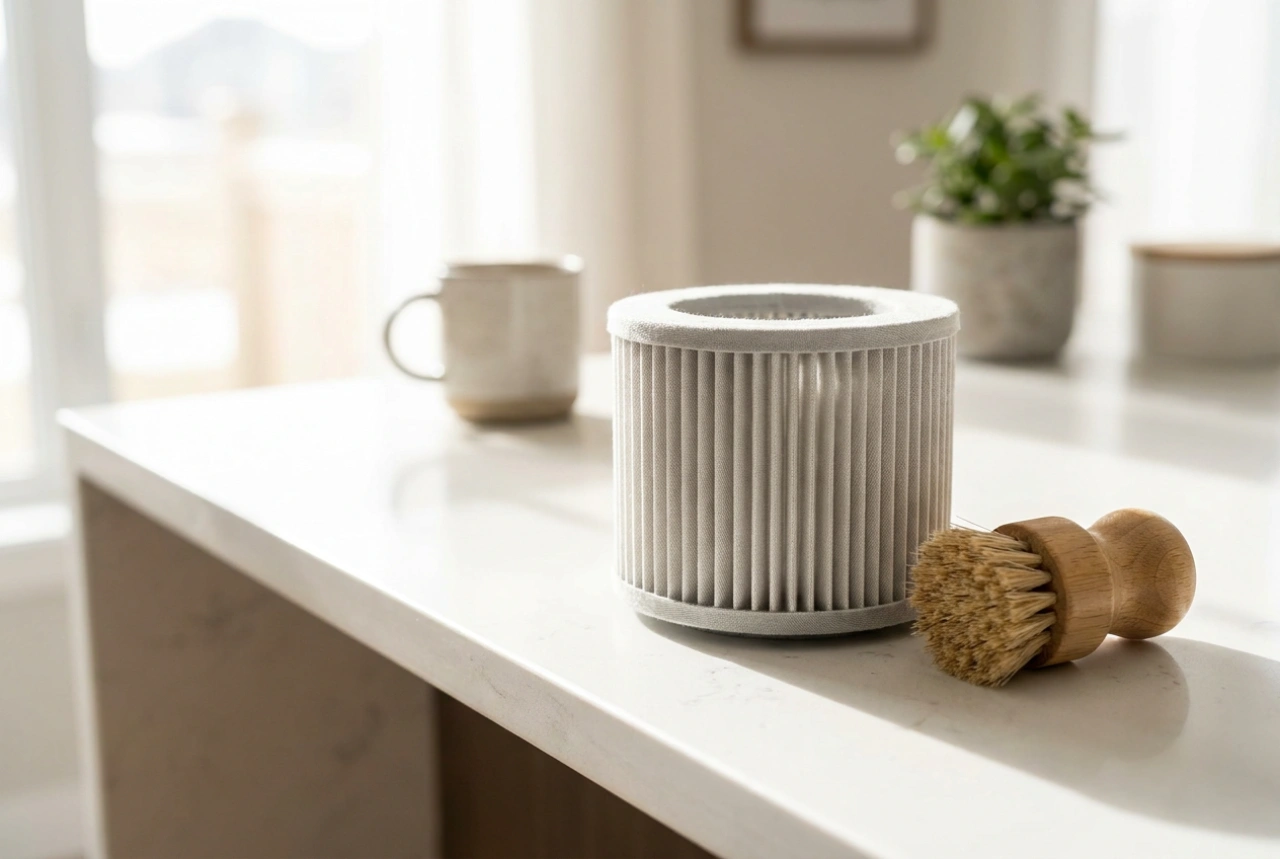
A multi-cyclonic system subjects the incoming air to high-velocity spins, separating microscopic particles. This keeps the primary filter cleaner for longer, maintaining a low-resistance path for the exhaust air. To keep a lightweight vacuum performing at its peak, users must regularly wash the pre-motor filter and tap out the fine dust. Any restriction in the filter instantly reduces the system's airflow, rendering a lightweight motor ineffective.
Optimising Cleaning Technique and Maintenance
Operating a lightweight vacuum effectively requires a slightly different approach than using a heavy upright model. Because lightweight machines have less inertia, user movement and maintenance play a larger role in overall efficiency.
Slow, deliberate passes allow the motorised brush bar sufficient time to agitate the fibres and lift debris into the suction zone. Fast, sweeping motions often glide over embedded dirt. Additionally, keeping the dust canister below the maximum fill line is critical; overfilling disrupts the cyclonic vortex, forcing fine dust into the filters and choking the airflow. Regular maintenance of the brush roll—removing wrapped hair and threads—ensures that the brush rotates at its maximum designed RPM, preserving mechanical efficiency.