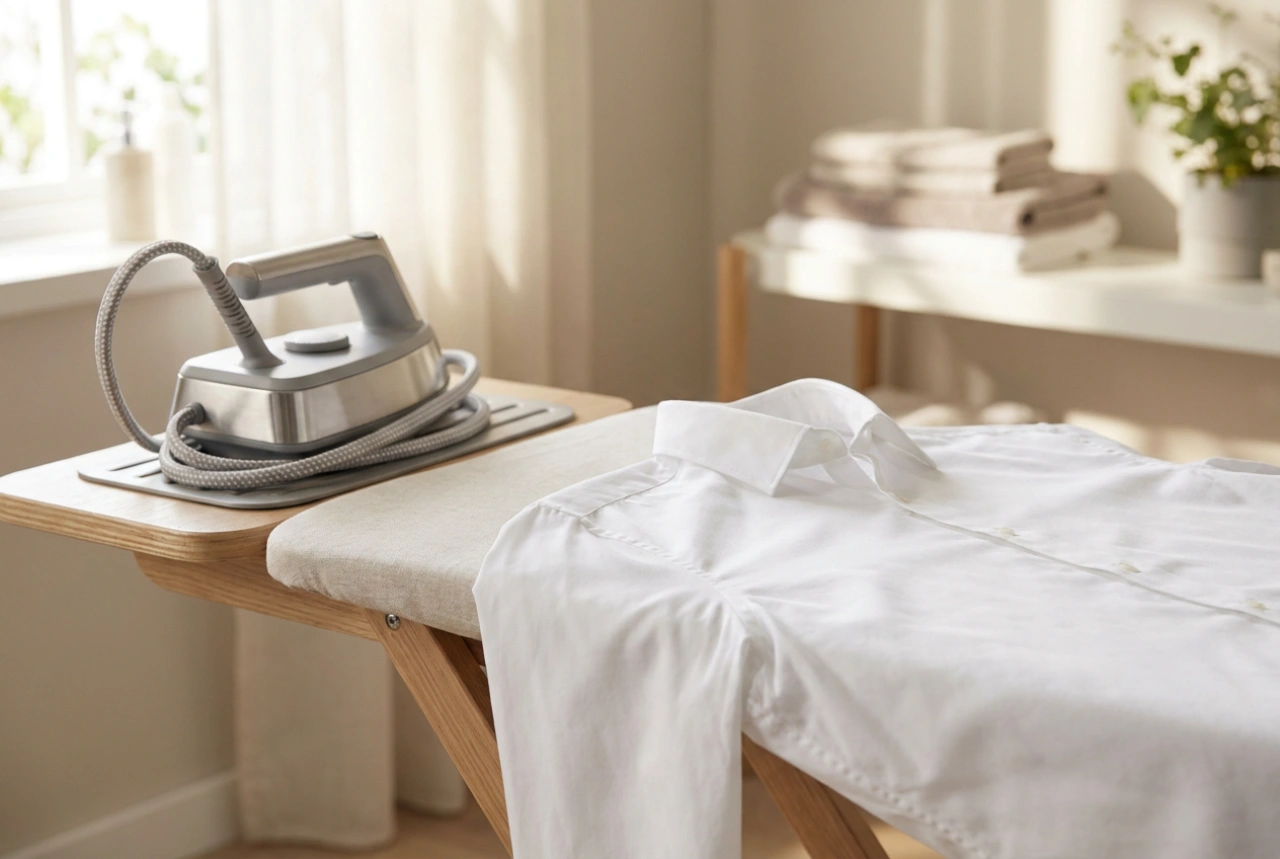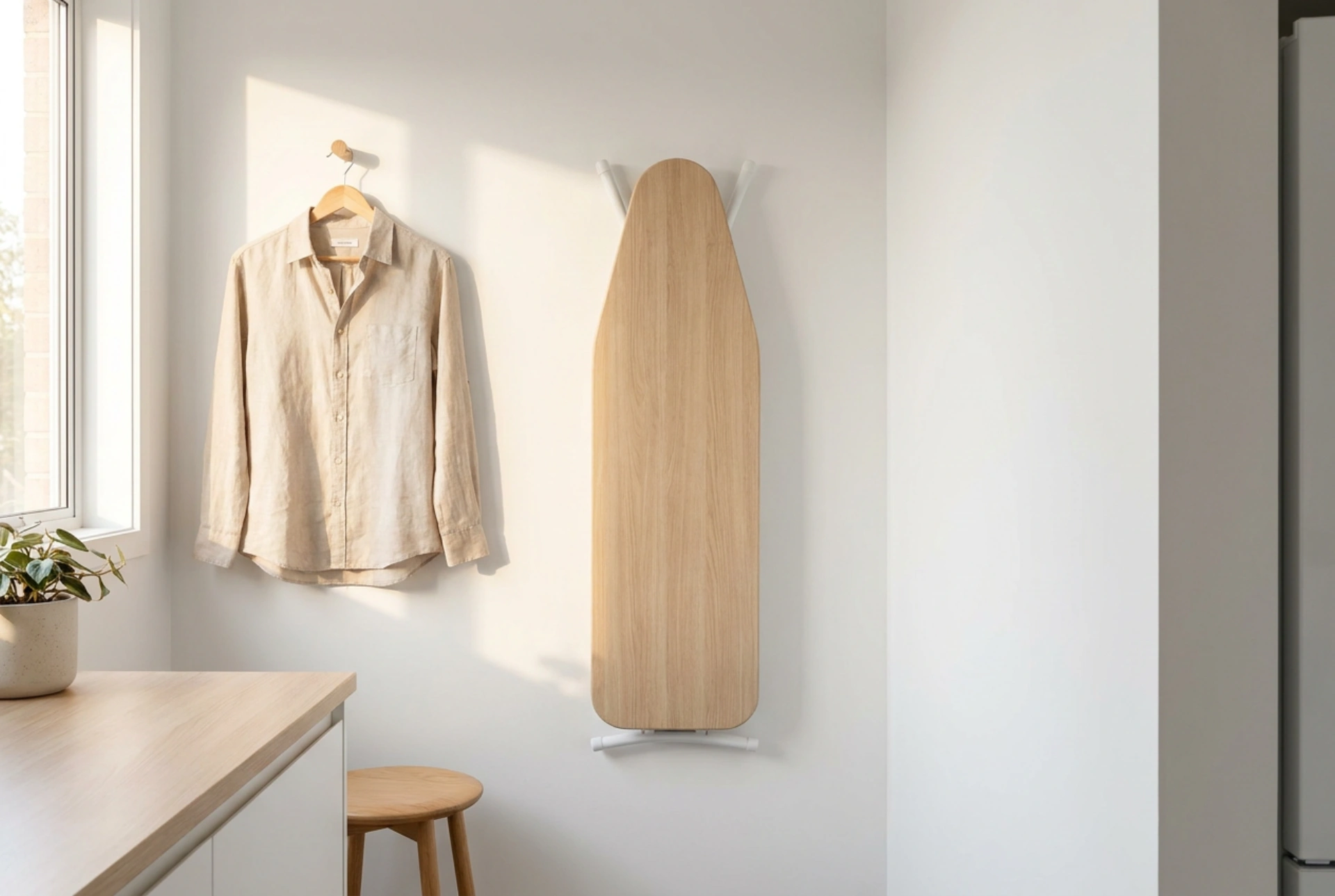


Wall-mounted ironing boards offer a highly efficient, space-saving alternative that optimizes daily workflow and reduces physical strain in compact living environments. Integrating these folding systems directly into your home’s vertical surfaces eliminates the cumbersome process of retrieving, setting up, and storing heavy, freestanding equipment.
The Spatial Dynamics of Wall-Mounted Solutions
In small apartments, floor area is premium real estate. A traditional folding ironing board occupies valuable floor space both during use and when stored in a closet. Wall-mounted units exploit underutilized vertical space. These systems operate on a pivot-and-lock mechanism, allowing the board to fold flat against the wall, often extending less than ten centimeters into the room when closed. This immediate accessibility encourages micro-ironing—smoothing out a single garment before wear rather than letting laundry pile up. The mechanical design relies on a counterbalanced hinge or a gas-spring assist, reducing the lifting force required to deploy or stow the unit.
Anatomical Alignment and Ergonomics
Standard freestanding boards frequently suffer from structural instability and limited height adjustments, leading to poor posture. A fixed wall-mounted installation allows you to calibrate the board’s height precisely to your anthropometric measurements. The ideal ergonomic height for ironing is exactly ten to fifteen centimeters below your elbow height when standing with relaxed shoulders. Mounting the board at this personalized level minimizes shoulder abduction and upper trapezius tension, preventing repetitive strain injuries during extended household tasks. Furthermore, the absence of splayed metal legs ensures clear legroom, allowing wheelchair users or those who prefer to sit to position themselves closely and comfortably without obstruction.
Structural Forces and Anchoring Physics
Installing a wall-mounted board requires an understanding of shear and tension forces. When you press down on the nose of an extended ironing board, the wall bracket acts as a fulcrum, transforming your downward force into a pulling force (tension) at the top mounting screws and a pushing force (compression) at the bottom. For a secure installation, the unit must be anchored to solid structural elements. In drywall construction, this means fastening the bracket directly into wooden studs using heavy-duty wood screws. For masonry or concrete walls, nylon expansion anchors or sleeve anchors are necessary to distribute the load evenly. Neglecting these physical dynamics can lead to wall damage or structural failure under load.
Thermodynamics and Material Integrity
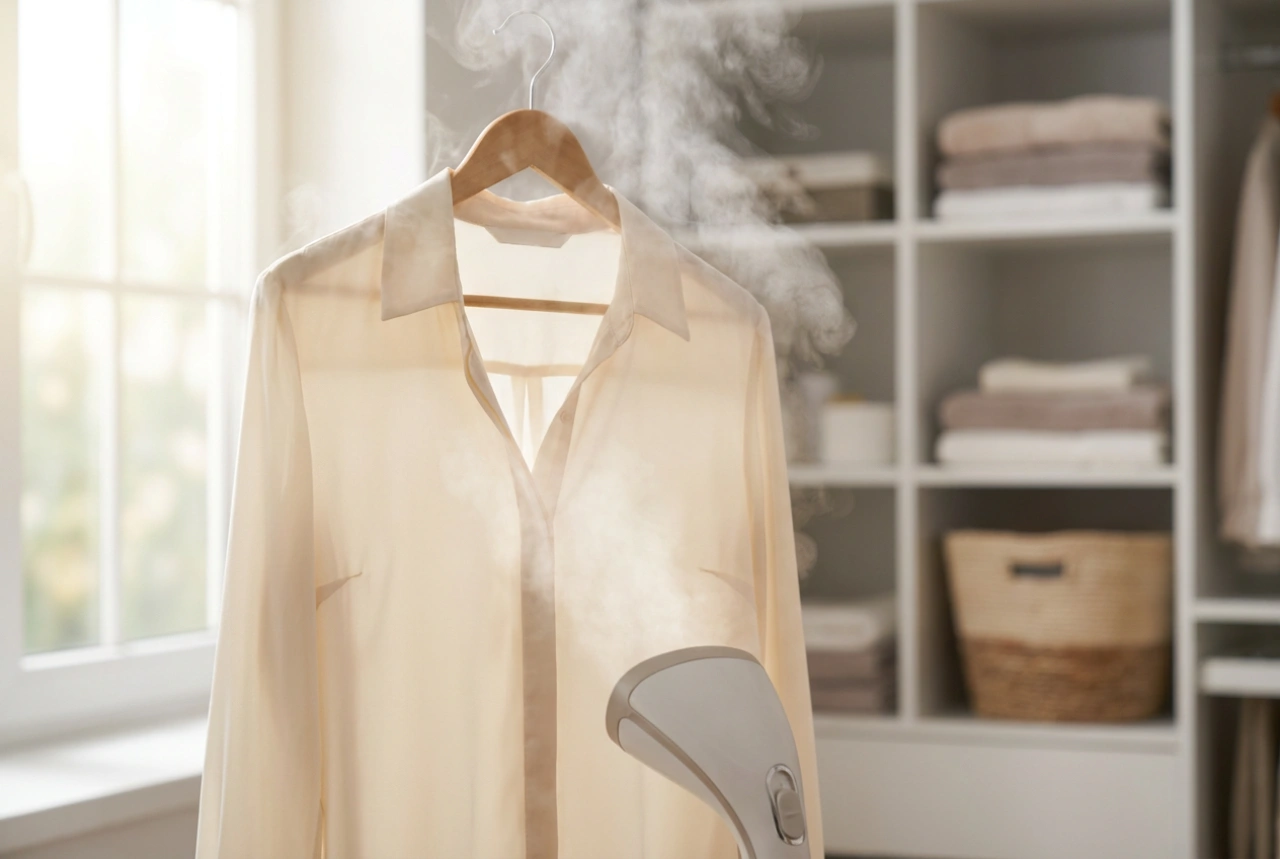
Efficient ironing relies on a combination of heat, moisture, and pressure. Wall-mounted boards feature specialized structural substrates, typically made of perforated steel mesh or expanded metal. This design allows steam to pass freely through the board rather than condensing inside the frame, which would eventually lead to rust or wall dampness. A high-quality cover utilizing metallized cotton fibers reflects heat back through the garment, effectively ironing both sides simultaneously. This thermal efficiency cuts energy consumption and reduces the physical effort required to remove deep creases from dense fabrics like linen or heavy cotton.
Strategic Placement for Optimal Workflow
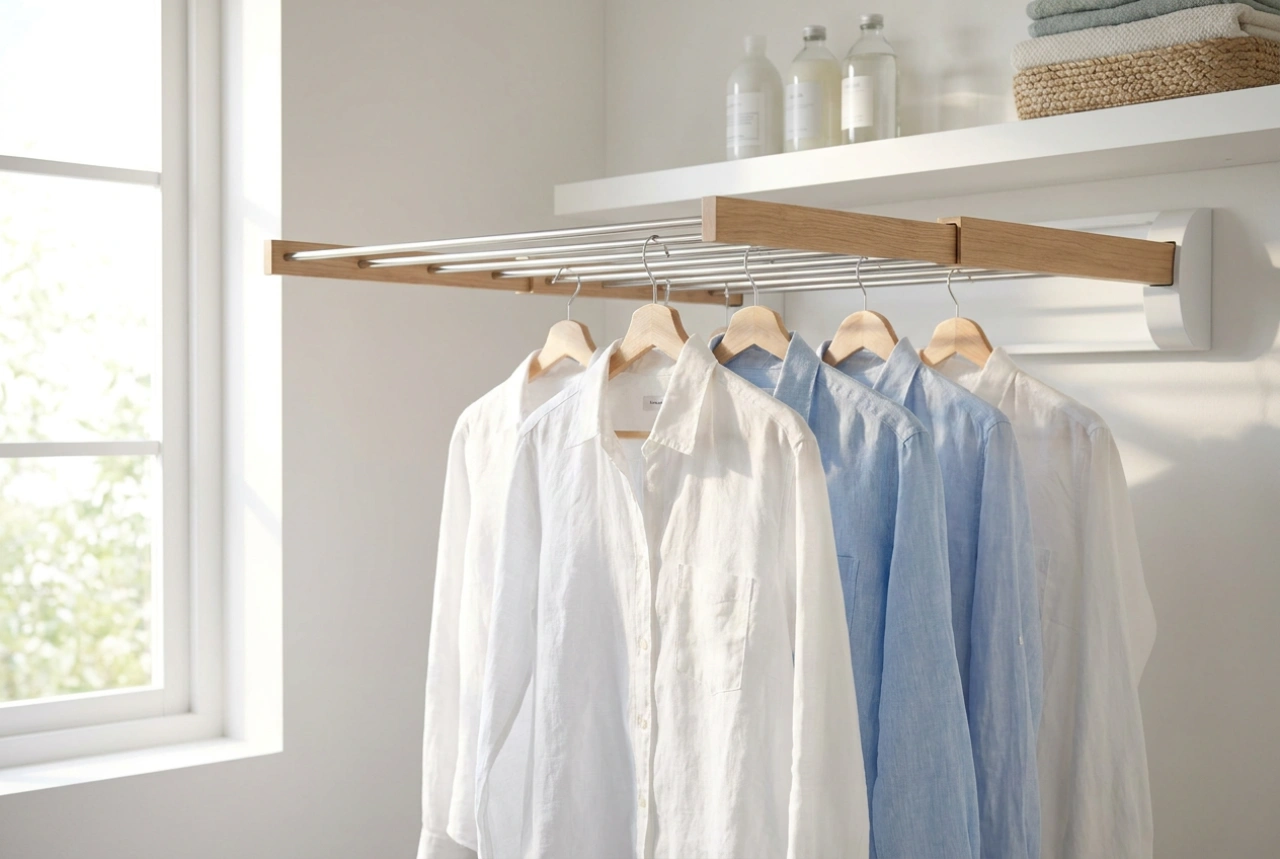
To maximize the utility of a wall-mounted ironing board, placement must follow logical movement patterns. Position the board near a grounded electrical outlet to avoid stretching cords, which creates a tripping hazard and damages internal wiring. Ensure there is at least one meter of clearance on all working sides to allow free movement of your arms and torso. Placing the unit near a closet or hanging rail streamlines the process, letting you transfer freshly pressed garments directly to hangers before they cool and re-wrinkle, preserving the smooth finish achieved by your labor.