

Ski pants rely on specialized membranes and durable water repellent (DWR) coatings that degrade quickly if exposed to standard laundry detergents and aggressive mechanical cycles. Maintaining both water resistance and thermal insulation requires a careful balance of chemical selection, temperature control, and physical handling.
The Physics of Waterproof Membranes and DWR
High-performance ski outerwear typically features a sandwich construction: an outer face fabric, a microscopic membrane, and an inner insulating layer. The membrane is often made from expanded polytetrafluoroethylene (ePTFE) or polyurethane (PU). These materials contain billions of microscopic pores per square centimetre. These pores are large enough to let water vapour (sweat) escape, but far too small for liquid water droplets to penetrate.
To assist the membrane, the outer fabric is treated with a Durable Water Repellent (DWR) polymer. This coating increases the surface contact angle of water droplets, forcing them to bead up and roll off rather than saturate the fibres. If the face fabric wets out, breathability drops to zero, and the insulating layer becomes damp from trapped body moisture.
Why Standard Detergents Ruin Technical Wear
Standard household laundry detergents are designed to break down organic dirt and keep it suspended in water using hydrophilic surfactants. However, these surfactants leave a microscopic film on the fabric fibres. This residue lowers the surface tension of the fabric, acting as a bridge that pulls water through the DWR and clogs the delicate pores of the membrane.
Furthermore, standard detergents often contain enzymes, optical brighteners, and fabric softeners. Softeners deposit silicone compounds on the fibres to make them feel plush, which completely destroys the hydrophobic properties of the DWR and degrades synthetic down or polyester insulation loft. Instead, a dedicated technical liquid wash designed specifically for synthetic membranes must be used, as it rinses clean without leaving hydrophilic residues.
Step-by-Step Washing and Spin Cycles
Before washing, prepare the garment by closing all zippers, hook-and-loop fasteners, and snaps. This prevents mechanical abrasion and tearing of the face fabric during the cycle. Empty all pockets and turn the pants inside out to protect the outer membrane from friction against the washing machine drum.
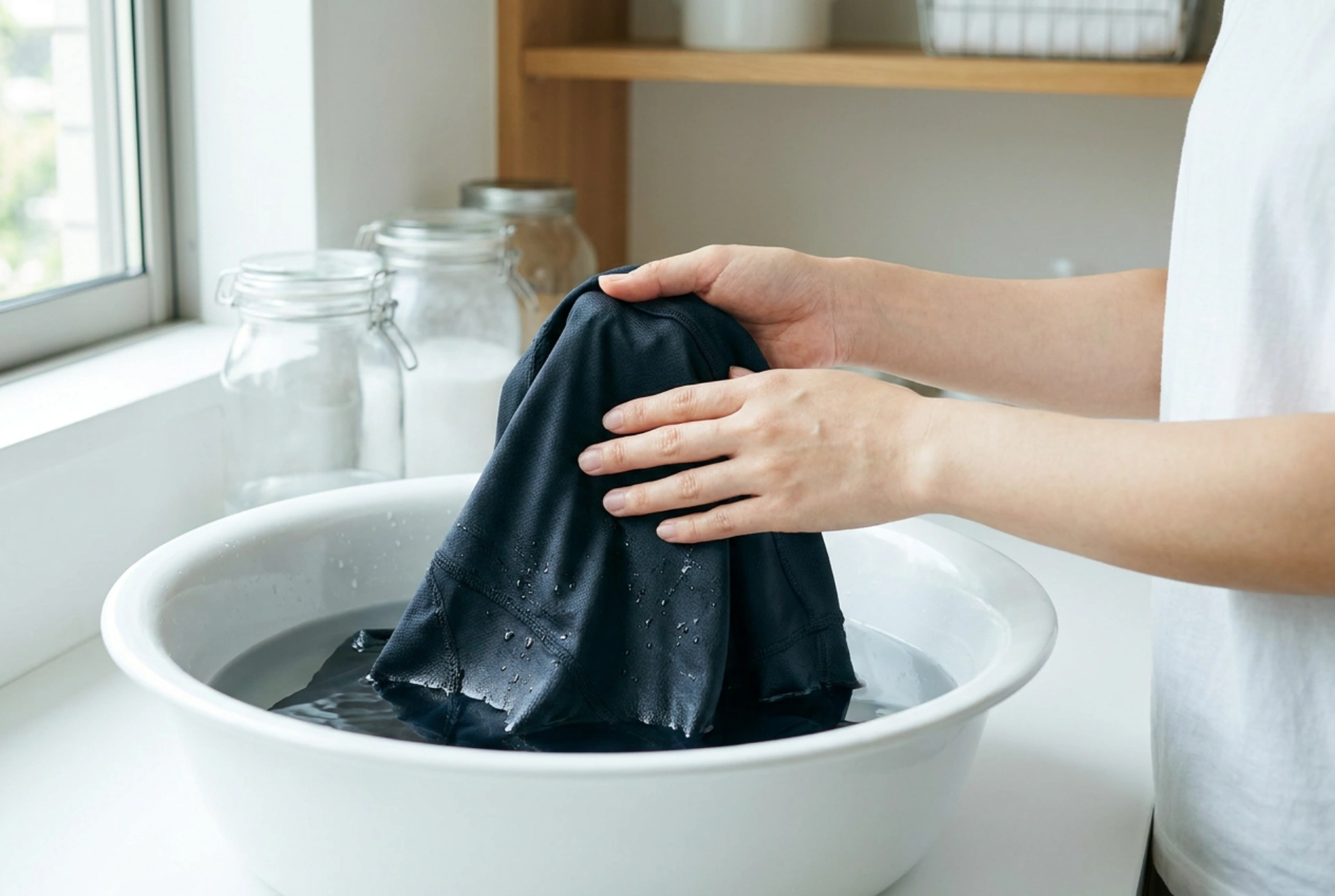
- Pre-treating stains: Use a soft sponge and a diluted solution of technical wash to gently rub muddy areas. Avoid stiff brushes that can scratch the delicate DWR coating.
- Select the cycle: Choose a delicate, synthetic, or outdoor-specific cycle. Set the temperature to a maximum of 30°C. High water temperatures can melt the polyurethane adhesives used to laminate the membrane to the face fabric, leading to permanent delamination.
- Control the spin: High-speed spinning subjects the insulated chambers to severe G-forces, which can tear the internal baffle walls or cause synthetic insulation to clump and migrate. Limit the spin speed to 400 or 600 RPM.
- Rinse thoroughly: Program an extra rinse cycle to guarantee that every trace of dirt and cleaning agent is completely flushed from the membrane structure.
Drying and Activating the Hydrophobic Barrier
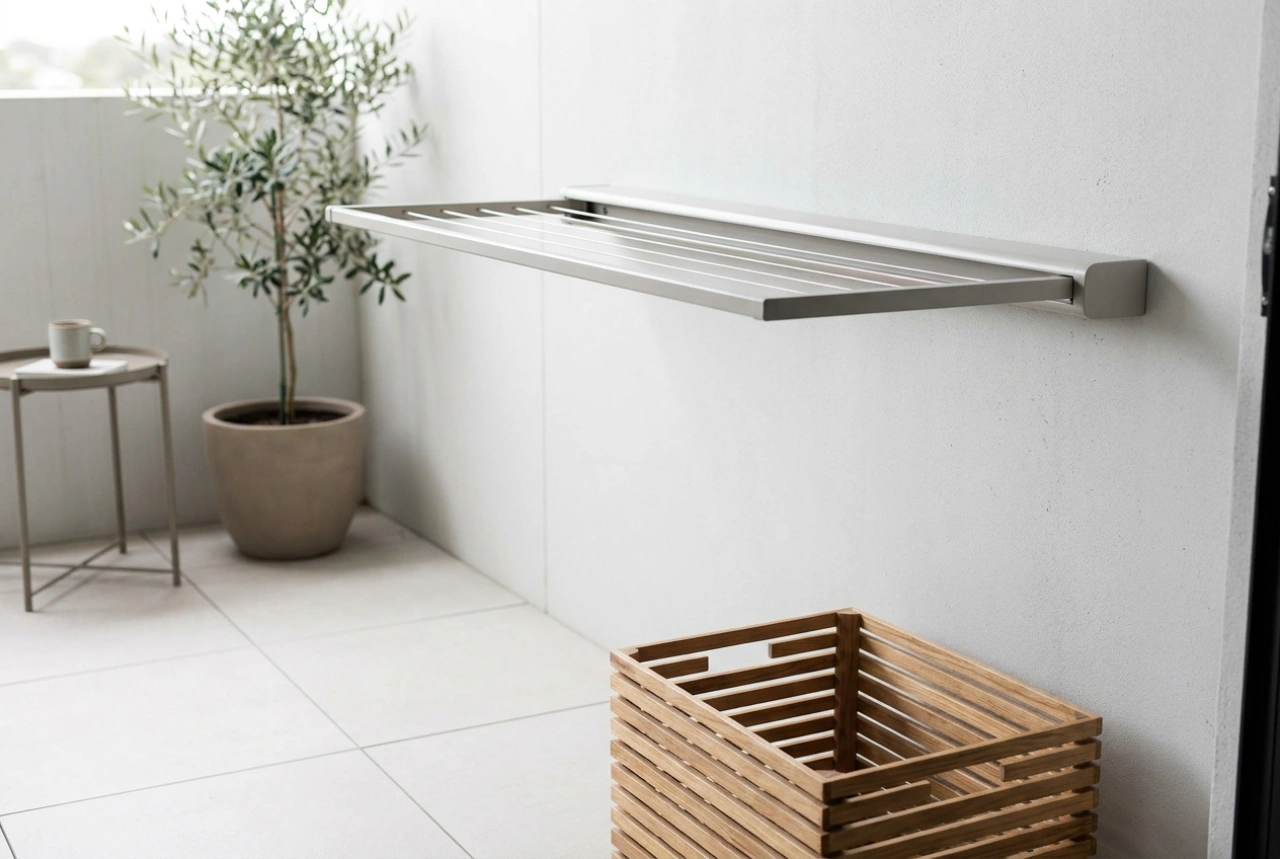
Proper drying is essential for restoring the functionality of the DWR coating. Air-dry the pants flat on a drying rack in a well-ventilated room, away from direct sunlight and radiators. High direct heat can crack the membrane.
Once the pants are fully dry, the DWR coating must be thermally activated to realign the microscopic polymer chains. If the care label allows, place the dry pants in a tumble dryer on a low-heat, gentle synthetic cycle for 20 minutes. Alternatively, place a clean towel over the outer fabric and iron gently on a low, steam-free setting. The mild heat causes the microscopic DWR structures to stand upright again, restoring their water-repelling properties.