

Delicate lingerie requires specialized care during machine washing to prevent structural damage, fabric thinning, and snags caused by mechanical friction.
The Physics of Friction in the Washing Machine
During a standard wash cycle, garments are subjected to continuous agitation, rotational forces, and friction against the drum and other fabrics. For delicate items like lace, embroidery, and elastane-blend brassieres, this friction is highly destructive. Lace is made of fine, interwoven threads that can easily catch on coarse fibers, zippers, or open metal hooks. When a hook snags onto lace, the rotational force of the machine pulls the threads, causing irreversible stretching, tearing, or distortion of the garment’s shape. A fine-mesh laundry bag acts as a physical shield, neutralizing this kinetic energy and preventing direct contact with abrasive surfaces while still allowing water and detergent to flow freely through the fabric.
Selecting the Correct Mesh Density and Bag Size
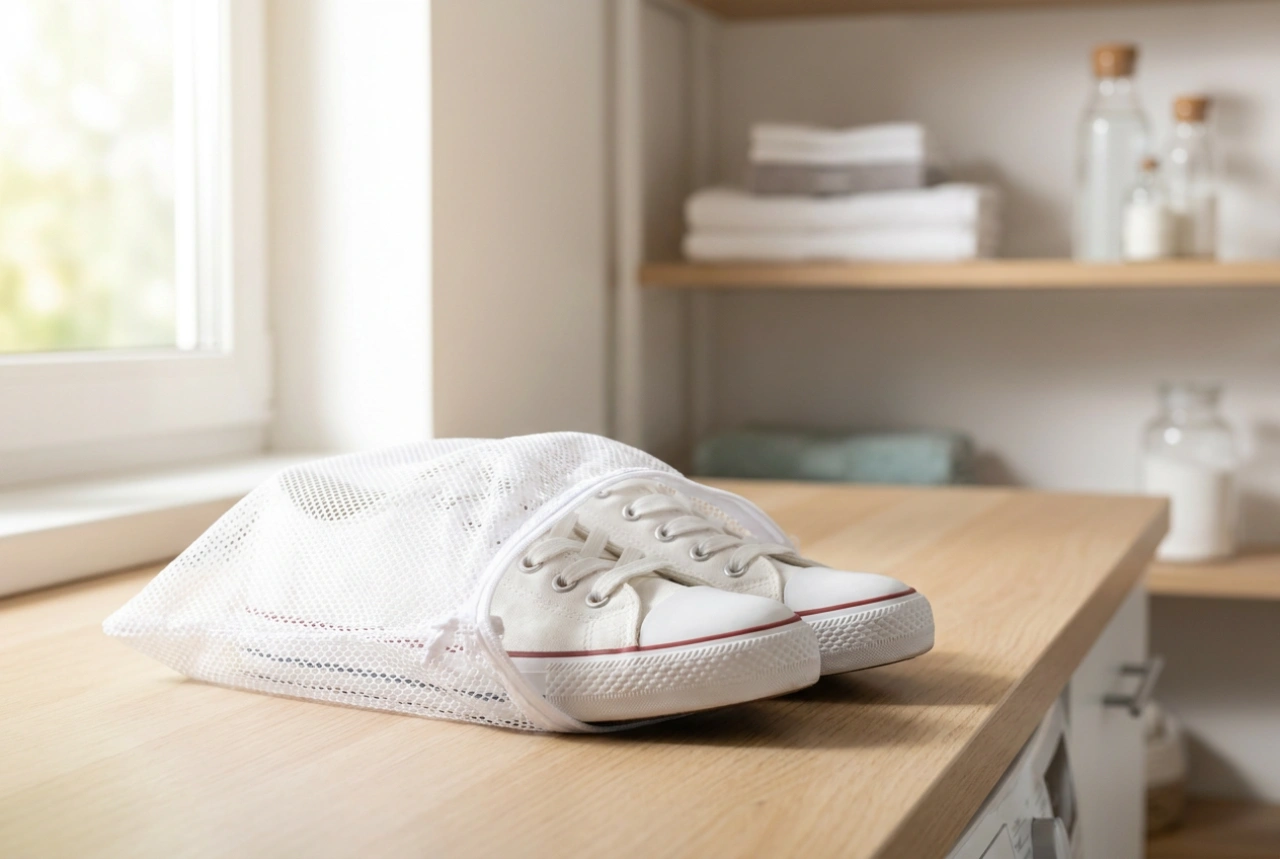
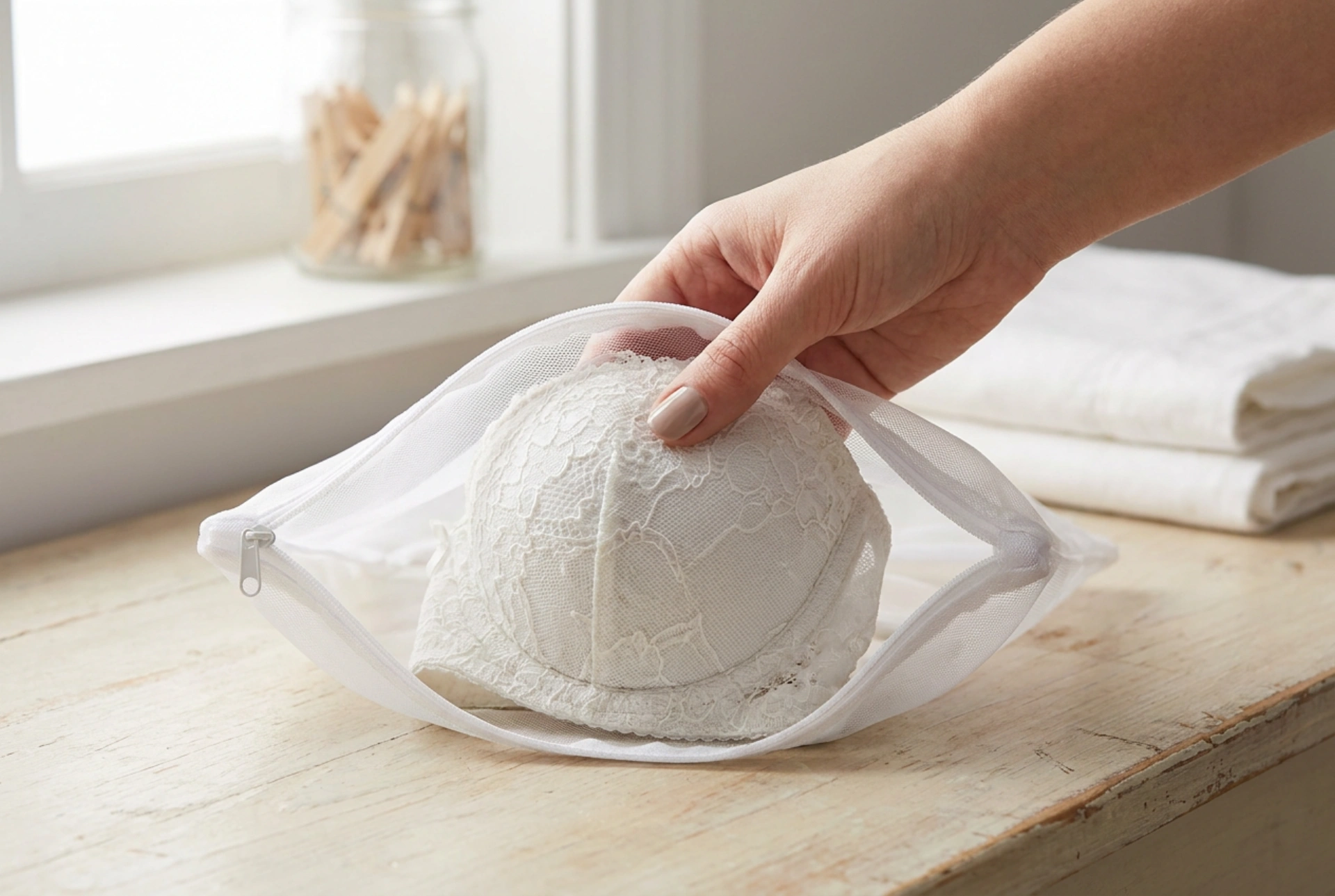
Not all laundry bags are created equal. To protect fine lace, you must choose a bag with an ultra-fine mesh structure. Coarse-mesh bags with larger holes can still allow metal hooks from other garments to poke through, or permit fine lace threads to escape and get caught. The size of the bag is equally critical. If the bag is too small, the brassieres will be compressed, preventing water and detergent from thoroughly penetrating the fibers and rinsing away sweat and oils. If the bag is too large, the garments will tumble excessively inside the bag, leading to friction against themselves. Aim for a bag that allows the lingerie to occupy about two-thirds of the interior volume, leaving enough space for gentle water movement.
Preparing Your Lingerie Before It Enters the Bag
Proper preparation of your garments before placing them into the mesh bag is essential to prevent self-damage during the cycle. Always fasten the metal hooks and eyes of your brassieres. An open hook is a sharp anchor that can snag the bra’s own lace or embroidery under the pressure of the wash cycle. If the bra has removable padding or delicate decorative straps, remove them and place them in a separate small mesh bag. Turn lace-covered items inside out to add an extra layer of physical protection to the delicate outer details, keeping the smooth inner lining on the exterior during the wash.
The Role of Temperature and Detergent Chemistry
Protecting delicate fabrics goes beyond physical barriers; it also requires the right chemical environment. High temperatures degrade elastane, the synthetic fiber responsible for the elasticity and support of your brassieres. Always wash lingerie at a maximum of thirty degrees Celsius. Use a liquid detergent formulated for delicate fabrics, as powder detergents may not dissolve fully at low temperatures, leaving abrasive mineral residues inside the delicate lace fibers. Avoid oxygen bleach and fabric softeners. Fabric softeners coat the synthetic fibers in a chemical film that clogs the weave, trapping body oils and bacteria, which eventually breaks down the elastane and ruins the fabric’s elasticity.
Optimizing the Wash Cycle and Post-Wash Care
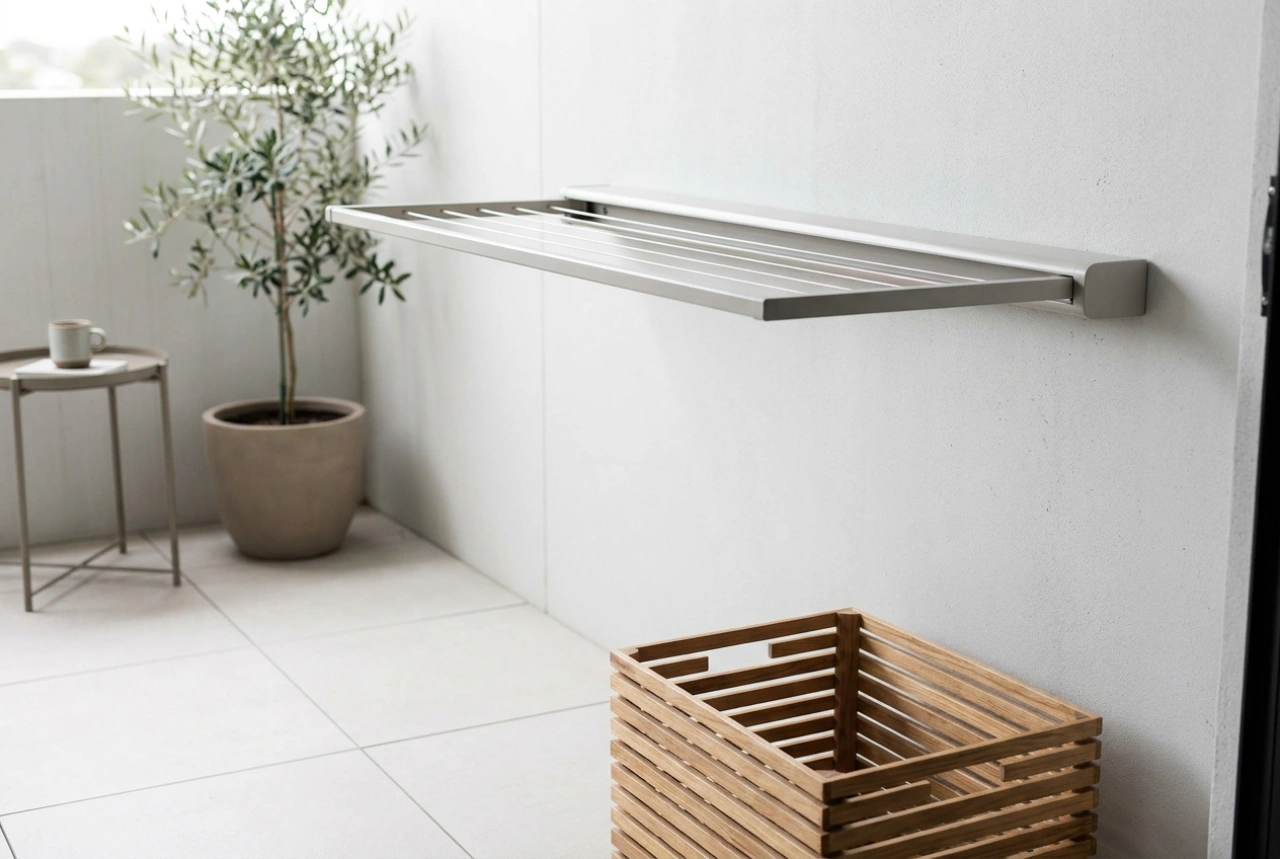
When washing delicates, the machine program must match the level of protection. Select a delicate or hand-wash cycle characterized by low agitation and a reduced spin speed of no more than six hundred revolutions per minute. High spin speeds apply extreme centrifugal force, pressing the garments tightly against the drum holes, which can distort underwires and stretch lace. Once the cycle is complete, remove the lingerie immediately from the mesh bags. Do not wring or twist the garments. Gently press them between a clean towel to absorb excess moisture, reshape the cups, and lay them flat or hang them by the center gore to air dry away from direct heat sources.