

Drying ski boots improperly can ruin their structural integrity, as both the thermoplastic shells and custom-molded liners are highly sensitive to heat. Understanding the thermal limits of these materials allows you to safely dry your liners without causing permanent deformation or losing their precise fit.
The Physics of Ski Boot Materials and Heat Sensitivity
Ski boots are engineered from advanced polymers designed to remain stiff and responsive in sub-zero temperatures. The outer shells are typically made of polyurethane (PU), polyether, or Pebax. These thermoplastics have a specific glass transition temperature at which they transition from a hard, glassy state to a flexible, rubbery state. For many boot shells, this softening process can begin at temperatures as low as 50 degrees Celsius.
Inside the shell lies the liner, which is constructed from foam materials like Ethylene-Vinyl Acetate (EVA) or polyurethane foam. EVA is highly thermoformable; custom boot fitting relies on heating these liners to approximately 80 degrees Celsius to mold them to the unique shape of your foot. If you subject these liners to the uncontrolled, high-heat environment of a standard tumble dryer, the foam will lose its molded shape, shrink, and lose its insulating loft. This process is irreversible and destroys the boot's performance and comfort.
The Golden Rule: Never Tumble the Outer Shells
Under no circumstances should the hard plastic outer shells of ski boots be placed inside a tumble dryer. The combination of intense mechanical impact against the dryer drum and the elevated ambient temperature will distort the thin plastic overlapping sections. This warping prevents the buckles from aligning correctly and ruins the watertight seal of the boot. Additionally, the heavy plastic shells can damage the dryer drum, lifters, and drive belt.
How to Safely Dry Ski Boot Liners in a Tumble Dryer
If you choose to use a household tumble dryer, you must only dry the removable fabric liners, and you must strictly control the mechanical and thermal variables of the cycle. Follow this systematic approach:
- Extract the liners and insoles: Carefully pull the liners out of the plastic shells. Remove the footbeds from the liners, as these are often made of composite materials that warp easily. Dry the insoles separately at room temperature.
- Utilize a stationary drying rack: Never let ski boot liners tumble freely. The constant dropping and spinning will bend the stiff tongue and collar of the liner out of shape. Use a specialized dryer rack that inserts into your dryer drum, keeping the liners stationary while the drum rotates around them.
- Select the correct cycle: Set your dryer to the air fluff or no heat cycle. If your machine allows precise temperature control, select a setting that does not exceed 35 degrees Celsius. Evaporation is driven by the volume of moving air, not just temperature. Continuous, ambient airflow is highly effective at carrying away moisture without degrading the polymer bonds in the foam.
- Monitor the process: Check the liners every 15 to 20 minutes to ensure they are not overheating. Once the interior fabric feels dry to the touch, remove them immediately.
Alternative Evaporative Techniques for Safe Drying
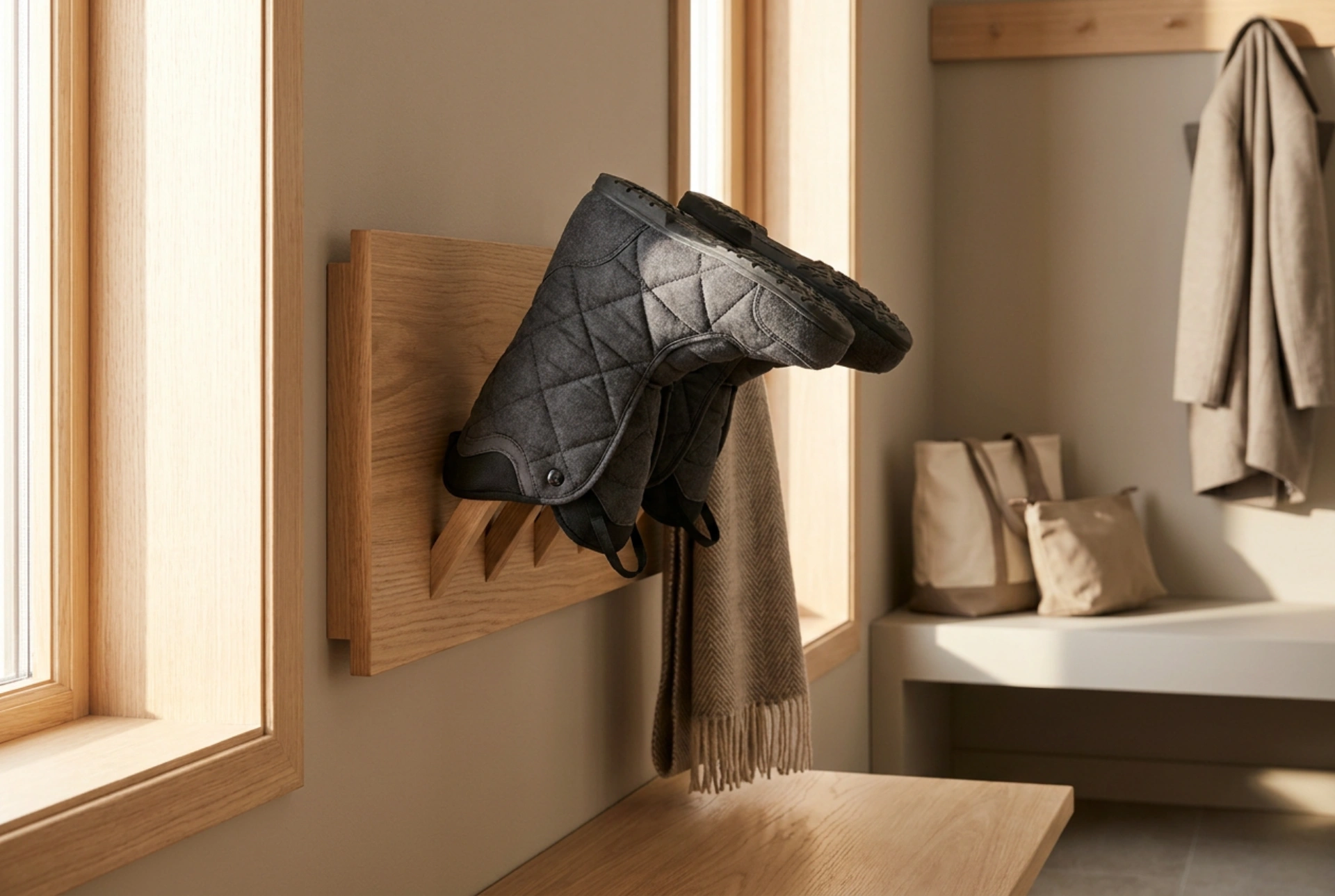
If your dryer lacks a stationary rack or a cold-air setting, alternative physical methods are much safer. Natural convection can be harnessed by placing the liners in a warm room with active ventilation. You can insert dry, highly absorbent materials, such as clean microfiber cloths, deep into the toe box of the liners. These materials utilize capillary action to pull moisture out of the dense foam. Replace the packing material every few hours to maintain a high moisture gradient, accelerating the natural drying process without exposing the polymers to dangerous thermal stress.