

Selecting the right vacuum cleaner is not merely a matter of choosing a powerful motor, but rather matching mechanical agitation and filtration physics to your home's surfaces and air quality needs. For allergy sufferers, the wrong device can actually worsen indoor air quality by aerosolising fine dust and allergens instead of trapping them.
The Physics of Filtration: Understanding HEPA and Sealed Systems
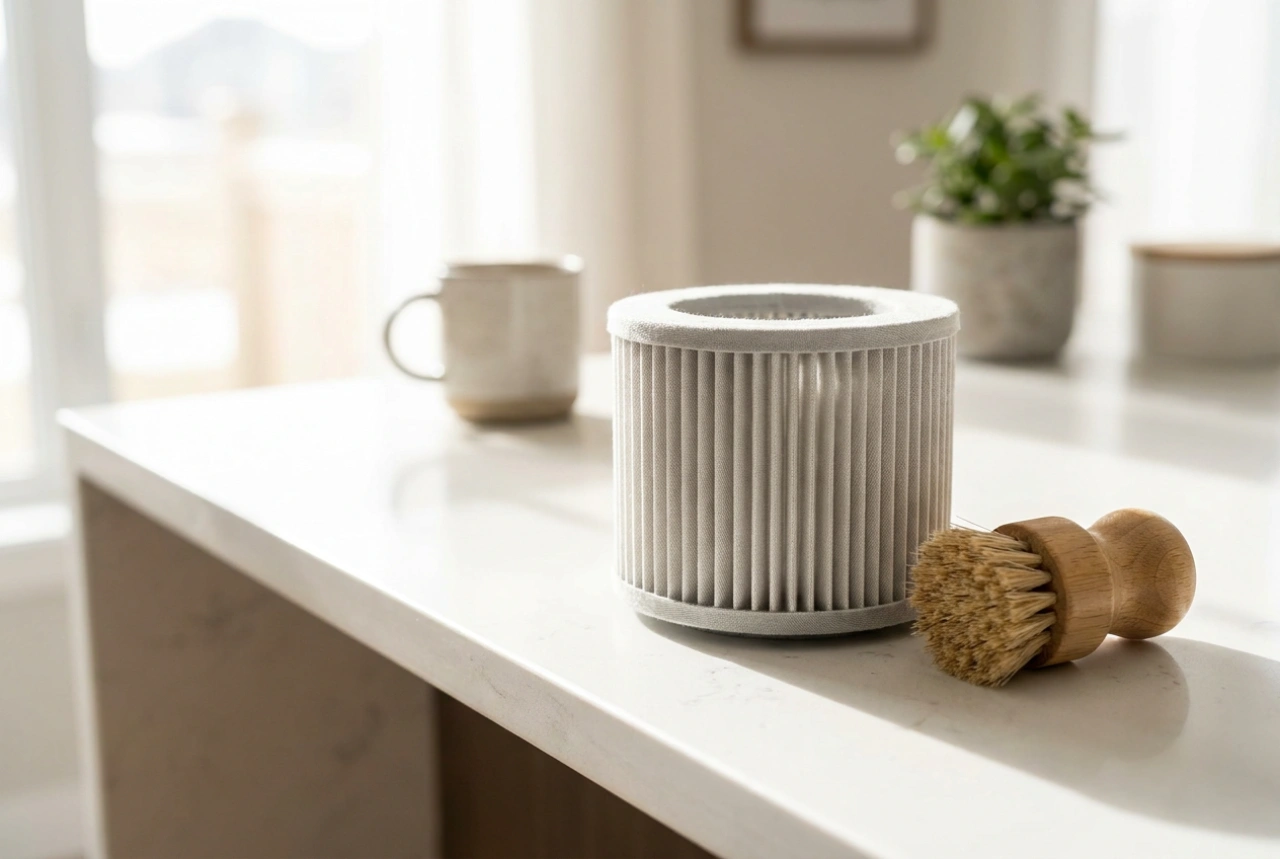
When evaluating a vacuum for allergy management, the filtration standard is paramount. High-Efficiency Particulate Air (HEPA) filters are rated to trap 99.97% of particles as small as 0.3 micromitres. This includes common allergens such as dust mite faeces, pollen, mould spores, and pet dander. However, the presence of a HEPA filter alone does not guarantee clean exhaust air.
A critical physical requirement is a completely sealed vacuum system. In an unsealed system, the high pressure created by the motor forces microscopic particles through structural gaps, bypasses, and loose seals before the air even reaches the HEPA filter. This results in the redistribution of fine allergens back into your living breathing zone. Always look for vacuums specified as having a fully sealed system, ensuring that one hundred percent of the intake air is forced through the filtration media.
Hard Floors vs. Carpets: Matching Mechanics to Surface Materials
Different floor types require distinct mechanical approaches to dislodge and capture dust without damaging the material or dispersing particles into the air.
Hardwood, Tile, and Laminate Flooring
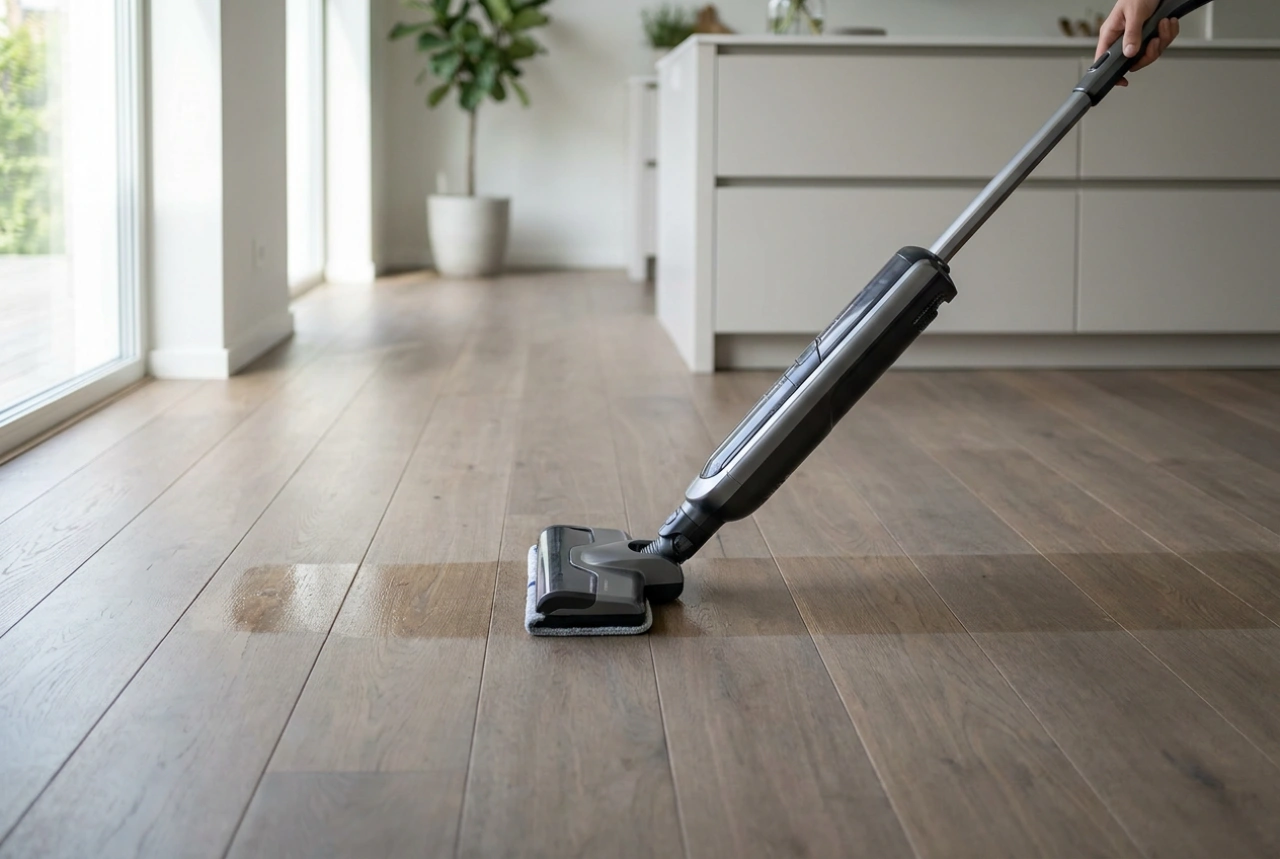
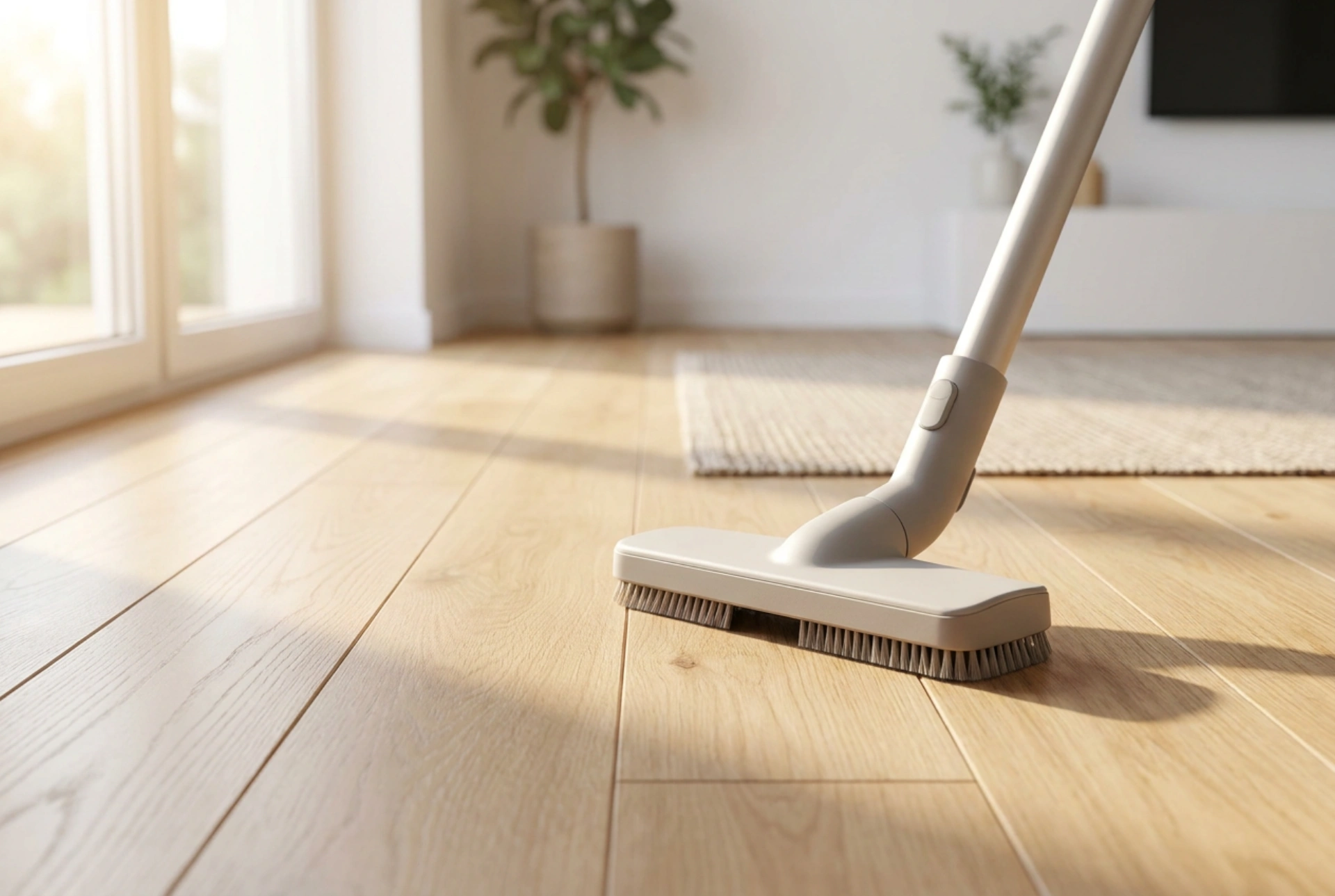
On hard surfaces, dust and allergens rest loosely on the surface but can be easily disturbed by airflow and static electricity. The ideal mechanism here relies on high suction power combined with a soft, non-abrasive floor head. Standard brush bars with stiff nylon bristles should be avoided on delicate wood as they can scratch the finish and fling larger debris across the room instead of vacuuming it. Soft roller heads made of woven nylon and anti-static carbon fibre filaments are highly effective; they create a seal against the hard floor to maximise suction while gently wiping away fine dust.
Medium to High-Pile Carpets
Carpets act as a sink for allergens, trapping particles deep within their fibrous matrix. Simple suction is insufficient to pull these particles free. To clean carpets effectively, mechanical agitation is mandatory. This is achieved via a motorised brush bar (or beater bar) that physically vibrates the carpet fibres, lifting embedded dirt, hair, and dust mites into the path of the vacuum's airflow. For homes with both hard floors and carpets, a vacuum with adjustable brush roll speeds or a switchable brush bar is essential to prevent damage to hard surfaces while maintaining deep-cleaning capabilities on textiles.
Bagged vs. Bagless: The Mechanism of Disposal
The choice between bagged and bagless vacuum cleaners directly impacts allergen exposure during maintenance. Understanding how these systems store and release dust is vital for long-term health.
- Bagged Systems: These use multi-layered synthetic bags that act as a primary filter. When full, these bags typically feature self-sealing mechanisms that prevent dust clouds from escaping during disposal. This is the gold standard for allergy sufferers, as it isolates the captured pathogens entirely from the user.
- Bagless Systems: These rely on cyclonic separation, spinning air at high speeds to force dust out of the airflow and into a plastic bin. While convenient, emptying a bagless bin inevitably releases a plume of fine particulate matter back into the air. If a bagless model is used, it should ideally be emptied outdoors, or the bin should be washed regularly to prevent electrostatic dust build-up.
Evaluating Power: Air Watts vs. Motor Wattage
A common misconception is that a higher motor wattage equates to better cleaning performance. Motor wattage simply measures electrical energy consumption, not cleaning efficiency. The true metric of a vacuum’s capability is Air Watts (AW), which measures the mechanical power of the airflow at the nozzle, or the combination of airflow (volume of air moved per minute) and sealed suction (water lift). For deep carpets, high sealed suction is necessary to pull air through dense fibres, whereas hard floors benefit more from consistent, unobstructed high airflow.