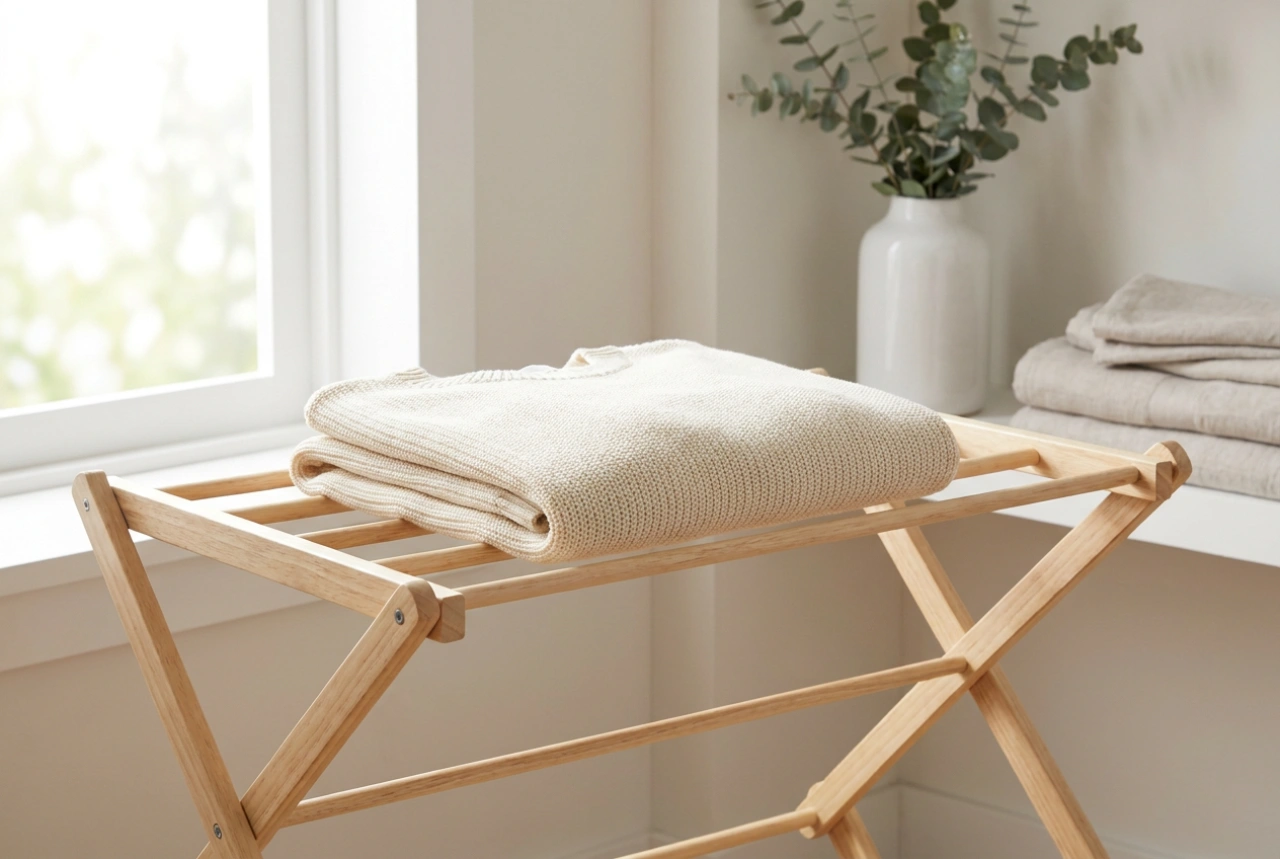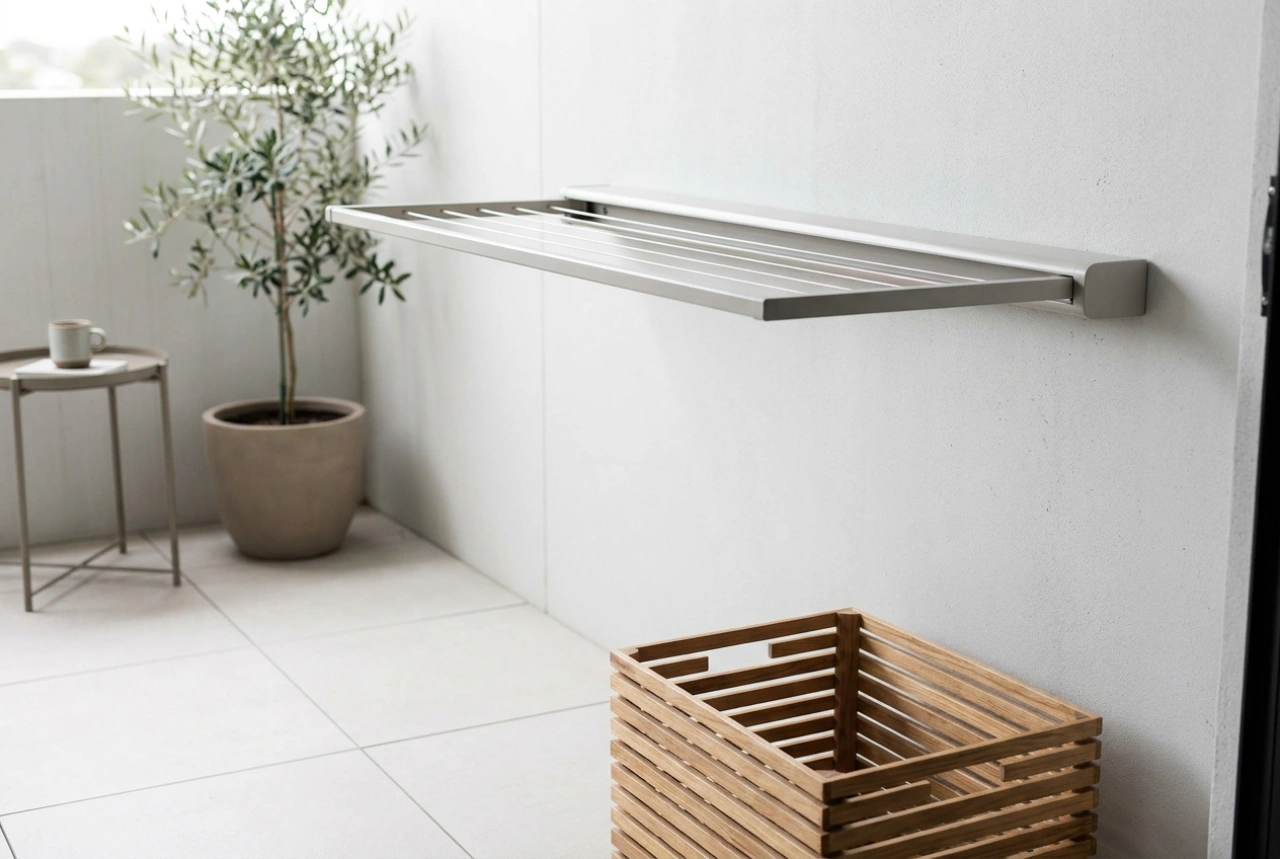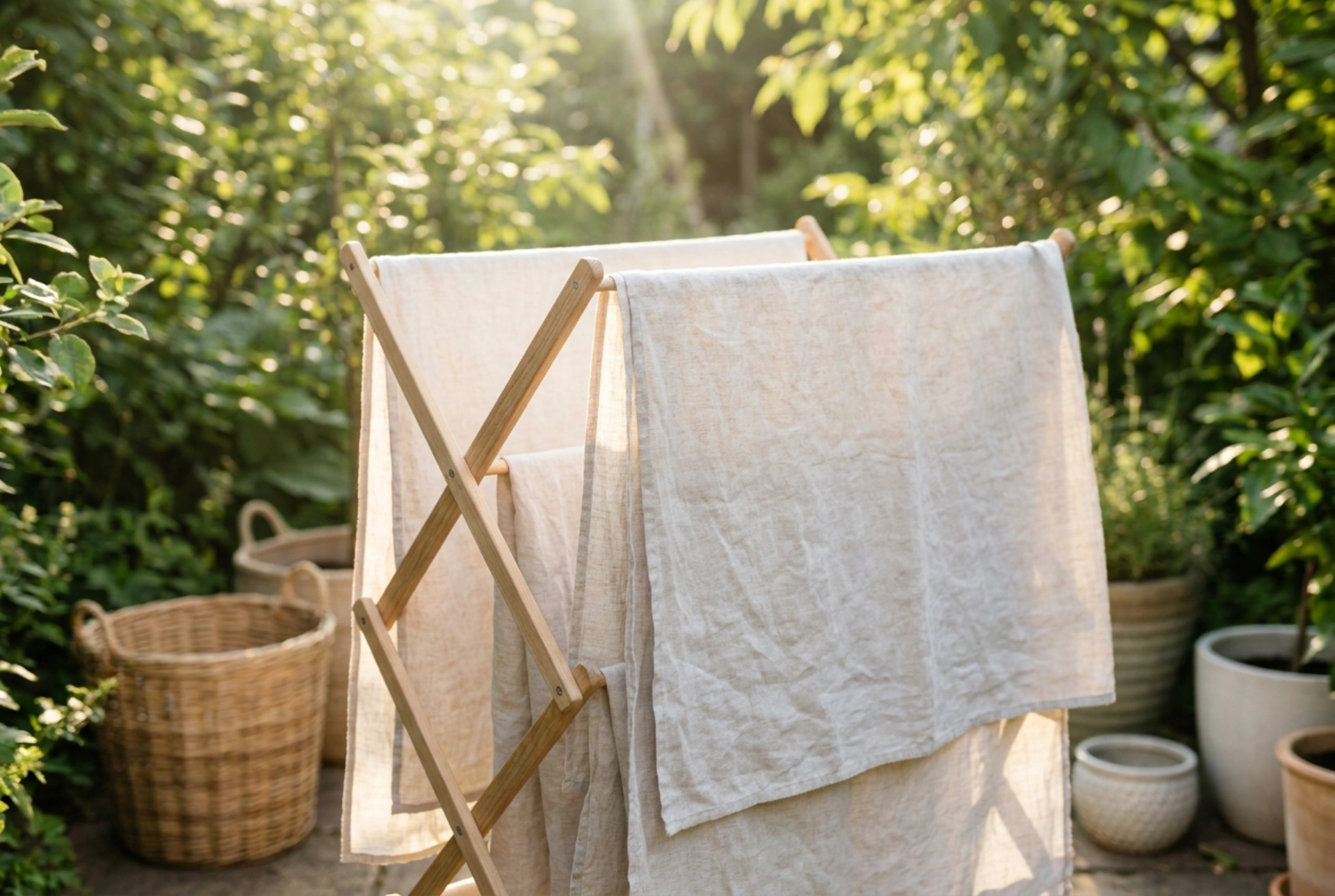


Drying laundry outdoors harnesses natural air currents and ambient warmth, but it often yields stiff fabrics and a layer of unwanted environmental allergens. By understanding the physical forces behind fiber rigidity and the biological cycles of pollen dispersal, you can achieve soft, pristine clothes right in your garden.
The Physics of Line Stiffness: Breaking Hydrogen Bonds
The primary cause of the stiff, cardboard-like texture in line-dried cotton and linen is a chemical process known as hydrogen bonding. When wet fabrics dry statically without mechanical agitation, water molecules slowly evaporate, allowing the cellulose chains within the natural fibers to form tight hydrogen bonds with one another. This locks the yarns into a rigid structure. In contrast, the tumbling action of a machine dryer physically disrupts these bonds before they can set.
To mimic this mechanical disruption outdoors, you must rely on wind. Hang your laundry on days with a gentle breeze; the continuous movement of the fabric prevents the cellulose fibers from settling into a rigid matrix. Additionally, shaking each garment vigorously before pinning it to the line helps align the fibers and break the initial surface tension of the water, significantly reducing post-dry stiffness.
Chemical Mitigation: Neutralizing Mineral Build-up
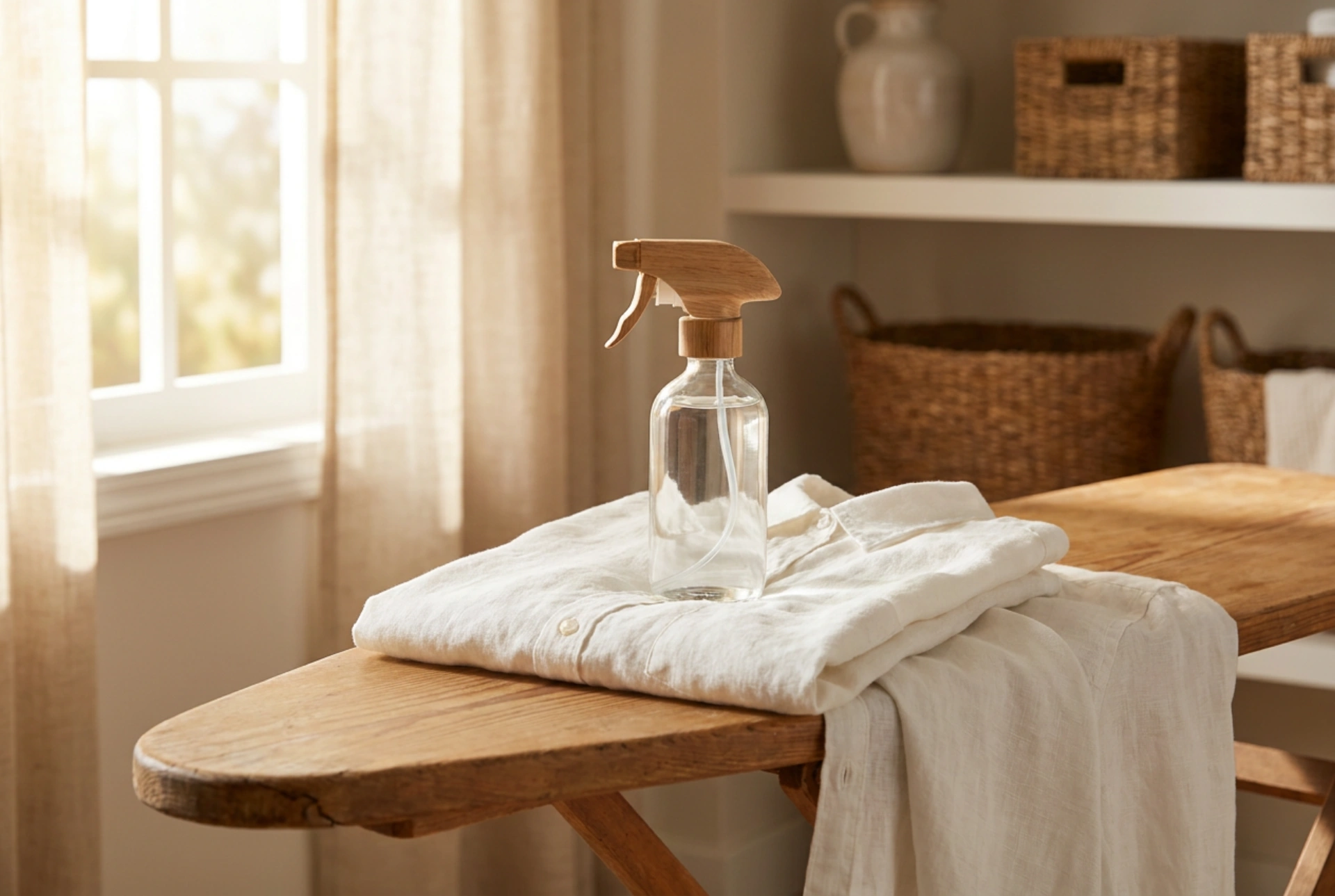
Hard water exacerbates stiffness because calcium and magnesium carbonates deposit onto the fabric fibers during the wash cycle. As the water evaporates on the line, these minerals crystallize, cementing the fibers together. To counter this, introduce a weak acid into your final rinse cycle. Diluted acetic acid, commonly available as household white vinegar, acts as a natural decalcifying agent. It dissolves mineral residues and breaks down leftover detergent surfactants that contribute to fabric harshness. The acid evaporates completely during the drying process, leaving no scent behind while keeping the fibers pliable.
Pollen Dynamics: Strategic Timing and Placement
For those sensitive to seasonal allergens, outdoor drying can turn fabrics into pollen magnets. Pollen grains are microscopic, sticky, and highly sensitive to daily meteorological cycles. Typically, plants release pollen in the early morning as temperatures rise, and counts remain high until afternoon. A second peak often occurs in the early evening as the air cools and pollen settles back down toward the ground.
To minimize pollen deposition, time your drying cycles for midday, when atmospheric convection currents carry pollen higher into the sky, reducing ground-level concentration. Alternatively, position your drying rack in a sheltered area, such as a covered patio or veranda. This barrier blocks direct wind-blown pollen from colliding with and adhering to the wet fibers, which act like a filter when damp.
Optimizing Airflow and Sun Exposure
Direct, intense sunlight accelerates evaporation, but over-drying strips the natural bound moisture from fibers, leading to brittleness and color fading due to ultraviolet degradation. Instead, aim for shaded or semi-shaded areas with high airflow. Spacing items at least ten centimeters apart on the line ensures that humid air is rapidly carried away, maintaining a steady evaporation rate without exposing the textile polymers to damaging UV radiation. Hang heavier garments windward to ensure they dry at a rate consistent with lighter pieces.