

Maximising the runtime of a cordless vacuum cleaner during car valeting relies on understanding battery thermodynamics and fluid dynamics rather than just rapid movement.
1. The Physics of Airflow and Motor Load
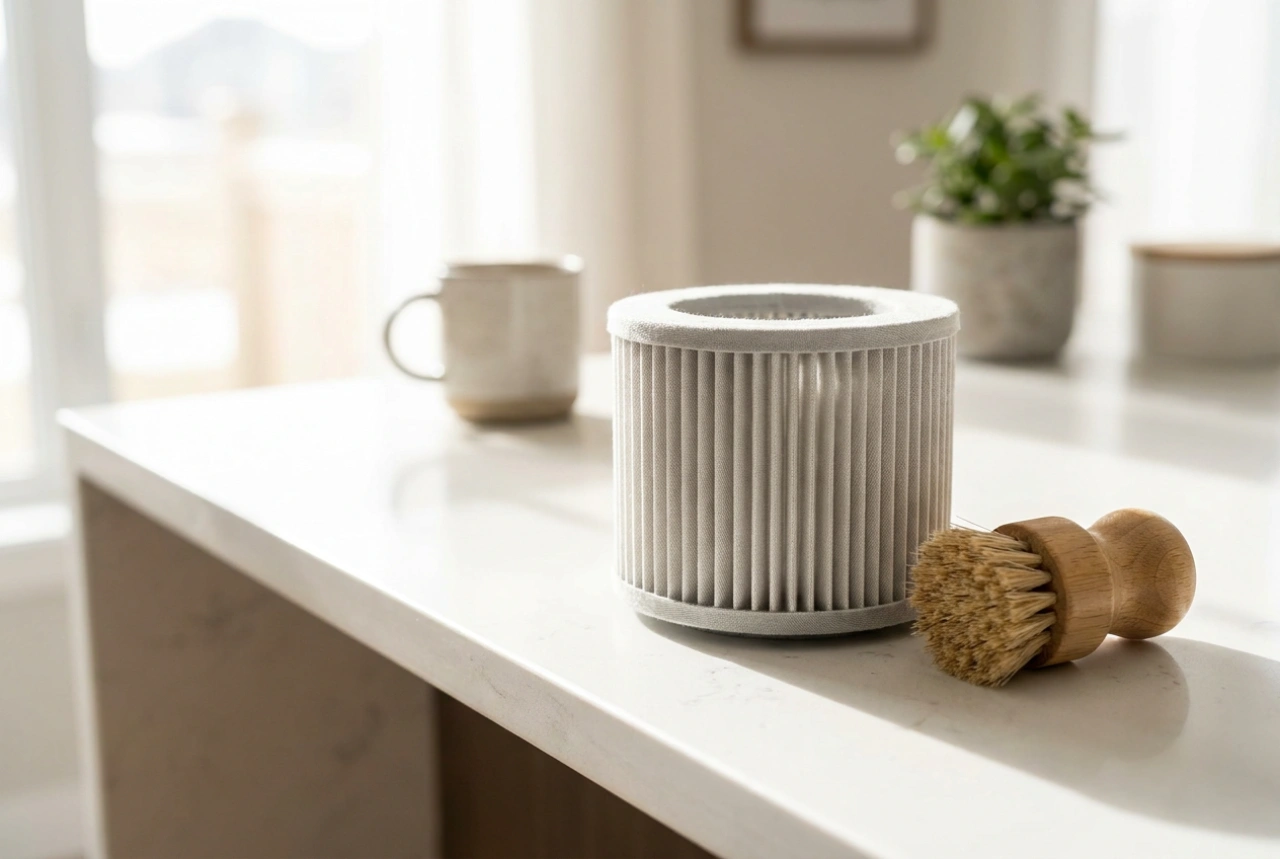
A cordless vacuum relies on an electric motor to create a pressure differential, drawing air and debris through the nozzle. When the airflow path is restricted, the motor must work significantly harder to maintain suction. This resistance increases the electrical current draw (amperage) from the lithium-ion battery, draining its capacity rapidly. To prevent this, empty the dust canister when it reaches half capacity and clean the pre-motor filter before starting. A clogged filter acts as a physical barrier, forcing the motor to spin at higher revolutions or struggle against a partial vacuum, which generates excess heat and accelerates energy depletion.
2. Thermal Factors and Lithium-Ion Chemistry
Lithium-ion batteries, which power almost all modern cordless vacuums, are highly sensitive to ambient temperatures. Storing your vacuum in a cold car boot during winter or a hot cabin in summer significantly degrades cell performance. Cold temperatures increase the internal resistance within the battery cells, slowing down the chemical reactions required to release electrical energy. This leads to a rapid voltage drop under load, causing the vacuum to shut off prematurely. Conversely, extreme heat accelerates self-discharge and permanently degrades the battery cathode material. For optimal runtime, store the vacuum inside a temperature-controlled environment (between 15°C and 25°C) and only bring it to the vehicle when you are ready to clean.
3. Reducing Mechanical Resistance and Selecting Attachments
The choice of attachment directly influences the power consumption of your device. Narrow crevice tools increase air velocity but also increase static pressure within the system, forcing the motor to draw more current. Motorised brush heads contain their own small electric motors which draw power directly from the main battery pack. When cleaning car carpets, use a high-efficiency stiff-bristle manual brush to loosen dirt physically before vacuuming, rather than relying solely on the vacuum's motorised brush bar. When using the crevice tool, avoid completely sealing the nozzle against flat surfaces like leather seats or hard plastic; keeping a tiny gap allows continuous airflow, maintaining optimal motor cooling and lowering electrical resistance.
4. Strategic Cleaning Sequence
An efficient cleaning strategy minimises the total active runtime of the vacuum. Always clear larger debris, such as leaves, coins, or wrappers, by hand before turning on the device, as these can easily block the intake tube and cause immediate motor strain. Work from the top down: start with the dashboard, door cards, and seats, allowing loose dust to fall to the floor carpets. This prevents you from having to re-vacuum areas. Divide the car into zones and use the vacuum in continuous bursts rather than repeatedly switching it on and off. The initial surge of electricity required to start the motor from a stationary position (inrush current) is significantly higher than the current required to keep it running continuously.
5. Battery Calibration and Storage Protocol
To maintain the overall health of the battery cells over time, avoid discharging the battery to absolute zero per cent during every cleaning session. Deep discharges stress the lithium-ion chemistry and reduce the overall lifespan of the pack. Instead, aim to recharge the unit when it drops to around twenty per cent capacity. Furthermore, do not leave the vacuum permanently connected to a charger once it has reached one hundred per cent, unless the charger has an integrated smart cut-off circuit. Allowing the battery to rest at a partial state of charge (around fifty to eighty per cent) when not in use for extended periods prevents chemical degradation and ensures maximum power output when you need to clean your vehicle.