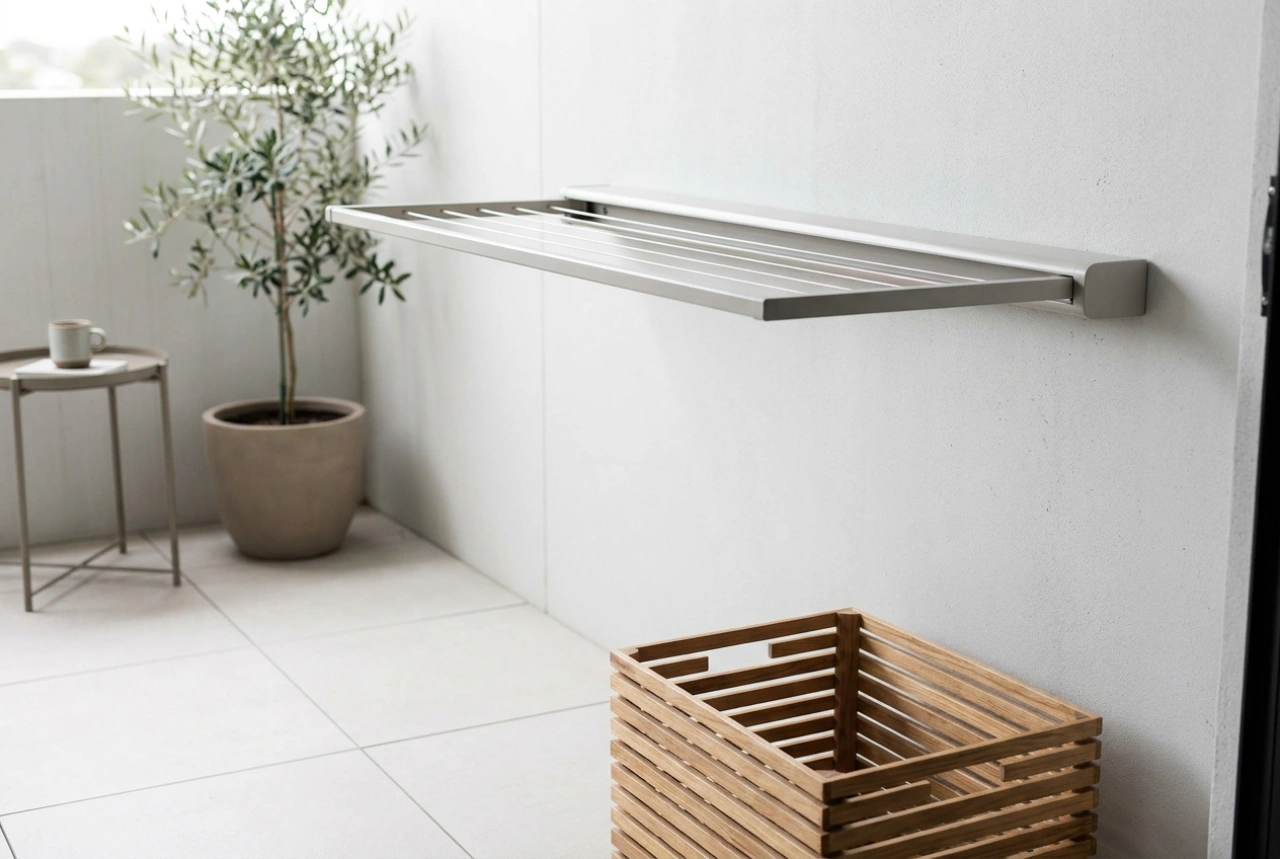


Vertical laundry drying racks offer an elegant, space-saving alternative to traditional horizontal models, relying on thermodynamics and fluid dynamics to accelerate drying in compact apartments. By understanding how air temperature, humidity, and gravity interact, you can transform your laundry routine and maintain a healthy, moisture-free living environment without sacrificing floor space.
The Science of Evaporation: How Air and Heat Interact
Drying clothes is not merely a matter of waiting; it is a physical process of phase transition where liquid water turns into water vapour. The speed of this process depends on three main variables: ambient temperature, relative humidity, and air velocity. In a small apartment, air can quickly become saturated with moisture. When relative humidity reaches high levels, evaporation slows to a crawl because the air can no longer absorb water molecules easily.
Vertical drying racks exploit the natural phenomenon of convection. Because warm air is less dense than cold air, it naturally rises. By arranging your laundry vertically, you take advantage of these subtle, naturally occurring thermal currents. As warm air rises from floor level, it passes through the layers of damp fabric, absorbing moisture on its way up. This upward movement helps dislodge the boundary layer of saturated air that clings to wet fibres, facilitating continuous evaporation.
Strategic Hanging Techniques for Maximising Airflow
To achieve maximum efficiency on a vertical tower rack, the arrangement of garments must be planned systematically. Do not simply hang items at random. Instead, apply the chimney effect principle to create optimal airflow channels through the structure.
- Create a central void: Leave the very centre of the vertical rack relatively open. This acts as a chimney, allowing rising warm air to accelerate through the middle of the rack, drawing cooler, drier air in from the sides.
- Position by fabric weight: Place lighter, synthetic fabrics on the lower tiers. These materials release water quickly and do not require intense heat. Position heavier items, such as thick cotton sweatshirts or denim, on the upper tiers where the ambient room temperature is naturally warmer and evaporation is faster.
- Optimise spacing: Ensure at least two to three centimetres of clear space between hung items. When wet clothes touch, they create pockets of stagnant, saturated air, which drastically increases drying times and can lead to a sour, musty smell caused by microbial growth.
Managing Moisture Load and Room Thermodynamics
A single load of wet laundry contains approximately two to three litres of water, all of which must evaporate into your room's atmosphere. In a confined space, this sudden influx of moisture can raise relative humidity to dangerous levels, leading to condensation on cold surfaces like windows and external walls, which eventually fosters mould growth.
To prevent this, place your vertical rack in a position that maximises natural cross-ventilation. Positioning the rack near a window that is cracked open, or in the path between two open doors, creates a pressure differential that forces air to move constantly across the wet clothes. If you must dry indoors during colder seasons, place the rack near a heat source but never directly touching it. The heat warms the air surrounding the rack, lowering its relative humidity and increasing its capacity to carry water vapour away from your clothes.
Material Integrity and Physics of Hanging
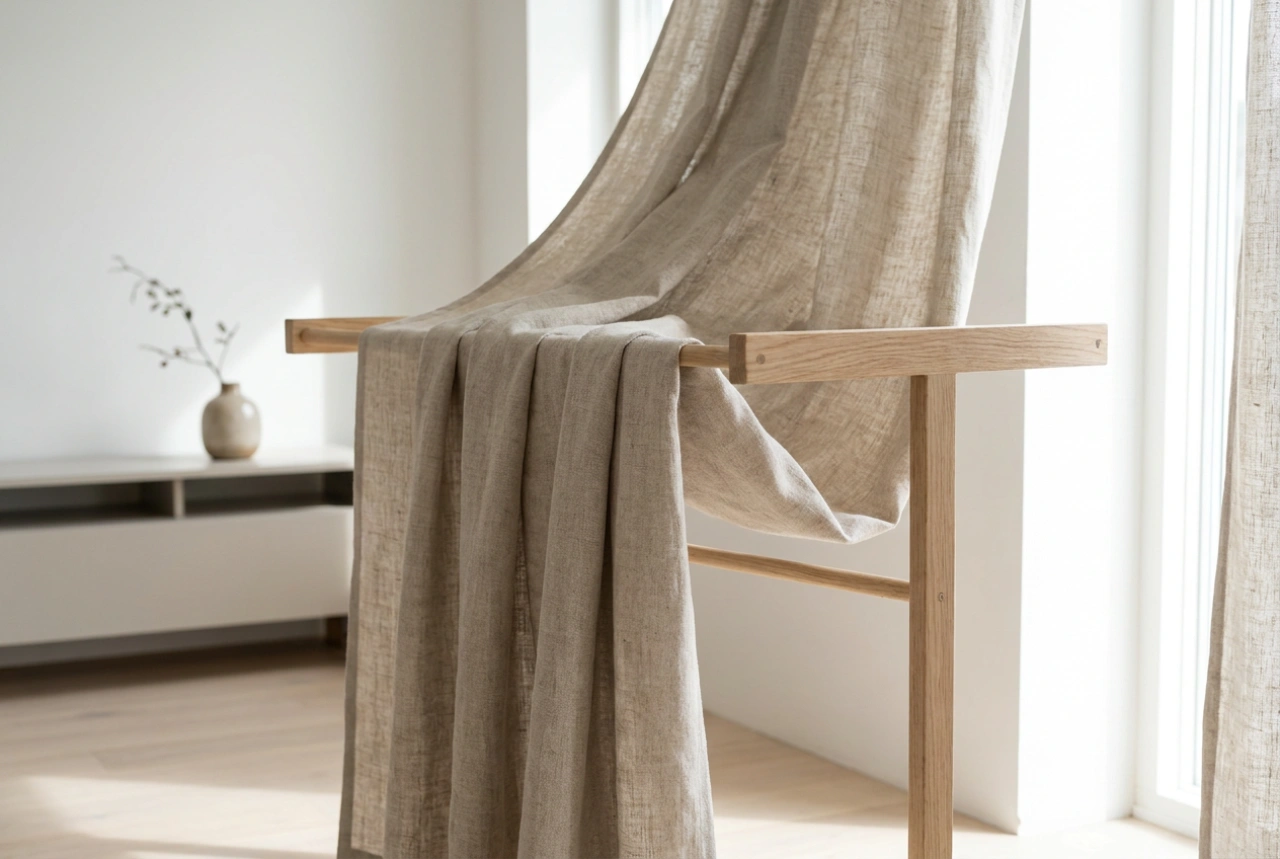
When choosing and using a vertical rack, structural physics plays a crucial role. Wet garments are heavy; gravity pulls the water downward through the fabric fibres, concentrating moisture at the bottom hems of your clothes. Standard vertical racks made of high-grade, powder-coated steel or stainless steel offer the rigid stability required to hold this weight without sagging.
Avoid lightweight plastic structures that warp under load, as sagging bars reduce the distance between garments, choking off airflow. For fabrics prone to stretching, such as heavy knits, utilise the flat mesh shelves often found on the top levels of vertical drying towers. This allows for flat drying, which distributes the weight evenly and prevents gravity from distorting the shape of the garment while still allowing air to circulate freely from underneath.