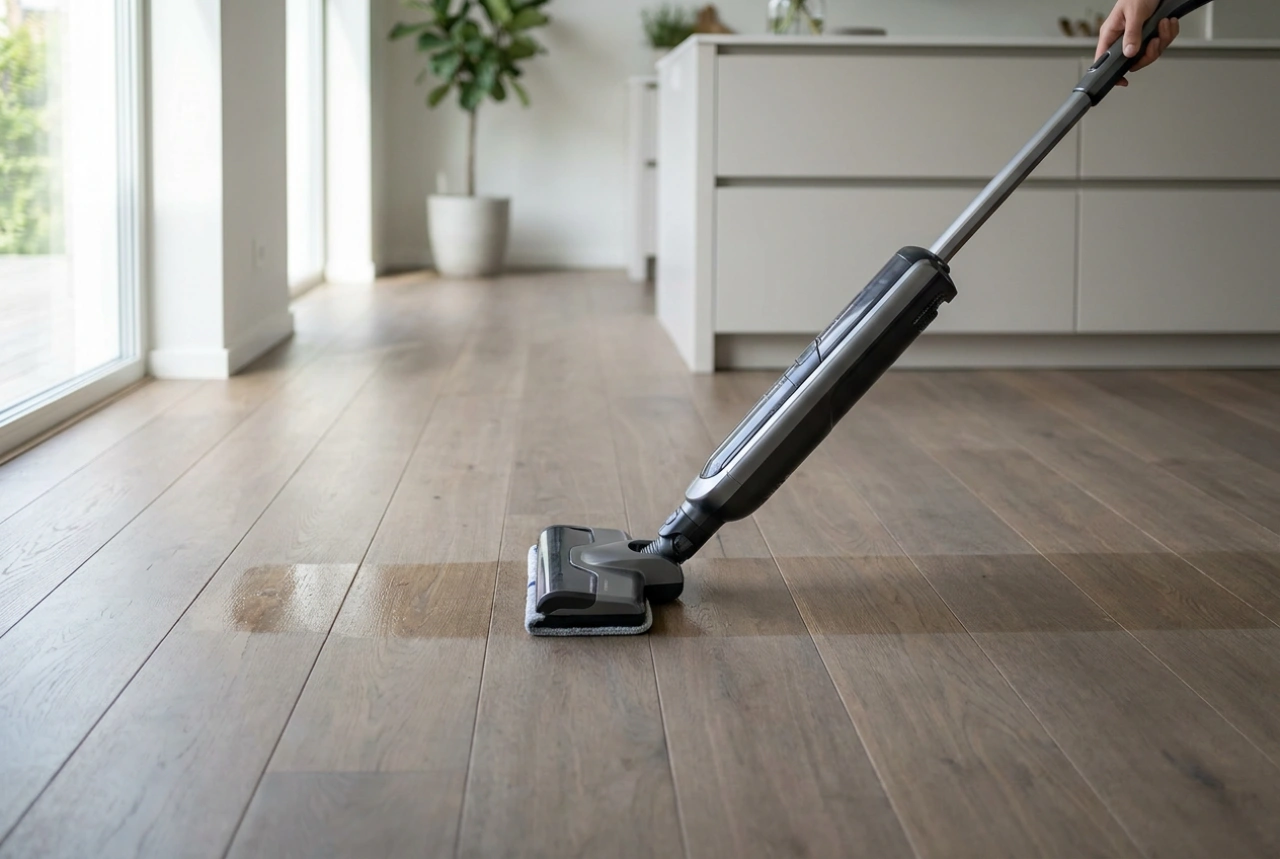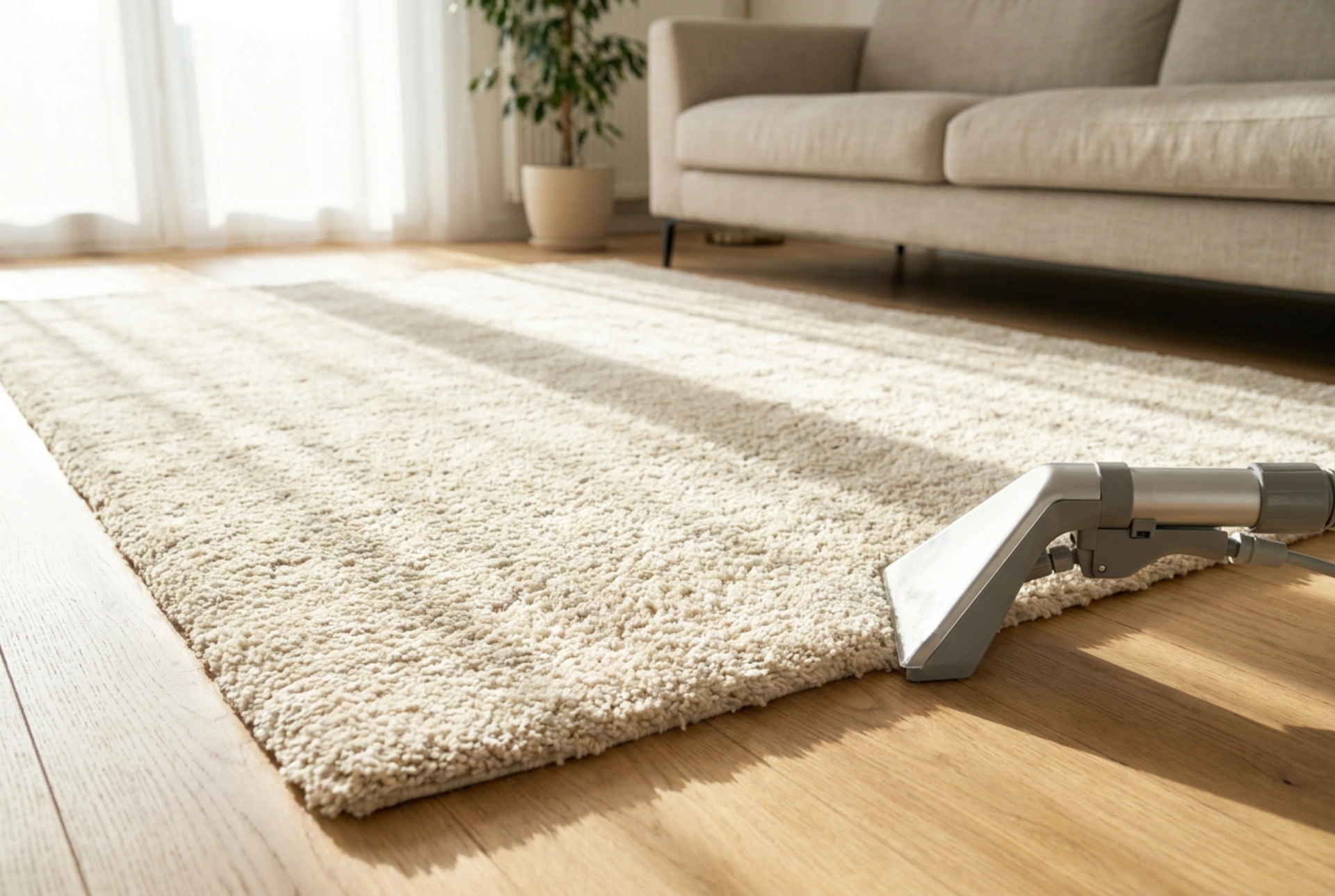


Washing a carpet with a spray-extraction cleaner often seems straightforward, yet improper technique can leave unsightly dark lines, water stains, or a stiff texture. Achieving a pristine, streak-free finish requires controlling fluid dynamics, surfactant chemistry, and the physical drying process of the fibres.
The Physics and Chemistry Behind Carpet Water Stains
Water stains and streaks on carpets, often referred to as "wicking" or cellulosic browning, are caused by capillary action. When a carpet remains damp for too long, water moves upward from the deep backing to the surface tips of the fibres to evaporate. As this moisture rises, it carries dissolved soil, detergent residues, and natural lignins from jute or cotton backings upward. Once the water evaporates at the tip, these concentrated residues are left behind, forming distinct brown or grey stains. Controlling both moisture volume and the chemical nature of your cleaning solution is essential to prevent this capillary migration.
Step 1: Thorough Dry Soil Extraction
The most common mistake is applying liquid to a dusty carpet. Soluble dirt dissolves and turns into liquid mud, while insoluble particles like sand and silica sink deeper into the backing. Before turning on your extraction machine, you must perform a slow, thorough dry vacuuming with a brush roller. This mechanical action opens the carpet pile and removes up to 80% of loose particulate soil. Skipping this step guarantees that the extraction fluid will solubilise deep-seated dirt, which will inevitably wick to the surface during the drying phase.
Step 2: Dilution and Pre-Spray Technique
Never put high-foaming detergents directly into the clean water tank of your extraction machine. Excessive soap residues act as a magnet for future dirt and create streaks as they dry. Instead, apply a low-foaming carpet pre-spray using a separate pressure sprayer. This allows the surfactants to dwell on the fibres for 5 to 10 minutes, emulsifying oils and suspending soils without oversaturating the carpet backing. Ensure the water temperature matches the fibre type: synthetic fibres like nylon or polyester tolerate warm water (up to 50°C) which accelerates chemical reactions, while wool requires cool or lukewarm water to prevent shrinkage and structural damage.
Step 3: The Art of the Extraction Pass
The physical movement of the extraction wand dictates the final moisture level of the carpet. Work in small, manageable sections (approximately one square metre at a time). Always use overlapping strokes to ensure uniform coverage and avoid untreated stripes. The correct sequence consists of one slow "wet pass"—where you pull the trigger to spray the rinsing solution while moving the wand backward—followed immediately by two or three "dry passes" without spraying. During dry passes, apply firm downward pressure on the wand to maximise suction, pulling out as much moisture and suspended soil as possible. The transparent nozzle window is your guide; continue dry passes until you no longer see water droplets flowing through the nozzle.
Step 4: Acidic Rinsing to Neutralise Residues
Most heavy-duty carpet pre-sprays are highly alkaline (pH 9 to 11) to break down grease. If left untreated, alkaline residues cause fibres to feel stiff and can accelerate browning. To prevent this, fill the clean water tank of your extraction machine with a mild, acidic rinsing agent (pH 3 to 5) rather than plain water. The acid-rinse solution neutralises the alkaline pre-spray, destabilises surfactant molecules, and helps dissolve mineral deposits from hard water. This chemical neutralisation ensures the carpet fibres dry soft, bright, and completely free of soapy streaks.
Step 5: Controlling the Drying Environment
To eliminate any chance of capillary wicking, you must accelerate the drying phase. The goal is to dry the carpet within 6 to 8 hours. Increase air circulation by opening windows or using floor fans directed across the carpet surface. If humidity is high, running a dehumidifier is highly effective. Avoid walking on the damp fibres, and do not replace heavy furniture until the carpet is completely dry, as metal glides or wood stains can bleed permanently into wet fibres.