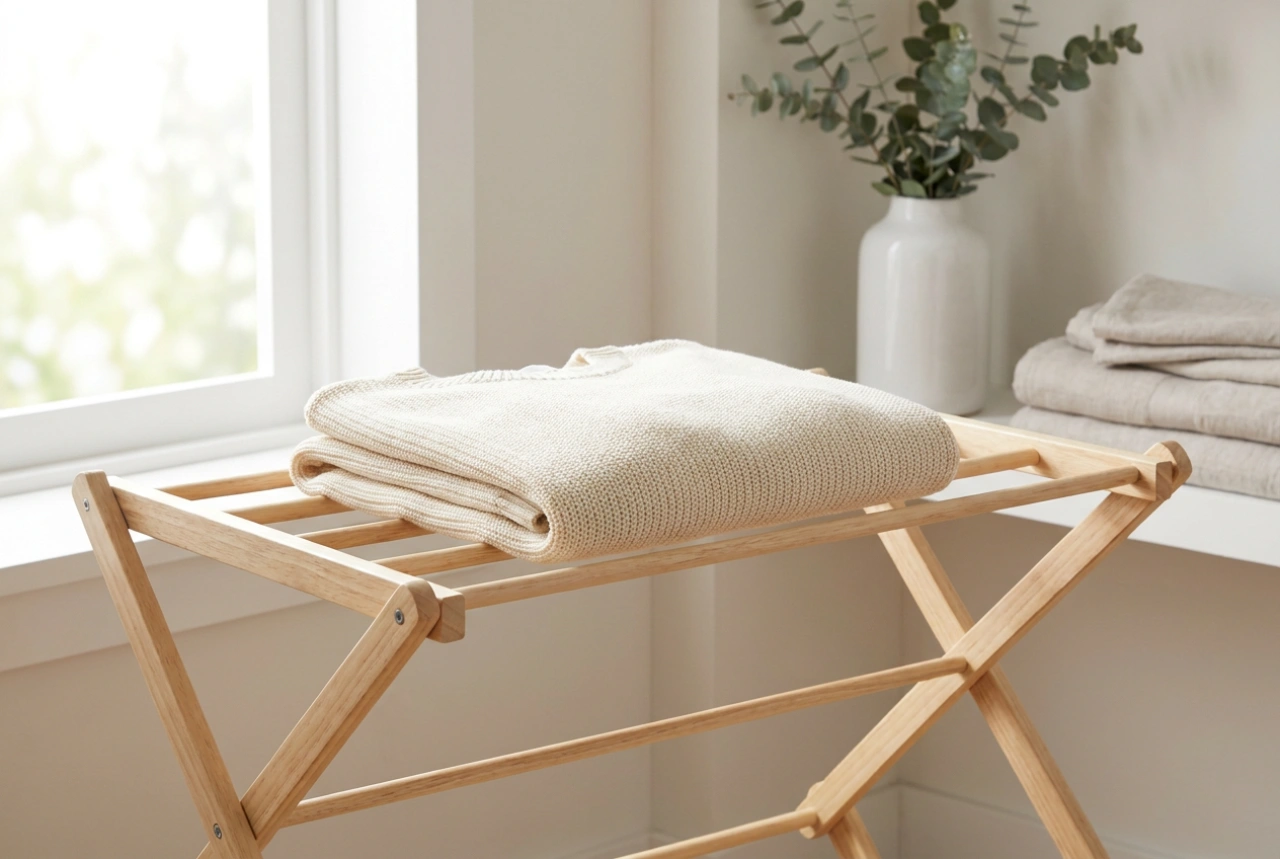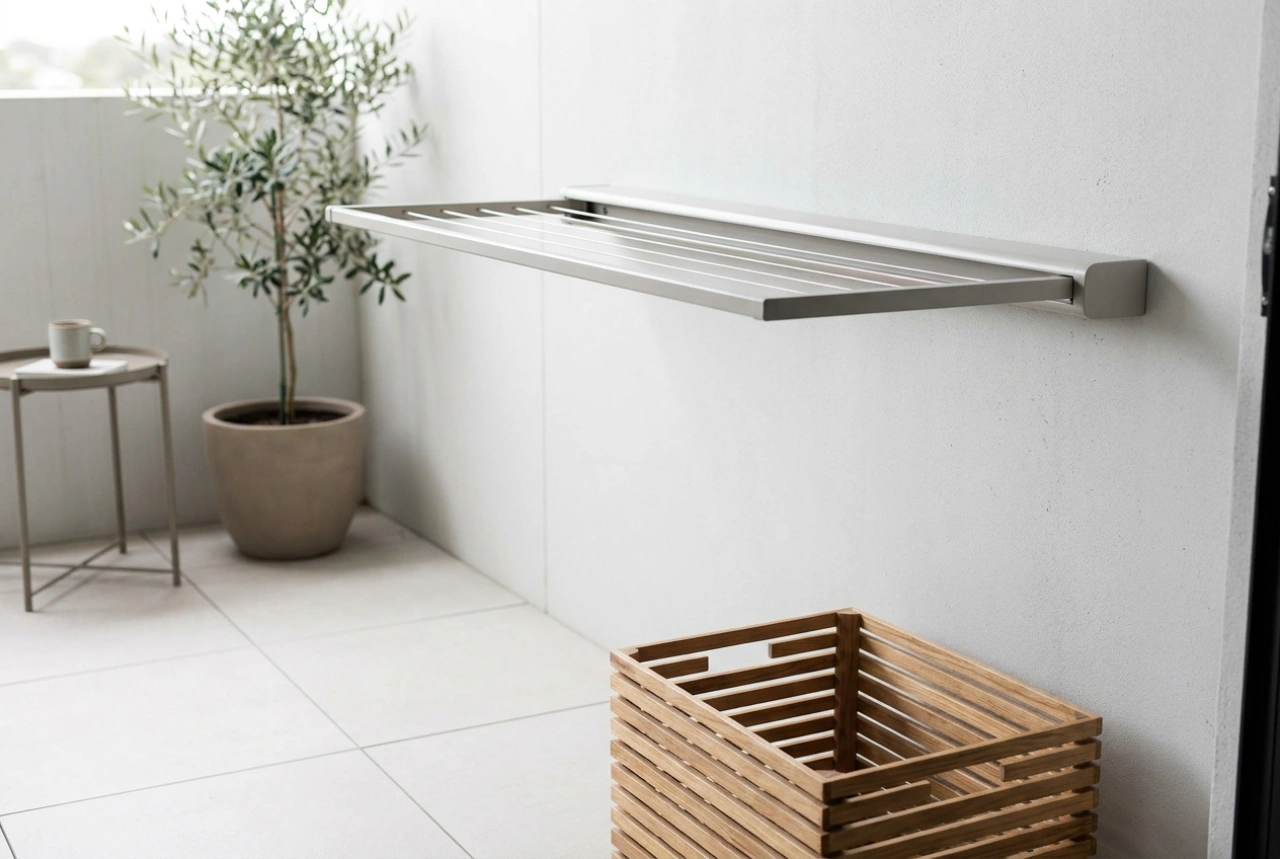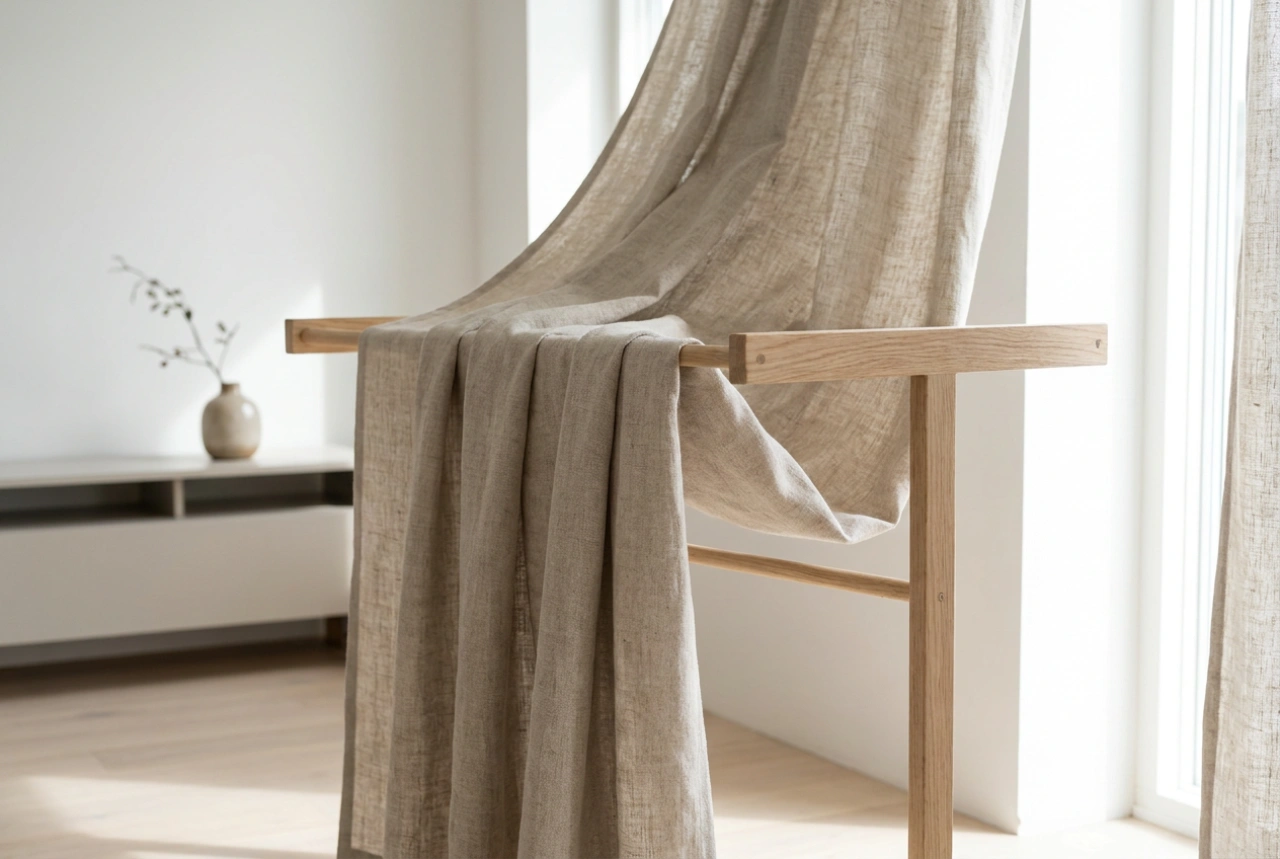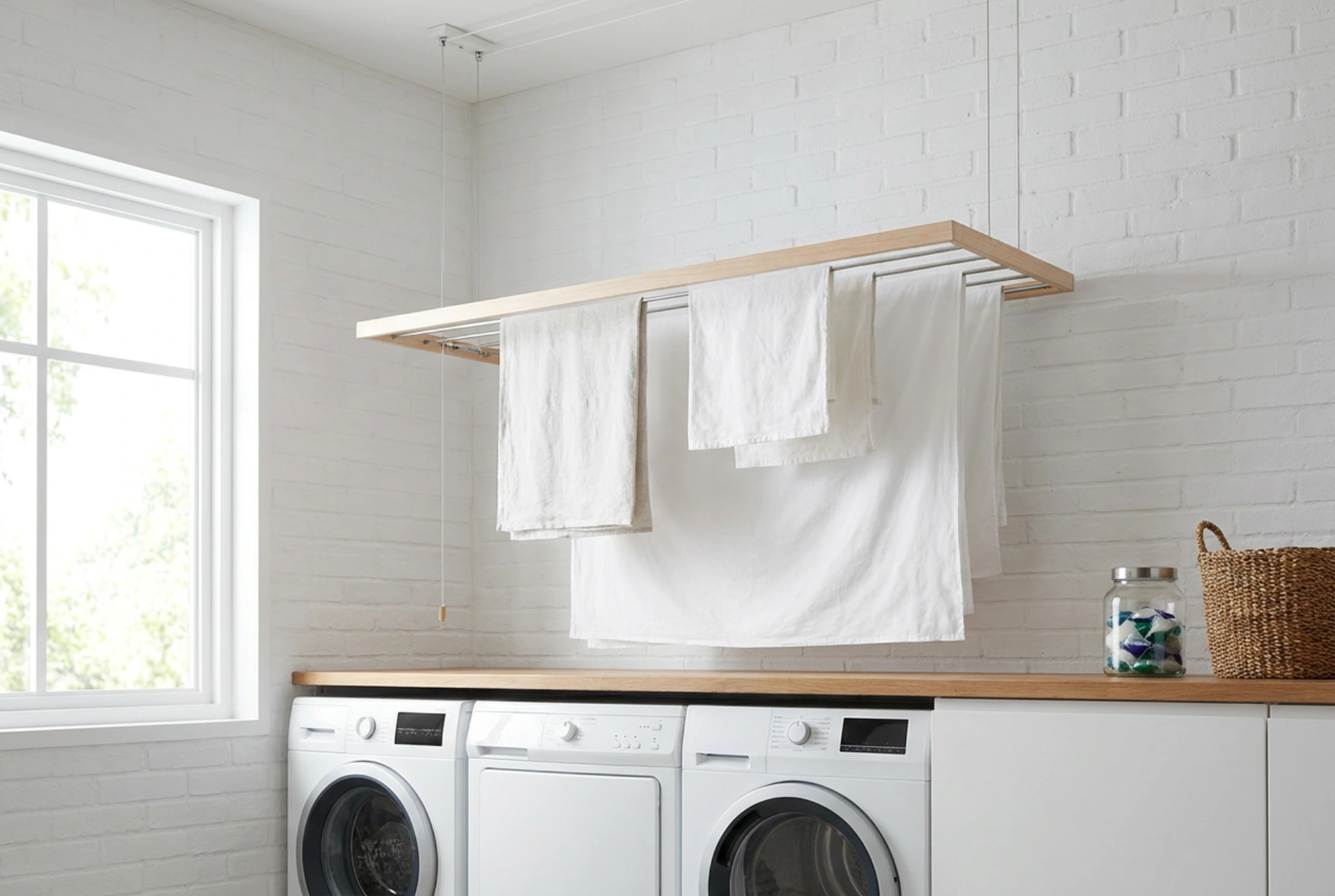


Maximising floor space while ensuring rapid, crease-free garment drying is a constant challenge in modern homes. A ceiling-mounted clothes airer utilises unused vertical space and natural thermal currents to dry laundry efficiently without cluttering living areas.
The Physics of Drying: Why High-Level Placement Works
Drying laundry relies on three primary environmental factors: temperature, relative humidity, and airflow. Traditional floor-standing racks place wet garments in the lower half of a room, where air is typically cooler and more stagnant. In contrast, a ceiling-mounted system positions damp fabrics in the warmest zone of the indoor environment.
Because warm air is less dense than cold air, it rises toward the ceiling—a natural process known as thermal convection. By suspending wet clothing near the ceiling, you place it directly in this warmer microclimate. Additionally, as moisture evaporates from the fabric, it increases the local relative humidity. Standard room airflow naturally carries this humid air away more quickly at higher elevations, maintaining a high vapor pressure gradient between the wet fibers and the surrounding air, which significantly accelerates evaporation.
Optimising Space in Small and High-Ceilinged Rooms
A ceiling-mounted airer is particularly effective in properties where floor space is at a premium, such as compact apartments, narrow utility corridors, or bathrooms. By raising the drying rack above head height, you reclaim essential floor space for movement and daily activities.
High-ceilinged properties, common in period homes, benefit immensely from this configuration. The vertical volume that would otherwise remain unused becomes an active drying zone. Furthermore, because these systems feature independent pulley ropes for each lath or rail, you can lower individual sections to a comfortable working height for hanging, and then hoist them back up out of the way. This removes the physical strain of bending down repeatedly, which is common with traditional low-standing horses.
Fabric Preservation and Gravity-Assisted De-creasing
Hanging garments vertically on a ceiling rack provides distinct material advantages over tumble drying or flat-bed airers. When wet clothes hang vertically, gravity acts as a natural tensioner, gently pulling the fabric fibres downward. This vertical tension helps to smooth out wrinkles and creases during the drying phase, often reducing or entirely eliminating the need for ironing.
For delicate fabrics like wool, linen, or fine cotton, avoiding the high heat and friction of mechanical tumble drying preserves the integrity of the weave. Air drying also prevents the thermal shock that can shrink natural fibres. Spacing garments evenly along the wooden or metal laths ensures optimal air circulation around each piece, preventing the musty odours that develop when wet fabrics remain in contact for too long.
Mechanical Selection: Materials and Weight Distribution
To ensure long-term durability and safety, the material composition of a ceiling airer must be carefully considered. Laths made from solid hardwood, such as pine or beech, are highly recommended because they absorb a minute amount of moisture without warping, while treated metal rails offer high tensile strength and resistance to rust from damp garments.
The mechanics of the system rely on load distribution. A standard pulley system distributes the weight of wet laundry—which can be up to three times its dry weight—across multiple anchor points in the ceiling. When installing such a system, understanding the ceiling substrate is critical. Securing the brackets directly into structural wooden joists or using heavy-duty plasterboard toggle anchors ensures the system can easily support a full load of damp fabrics without compromising structural integrity.