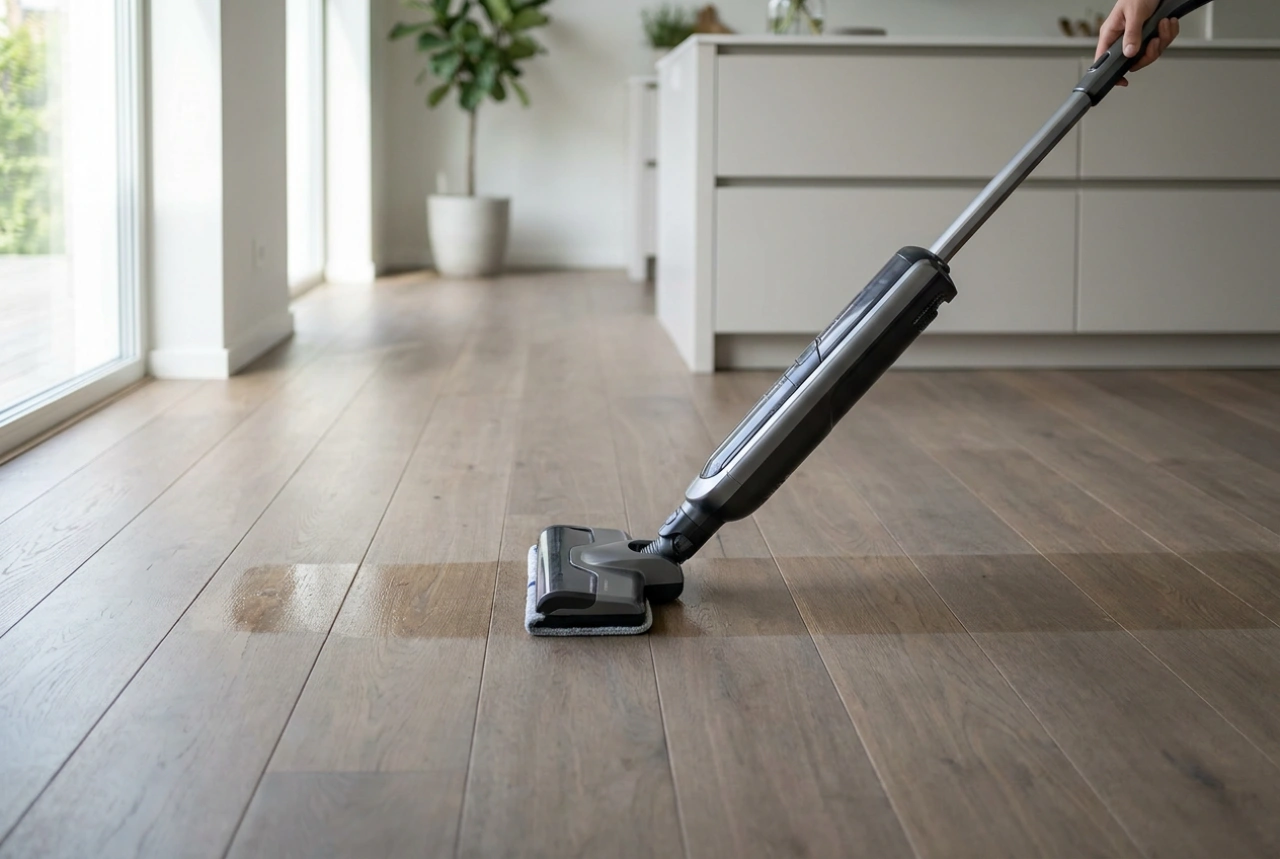


Understanding when and how to deploy a wet and dry vacuum cleaner can significantly improve your domestic cleaning efficiency while protecting your household appliances from damage. Unlike standard vacuum cleaners, these dual-function machines utilize specialised internal bypass motors and separation chambers to safely manage both solid debris and liquid spills.
The Mechanical Differences: Why Standard Vacuums Fail
A conventional vacuum cleaner relies on air flowing directly through the motor to cool it. If water enters this stream, it causes immediate electrical short circuits and corrodes the motor bearings. Furthermore, standard paper or cloth filters disintegrate when exposed to moisture, allowing fine dust to paste over the motor housing and clog the exhaust.
Wet and dry vacuums solve this issue through a bypass motor design. The cooling air for the motor is completely separated from the intake air containing dirt and liquids. A float valve mechanism inside the collection container rises as liquid accumulates, sealing off the suction path once the tank reaches maximum capacity to prevent liquid overflow into the motor chamber.
Optimal Wet Extraction Scenarios
Using a wet and dry vacuum is highly effective in situations where traditional wiping or mopping is inefficient or structurally damaging to surfaces:
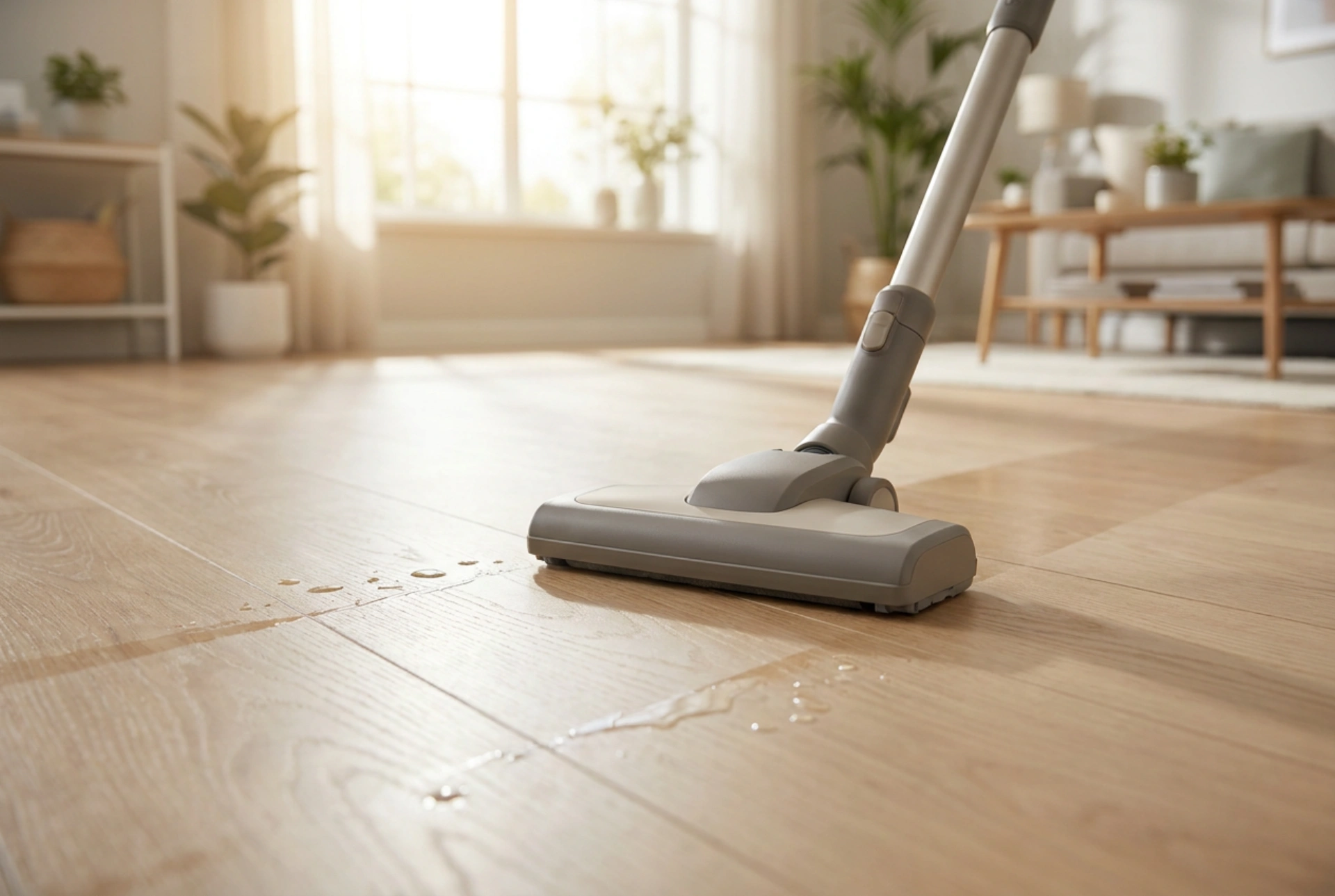
- Accidental Spills on Porous Surfaces: When liquids like milk, juice, or muddy water spill on carpets or wooden floors, immediate extraction is crucial. Rapid capillary suction prevents the liquid from sinking deep into subfloors or carpet underlays, mitigating the risk of rot and mould.
- Defrosting and Drainage Issues: When manually defrosting freezers or clearing minor condensation pools around air conditioning units, these vacuums extract standing water rapidly. They can also assist with clearing shallow sink blockages by creating a tight seal over the drain and using high-velocity suction to dislodge obstructions.
- Post-Wash Carpet Extraction: After applying a mild liquid detergent to carpet fibres to break down grease and oils, the wet vacuum can extract the dirty surfactant solution, leaving the textile fibers relatively dry and residue-free.
Handling Dry Debris: Coarse Materials and Fine Dust
While these machines excel at wet tasks, they are equally capable dry collectors. However, the nature of the dry debris dictates the setup:
Coarse Debris and Glass
For broken glass, ceramic shards, or damp soil tracked in from the garden, the wet and dry vacuum is superior to standard vacuum cleaners. The thick plastic construction of the hose and collection canister resists punctures from sharp edges, and the absence of a rotating brush bar prevents debris from being flung across the room.
Fine Dust Limitations
When dealing with very fine particles, such as drywall dust, fireplace ash, or sawdust, the standard cartridge filter on a wet-dry vacuum can quickly become choked. Fine dust particles block the microscopic pores of the filter, causing a drop in static pressure and suction loss. For these materials, installing a high-efficiency particulate air (HEPA) bag or using a water-bath filtration setup is necessary to capture the microscopic particles and prevent them from exhausting back into the room.
The Post-Cleaning Hygiene Protocol
The primary cause of failure and unpleasant odours in wet-dry vacuums is improper maintenance after wet usage. When organic matter mixes with water in a dark, sealed container, anaerobic bacteria multiply rapidly, creating sour odours and biofilm.
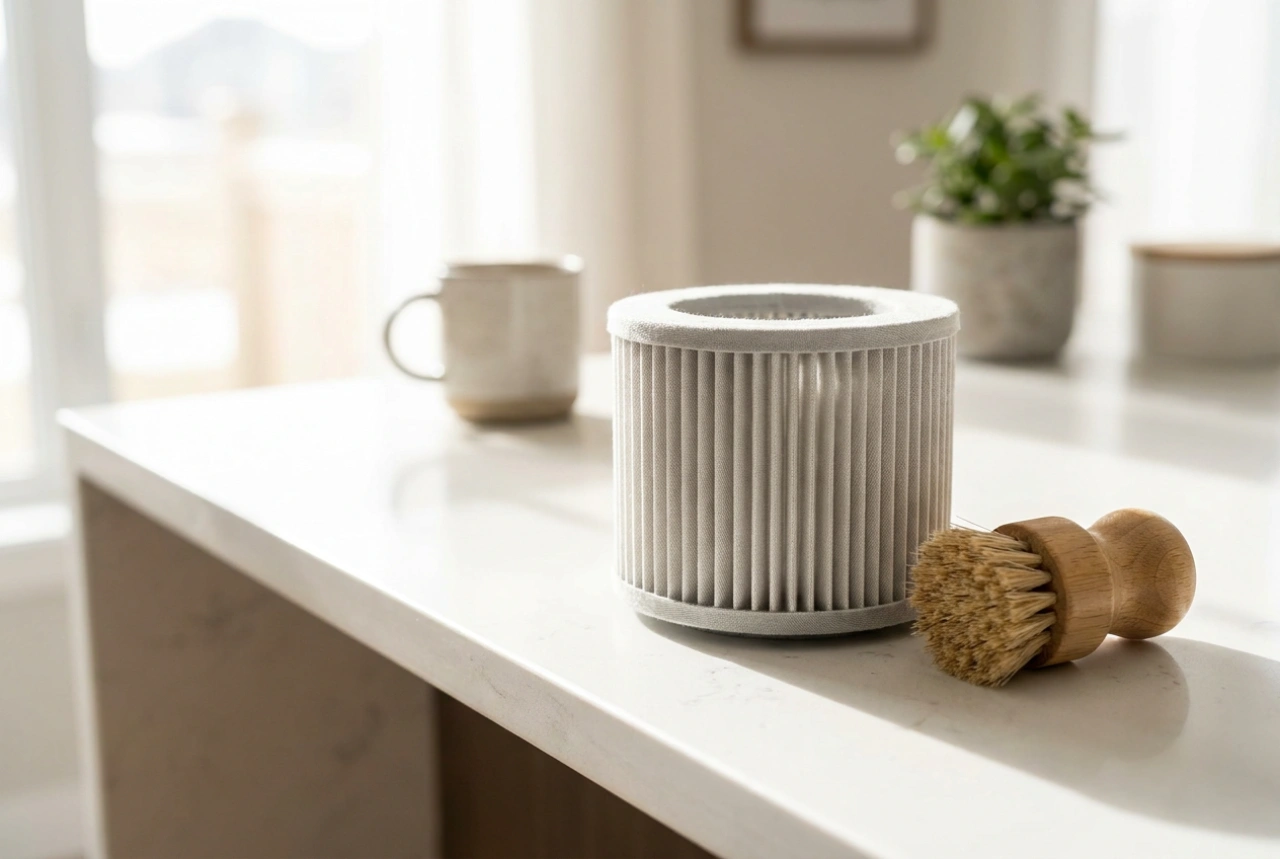
To prevent this, always empty the liquid canister immediately after use. Rinse the tank with clean water and wash the foam filter to remove trapped organic particles. The most critical step is drying: leave the canister open and run the vacuum in a well-ventilated area for a few minutes with the hose detached, allowing moving air to dry the interior of the hose and internal valves completely.