

Maximising the efficiency of a hybrid robotic vacuum and mop requires more than simply pressing a start button. To achieve streak-free, sanitised floors, you must coordinate a systematic cleaning schedule based on material physics, fluid dynamics, and spatial zoning.
The Physics of Floor Preparation: Why Dry Must Precede Wet
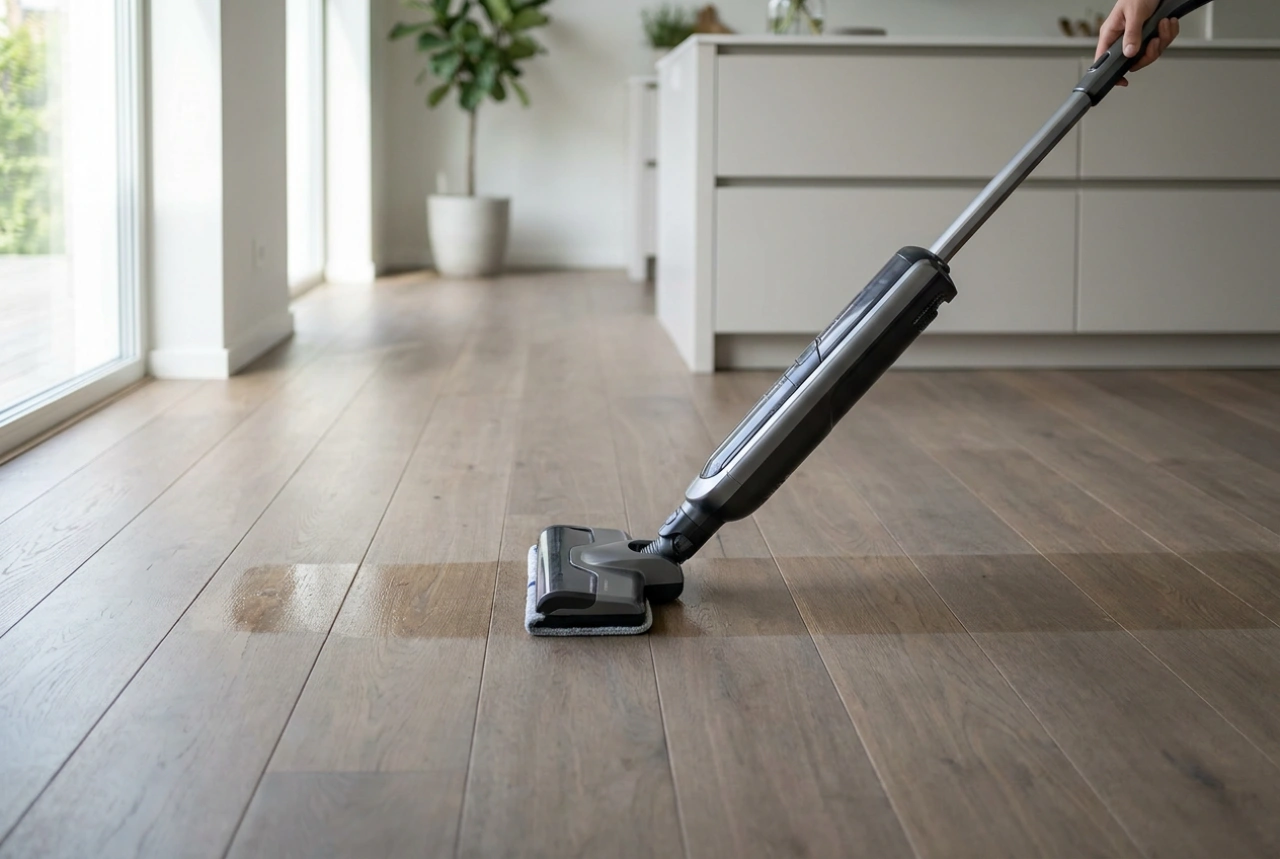
The fundamental rule of automated floor maintenance is the absolute separation of dry debris extraction and wet mopping. Introducing water to dry dust, pet hair, and loose grit creates an abrasive slurry. When a damp microfibre pad drags this slurry across hard surfaces, it acts like a fine sandpaper, causing micro-scratches on wood polymers and polyurethane coatings over time.
To prevent this, program your device to execute a dedicated, high-suction dry vacuuming cycle first. This process relies on airflow pressure and mechanical agitation from the main brush roll to dislodge particles from floor crevices. Only when the dry particulate matter is safely contained in the dustbin should the mopping cycle begin. This sequence ensures that the subsequent wet stage focuses purely on removing bound soil and dried spills through chemical dissolution and friction.
Spatial Zoning: Preventing Cross-Contamination
A successful robotic cleaning plan depends on a strict room hierarchy. Running a wet pad from a greasy kitchen straight into a pristine bedroom transfers oils, food residues, and bacteria across your entire home. To maintain optimal hygiene, divide your home into distinct cleaning zones and schedule them from cleanest to dirtiest:
- Zone 1: Sleep and Living Areas. Bedrooms and home offices contain mostly textile fibres and skin flakes. These areas require low moisture levels and should always be cleaned first.
- Zone 2: High-Traffic Transit Zones. Hallways and entryways accumulate dry grit carried from outdoors. These require high suction during the dry phase to protect the flooring material.
- Zone 3: Kitchens and Dining Areas. These zones present organic grease and food starches. They require targeted mopping with active water flow and slower transit speeds to allow the microfibres sufficient contact time to break down surface tension.
- Zone 4: Bathrooms. Always schedule bathrooms last. This isolates pathogens and hair, preventing the robot from spreading biological contaminants to other parts of the living space. After this zone, the mop pad must be removed immediately for washing.
Fluid Chemistry and Microfibre Mechanics
The efficiency of the mopping phase relies heavily on water quality and surfactant behavior. Tap water contains dissolved minerals like calcium and magnesium. When the robot dispenses tap water, it evaporates and leaves behind crystalline residues, visible as white streaks or dull patches on dark or glossy tiles. To avoid this, use demineralised or distilled water in the onboard tank.
If your device supports cleaning agents, use only highly diluted, non-foaming, pH-neutral surfactants. Traditional floor cleaners contain foaming agents that build up inside the fine capillary channels of the microfibre pad, reducing its ability to absorb dirty water. Furthermore, excess foam reduces wheel traction, causing the robot to slip and lose its positional tracking. The microfibre pad itself works through capillary action, pulling liquefied dirt away from the floor surface and trapping it within the polyester and polyamide matrix. To maintain this capillary pull, wash the pads at sixty degrees Celsius after every major cycle to dissolve trapped oils and kill bacteria.
The Ideal Weekly Automation Schedule
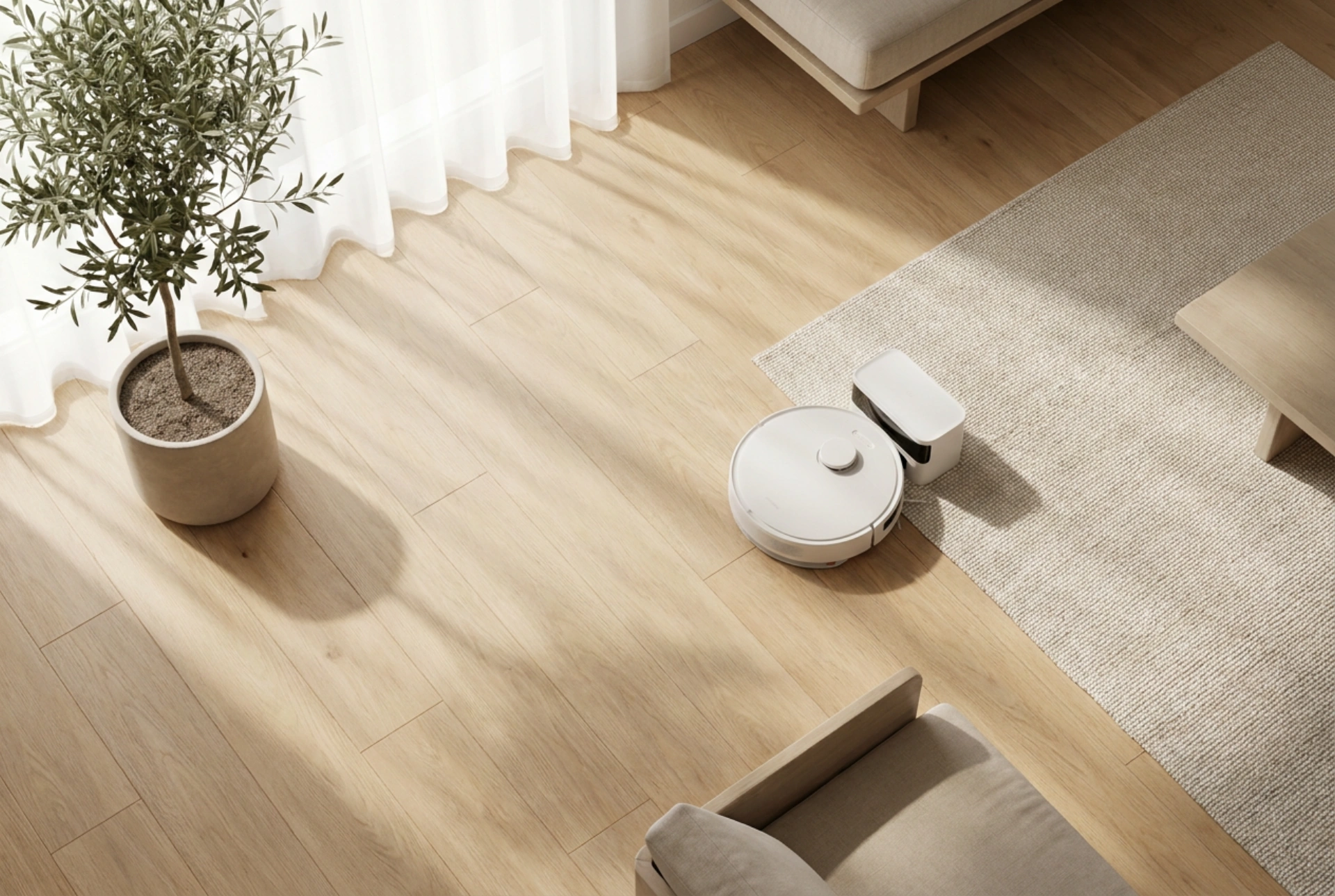
To keep your home consistently clean without manual intervention, program your hybrid robot according to a structured weekly cycle:
- Monday and Thursday: Full dry vacuuming cycle of all zones at maximum suction power to control dust mite allergens and hair accumulation.
- Tuesday and Friday: Two-phase clean (vacuum followed by mop) restricted to Zone 1 (living areas) and Zone 3 (kitchen) using medium water flow.
- Wednesday: Focused deep mop of Zone 4 (bathrooms) using high water flow, scheduled at a time when the household is away to allow the floor to dry naturally without foot traffic.
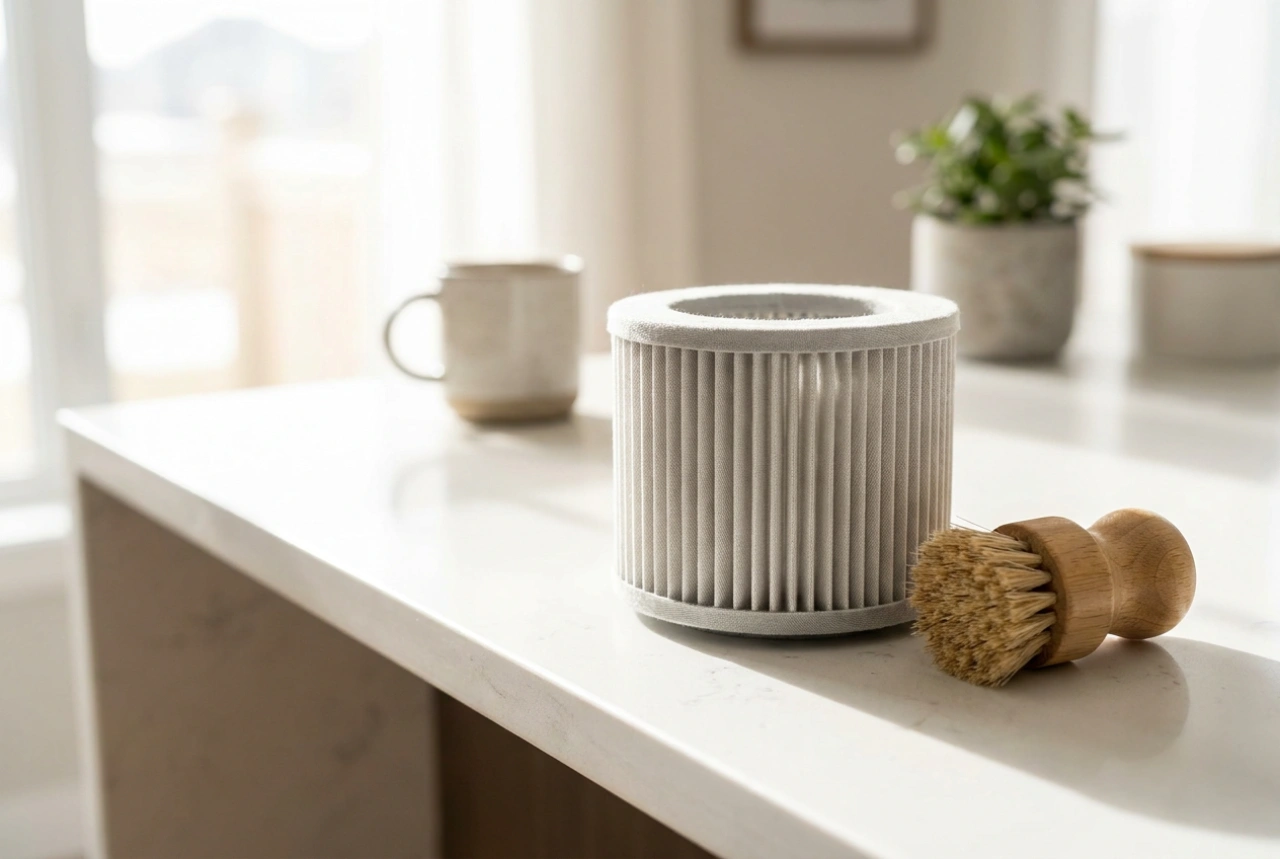
- Saturday: Maintenance run. Clean the robot’s optical sensors with a dry microfibre cloth, clear the brush rollers of tangled fibres, and empty the filtration system to maintain optimal static pressure.