

While many believe that a higher wattage motor automatically translates to a cleaner home, real-world vacuuming efficiency relies on fluid dynamics, mechanical agitation, and system sealing rather than raw electrical power. Understanding the physics of airflow and surface contact will help you achieve pristine floors with less effort.
The Physics of Suction: Wattage vs. Airflow
For decades, manufacturers used motor wattage as the primary marketing metric for vacuum cleaners. However, wattage merely measures the electrical power consumption of the motor, not the actual cleaning capability of the machine. An inefficient 2000-watt motor can generate less actual suction than a highly optimized 800-watt motor designed with modern aerodynamics.
To evaluate true cleaning capability, we must look at two distinct physical metrics: airflow and vacuum pressure. Airflow, measured in litres per second (l/s) or cubic feet per minute (CFM), represents the volume of air moving through the system. Vacuum pressure, often measured in kilopascals (kPa), represents the strength of the pull. The combination of these two elements, often calculated as Air Watts, determines how effectively dirt is lifted and transported into the collection bin.
The Role of Sealing and Fluid Dynamics
Suction is governed by the principles of fluid dynamics. For a vacuum to lift particles from a surface, it must create a localized low-pressure zone. Air from the surrounding high-pressure environment rushes to fill this void, carrying dust and debris along with it. However, this process relies heavily on a proper seal between the floorhead and the surface.
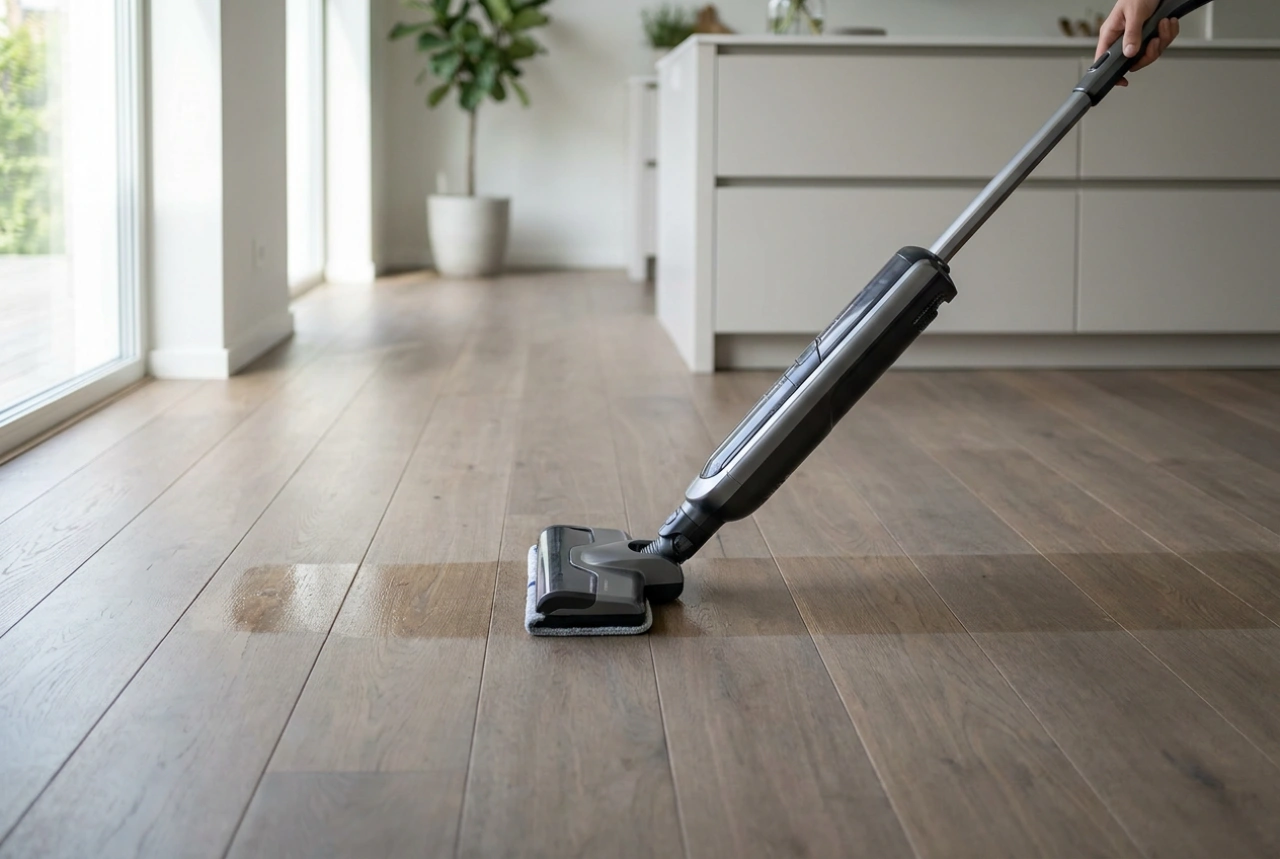
If the floorhead does not seal correctly against the floor, air enters from the sides rather than flowing through the carpet pile or across the hard floor surface. This bypasses the dirt entirely. Conversely, on smooth surfaces like hardwood or tile, a floorhead that seals too tightly can stick to the ground, stopping airflow completely. Modern floorheads solve this by using strategically placed channels and soft seals to guide the air path precisely where the dirt rests, utilizing the Venturi effect to accelerate airflow over the debris.
Mechanical Agitation: The Brush Roll Factor
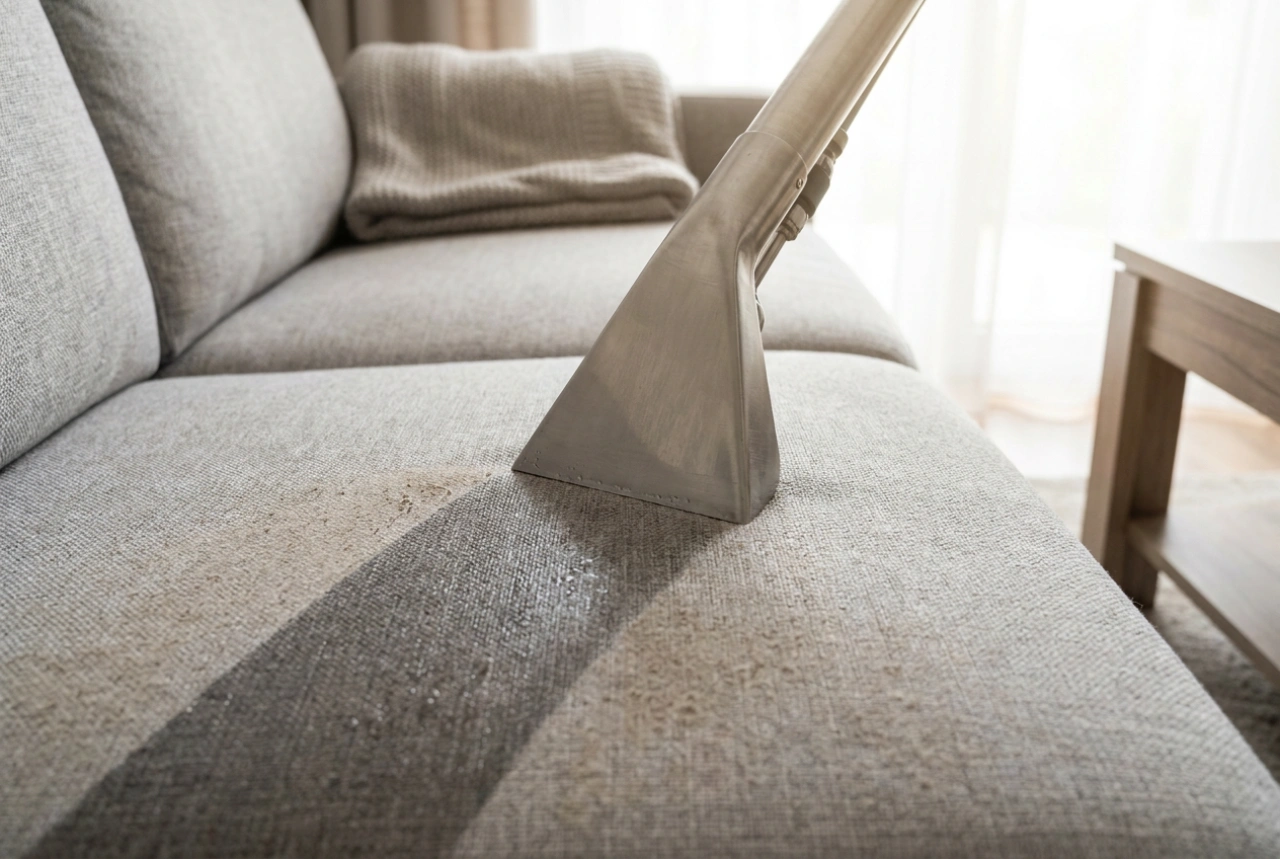
Suction alone is often insufficient to clean soft surfaces like wool rugs or dense carpets. Dust, pet hair, and dander do not simply sit on top of carpet fibres; they become entangled within the weave and held in place by static electricity and mechanical friction.
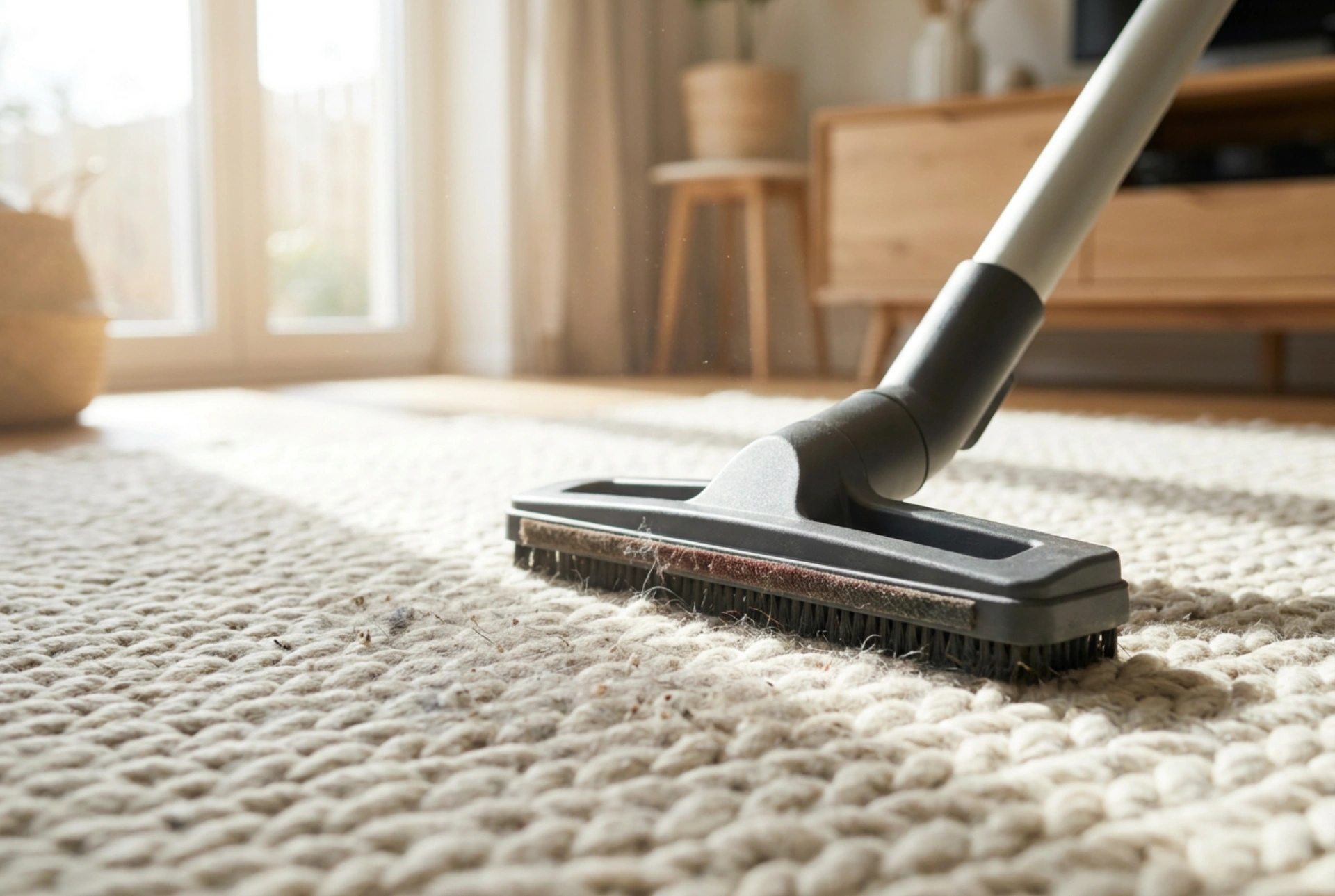
This is where mechanical agitation becomes critical. Rotating brush rolls and beater bars physically disturb the carpet fibres, shaking loose deeply embedded grit. This mechanical action lofts the dirt into the active air stream, where the suction can then capture it. Without this mechanical disturbance, even the most powerful suction motor would leave deep-seated dirt untouched at the base of the carpet pile.
Filtration Systems and Backpressure
A vacuum cleaner is an open-loop pneumatic system. Air is drawn in through the nozzle, passes through a collection chamber and a series of filters, and is exhausted back into the room. If the air cannot exit the machine easily, backpressure builds up inside the system, dramatically reducing the airflow at the intake nozzle.
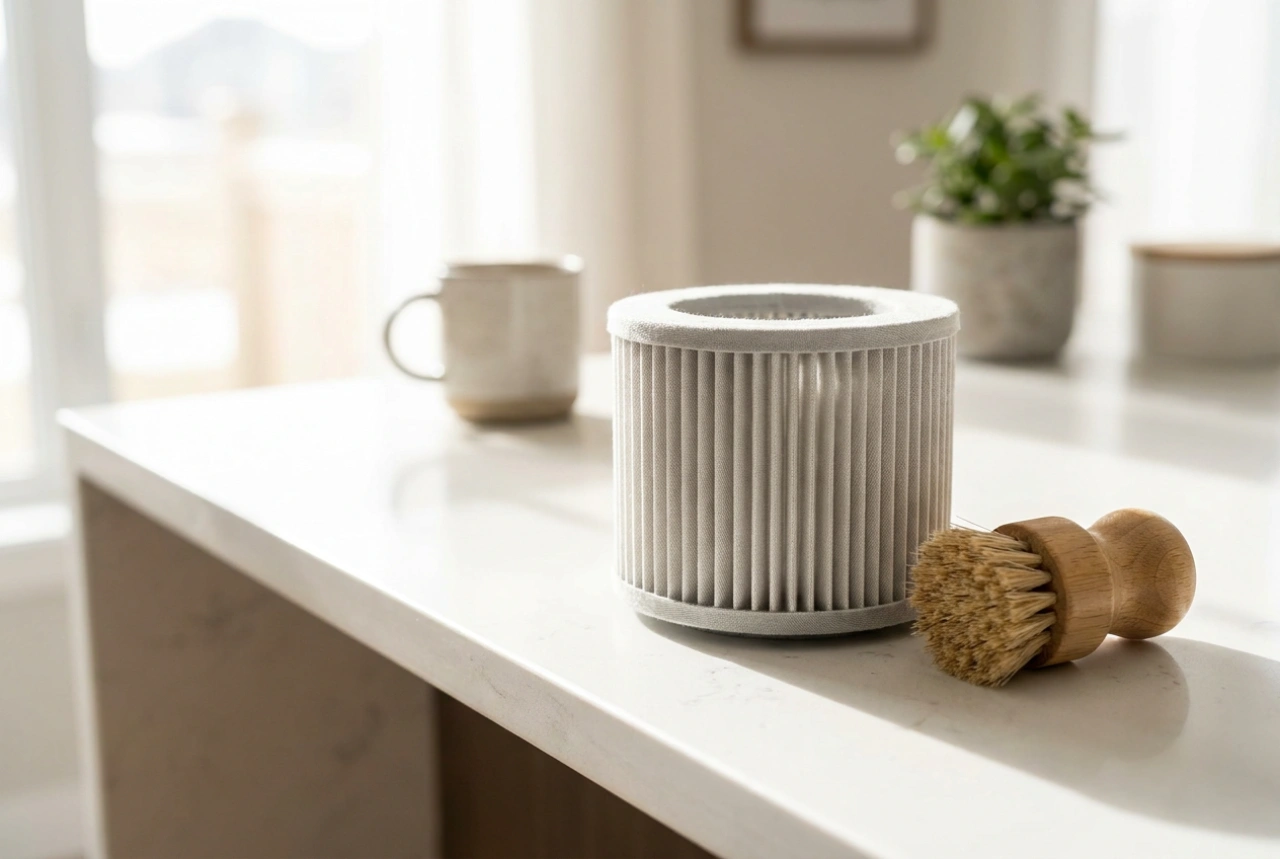
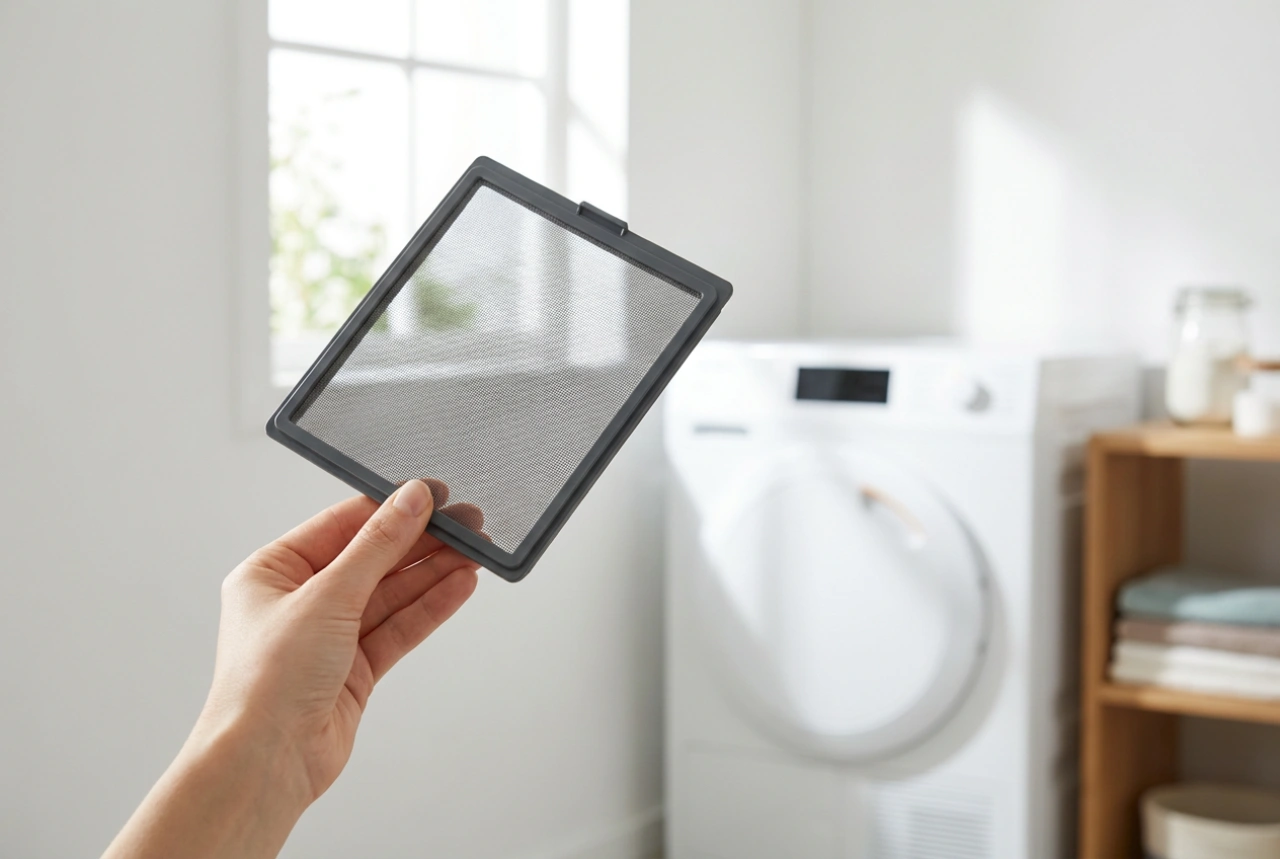
High-efficiency particulate air (HEPA) filters are excellent at trapping microscopic allergens, but their dense fibre structures inherently restrict airflow. As these filters collect dust over time, their resistance increases. If you do not clean or replace your filters regularly, the airflow drops, and even a high-wattage motor will fail to pick up basic debris. Ensuring an unobstructed exhaust path is vital for maintaining consistent suction velocity.
Optimising Your Vacuuming Technique
To maximize the efficiency of your appliance, your cleaning technique must align with these physical principles:
- Control your speed: Moving the vacuum head too quickly does not allow enough time for the airflow to penetrate the carpet fibres and lift heavier particles. Use slow, deliberate passes.
- Maintain the seal: When moving between hard floors and carpets, adjust the height settings of your floorhead to maintain the correct gap for optimal airflow.
- Clean the brush roll: Hair and threads wrapped around the brush roll prevent it from rotating at maximum speed, eliminating the mechanical agitation required for deep cleaning.
- Empty the bin early: Do not wait for the collection bin to fill completely. A full bin disrupts the cyclonic separation process, placing a heavier load on the filters and reducing overall airflow.