

Combining vacuuming and mopping into a single pass saves time, but mastering the physics of wet-dry extraction is essential for achieving a streak-free, hygienic finish on different floor types.
How Cordless Vacuum-Mop Combos Work
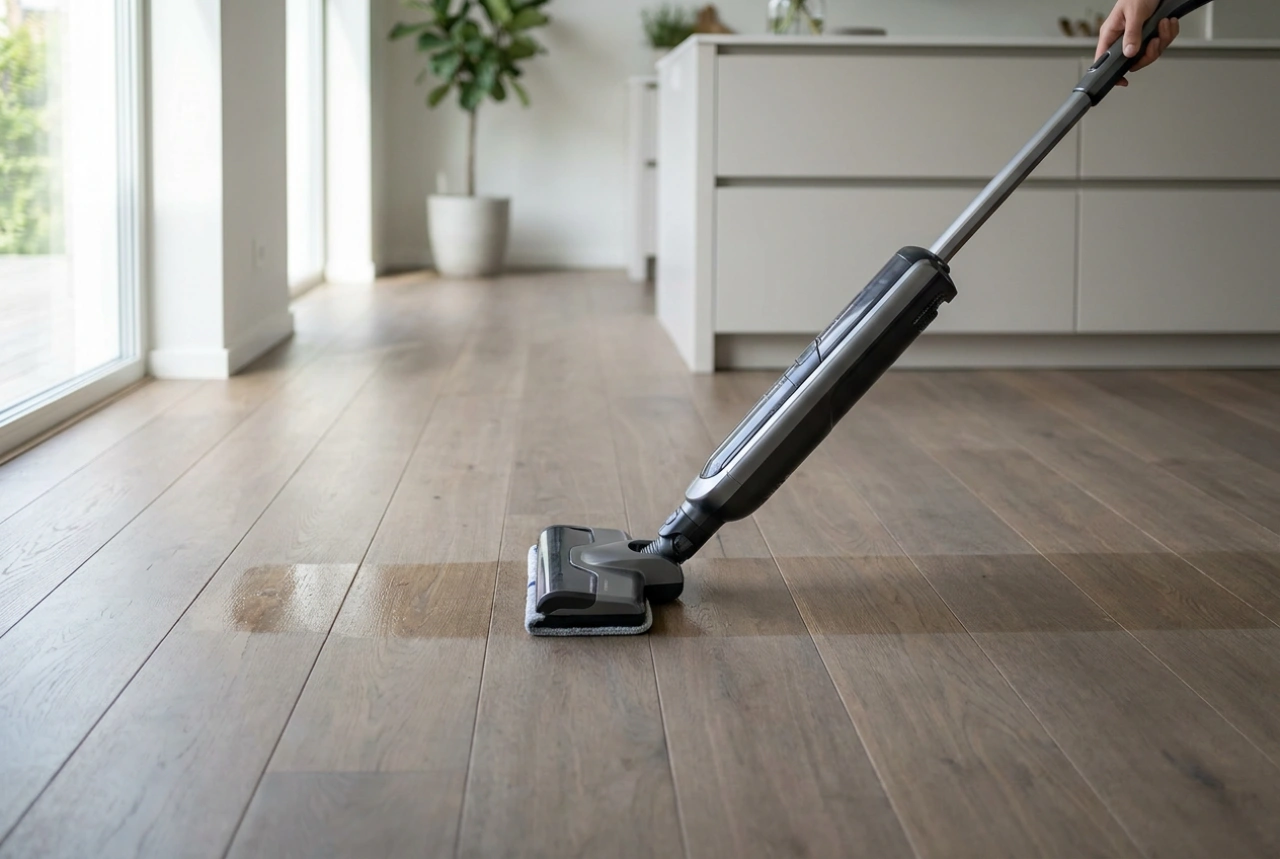
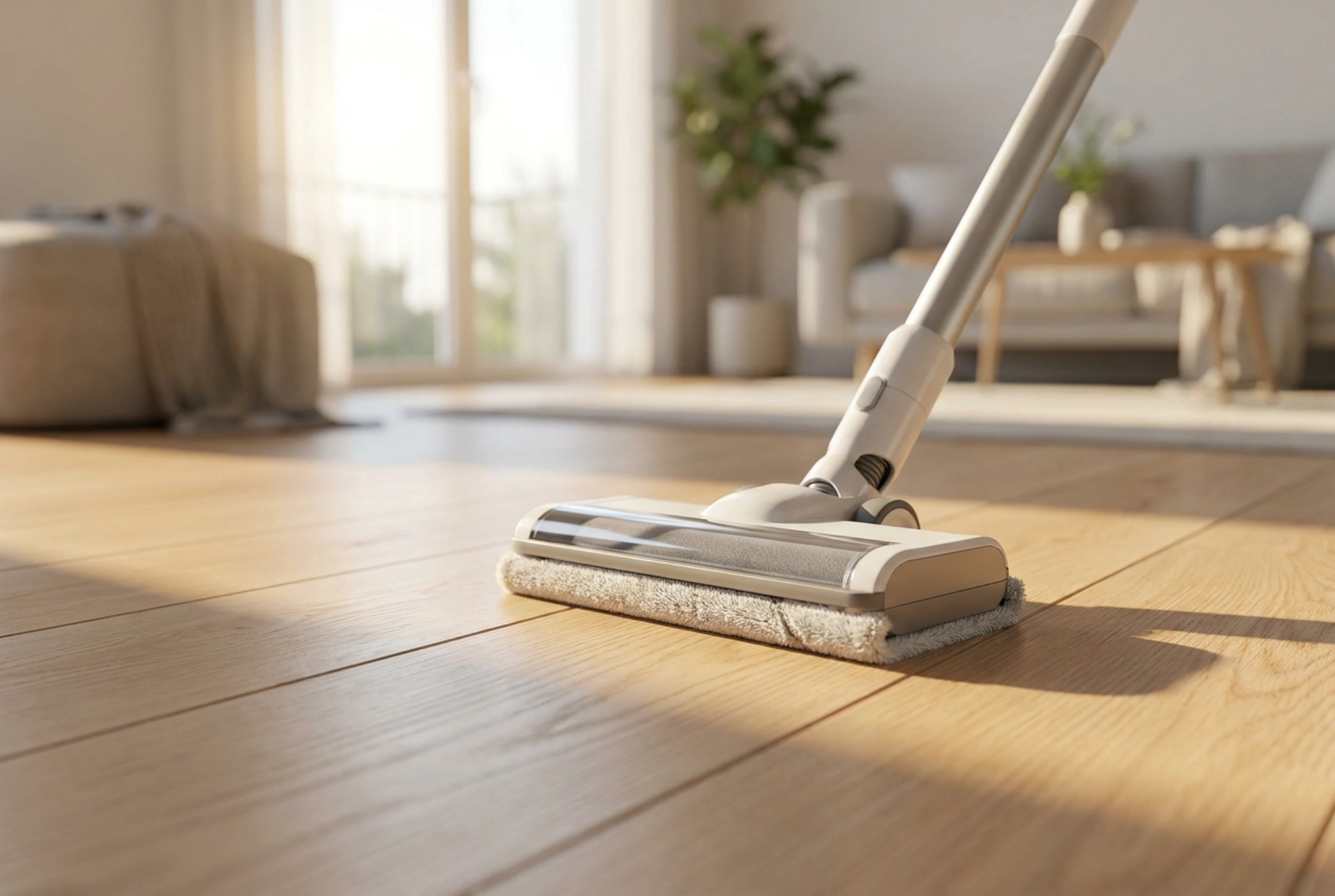
Traditional cleaning separates dry debris removal from wet soil suspension. Multi-functional floor cleaners combine these steps by utilising high-velocity airflow alongside a controlled water delivery system. The primary mechanism involves a rotating roller brush, typically made of dense microfibre, which is continuously hydrated with clean water. As the roller spins, it mechanically loosens surface dirt, while the vacuum motor generates negative pressure directly behind the brush roll. This suction pulls the soiled water and dry debris off the floor and into a dedicated dirty water recovery tank.
Crucial to this process is the separation of clean and dirty water. Unlike a traditional mop and bucket, which redistributes dirty water across the floor, these appliances ensure that only fresh water or diluted surfactant solution touches the surface. The continuous extraction prevents the redeposition of microscopic dust particles, resulting in a cleaner finish at a molecular level.
Water Tension and Chemical Balance on Hard Floors
To achieve streak-free drying, you must manage water surface tension. Plain water often leaves water spots due to mineral content, such as calcium and magnesium carbonates, that remains after evaporation. To prevent this, low-foaming, pH-neutral surfactants can be added to the clean water tank. These agents reduce surface tension, allowing the water to spread evenly in a micro-thin layer rather than forming droplets that leave watermarks when dry.
Different floor materials require distinct care parameters:
- Sealed Hardwood and Laminate: These materials are highly susceptible to moisture damage. Excess water can penetrate seams via capillary action, causing wood fibres to swell and warp. When cleaning wood, minimise the water flow rate and use rapid, consistent strokes to ensure the vacuum extraction system removes moisture immediately.
- Ceramic and Porcelain Tiles: These durable, non-porous surfaces can tolerate higher hydration levels. However, dirty water can easily settle into recessed grout lines. To prevent this, move the appliance parallel to the grout lines rather than across them, allowing the suction channel to pull liquid directly from the joints.
- Vinyl and LVT: These resilient surfaces are highly chemical-resistant but can become slippery if a surfactant film builds up. Regular maintenance washes with pure demineralised water help strip away soap residue.
The Physics of Movement and Path Optimisation
The efficiency of a wet-dry vacuum depends heavily on the operator's speed and technique. Moving the appliance too quickly does not allow the rotating brush sufficient dwell time to agitate stuck-on grime, nor does it give the vacuum nozzle enough time to extract the liquid. For optimal results, use a deliberate, slow pace—approximately one metre per three seconds. Apply a forward stroke to distribute water and agitate, followed by a slower backward stroke along the same path to maximise water recovery.
Always plan your cleaning path to avoid walking on recently damp sections. Start at the furthest corner from the room's exit and work backwards in slightly overlapping parallel lanes. This systematic approach ensures that you do not step on damp surfaces, which would reintroduce oils and dirt from footwear.
Preventing Odours: The Science of Appliance Maintenance
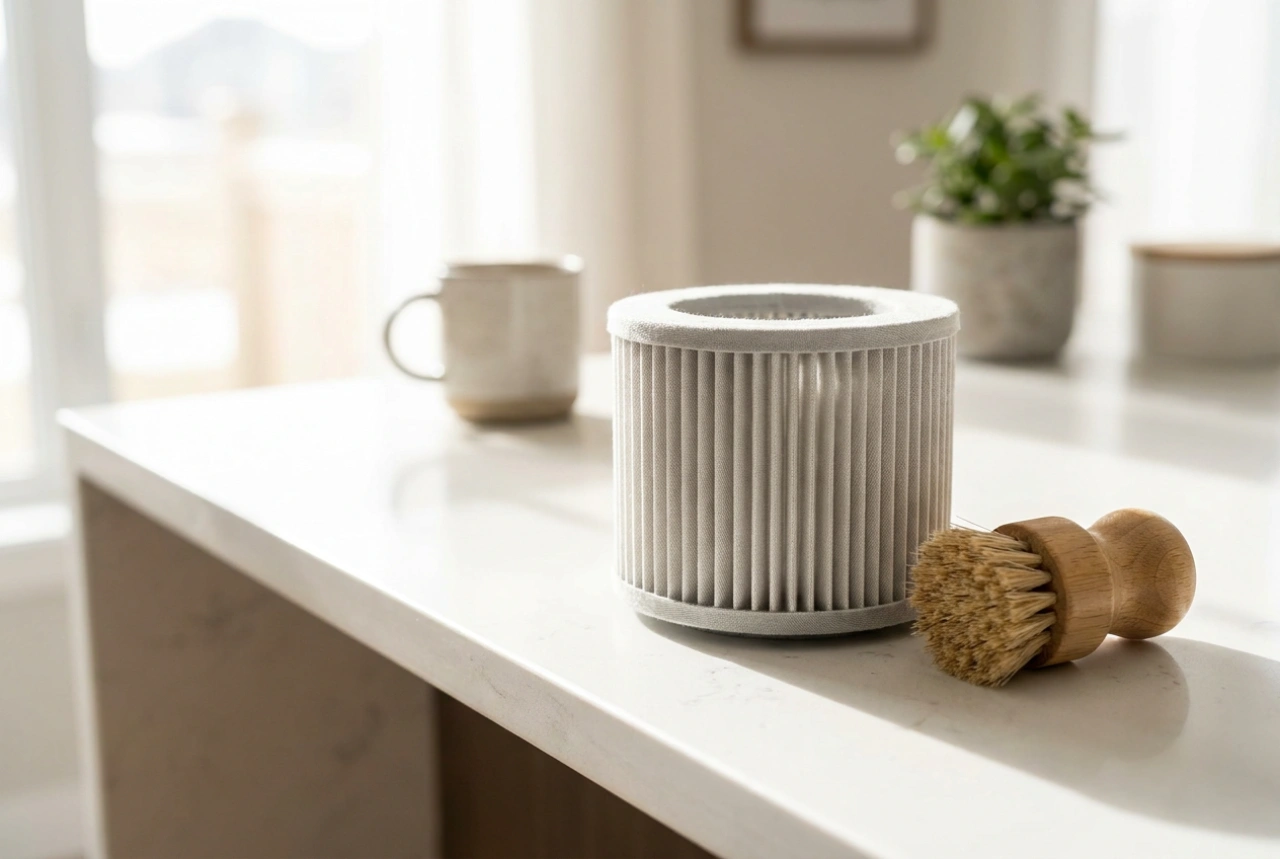
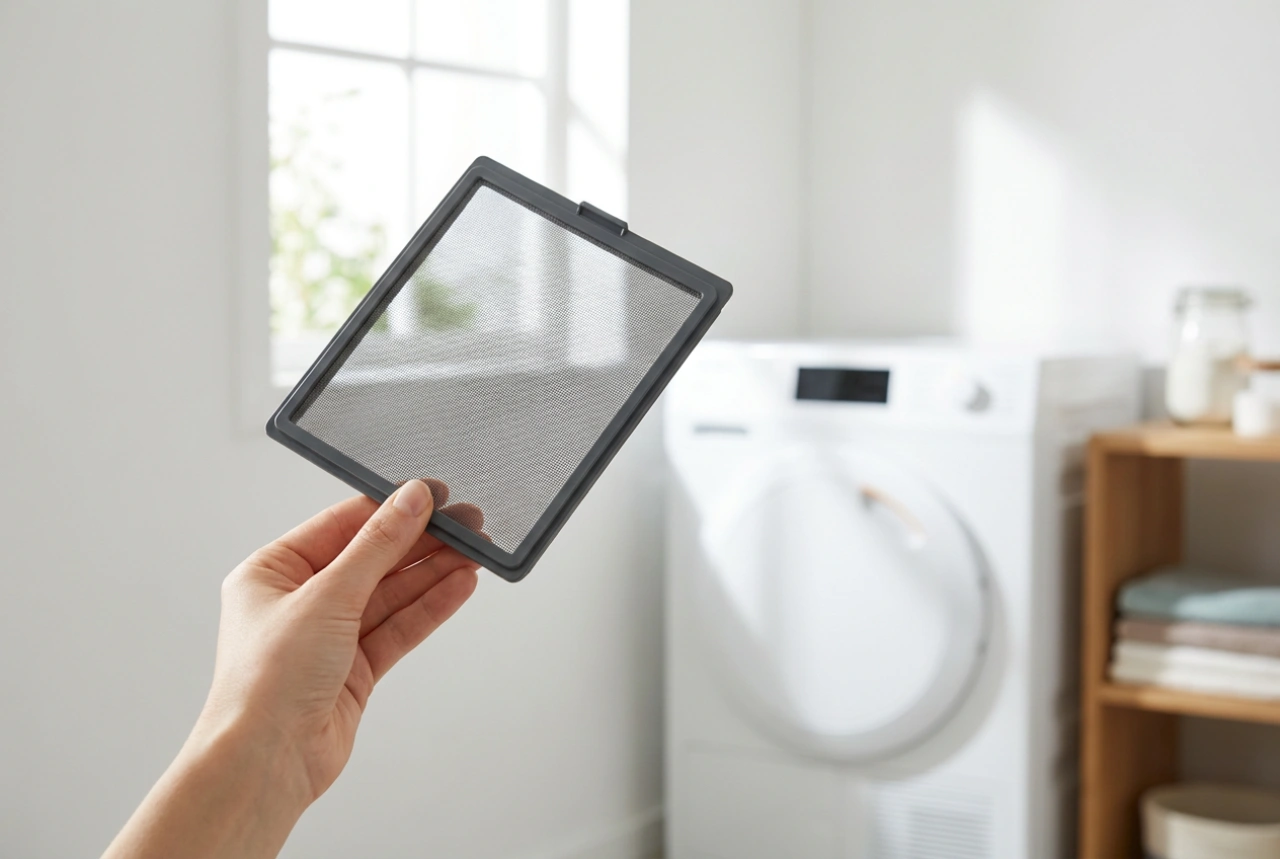
Because these devices collect a mixture of organic debris, dust, and water, they are highly susceptible to bacterial colonisation. If left wet, the dirty water tank becomes an anaerobic environment, leading to the rapid proliferation of bacteria and mould, which generate unpleasant volatile organic compounds. To prevent this, empty and rinse both the dirty water tank and the solid waste filter after every use.
Leave the tanks, filters, and the roller brush to air-dry completely in a well-ventilated area for at least 24 hours before reassembling. Without moisture, microbes cannot reproduce, keeping your appliance hygienic and odour-free for its next use.