

Pet hair binds to carpet fibres and upholstery fabric through a combination of electrostatic attraction and mechanical interlocking, making standard vacuuming routines insufficient. Understanding the physical forces at play allows you to deploy targeted techniques that loosen, lift, and extract stubborn dander and fur from deep within textiles.
The Physics of Hair Adhesion: Why It Clings to Textiles
To effectively remove pet hair, it is essential to understand why it resists basic suction. Animal fur possesses microscopic scales or barbs that mechanically hook onto the twisted loops of carpet and upholstery yarns. This physical entanglement is reinforced by the triboelectric effect—static electricity generated by the friction of pets sliding, rolling, or walking across synthetic materials like polyester, nylon, or acrylic.
When dry air circulates in a room, these static charges increase, causing the hair shaft and textile fibres to act like opposing magnets. Standard vacuum cleaners relying solely on airflow cannot overcome this electrostatic bond. Effective extraction requires breaking this physical and electrical grip through agitation, friction, and charge neutralisation before or during the vacuuming process.
The Art of Loosening: Pre-Treatment Techniques
Before turning on your vacuum, preparing the surface chemically and physically will significantly increase the yield of hair removed. Applying material science to your cleaning routine saves time and prevents wear on carpet fibres.
- Electrostatic Disruption with Rubber: Dragging a clean rubber squeegee or wearing a textured latex glove across the fabric generates a high level of friction. Rubber acts as an insulator that gathers a strong static charge, pulling the hair out of the carpet pile and clumping it together for easy removal. Sweep in short, firm, unidirectional strokes.
- Moisture and Surface Tension: Lightly misting the carpet with a dilute mixture of water and a fabric softening agent (which contains cationic surfactants) neutralises the static charge. This relaxes the textile fibres and releases the grip on the hair shafts. Ensure the surface is only damp, not wet, to prevent mould growth.
- Sodium Bicarbonate Treatment: Dusting a thin layer of sodium bicarbonate (baking soda) over the carpet serves a dual purpose. It absorbs the natural lipids and oils secreted by pets that act as a microscopic glue holding the hair to the fibres, while also neutralising acidic odours. Let it sit for fifteen minutes before vacuuming.
Optimising Vacuum Mechanics and Motion
Once the static bonds are weakened, the vacuum cleaner can perform its mechanical work. However, pushing the machine back and forth rapidly is highly inefficient. Instead, follow a structured, multi-directional methodology.
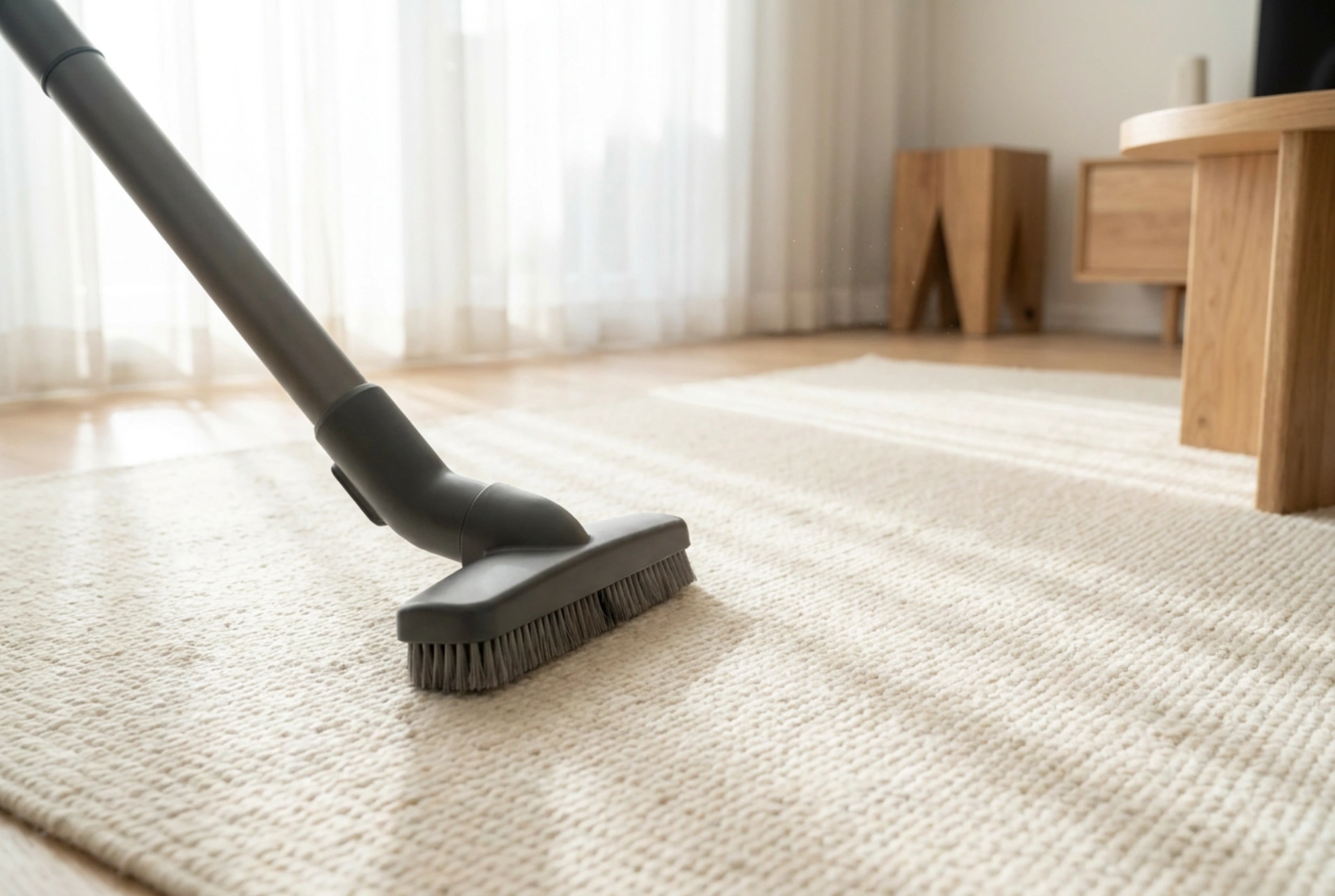
First, use a motorised brush roll (often called a beater bar). The rotating bristles physically agitate the carpet, lifting the pile and forcing embedded hairs to the surface. Adjust the brush roll height so that the bristles firmly contact the tips of the carpet fibres without restricting the airflow of the machine.
Second, employ the criss-cross vacuuming pattern. Vacuum first in north-south lanes, overlapping each pass by fifty percent. Once completed, repeat the process in east-west lanes. This two-dimensional approach ensures that hairs entangled in different directions are hit from multiple angles, allowing the mechanical lift of the brush to work dynamically. Slow down your pace; slow strokes allow the vacuum's suction to capture the lifted hairs before they settle back into the pile.
Upholstery-Specific Care: Gentle Extraction
Upholstery fabrics are often more delicate than floor coverings, requiring a modified approach to prevent fibre damage or pilling. Avoid aggressive motorised brush rolls on delicate weaves.
Instead, utilise a dedicated upholstery tool with a lint-catching strip, which uses textured fabric to pull hair in one direction. Work systematically from the top of the cushions downward. For deep crevices where suction drop-off occurs, use a narrow crevice tool to focus the static pressure of the vacuum into a small area, pulling out the densely packed hair that accumulates in seams.
Maintaining the Vacuum for Peak Efficiency
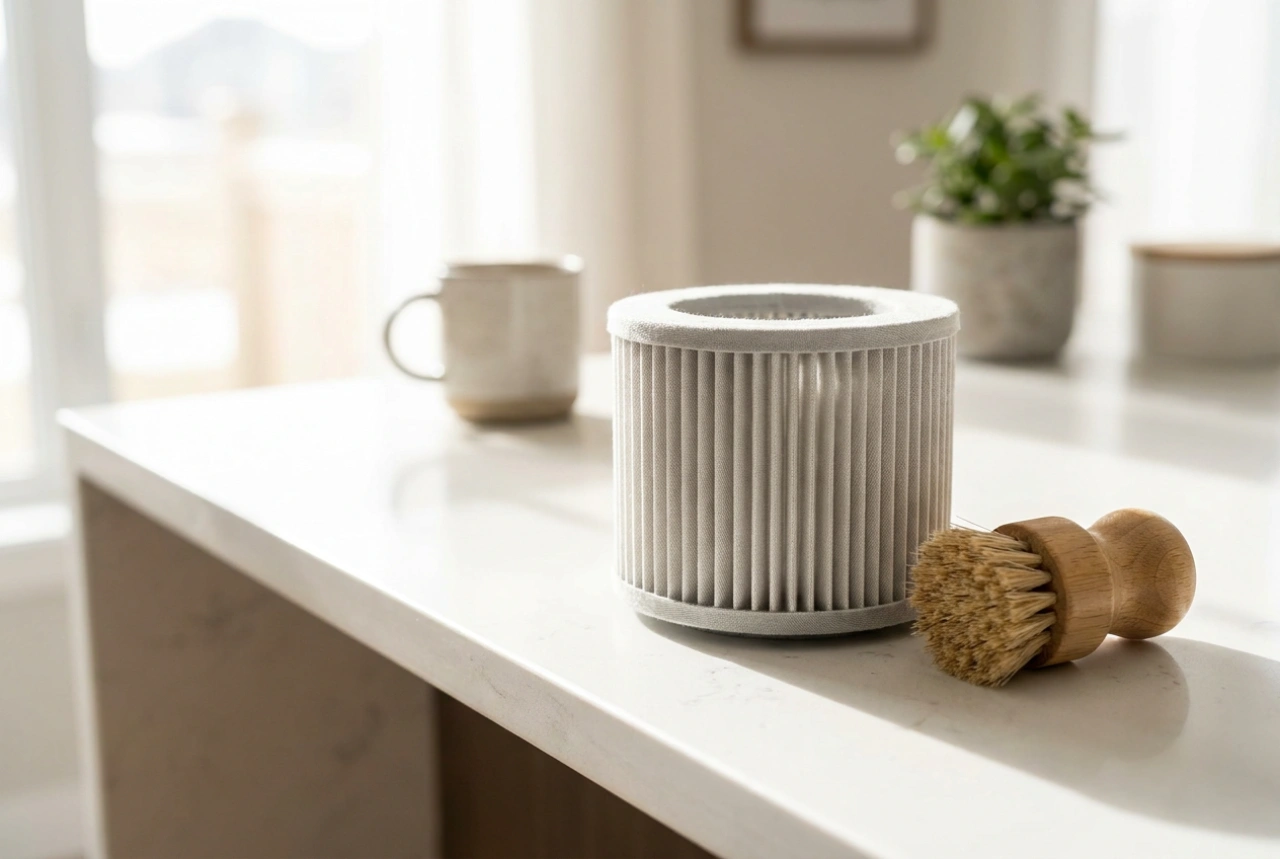
Pet hair and dander are highly restrictive to airflow. As you clean, fine dander particles quickly coat the pores of your vacuum's HEPA or foam filters, while long hairs wrap around the brush roll. When airflow drops, the vacuum loses its ability to lift fibres, rendering your efforts useless.
Regularly inspect the brush roll and use shears to cut away wrapped hair along the guide groove. Empty the dust bin or replace the bag once it reaches half capacity to maintain maximum velocity through the intake nozzle, ensuring consistent static lift throughout your cleaning session.